Are you craving perfectly sticky rice but don’t want to deal with complicated steps? Making sticky rice in a rice cooker is easier than you think.
With just a few simple tips, you can get that soft, chewy texture every time. Imagine serving delicious sticky rice that sticks just right to your favorite dishes. Keep reading, and you’ll discover the secrets to mastering sticky rice in your rice cooker without any hassle.
Your next meal is about to get a whole lot better.
Credit: www.simplysuwanee.com
Choosing The Right Rice
Choosing the right rice is key to making perfect sticky rice in a rice cooker. Sticky rice has a unique texture that regular rice cannot match. Picking the correct type ensures your dish turns out soft and clumps together well. The variety you select influences the cooking time and flavor. Understanding the different types helps you find the best one for your recipe.
Types Of Sticky Rice
Sticky rice, also called glutinous rice, comes in several types:
- White Sticky Rice:The most common type with a soft, sticky texture.
- Purple Sticky Rice:Has a nutty flavor and a purple color when cooked.
- Black Sticky Rice:Rich in antioxidants with a chewy texture.
White sticky rice is often used in desserts and savory dishes. Each type requires slightly different water amounts for perfect stickiness.
Where To Buy Sticky Rice
Sticky rice is available in many places. Asian grocery stores usually carry a wide selection. Health food shops sometimes stock black or purple sticky rice. Online stores offer easy delivery and good variety. Check the packaging to ensure it says “glutinous” or “sticky” rice. Avoid regular long-grain or jasmine rice, which do not stick well.

Credit: trivet.recipes
Preparing The Rice
Preparing the rice properly is the foundation of perfect sticky rice. It’s not just about measuring and pouring; the way you handle the rice before cooking changes its texture and stickiness dramatically. Paying attention to the small details here can elevate your dish from ordinary to exceptional.
Rinsing Techniques
Rinsing your rice thoroughly removes excess starch and any impurities on the grains. Use cold water and gently swish the rice around with your hand instead of stirring aggressively. This prevents the grains from breaking and helps maintain their shape.
Rinse until the water runs mostly clear, which might take 3 to 4 rounds. Some people stop too early and end up with clumpy rice. Have you noticed how clearer water leads to less sticky but still tender rice?
Soaking Time
Soaking sticky rice before cooking is key to achieving that perfect chewy texture. Place the rinsed rice in water and let it soak for at least 4 hours, or overnight if possible. This softens the grains and allows them to absorb water evenly.
If you’re short on time, a quick soak of 1 to 2 hours can work but won’t produce the same texture. Have you tried making sticky rice without soaking? The difference in texture is quite noticeable and worth the wait.
Setting Up The Rice Cooker
Setting up your rice cooker correctly is the foundation for making perfectly sticky rice. It’s more than just pouring rice and water into the pot. Small adjustments here can make a big difference in texture and stickiness.
Rice To Water Ratio
The amount of water you add is crucial. Too much water makes the rice mushy, while too little leaves it dry and undercooked. For sticky rice, a common ratio is 1 cup of sticky rice to 1 cup of water.
Some rice cookers come with specific markings inside the pot. Use these as a guide, but remember that different brands of sticky rice might need slight tweaks. If your first batch feels too wet, try reducing the water by a tablespoon next time.
Using The Right Cooker Settings
Not all rice cookers have a sticky or sushi rice setting, but if yours does, use it. This setting usually adjusts cooking time and temperature to create the ideal sticky texture.
If your cooker only has a basic white rice mode, don’t worry. You can still get good results by letting the rice sit on the “keep warm” setting for 10-15 minutes after cooking. This helps the grains settle and become stickier.
Have you experimented with your rice cooker’s settings before? Sometimes a small change in timing or function can turn a good batch into a great one.
Cooking Process
Getting the sticky rice just right in your rice cooker depends heavily on the cooking process. It’s not just about pressing start and waiting; subtle adjustments during cooking can change the texture dramatically. Let’s dive into how you can manage this process effectively to enjoy perfect sticky rice every time.
Starting The Cooker
Begin by rinsing your sticky rice thoroughly under cold water until the water runs clear. This step removes excess starch that can make the rice too gummy or unevenly cooked.
Next, measure the water carefully—sticky rice usually requires a bit less water than regular rice. A good ratio is about 1 cup of rice to 1 cup of water.
Place the rinsed rice and water in the rice cooker. Close the lid securely and select the 'cook' setting. Avoid opening the lid during cooking, as this can disrupt steam and texture.
Steaming Tips For Best Texture
Once the cooker switches to 'warm,' resist the urge to open it immediately. Let the rice sit for 10-15 minutes to steam further inside the cooker. This resting phase firms up the grains and improves stickiness.
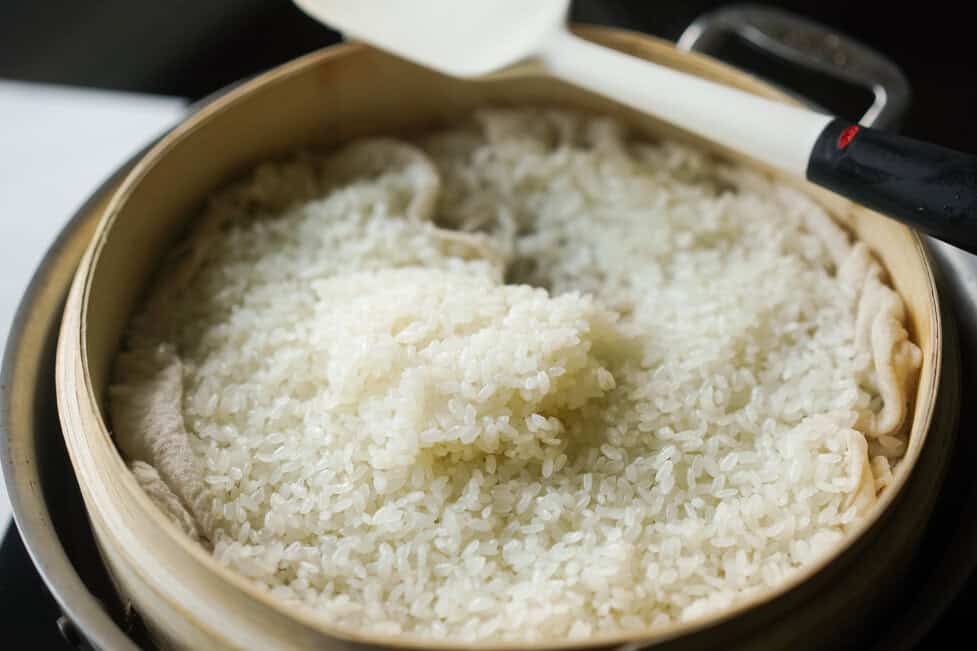
If your rice cooker has a steaming basket, try draining the soaked rice first and steaming it for 15-20 minutes instead of using the cook setting. This method enhances the chewy, sticky quality uniquely.
Do you notice your rice sometimes turns out too wet or dry? Adjust the water slightly in your next batch—add a tablespoon less if too wet, or a bit more if too dry.
Post-cooking Steps
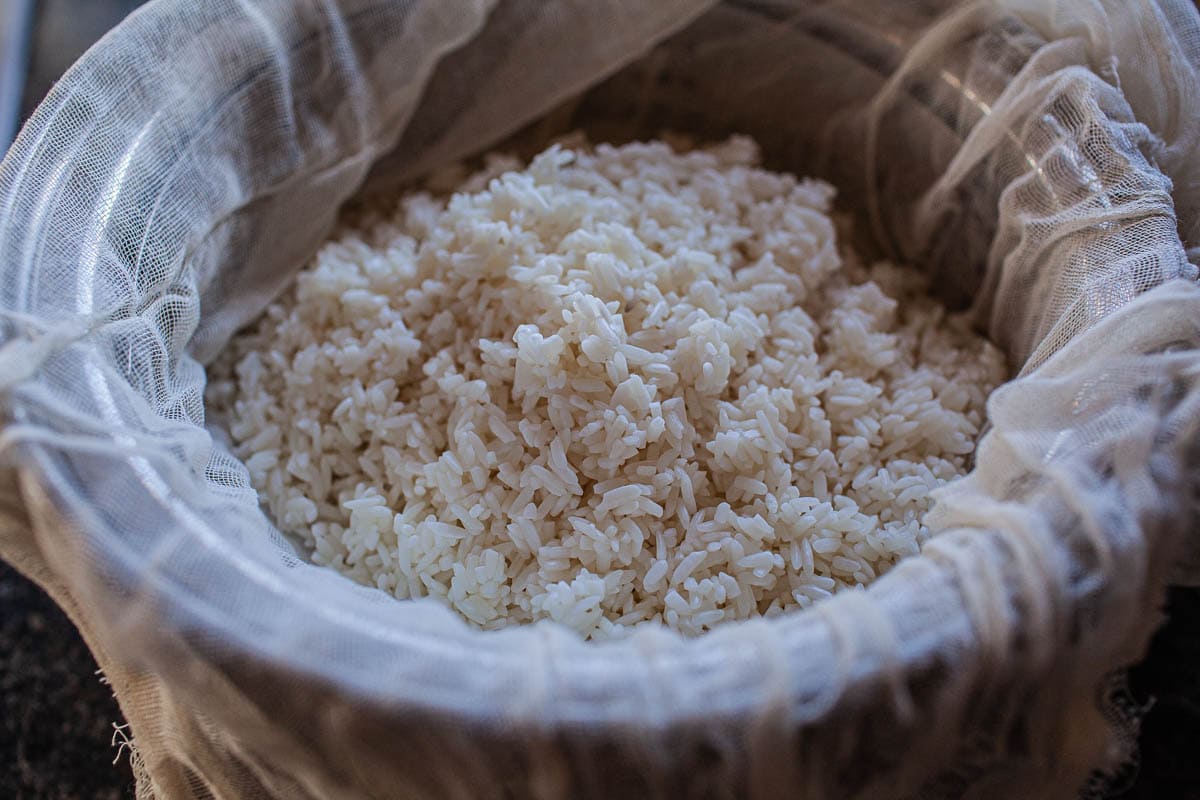
Fluff the sticky rice gently with a fork after cooking. Let it sit for a few minutes to enhance its texture. Serve the perfectly sticky rice while it's warm for the best taste experience.
After cooking sticky rice in a rice cooker, proper post-cooking steps are essential. These steps ensure the rice maintains its perfect texture and flavor. Let's explore how to fluff and keep your sticky rice warm.
Fluffing The Rice
Once the rice is cooked, let it sit for 5 minutes. This allows it to settle. Use a rice paddle or fork to gently fluff the rice. Move in a scooping motion to separate the grains. This process prevents clumping and maintains its sticky texture. Fluffing also helps release any excess moisture.
Keeping Rice Warm
If you need to keep the rice warm, use the rice cooker’s warm setting. This setting maintains the ideal temperature for serving. Ensure the lid is closed to keep the moisture in. For longer periods, stir occasionally. This prevents the bottom from drying out. If your rice cooker lacks a warm setting, transfer the rice to a thermal container.
Common Mistakes To Avoid
Making sticky rice in a rice cooker can be simple, but many people trip up on a few key steps. Avoiding common mistakes will help you get that perfect texture every time. Let’s look at some errors that might be holding your sticky rice back from greatness.
Over Or Under Watering
Water is critical for sticky rice. Too much water makes the rice mushy and overly soft, while too little leaves it dry and undercooked.
Try this: Use a 1:1 ratio of rice to water for most sticky rice varieties. If your rice cooker has a specific sticky rice setting, trust that measurement.
Have you ever ended up with clumps or hard bits? Adjusting your water amount slightly can fix that. Keep notes so you can replicate the perfect balance.
Skipping The Soak
Skipping the soak step is a common mistake that affects texture. Soaking sticky rice for at least 30 minutes before cooking softens the grains and helps them cook evenly.
I once rushed and skipped soaking, ending up with unevenly cooked rice. After soaking, the grains stick together nicely but still have that tender bite.
Think of soaking as a simple trick to make your rice cooker’s job easier. Give your rice the time it needs to absorb water before cooking.
Serving Suggestions
Sticky rice is incredibly versatile once cooked, and how you serve it can transform your entire meal experience. Whether you prefer classic dishes or want to experiment with new flavors, sticky rice holds its own as a perfect base or side. Let’s look at some delicious ways to enjoy it.
Traditional Pairings
Sticky rice is a staple in many Southeast Asian cuisines, often paired with savory and sweet dishes alike. In Thai meals, it’s common alongside grilled chicken (kai yang) or spicy papaya salad (som tam). The sticky texture helps soak up sauces and balances spicy flavors beautifully.
In Laos, sticky rice is almost a meal on its own, served with grilled meats or dipped into spicy chili paste. Ever tried mango sticky rice? This dessert combines sticky rice with ripe mango and coconut milk for a sweet, creamy treat. Have you thought about how simple ingredients can create such iconic dishes?
Creative Recipes
Sticky rice isn’t just for traditional dishes—you can get creative and make it part of your everyday meals. Try mixing it with vegetables and soy sauce for a quick fried rice that’s different from the usual long-grain version. Adding scrambled eggs and green onions takes it to the next level.
Another idea is to use sticky rice as a filling for stuffed peppers or wraps. Its sticky texture helps hold everything together, making it a great alternative to breadcrumbs or other fillers. What new recipes could you imagine with sticky rice as your base?
Credit: www.hungryhuy.com
Frequently Asked Questions
How Do You Prepare Sticky Rice For A Rice Cooker?
Rinse sticky rice thoroughly until water runs clear. Soak it for 4-6 hours. Drain well before cooking in the rice cooker.
What Water-to-rice Ratio Is Best For Sticky Rice?
Use a 1:1 ratio of water to sticky rice. This ensures the rice cooks evenly and remains sticky without becoming mushy.
Can I Cook Sticky Rice Without Soaking It First?
Soaking sticky rice is recommended for best texture. Without soaking, the rice may cook unevenly and be less sticky.
How Long Does Sticky Rice Take To Cook In A Rice Cooker?
Sticky rice usually takes 20-30 minutes to cook in a rice cooker. Cooking time depends on the rice cooker model and quantity.
Conclusion
Sticky rice cooks well in a rice cooker with simple steps. Rinse the rice until the water runs clear. Use the right water-to-rice ratio for best results. Let the rice sit after cooking to firm up. Fluff the rice gently before serving.
This method saves time and effort. Enjoy soft, sticky rice every time. Cooking sticky rice at home is easy and rewarding. Try it today for a tasty meal.