If you love the rich, creamy taste of coconut rice but think it’s hard to make, you’re about to discover how simple it can be. Imagine fluffy rice infused with the sweet aroma of coconut, all made effortlessly in your rice cooker.
You don’t need special skills or extra pots—just a few ingredients and your trusty rice cooker. Keep reading, and you’ll learn an easy way to create this delicious dish that will impress your family and friends every time. Ready to make your rice cooker your new secret kitchen helper?
Let’s dive in!

Credit: thealmondeater.com
Ingredients Needed
Gathering the right ingredients is key to making delicious coconut rice in your rice cooker. The combination of rice type, coconut milk, and additional flavorings can turn a simple dish into a memorable meal. Let’s break down what you need to create that perfect balance of creamy and fragrant rice.
Rice Selection
Choosing the right rice affects the texture and taste of your coconut rice. Jasmine rice is a popular choice because of its natural floral aroma and slightly sticky texture when cooked. If you prefer a fluffier result, long-grain white rice works well too.
Have you ever noticed how some rice grains stick together more than others? This happens because of the rice variety and starch content. Picking rice with moderate starch will help your coconut rice stay moist but not mushy.
Coconut Milk And Liquid Ratio
Coconut milk is the heart of this dish, providing creaminess and a subtle sweetness. Use full-fat coconut milk for the richest flavor. A good starting point is to replace about half of the water with coconut milk.
For example, if your rice cooker calls for 2 cups of liquid, use 1 cup of water and 1 cup of coconut milk. This ratio keeps the rice creamy without making it overly heavy. You can adjust slightly based on your rice cooker’s performance and your taste preferences.
Additional Flavorings
Adding simple extras can elevate your coconut rice from plain to extraordinary. Consider tossing in a pinch of salt to balance sweetness and a few slices of ginger or a smashed garlic clove for subtle depth. Some people like a little sugar to enhance the coconut’s natural sweetness.
Fresh herbs like cilantro or a squeeze of lime juice after cooking add brightness. Have you tried toasting some shredded coconut on top for a crunchy contrast? These small touches make a big difference and personalize your dish exactly how you like it.

Credit: eatthegains.com
Preparing The Rice
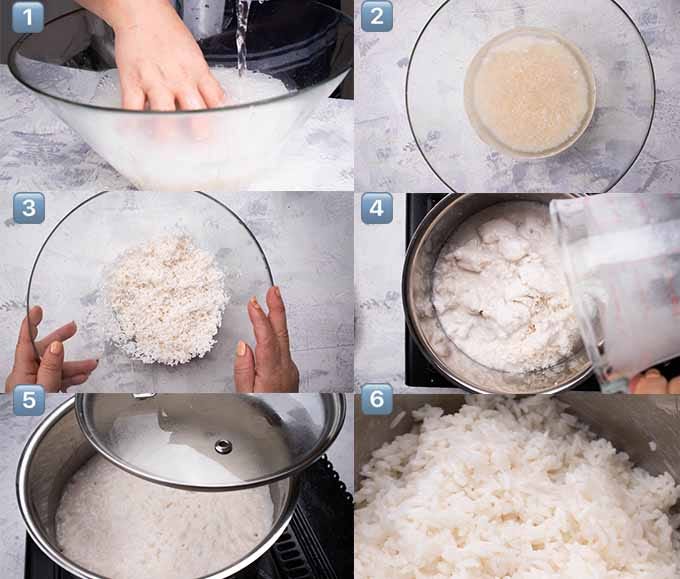
Preparing the rice is the first key step in making delicious coconut rice in a rice cooker. Proper preparation ensures the rice cooks evenly and absorbs the coconut flavor well. This step involves rinsing the rice to remove excess starch and soaking it to improve texture. Taking time here leads to fluffy, flavorful rice every time.
Rinsing The Rice
Rinse the rice under cold running water. Use a fine mesh strainer or bowl for this.
Gently stir the rice with your fingers while rinsing. This removes extra starch that makes rice sticky.
Rinse until the water runs mostly clear. Usually, this takes 2-3 rinses.
Drain the rice well after rinsing. Excess water can change cooking times.
Soaking Tips
Soak the rinsed rice in clean water for about 20-30 minutes. This helps grains absorb water evenly.
Use just enough water to cover the rice by about an inch.
Soaking shortens cooking time and results in softer, fluffier rice.
After soaking, drain the rice before placing it in the rice cooker.
Using The Rice Cooker
Using a rice cooker to make coconut rice simplifies the process. It helps cook the rice evenly and absorbs the coconut flavor well. The rice cooker also frees you from watching the pot and stirring constantly.
Follow simple steps to prepare delicious coconut rice with ease. The rice cooker handles the cooking, giving you perfect texture every time.
Measuring Ingredients
Start by measuring the rice accurately. Use a standard measuring cup for best results. Rinse the rice under cold water to remove excess starch. This prevents the rice from becoming sticky.
Measure the water and coconut milk carefully. The right ratio ensures fluffy rice with rich flavor.
Adding Coconut Milk
Pour the rinsed rice into the rice cooker pot. Add the coconut milk and water mixture next. Stir gently to combine the liquids with the rice. Avoid adding too much liquid to prevent mushy rice.
Include a pinch of salt to enhance the taste. You can also add a small piece of pandan leaf for extra aroma.
Setting The Cooker
Close the rice cooker lid securely. Select the normal or white rice cooking setting. Press the start button to begin cooking.
Let the rice cooker do its job without opening the lid. After cooking, allow the rice to rest for 5 to 10 minutes. Fluff the rice gently with a fork before serving.
Flavor Enhancements
Flavor enhancements bring coconut rice to life. They add depth and interest. Simple ingredients can transform plain rice into a tasty side dish. Small changes make a big difference in aroma and taste. Experimenting with spices, sweeteners, and herbs creates unique versions of coconut rice. Each choice highlights the natural coconut flavor in a special way.
Using Spices
Spices add warmth and complexity to coconut rice. Try cinnamon sticks or cardamom pods. These spices give a sweet, fragrant aroma. Cloves and star anise add a hint of earthiness. Lightly toast them before cooking for stronger flavor. Ground turmeric adds a mild, golden color and subtle taste. Use black pepper for a gentle heat. Spices blend well with the creamy coconut base.
Adding Sweeteners
A touch of sweetness balances coconut rice perfectly. Brown sugar or palm sugar works well. They add rich, caramel notes without overpowering. Honey or maple syrup can also sweeten the dish gently. Adjust sweetness to your taste. Sweeteners make coconut rice a great side for spicy dishes. They create a soft contrast that many enjoy.
Incorporating Herbs
Fresh herbs brighten coconut rice with fresh, green notes. Cilantro or fresh mint leaves add a burst of freshness. Thai basil or curry leaves bring a fragrant, exotic touch. Chop herbs finely and sprinkle on top after cooking. Herbs enhance the natural coconut flavor without masking it. They add color and a fresh finish to the dish.
Cooking Tips For Best Texture
Getting the perfect texture for coconut rice in your rice cooker can turn a simple dish into something truly special. The right balance of moisture and cooking technique makes all the difference. Let’s dive into some practical tips that will help you achieve fluffy, flavorful coconut rice every time.
Avoiding Sticky Rice
Sticky rice can be frustrating, especially when you want each grain to stand out. Rinsing your rice before cooking removes excess starch, which is a key step to prevent clumping. I usually rinse mine under cold water until it runs clear—this simple step really helps.
Also, avoid over-mixing the rice after cooking. Stirring too much breaks the grains and releases starch, leading to stickiness. Instead, fluff your rice gently with a fork to keep it light and separated.
Adjusting Liquid Amounts
Coconut milk adds richness but also extra moisture. Too much liquid can make the rice mushy, while too little leaves it dry. I’ve found that using a 1:1 ratio of rice to coconut milk works well, but depending on your rice cooker and the type of rice, you might need to tweak it slightly.
Try reducing the coconut milk by a few tablespoons or balancing it with water if you notice soggy rice. Keep notes on your adjustments so you can perfect the amount for your specific cooker and taste preferences.
Serving Suggestions
Coconut rice is a delightful dish that pairs well with many meals. Its subtle sweetness and creamy texture enhance various flavors. To elevate your dining experience, explore creative ways to serve this dish.
Pairing With Main Dishes
Coconut rice complements a wide range of main dishes. Try it with grilled chicken or fish for a tropical twist. It also pairs beautifully with spicy curries, balancing their heat. For a vegetarian option, serve with stir-fried vegetables or tofu. This rice can also be a perfect side for barbecued meats, adding a touch of elegance to casual meals.
Garnishing Ideas
Garnishing coconut rice enhances its visual appeal and taste. Add chopped cilantro or mint for a fresh touch. Sprinkle toasted sesame seeds for a nutty flavor. Sliced green onions provide a gentle crunch. For a sweet kick, include a handful of raisins or cashews. You can also top with shredded coconut for extra richness.
Storing And Reheating
Storing and reheating coconut rice correctly can make a huge difference in keeping its flavor fresh and texture just right. If you’ve ever reheated rice only to find it dry or mushy, you know how disappointing it can be. Let’s look at practical tips to keep your coconut rice delicious even after storing.
Proper Storage Methods
After cooking, let the coconut rice cool down to room temperature before storing it. Placing hot rice directly in the fridge can cause condensation and sogginess.
Use an airtight container to prevent moisture loss and protect the rice from absorbing other odors in your fridge. Glass or BPA-free plastic containers work well.
- Store the rice in the fridge if you plan to eat it within 3-4 days.
- For longer storage, freeze the rice in portioned freezer bags or containers.
Have you noticed how rice sometimes hardens in the fridge? Proper airtight storage helps avoid that hard texture by keeping moisture balanced.
Reheating Techniques
Reheating coconut rice can be tricky, but a few simple steps can revive its creamy texture. Adding a splash of water or coconut milk before reheating helps restore moisture.
You can reheat rice in a microwave, on the stove, or in a rice cooker:
| Method | How to Do It | Tips |
|---|---|---|
| Microwave | Place rice in a microwave-safe bowl, add 1-2 tablespoons of water or coconut milk, cover loosely. | Heat in 1-minute intervals, stirring in between to ensure even warmth. |
| Stovetop | Put rice in a pan with a little water or coconut milk, cover, and warm on low heat. | Stir occasionally to avoid sticking or burning. |
| Rice Cooker | Use the “warm” setting with a bit of added liquid to re-steam the rice. | Check after 10-15 minutes for even heating. |
Have you tried adding coconut milk when reheating? It intensifies the coconut flavor and keeps the rice soft. Experiment with these methods to find what works best for your taste and kitchen setup.
Credit: joyful-dumplings.medium.com
Frequently Asked Questions
How Much Coconut Milk Is Needed For Coconut Rice?
Use one cup of coconut milk for every two cups of rice. Adjust water accordingly to maintain the proper cooking liquid ratio. This keeps the rice creamy and flavorful without being too wet or dry.
Can I Use Canned Coconut Milk In A Rice Cooker?
Yes, canned coconut milk works perfectly in a rice cooker. It adds rich flavor and creaminess to the rice. Shake the can well before measuring for even consistency.
What Type Of Rice Is Best For Coconut Rice?
Long-grain white rice or jasmine rice is ideal for coconut rice. These types absorb coconut milk well and stay fluffy. Avoid sticky rice for better texture.
How Long Does Coconut Rice Take To Cook In A Rice Cooker?
Coconut rice usually takes 20 to 30 minutes to cook in a rice cooker. Cooking time varies by rice type and cooker model. Wait until the cooker switches to “warm” mode.
Conclusion
Coconut rice in a rice cooker tastes great and cooks easily. You only need a few simple ingredients and steps. The rice cooker makes the process quick and hands-free. This method saves time and keeps the rice fluffy. Serve it with your favorite dishes for a tasty meal.
Try this recipe to enjoy a delicious, fragrant side dish today. Simple, fast, and full of flavor. Who doesn’t like that?