Have you ever wondered if your gas stove might be leaking without you realizing it? A gas leak can be dangerous, and knowing the signs early can protect you and your loved ones.
You might think it’s just a faint smell or a small hissing sound, but these could be clear warnings. You’ll learn how to spot the hidden clues of a gas leak and what steps to take if you suspect one.
Keep reading to make sure your home stays safe and secure.
Common Signs Of A Gas Leak
Gas leaks can be dangerous and need quick attention. Knowing the common signs helps keep your home safe. These signs often appear before serious problems happen.
Watch closely for unusual changes around your gas stove. Small clues can mean a leak is present. Identifying these signs early can prevent accidents and health issues.
Smell Of Rotten Eggs
Natural gas has no smell. A special scent, like rotten eggs, is added for safety. This smell is the easiest sign of a gas leak. If you notice this odor, do not ignore it.
Hissing Sound Near Stove
A soft hissing or whistling noise near the stove can mean gas is escaping. This sound might be faint but steady. Listen carefully when the stove is off or not in use.
Unusual Flame Color
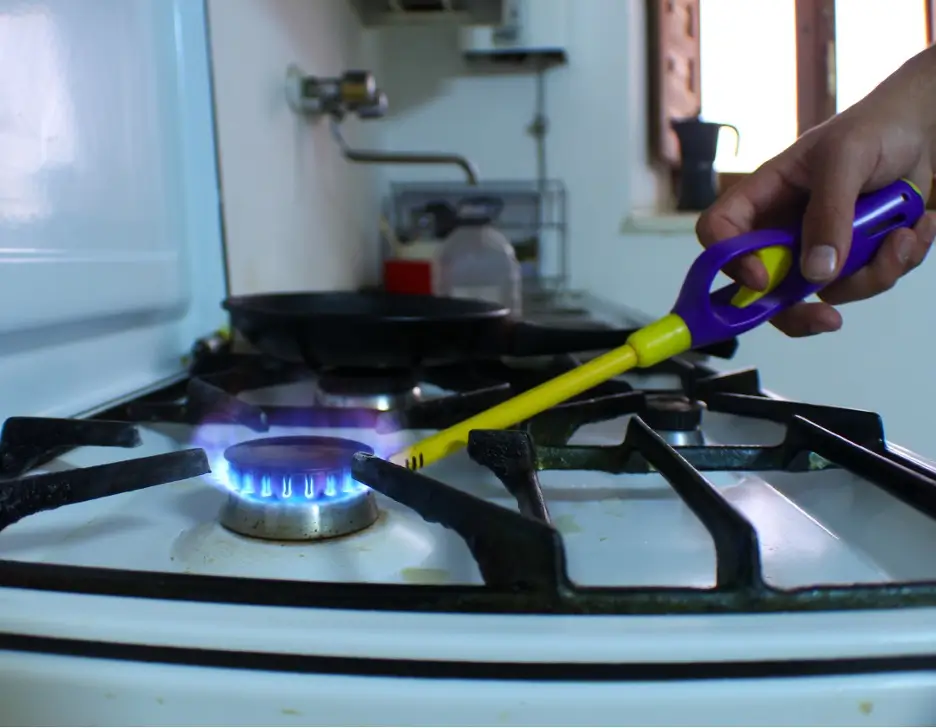
The stove flame should be blue and steady. A yellow or orange flame often shows a gas problem. Flickering or irregular flames also signal a possible leak.
Dead Or Dying Plants Nearby
Plants close to a leaking gas stove may suddenly die or look weak. Gas can harm plant roots and soil health. This sign often goes unnoticed but is important to check.

Credit: luckyplumbingandrooter.com
Physical Symptoms To Notice
Noticing physical symptoms is often the first sign that your gas stove might be leaking. These symptoms can appear subtly and worsen over time, making it crucial to pay attention to how you feel when near your stove. Understanding these signs can help you act quickly before the situation becomes dangerous.
Headaches And Dizziness
If you find yourself getting frequent headaches or feeling dizzy while cooking or shortly after, it could be a warning sign. Gas leaks release carbon monoxide, which can reduce oxygen levels in your blood, causing these symptoms. Have you ever felt lightheaded in your kitchen without a clear reason?
Try to observe if these feelings lessen when you leave the kitchen or open windows. Consistent headaches tied to your cooking area deserve immediate attention.
Nausea And Fatigue
Feeling unusually tired or nauseous without other illnesses might indicate a gas leak. Carbon monoxide exposure can make your body feel weak and queasy, even if you’re doing nothing strenuous. Pay attention if these symptoms appear after spending time near your stove.
Do you notice your energy dropping or your stomach turning while cooking? These signs should prompt you to check your gas connections and ventilation.
Eye And Throat Irritation
Burning or itchy eyes and a sore throat can result from exposure to leaking gas. This irritation happens because the gases released can inflame your mucous membranes. If your eyes water or your throat feels scratchy when you’re near your stove, don't ignore it.
Have you ever experienced this discomfort in your kitchen but not elsewhere? Such symptoms are a clear signal to investigate your stove’s safety immediately.
How To Perform A Simple Leak Test
Performing a simple leak test on your gas stove helps ensure safety. Small leaks can be dangerous and hard to detect. Regular checks keep your home safe and prevent gas waste. The test requires minimal tools and can be done quickly. Follow these easy steps to find any leaks around your stove.
Using Soapy Water
Mix water with a few drops of dish soap in a spray bottle or bowl. Apply the soapy water to the gas connections and joints. Watch closely for bubbles forming on the surface. Bubbles mean gas is escaping from the connection. If you see bubbles, do not use the stove. Turn off the gas supply and call a professional for repairs.
Checking Connections And Valves
Turn off all stove knobs and the main gas valve before starting. Inspect all visible connections and valves for cracks or damage. Gently tighten any loose fittings with a wrench, but avoid overtightening. Smell around the connections for a rotten egg or sulfur odor. This smell indicates a gas leak. If you detect a leak, open windows and doors for ventilation. Contact a gas technician immediately to fix the problem.
Steps To Take If You Suspect A Leak
Detect a gas leak by smelling a strong, rotten egg odor near the stove. Listen for hissing sounds and check for dead plants or bubbles in soapy water on connections. Turn off the stove immediately and ventilate the area for safety.
Suspecting a gas leak in your home can be a frightening experience. Your safety and the safety of your loved ones is paramount. Knowing exactly what steps to take can help you manage the situation effectively and with confidence. Let's explore the essential actions you should take if you suspect a gas leak in your home.
Shutting Off The Gas
Your first priority should be to shut off the gas supply. Locate your gas meter, which is often outside the house or in the basement. Turn the valve a quarter turn to the right until it’s perpendicular to the pipe. This simple action can stop the flow of gas immediately and prevent potential hazards.
Ventilating The Area
After shutting off the gas, open all windows and doors to ventilate the area. Fresh air will help dissipate any lingering gas, reducing the risk of ignition. Avoid using any electrical switches, as a spark could trigger a fire. Have you ever considered how fresh air can be your ally in such situations?
Calling A Professional
Once the immediate danger is mitigated, contact a professional to inspect your home. A qualified technician will ensure that everything is safe and operational before you resume using your gas appliances. This step is crucial to prevent future leaks. Remember, peace of mind is invaluable, and a professional's expertise provides that reassurance.
Preventive Measures For Gas Safety
Preventive measures are vital to keep your home safe from gas leaks. Taking simple steps can reduce risks and protect your family. Safety starts with regular checks and smart habits.
Regular Stove Maintenance
Check your gas stove often for cracks or loose parts. Clean burners and valves to ensure proper function. Call a professional for yearly inspections. Replace old or damaged parts without delay. Proper maintenance helps spot leaks early.
Installing Gas Detectors
Install gas detectors near your kitchen and gas appliances. These devices sense gas leaks quickly and alert you. Choose detectors that work with your gas type. Test detectors monthly and change batteries regularly. They add an important layer of safety.
Safe Usage Practices
Always turn off the stove after use. Avoid leaving gas on without a flame. Keep the kitchen ventilated while cooking. Never block vents or air openings. Teach family members how to spot and report gas smells. Safe habits prevent dangerous leaks.

Credit: 92three30.com

Credit: luckyplumbingandrooter.com
Frequently Asked Questions
How Can I Detect A Gas Stove Leak Safely?
You can detect a gas leak by smelling a rotten egg odor near your stove. Also, listen for hissing sounds or check for bubbles using soapy water on connections. If unsure, use a gas detector or call a professional for inspection immediately.
What Are Common Signs Of A Gas Stove Leak?
Common signs include a strong sulfur or rotten egg smell, hissing noises, dead plants nearby, or unexplained headaches and dizziness. If you notice any, turn off the gas supply and ventilate the area immediately for safety.
Is It Dangerous To Ignore A Gas Stove Leak?
Yes, ignoring a gas leak is very dangerous. It can cause explosions, fires, or serious health issues like poisoning. Always address leaks promptly by turning off the gas and contacting a qualified technician for repair.
Can I Fix A Gas Stove Leak Myself?
It is not recommended to fix a gas stove leak yourself unless you are qualified. Gas leaks require professional handling to ensure safety and proper repair. Call a certified technician to inspect and fix the leak promptly.
Conclusion
A gas stove leak can be very dangerous. Watch for unusual smells or sounds near your stove. Test with soapy water on connections to spot bubbles. Always act quickly if you suspect a leak. Keep your home safe by checking your stove often.
Call a professional to fix any problems right away. Don’t ignore signs of a leak. Your safety matters most. Stay alert and protect your family from gas hazards.