Is your refrigerator not cooling like it used to? You might be wondering if the compressor is the problem.
Knowing if your refrigerator compressor is bad can save you from costly repairs or a full replacement. But how can you tell if the compressor is failing? You’ll discover simple signs and easy steps to check your compressor’s health. By the end, you’ll know exactly what to do to keep your fridge running smoothly.
Keep reading—your food and your wallet will thank you!
Common Compressor Issues
Identifying common issues with your refrigerator compressor can save you from costly repairs and unexpected food spoilage. Your compressor is the heart of your fridge, pushing refrigerant through the system to keep things cool. When it starts to fail, you’ll notice certain telltale signs that shouldn’t be ignored.
Unusual Noises
If your refrigerator begins to produce strange sounds like clicking, buzzing, or grinding, your compressor might be struggling. These noises often mean the compressor motor is working harder than it should or the internal components are wearing out. Have you ever heard a persistent humming that suddenly turns into a rattling? That’s a clear red flag that your compressor may need attention.
Overheating Symptoms
Is the back of your fridge unusually hot to the touch? Overheating is a common symptom of a failing compressor. When the compressor gets too hot, it may shut off frequently to cool down, which affects your fridge’s performance. Feel the compressor area; if it’s hotter than usual, it’s time to investigate further.
Frequent Cycling
Does your refrigerator turn on and off more often than before? Frequent cycling can signal compressor problems or issues with the thermostat. This constant switching strains the compressor, leading to early failure. Pay attention to how often your fridge cycles—if it’s more than usual, your compressor could be under stress.

Credit: centralminnesotaappliancerepair.com
Cooling Problems
Cooling problems often signal a bad refrigerator compressor. The compressor helps keep your fridge cold. If it fails, the cooling system struggles. This leads to several common issues inside the fridge. Recognizing these signs early can prevent food spoilage and costly repairs.
Inconsistent Temperature
The fridge temperature may change frequently. Sometimes it feels cold, other times warm. This happens because the compressor cannot maintain steady cooling. Food may spoil faster due to these temperature swings. Check the thermostat, but persistent inconsistency often points to compressor trouble.
Warm Refrigerator Interior
The fridge interior stays warm or only slightly cool. This is a clear sign the compressor is weak or broken. The compressor pumps refrigerant to cool the fridge. Without proper function, the fridge cannot reach safe temperatures. Warm food and drinks inside mean the compressor needs attention.
Ice Build-up
Ice or frost may form inside the freezer or fridge. This happens if the compressor does not run properly. Poor cooling can cause excess moisture to freeze. Ice build-up blocks air vents, making cooling worse. Defrosting often will not help if the compressor is faulty.
Electrical Signs
Electrical signs often provide the earliest clues that your refrigerator compressor might be failing. Paying close attention to these signals can save you from unexpected breakdowns and costly repairs. Have you noticed any unusual electrical behavior around your fridge lately? These signs are worth investigating immediately.
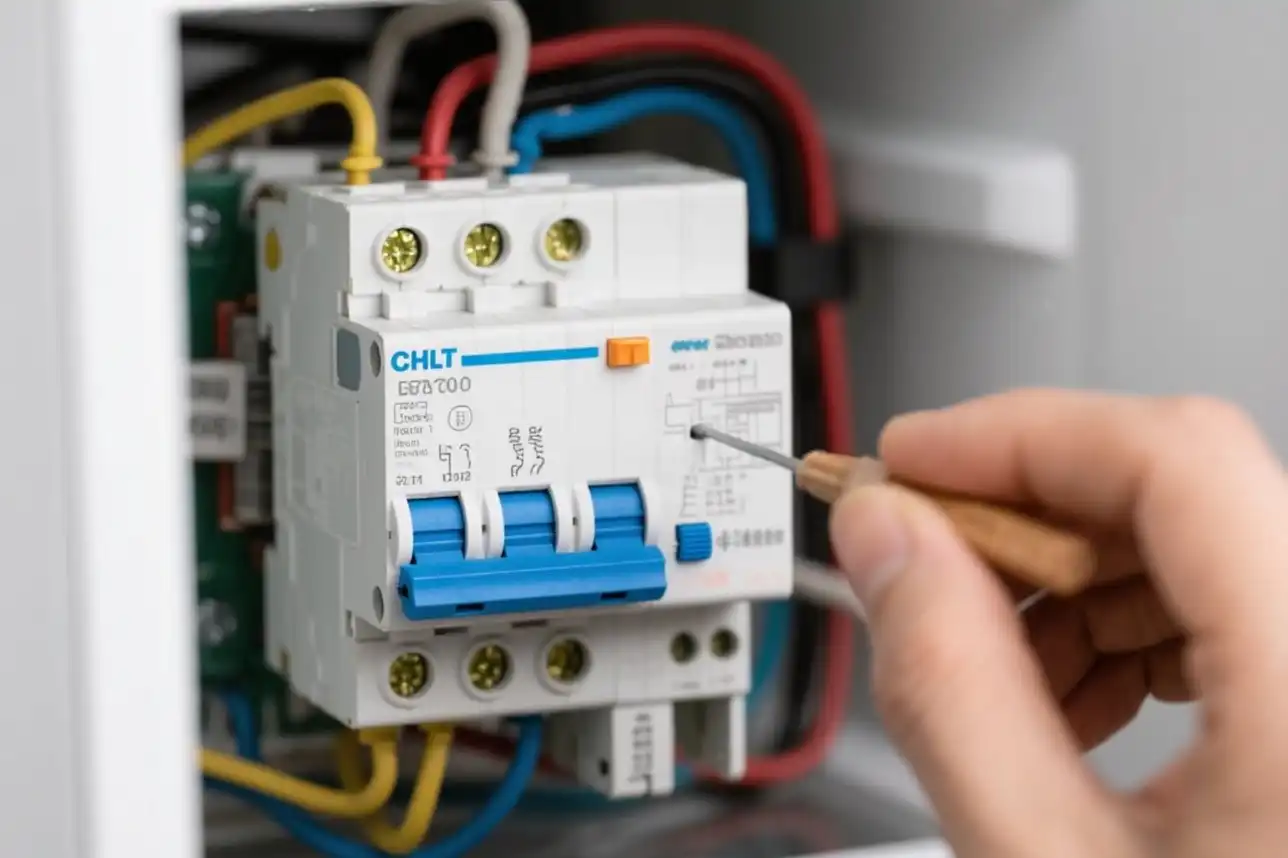
Tripped Circuit Breaker
If your refrigerator keeps tripping the circuit breaker, it could indicate a problem with the compressor. The compressor draws a lot of power, and if it’s malfunctioning, it might cause electrical overloads. Check if the breaker trips only when the fridge is running—this pattern often points to compressor issues.
Burning Smell
A burning smell near your refrigerator is a red flag you shouldn’t ignore. This odor often comes from overheating electrical components or burnt wiring inside the compressor. If you detect this smell, unplug the fridge immediately and inspect the compressor area or call a professional to prevent potential fire hazards.
Compressor Not Starting
One of the most obvious electrical signs of a bad compressor is when it fails to start at all. You might hear a clicking noise, or the fridge might just be silent. This can happen due to electrical failures inside the compressor motor or the start relay, and it means the compressor isn’t able to kick in to cool your fridge.
Testing The Compressor
A faulty refrigerator compressor often causes the fridge to stop cooling properly. Listen for unusual noises or check if the compressor feels hot to the touch. Testing with a multimeter can also reveal electrical issues inside the compressor.
Testing a refrigerator compressor can seem daunting. Yet, with the right tools and steps, it becomes manageable. The compressor is the heart of your refrigerator. It helps maintain the cool temperature by circulating refrigerant. Identifying issues early can prevent costly repairs. Below are effective ways to test your compressor.
Using A Multimeter
A multimeter is a handy tool for testing electrical components. To test the compressor, first unplug the refrigerator. This ensures safety. Next, locate the compressor terminals. These are usually under a cover on the side of the compressor. Set your multimeter to the ohms setting. Check the resistance between the terminals. Each pair should show a small resistance. No reading or infinite resistance indicates a problem. This could mean a bad compressor.
Checking Relay And Capacitor
The relay and capacitor help start the compressor. A faulty relay or capacitor can mimic compressor failure. To check, unplug the refrigerator. Remove the relay and capacitor from the compressor. Shake the relay gently. A rattling sound means it's defective. Test the capacitor with a multimeter. Set to capacitance mode. Compare readings with the manufacturer's specifications. Discrepancies suggest a replacement is needed.
Professional Diagnosis
Sometimes a professional evaluation is best. Technicians have the right tools and expertise. They can accurately diagnose and fix the issue. They also ensure safety during repairs. Seek professional help if you're unsure. This can prevent further damage to your appliance.
Preventive Measures
Preventive measures help keep your refrigerator’s compressor in good shape. These simple steps reduce the risk of damage and extend the appliance’s life. Taking care of the compressor means fewer repairs and better cooling.
Regular Maintenance
Clean the coils often to avoid dust buildup. Dust makes the compressor work harder and wear out faster. Check for leaks and listen for unusual noises. Fix small problems early to stop bigger damage.
Proper Ventilation
Leave space around the fridge for air to flow. Good ventilation stops the compressor from overheating. Keep the back and sides clear of walls and objects. Heat buildup can cause the compressor to fail.
Avoid Overloading
Do not pack the fridge too full. Overloading blocks air circulation inside. This forces the compressor to run longer and strain. Organize food properly to keep air moving freely.

Credit: okmarts.com

Credit: vancouverapplianceservice.ca
Frequently Asked Questions
How Can I Tell If My Refrigerator Compressor Is Failing?
A failing compressor often causes the fridge to stop cooling properly. Listen for loud noises or continuous running. Warm interior temperatures and frequent cycling are also signs of compressor trouble.
What Are The Common Symptoms Of A Bad Compressor?
Common symptoms include loud humming or clicking noises, the fridge not cooling, and excessive heat from the back. You may also notice the compressor frequently turning on and off.
Can A Refrigerator Compressor Be Tested At Home?
Yes, you can test the compressor by checking if it starts and runs smoothly. Use a multimeter to measure electrical continuity, but professional help is recommended for accurate diagnosis.
How Long Does A Refrigerator Compressor Usually Last?
A refrigerator compressor typically lasts 10 to 20 years. Proper maintenance can extend its life, but frequent issues often indicate it’s time for replacement.
Conclusion
A bad refrigerator compressor shows clear signs you can spot. Strange noises, warm fridge, or frequent running are common clues. Acting fast helps avoid food spoilage and costly repairs. Regular checks keep your fridge running smoothly. Trust your senses and take action when needed.
Keeping your compressor healthy saves money and stress. Small problems often signal bigger issues ahead. Stay alert, and don’t ignore unusual fridge behavior. Your food and wallet will thank you.