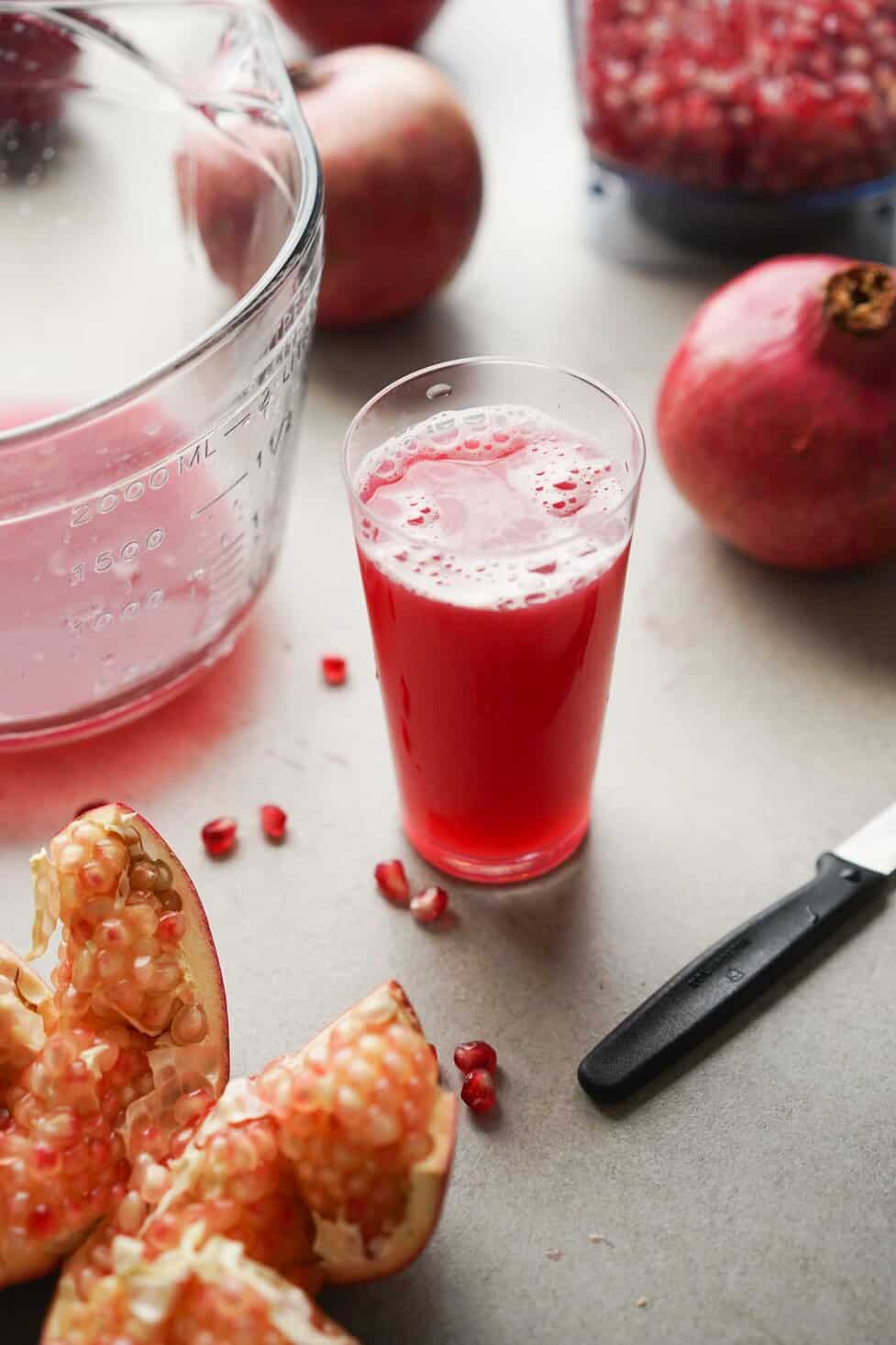
Are you ready to enjoy fresh, vibrant pomegranate juice right at home? Juicing a pomegranate in a juicer might seem tricky, but with the right steps, you can unlock its rich flavor and health benefits quickly and easily.
Imagine starting your day with a glass of pure, antioxidant-packed juice made by you. Keep reading, and you’ll discover simple tips that make the process smooth, mess-free, and rewarding every time. Your perfect pomegranate juice is just a few steps away!
Choosing The Right Pomegranate
Choosing the right pomegranate plays a key role in making fresh juice. The fruit must have the best taste and juice content. Picking a good pomegranate ensures a sweet and rich juice experience. Focus on qualities that show freshness and ripeness.
Look For Ripeness And Quality
Check the skin color for deep red or bright crimson shades. Avoid fruits with green patches or dull skin. The surface should be smooth, firm, and free from cracks or bruises. A ripe pomegranate feels heavy for its size. It has a slight shine that shows freshness.
Select The Best Size And Weight
Choose pomegranates that are medium to large in size. Heavier fruits usually have more juice inside. Hold the fruit in your hand to feel its weight. A light pomegranate may be dry or less juicy. Size and weight together help you pick the best fruit for juicing.
Credit: www.hungryhuy.com
Preparing The Pomegranate
Preparing a pomegranate properly makes juicing easier and cleaner. The outer skin is tough and thick, so handling the fruit right helps extract more juice. Clean preparation prevents seeds from breaking and juice from spilling.
Wash The Fruit Thoroughly
Rinse the pomegranate under cold water. Use your hands to rub the skin gently. This removes dirt and residues. Dry it with a clean towel. Clean fruit ensures no dust or bacteria get into the juice.
Cutting Techniques For Easy Access
Start by slicing off the crown, the top part of the pomegranate. Score the skin from top to bottom in several places. Avoid cutting too deep to keep seeds intact. Pull apart the fruit along the scored lines. This exposes the seed clusters and makes juicing simpler.
Extracting Seeds Safely
Extracting pomegranate seeds, or arils, safely is key to making your juicing process smooth and mess-free. These tiny jewels hold the juice you want, but they can be tricky to remove without squirting juice everywhere or staining your clothes and countertops. Handling them carefully ensures you get all the juice without wasting any or creating a sticky situation.
Methods To Remove Arils
There are several ways to get the arils out quickly and safely. One popular method is to score the pomegranate skin lightly and then break it open with your hands. This prevents cutting too deep and damaging the seeds.
You can also submerge the fruit halves in a bowl of water. Gently pry the seeds out underwater—the seeds sink, and the white pith floats, making separation easier. This method keeps juice splatters to a minimum and reduces mess.
Another tip is to tap the back of the pomegranate half with a wooden spoon. This helps loosen the seeds without crushing them. It’s a less messy way that keeps your kitchen clean and your fingers stain-free.
Avoiding Stains And Mess
Pomegranate juice stains are tough to remove, so prevention is better than cure. Wearing an apron and using gloves can save your clothes and hands. If you don’t have gloves, rubbing a little cooking oil on your hands before starting can help repel the juice.
Cover your work surface with paper towels or an old cloth to catch any drips. Working near a sink or in a tiled area makes cleanup faster. Consider using a bowl with high sides to contain the juice when removing the seeds.
Ever wonder why your white shirt ends up with red splotches after juicing? It’s usually from squeezing the fruit too hard. Try to handle the pomegranate gently and avoid pressing the seeds to prevent juice from squirting out.
Using The Juicer
Using a juicer to extract juice from a pomegranate can be a rewarding experience, giving you fresh, vibrant juice without the mess of manual squeezing. However, the process depends greatly on the type of juicer you choose and how you prepare it. Understanding these details can save you time and enhance the quality of your juice.
Choosing The Right Juicer Type
Not all juicers handle pomegranates equally. Centrifugal juicers are fast but can struggle with the tough seeds and may produce foam. Masticating juicers, on the other hand, crush the seeds slowly, extracting more juice and nutrients with less oxidation.
Think about what matters most to you: speed or quality. If you prefer a quick juice and don’t mind a bit of pulp, a centrifugal juicer works. But if you want richer, smoother juice with minimal waste, a masticating juicer is your best bet.
Setting Up Your Juicer For Pomegranate
Before you start juicing, make sure your juicer is clean and fully assembled to avoid any interruptions. Remove the pomegranate seeds carefully to prevent bitter pith from mixing in. Rinse the seeds briefly to clear away any residue that could affect flavor.
Place a bowl or container under the juicer to catch the juice. If your juicer has different speed settings, select a lower speed to reduce heat build-up, which can destroy delicate nutrients. Have a spoon or spatula ready to push seeds gently if they get stuck but avoid forcing them too hard.
Juicing Process
Juicing a pomegranate is simple with a juicer. Fresh pomegranate juice is delicious. The juicing process requires a few steps.
Feeding Seeds Into The Juicer
First, gather the pomegranate seeds. Separate them from the peel and pith. This ensures the juice is pure and sweet. Use a bowl to collect all seeds.
Next, turn on your juicer. Slowly feed the seeds into the chute. Use the tamper, if needed, to push seeds gently. Avoid overloading the juicer to prevent clogging.
Adjusting Speed And Settings
Many juicers come with speed settings. For pomegranates, a low speed is best. It extracts juice gently, preserving nutrients.
Check your juicer's manual for settings. Some have a "soft fruit" mode. This mode works well for pomegranates. Adjust settings for optimal juice yield.
Once done, pour the fresh juice into a glass. Enjoy the sweet and tangy taste!

Credit: m.youtube.com
Collecting And Storing Juice
After juicing your pomegranate in a juicer, the next important step is collecting and storing the juice properly. How you handle the juice can affect its flavor, texture, and shelf life. Taking a little extra care here ensures every drop stays fresh and delicious for your enjoyment.
Straining For Smoothness
Even though a juicer does a great job, pomegranate juice often contains tiny bits of pulp and seeds. Straining the juice through a fine mesh sieve or cheesecloth helps you get a smooth, clear drink. This makes it more enjoyable, especially if you prefer a pulp-free juice.
If you like a bit of texture, try straining only half the juice. This way, you keep some pulp for added fiber while avoiding an overly gritty feel. Have you noticed how smoother juice tends to blend better in smoothies or cocktails?
Best Practices For Storage
Fresh pomegranate juice is best enjoyed quickly, but if you want to save some, proper storage is key. Use an airtight glass container to keep the juice vibrant and fresh. Plastic containers can absorb odors and flavors, which might change the taste.
Store your juice in the refrigerator and try to consume it within 48 hours. Pomegranate juice can start losing its bright color and antioxidants after a couple of days. If you want to keep it longer, freezing in ice cube trays is a smart option — just thaw and stir before drinking.
Tips For Maximum Juice Yield
Getting the most juice from a pomegranate requires some smart techniques. These tips help squeeze out every drop of juice using your juicer. Follow simple steps to improve yield and enjoy a fresh, tasty drink.
Avoiding Common Mistakes
- Do not overfill the juicer to prevent clogging.
- Remove white pith as it makes juice bitter.
- Cut pomegranate into small sections for easier juicing.
- Use a slow-speed juicer to protect the seeds.
- Clean the juicer parts immediately after use to avoid residue buildup.
Enhancing Flavor And Freshness
- Use ripe pomegranates for sweeter juice.
- Chill the fruit before juicing for a refreshing taste.
- Mix juice with a splash of lemon to brighten the flavor.
- Store juice in an airtight container to keep it fresh longer.
- Drink juice soon after juicing to enjoy maximum nutrients.

Credit: www.youtube.com
Frequently Asked Questions
How Do You Prepare A Pomegranate For Juicing?
To prepare, cut the pomegranate in half. Remove seeds carefully to avoid bitterness. Rinse seeds to remove any residue before juicing.
Can You Juice A Whole Pomegranate With Seeds?
Yes, juicing whole seeds is possible. However, remove hard seed cores to avoid bitterness and damage to the juicer.
What Type Of Juicer Is Best For Pomegranates?
A masticating juicer works best. It gently extracts juice without damaging seeds or losing nutrients.
How Do You Avoid Pomegranate Juice Stains?
Work over a bowl or sink. Use gloves and clean spills immediately to prevent stains on clothes and surfaces.
Conclusion
Juicing a pomegranate with a juicer is simple and quick. Just prepare the fruit, feed it into the juicer, and collect the fresh juice. This method saves time and keeps the juice pure and tasty. Enjoy the natural sweetness and health benefits without much effort.
Try it at home to add fresh pomegranate juice to your daily routine. Fresh juice tastes better and gives you more vitamins than store-bought options. Now you know how to get delicious pomegranate juice easily. Give it a try and enjoy!