Your glass cooktop can look stunning when it’s clean, but stubborn stains and burnt marks often steal that shine. You might feel frustrated trying to scrub them away without scratching the surface or making things worse.
What if you could quickly and safely remove those tough stains using simple tricks and everyday items? In this guide, you’ll discover easy, effective ways to get your glass cooktop sparkling again—so you can enjoy cooking without worrying about the mess.
Keep reading, and say goodbye to those stubborn stains for good!
Common Stains On Glass Cooktops
Glass cooktops bring a sleek and modern look to any kitchen, but they require special care to keep them spotless. Understanding the common stains that appear on your glass cooktop helps you tackle them effectively. These stains often come from everyday cooking mishaps and can be stubborn if left unattended.
Burnt-on Food Residue
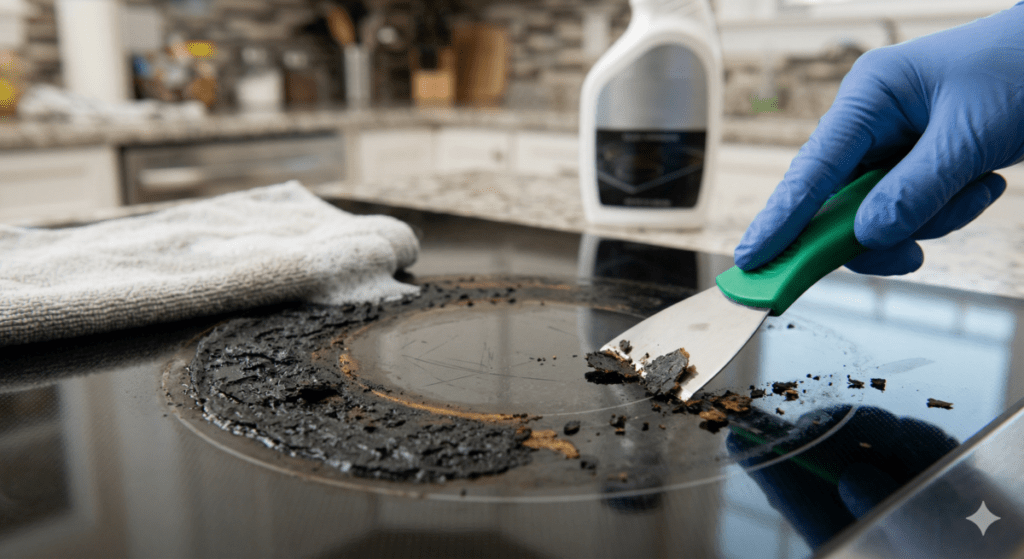
Burnt-on food is one of the most frequent stains you’ll encounter. It happens when spills or crumbs cook onto the surface at high heat. If you wait too long, these residues harden and become tougher to remove.
Have you ever tried scrubbing a burnt spot only to scratch the glass? The trick is to soften the residue first by using warm water and a gentle cleaner. Then, carefully scrape with a scraper designed for glass cooktops to avoid damage. When it comes to preserving your favorite dishes, understanding ceramic mug repair techniques can be incredibly useful. These methods can help restore the appearance and functionality of your cherished mugs, ensuring they remain in good condition for years to come. By employing the right approaches, you can easily fix chips and cracks, giving your ceramics a new life.
Water Spots And Mineral Deposits
Water spots and mineral deposits show up as cloudy rings or white spots after water evaporates. If you live in an area with hard water, these deposits can become quite noticeable. They usually form when you wipe the surface without drying it properly.
Using a vinegar solution can dissolve these mineral deposits quickly. Just spray, let it sit for a few minutes, and wipe clean with a soft cloth. Have you noticed how drying your cooktop after every cleaning reduces these spots dramatically?
Grease And Oil Stains
Grease and oil stains come from frying and sautéing, leaving a slick, sticky film on your glass cooktop. These stains can attract dust and dirt, making your cooktop look dull. They also affect the performance of your burner sensors if not cleaned regularly.
To remove grease effectively, warm water mixed with dish soap works wonders. You might need to repeat the process a couple of times for heavy buildup. Why not wipe down your cooktop after each cooking session to stop grease from settling in?
Essential Tools And Materials
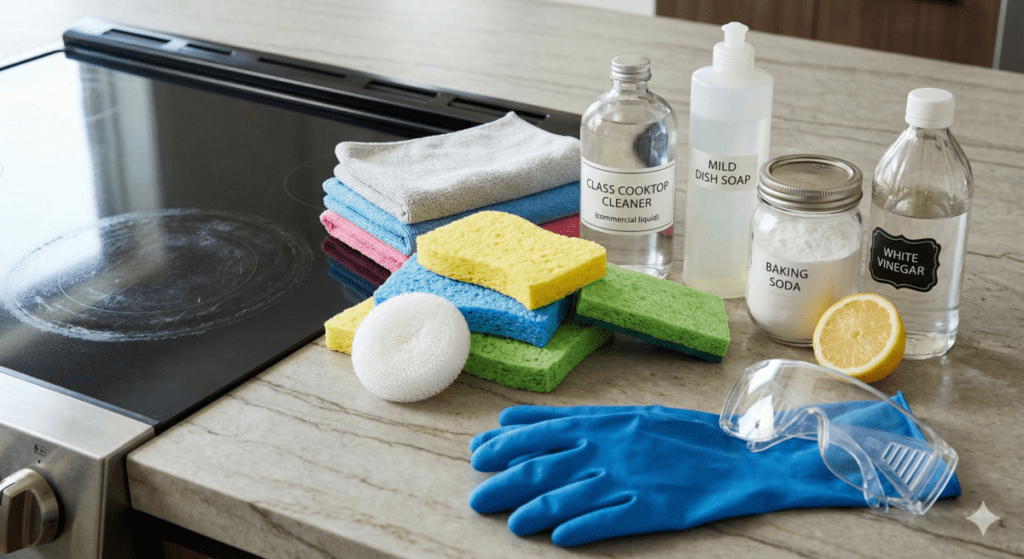
Cleaning stains off a glass cooktop requires the right tools and materials. Using soft scrubbers prevents scratches on the surface. Effective cleaning solutions help break down tough stains. Protective gear keeps your hands safe during the process. Preparing these essentials ensures a smoother, safer cleaning experience.
Soft Scrubbers And Sponges
Choose soft scrubbers that do not scratch glass. Non-abrasive sponges work well for gentle cleaning. Avoid steel wool or rough pads. Microfiber cloths are excellent for wiping and polishing to maintain the cooktop’s shine.
Cleaning Solutions And Homemade Remedies
Commercial glass cooktop cleaners target tough stains effectively without scratching. Mild dish soap mixed with warm water cleans light dirt. Baking soda and vinegar form a gentle, natural scrub. Lemon juice also helps remove grease and grime. Test any solution on a small spot first.
Protective Gear
Wear rubber gloves to protect your skin from harsh cleaners. Use eye protection if splashing liquids. Keep the area well-ventilated to avoid fumes. Proper gear prevents irritation and accidents during cleaning.
Step-by-step Cleaning Process
Cleaning a glass cooktop requires care and the right process. Follow these steps to remove stains effectively and keep your cooktop shiny. The process is simple and helps protect the surface from damage. Use gentle tools and cleaners made for glass tops.
Initial Wiping And Debris Removal
Start by turning off the cooktop and letting it cool completely. Use a soft cloth or paper towel to wipe away loose crumbs and debris. Avoid pressing hard to prevent scratches. Removing loose dirt first makes the next steps easier and more effective.
Applying Cleaner And Letting It Sit
Apply a small amount of cooktop cleaner or a mixture of baking soda and water to the stained areas. Spread it gently with a soft cloth or sponge. Let the cleaner sit for 10 to 15 minutes. This helps loosen tough stains without harsh scrubbing.
Scrubbing Without Scratching
Use a non-abrasive scrubbing pad or a soft sponge to clean the stains. Move in small circles with light pressure. Avoid steel wool or rough brushes that can scratch the glass. For stubborn spots, repeat the application and scrubbing process carefully.
Rinsing And Drying
Wipe the cooktop with a clean damp cloth to remove all cleaner residue. Dry the surface with a soft, dry cloth or paper towel. Buff gently to restore shine. Regular drying helps prevent streaks and water spots on your glass cooktop.
Tackling Tough Stains
Tough stains on a glass cooktop need special care and attention. These stains often come from burnt food, spills, or hardened residue. Regular cleaning might not remove them completely. Using the right tools and techniques makes the job easier and protects the surface. Here are some effective ways to handle those stubborn spots safely and efficiently.
Using Baking Soda And Vinegar
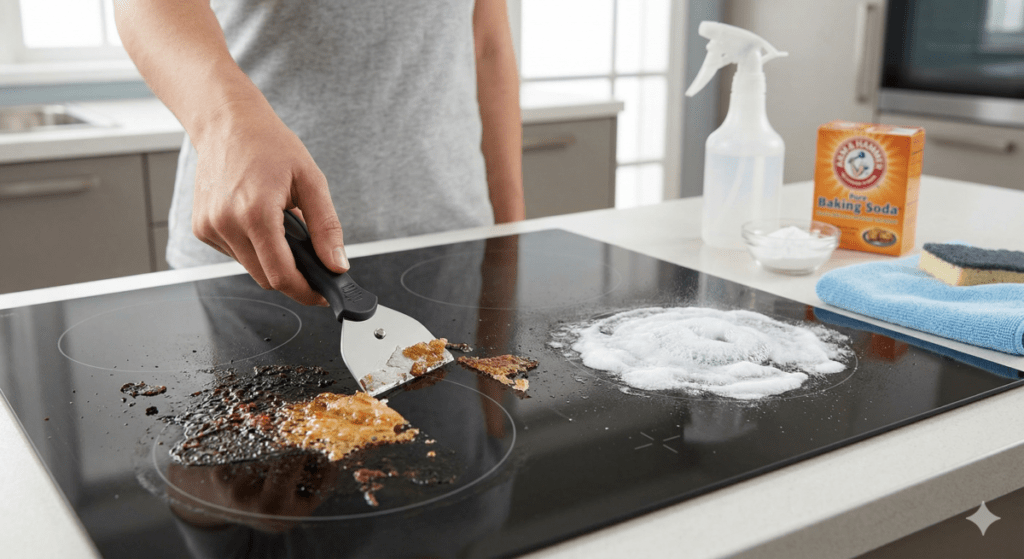
Baking soda and vinegar create a gentle but powerful cleaning mix. Sprinkle baking soda over the stained area. Then, spray white vinegar on top. The mixture will fizz and break down grime.
- Let it sit for 10 to 15 minutes.
- Use a soft cloth or sponge to scrub gently.
- Wipe clean with a damp cloth.
This method removes stains without scratching the glass surface.
Employing Razor Scrapers Safely
Razor scrapers work well on hardened residue stuck on the cooktop. Use a scraper designed for glass surfaces only to avoid scratching. Hold the scraper at a 45-degree angle to avoid damage.
- Gently scrape the stain without applying too much pressure.
- Keep the cooktop wet to prevent scratches.
- Clean away loosened debris with a damp cloth.
Always use caution to protect your cooktop while scraping.
Dealing With Burnt Sugar And Plastic
Burnt sugar and melted plastic create tough, sticky stains. Let the cooktop cool completely before cleaning. Use a razor scraper to lift off the bulk carefully.
- Apply a paste of baking soda and water to the spot.
- Let it sit for 20 minutes to soften residue.
- Gently scrub with a soft cloth.
Repeat the process if needed until the surface is clean. Avoid harsh chemicals that can damage the glass. For those struggling with tough jar lids, easy jar lid removal tips can be a lifesaver. Try using a rubber band for extra grip or placing the jar in warm water for a few minutes to loosen the seal. These simple methods can make opening jars quicker and more efficient, reducing the chance of spills or breakage.
Preventing Future Stains
Preventing stains on a glass cooktop saves time and keeps it looking new. Simple habits help avoid tough stains and damage. Careful daily actions protect the surface and extend its life.
Daily Maintenance Tips
Clean the cooktop after every use. Use a soft cloth and mild cleaner. Avoid abrasive scrubbers that can scratch the glass. Wipe spills quickly before they harden. Regular cleaning prevents buildup of grease and food.
Avoiding Common Mistakes
Do not drag pots or pans across the surface. Avoid using harsh chemicals or steel wool. Do not use a cooktop before it cools completely. Avoid spills of sugary or acidic foods. These can cause permanent marks or cracks.
Protective Cooktop Covers
Use a cover when the cooktop is not in use. Covers protect from dust, scratches, and accidental spills. Choose covers made from heat-resistant materials to ensure maximum safety. Remove the cover before cooking to avoid damage.
When To Call A Professional
Stubborn stains that won’t come off with gentle cleaning may need a professional’s help. Deep scratches or cracks on the glass cooktop also require expert care to avoid damage. Calling a specialist ensures safe and effective stain removal.
Keeping your glass cooktop pristine can be quite a challenge, especially when stubborn stains refuse to budge. While many stains can be tackled with a bit of elbow grease and the right cleaner, there are times when calling in a professional is the best course of action. But how do you know when to make that call? Below, we'll explore some clear indicators.
Signs of Damage
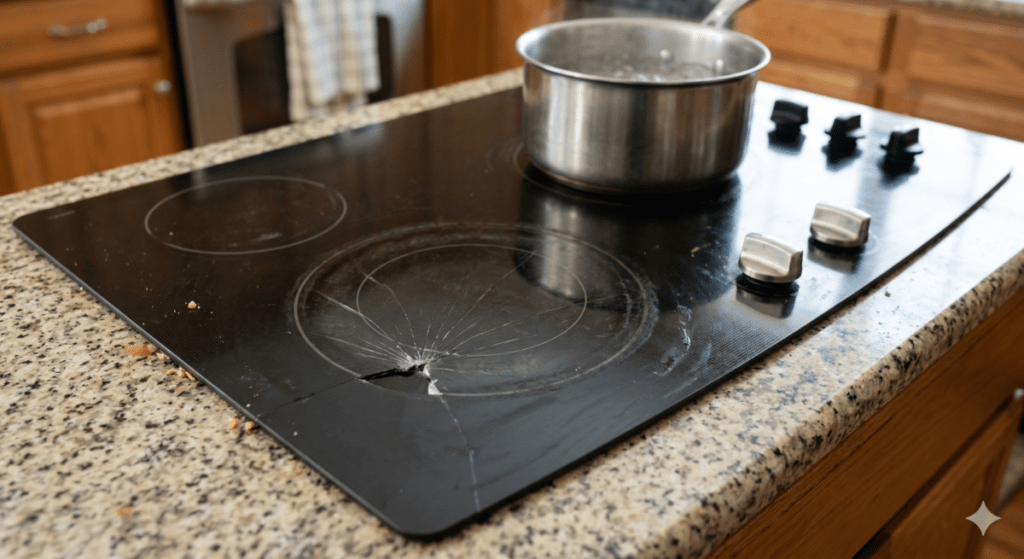
If you notice any cracks or chips on your glass cooktop, it's time to bring in a professional. These damages can worsen with heat and pressure, leading to costly repairs or even replacement. A warped or uneven surface may indicate a deeper issue that requires expert attention. If your cooktop doesn't heat evenly or has unexplained temperature fluctuations, these could be signs of internal damage.
Professional Cleaning Services
When regular cleaning doesn't remove tough, burnt-on stains, professional cleaning services can be a lifesaver. They use specialized tools and cleaners that are safe for your cooktop, ensuring a thorough clean without damaging the glass. Professionals can also provide maintenance tips tailored to your specific model, helping you prevent future stains and prolong the life of your appliance. Investing in a professional service might seem costly, but it can save you from expensive repairs in the long run. So, when should you consider professional help? If you're unsure about the condition of your cooktop or if cleaning it feels overwhelming, don't hesitate to reach out to a professional. After all, keeping your kitchen safe and efficient is worth it.
Frequently Asked Questions
How Can I Remove Tough Stains From A Glass Cooktop?
Use a scraper designed for glass cooktops gently to lift burnt food. Then, clean with a non-abrasive cleaner and a soft cloth. Avoid harsh tools to prevent scratches and maintain shine. If you accidentally create marks during cleaning, there are effective methods to remove scratches from stainless steel surfaces. A mixture of baking soda and water can work wonders, allowing you to buff out minor blemishes with a soft cloth. For deeper scratches, it might be worth investing in a stainless steel scratch repair kit available at home improvement stores.
What Household Items Clean Glass Cooktop Stains Effectively?
White vinegar and baking soda work well on glass cooktops. Sprinkle baking soda on stains, spray vinegar, wait a few minutes, then wipe clean with a soft cloth for a sparkling surface.
Is It Safe To Use Abrasive Cleaners On Glass Cooktops?
No, abrasive cleaners can scratch and damage the cooktop surface. Use only non-abrasive, specially formulated glass cooktop cleaners to keep it smooth and shiny.
How Often Should I Clean My Glass Cooktop To Prevent Stains?
Clean your glass cooktop after every use to prevent buildup. Regular wiping with a soft cloth and mild cleaner keeps stains and residue from hardening.
Conclusion
Cleaning stains off a glass cooktop does not have to be hard. Use gentle cleaners and soft cloths to avoid scratches. Regular cleaning stops stains from building up. Always wait for the cooktop to cool before cleaning. Small steps make a big difference in keeping your cooktop shiny.
A clean cooktop looks good and works well. Try these tips to keep your kitchen neat and safe. Simple care brings long-lasting results.