Have you ever accidentally melted plastic on your glass top stove and felt panicked about how to clean it without causing damage? You’re not alone, and the good news is that you can get that sticky mess off safely and effectively.
You’ll discover simple, step-by-step methods to restore your stove to its shiny, smooth surface. Keep reading—you’ll be surprised how easy it is to handle this common kitchen mishap.

Credit: www.reddit.com
Assessing The Damage
Before you dive into removing plastic from your glass top stove, it’s important to take a moment and assess the damage. Understanding exactly what you’re dealing with can save you time and prevent further harm. This step helps you decide the safest and most effective way to clean your stove without making the problem worse.
Checking For Residue And Burns
Look closely at the affected area to see if there’s just melted plastic residue or if the stove surface has burn marks. Residue is often sticky or slightly hardened, while burns may appear as discoloration or rough patches on the glass.
Use a soft cloth or a plastic scraper to gently test the surface. If the plastic peels off easily, the damage might be minimal. But if the area feels rough or you notice cracks, you could be dealing with burns that need special care.
Determining Stove Material
Not all glass top stoves are made exactly the same. Some use ceramic glass, while others might have tempered glass or even different coatings on top. Knowing your stove’s material helps you choose the right cleaning tools and products.
Check your stove’s manual or manufacturer’s website for details about the glass type. If you’re unsure, try a small hidden spot with mild cleaner first. This way, you avoid accidental scratches or damage while cleaning.
Gathering Necessary Tools
Removing plastic from a glass top stove can be tricky, but having the right tools at hand makes the task much easier. Before you start scraping or cleaning, gather everything you’ll need to avoid interruptions and ensure safety. Being prepared helps you work efficiently and protects your stove’s delicate surface from damage.
Recommended Cleaning Supplies
- Plastic scraper or razor blade:Use a scraper specifically designed for glass stovetops to avoid scratches. A razor blade held at a low angle also works but requires caution.
- Dish soap:Mild dish soap helps soften any leftover residue after scraping.
- White vinegar:This natural cleaner can break down burnt plastic and grease effectively.
- Soft cloths or microfiber towels:These prevent scratching and absorb moisture without leaving lint behind.
- Baking soda:A gentle abrasive that can help lift stubborn spots without harming the glass.
Have you ever tried cleaning without the right tools and ended up making the mess worse? Avoid that frustration by preparing your supplies in advance.
Safety Equipment To Use
- Heat-resistant gloves:Protect your hands from burns if the stove is still warm.
- Eye protection:Safety glasses shield your eyes from any splashes or flying debris during scraping.
- Face mask:Wearing a mask keeps you safe from inhaling any fumes released by melting plastic.
- Ventilation:Ensure good airflow by opening windows or using a fan to clear out any lingering odors or smoke.
Your safety should never be an afterthought. Have you considered what could happen if melted plastic fumes enter your lungs? Taking these precautions makes the cleanup safer and more comfortable.
Cooling And Preparing The Stove
Removing plastic from a glass top stove requires care and patience. Cooling and preparing the stove properly is the first key step. This process helps avoid burns and protects the stove surface.
Ensuring Stove Is Off And Cool
Turn off the stove completely before starting. Do not try to remove plastic while it is hot. The glass surface can burn your skin and cause damage. Wait at least 30 minutes to let it cool fully. Touch the stove gently to check if it is safe to work on. Patience here prevents accidents and helps the plastic harden, making removal easier.
Protecting Surrounding Areas
Cover nearby countertops and appliances to protect them from scratches or chemicals. Use old towels or cloths around the stove edges. This prevents damage from scrapers or cleaning solutions. Clear the area of any flammable items. Keeping the surroundings safe makes the cleaning process smoother and safer.
Removing Plastic With Gentle Methods
Gently remove plastic from a glass top stove using heat and a plastic scraper. First, warm the stove slightly. Then, carefully scrape off the melted plastic with a plastic tool. Clean the surface with a soft cloth and soapy water.
Removing melted plastic from a glass top stove can seem daunting. But fear not! You can tackle this sticky situation with gentle methods that ensure your stove remains scratch-free and spotless. The trick is to be patient and use techniques that effectively lift the plastic without damaging the glass surface.
Using Ice To Harden Plastic
One of the simplest and most effective methods involves using ice. Ice hardens the plastic, making it easier to remove. Here's how you can do it: - Place ice cubes in a plastic bag and lay it over the melted plastic. - Allow the ice to sit for a few minutes. This will harden the plastic, making it brittle. - Once the plastic is hard, gently peel or lift it away from the stove. This method works wonders as the ice doesn't harm the glass, and the plastic becomes easy to scrape off.
Scraping With Plastic Scrapers
When the ice method leaves behind stubborn bits, reach for a plastic scraper. A plastic scraper is gentle on glass but tough on plastic remnants. - Hold the scraper at a 45-degree angle to the stove surface. - Carefully slide it under the edges of the plastic. - Apply gentle pressure to lift the plastic without scratching the glass. Plastic scrapers are a handy tool in your cleaning arsenal. They are perfect for removing residues without risking scratches. Have you tried these methods before? If not, they might just become your go-to solutions for accidental plastic mishaps on your stove.
Applying Heat Safely
Applying heat safely is key to removing plastic from a glass top stove without damage. Too much heat can crack the glass or spread the plastic further. Controlled warmth softens the plastic, making it easier to lift off gently. Use tools that allow careful temperature control and keep a safe distance from the stove surface.
Using A Hairdryer Or Heat Gun
A hairdryer or heat gun works well for softening plastic stuck to glass. Hold the device a few inches above the plastic. Move it slowly to avoid overheating one spot. Use the lowest heat setting to prevent glass damage. Keep the heat source moving in a circular motion.
Softening Plastic For Removal
Warm the plastic until it becomes soft and pliable. It should not melt or bubble. Once softened, use a plastic scraper or a wooden spatula to lift the edges gently. Avoid metal tools that can scratch the glass. Repeat heating and scraping as needed until the plastic lifts completely.
Cleaning Residue And Stains
Removing plastic residue from a glass top stove can leave behind stubborn stains and marks. Cleaning these spots carefully protects the glass surface from damage. Use gentle but effective methods to restore the stove’s shine. Avoid harsh scrubbing or strong chemicals that may scratch or dull the glass.
Focus on removing residue while keeping the stove surface safe and smooth. Employ natural cleaning agents or mild commercial products designed for glass stovetops. These options break down stains without causing harm.
Using Baking Soda Paste
Baking soda is a gentle abrasive that lifts residue without scratching glass. Create a paste by mixing baking soda with water until it forms a thick consistency. Apply the paste directly to stained areas.
- Spread the paste evenly over plastic residue or stains.
- Let it sit for 10-15 minutes to soften the marks.
- Use a soft cloth or sponge to wipe the paste and residue away.
- Rinse the area with clean water and dry with a microfiber cloth.
Repeat if residue persists. Baking soda removes stains by gently breaking them down.
Applying Vinegar Or Commercial Cleaners
White vinegar dissolves residue and brightens the glass surface. Spray vinegar directly on the stains or soak a cloth in vinegar and place it on the affected area. Let it sit for 5-10 minutes.
- Wipe the area with a soft cloth to remove residue.
- Rinse with water and dry thoroughly.
Specialized glass stove cleaners offer a safe alternative. Follow package instructions carefully. These cleaners target tough stains without damaging the glass.
Avoiding Common Mistakes
Removing plastic from a glass top stove requires care to avoid damage. Many people make mistakes that worsen the problem. Taking the right steps protects the stove’s surface and keeps it looking new. Avoiding common errors saves time and prevents costly repairs.
Preventing Scratches
Use soft tools like plastic scrapers or wooden spatulas. Avoid metal scrapers or knives that can scratch the glass. Do not apply too much force while scraping. Scratches can weaken the stove and affect its appearance. Always work gently to keep the surface smooth and intact.
Avoiding Harsh Chemicals
Strong chemicals can damage the glass top and leave stains. Avoid bleach, ammonia, or abrasive cleaners. Use mild soap and warm water instead. Special stove-top cleaners work well and are safe. Test any cleaner on a small area before full use. Gentle cleaning protects the glass and removes plastic safely.

Credit: www.reddit.com
Maintaining Your Glass Top Stove
Maintaining your glass top stove is key to keeping it looking new and working efficiently. A clean surface not only prevents damage but also makes cooking safer and more enjoyable. Small daily habits can save you from the hassle of tough stains and plastic spills later on.
Regular Cleaning Tips
Wipe your stove after each use with a soft cloth or sponge. Use warm, soapy water to remove grease and food residue before it hardens. Avoid abrasive cleaners or scrubbers that can scratch the glass surface.
For stubborn spots, try a mixture of baking soda and water applied gently with a soft cloth. Let it sit for a few minutes to break down grime, then wipe clean. Always dry the surface thoroughly to prevent streaks and water spots.
Preventing Future Plastic Spills
Have you noticed how plastic spills often happen during quick, distracted moments? Try to stay focused when cooking, especially with plastic utensils or containers nearby. Keep plastic items away from the stove’s hot surface to avoid accidents.
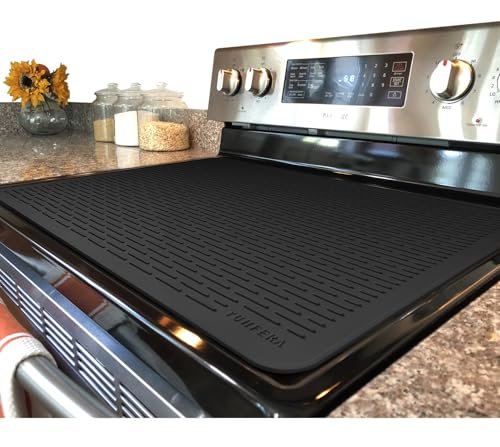
Using silicone mats or trivets can protect your glass top and catch spills before they become a problem. Also, double-check that pans and pots are centered properly to prevent tipping or sliding that might lead to melting plastic.

Credit: www.reddit.com
Frequently Asked Questions
How To Safely Remove Melted Plastic From Glass Stove Tops?
Allow the stove to cool completely. Use a plastic scraper to gently lift the plastic. Avoid metal tools to prevent scratches. Apply a glass cooktop cleaner afterward to remove residue.
What Household Items Remove Plastic From Glass Stove Tops?
You can use baking soda and warm water to create a paste. Gently scrub the area with a soft cloth. This method helps lift plastic without damaging the glass surface.
Can Heat Help In Removing Plastic From Glass Stove Tops?
Yes, warming the plastic slightly softens it, making removal easier. Use a hairdryer on low heat to avoid damage. Then carefully scrape off the softened plastic.
Is It Safe To Use Razor Blades On Glass Stove Tops?
Razor blades can be used carefully at a 45-degree angle. Only use blades designed for glass cooktops to avoid scratches. Always scrape gently to protect the surface.
Conclusion
Removing plastic from a glass top stove takes patience and care. Use gentle tools to avoid scratching the surface. Warm the plastic slightly to soften it before scraping. Clean the area well afterward to remove any residue. Always work slowly to prevent damage.
This method keeps your stove safe and clean. Now, your stove looks good and works well again. Keep these tips in mind for any future spills. Simple steps make a big difference.