Are you trying to figure out how many cubic feet your refrigerator has? Knowing this number is more important than you might think.
Whether you’re shopping for a new fridge, organizing your kitchen space, or just curious, understanding cubic feet can help you make smarter choices. You’ll learn a simple, step-by-step way to calculate the cubic feet of your refrigerator. By the end, you’ll feel confident measuring and comparing fridge sizes like a pro.
Keep reading—your perfect fridge size is just a few easy steps away!
Basics Of Refrigerator Measurement
Understanding the basics of refrigerator measurement helps find the right size. It involves calculating the total space inside the fridge. This space is called the cubic feet capacity. It shows how much food and drinks the refrigerator can hold.
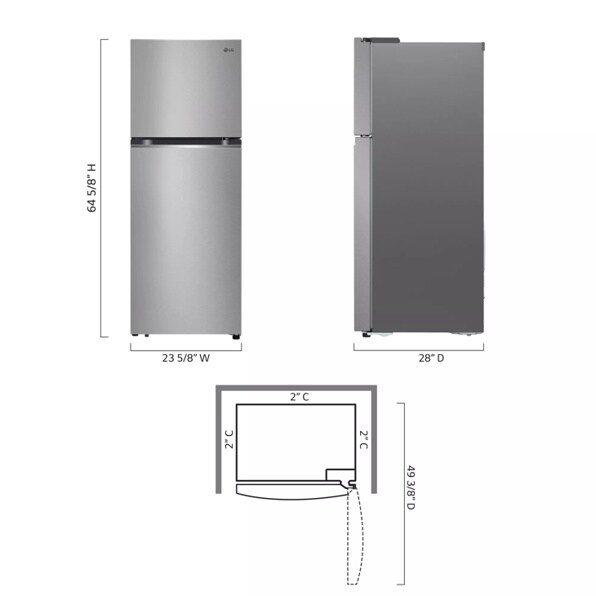
Knowing the cubic feet helps compare different refrigerator models. It also helps ensure the fridge fits in your kitchen. The main measurements needed are height, width, and depth. These are usually in inches.
Measuring Height, Width, And Depth
Start by measuring the fridge's interior height from the bottom to the top. Then measure the width from one side to the other. Finally, measure the depth from the front to the back. Use a tape measure for accuracy.
Converting Inches To Feet
Divide each measurement by 12 to convert inches to feet. This step is important because cubic feet uses feet, not inches. For example, 24 inches equals 2 feet. This makes calculations easier.
Multiply the height, width, and depth in feet. The result is the cubic feet capacity. For example, if height is 6 feet, width is 2 feet, and depth is 2 feet, then 6 × 2 × 2 = 24 cubic feet.
Considering Usable Space
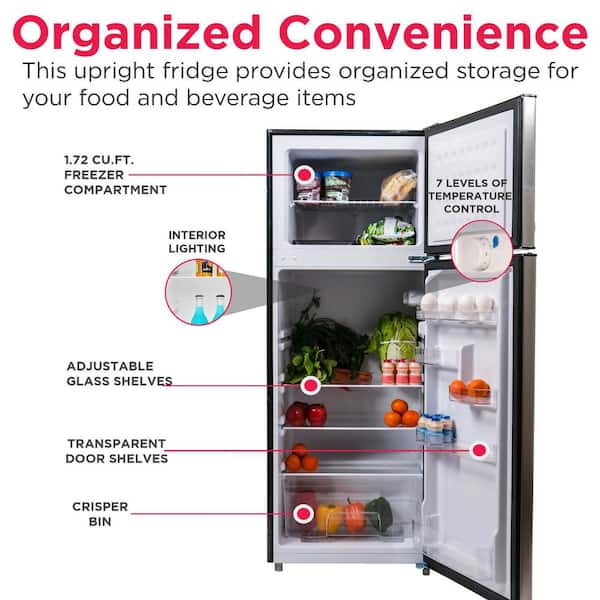
Remember, not all space inside the fridge is usable. Shelves, drawers, and compartments take up room. The cubic feet number is an estimate of total space. Usable space might be slightly less.
Credit: www.lg.com
Tools You Need
Knowing the tools you need makes measuring your refrigerator's cubic feet simple and accurate. You don’t need fancy equipment—just a few basics will do the job well. Let’s look at what you’ll want to have on hand before you start measuring.
Measuring Tape Or Ruler
A measuring tape is the most important tool for this task. It lets you get precise measurements of your fridge’s height, width, and depth. If you don’t have a tape, a sturdy ruler can work, but it may be tricky to measure larger fridges.
Calculator
Once you have your measurements, you’ll need to calculate the volume. A calculator helps you quickly multiply the dimensions and convert cubic inches to cubic feet. You can use your phone’s calculator app or a simple handheld one.
Notebook Or Digital Note App
Writing down your measurements as you go keeps things organized. Whether you prefer a paper notebook or a digital app, recording your numbers prevents mistakes. It’s easier to double-check your work this way.
Optional: Level Tool
If you want extra accuracy, use a level tool to ensure your fridge is standing straight while measuring. This avoids any skewed numbers caused by tilting. It’s not essential, but it adds confidence to your results.
Finding Internal Dimensions
Finding the internal dimensions of a refrigerator is the first step to calculate its cubic feet. This process requires precise measuring of height, width, and depth inside the fridge. Accurate numbers help in understanding the storage space available. Use a tape measure or ruler for best results. Measure from the inside edges, not the outside. Avoid including door thickness or external parts in your measurements.
Measuring Height
Open the refrigerator door fully. Place the tape measure from the bottom interior floor to the top inside ceiling. Note the measurement in inches. Make sure the tape is straight and touches the back wall. This height shows the vertical space available for storage.
Measuring Width
Measure from the left interior wall to the right interior wall. Keep the tape measure level and straight. Record the width in inches. This width gives the horizontal space available inside the refrigerator.
Measuring Depth
Measure from the front edge of the interior to the back wall. Avoid including the door or gasket. Keep the tape measure straight and level. Write down the depth in inches. This depth shows how far back the storage space goes inside.
Calculating Cubic Feet
Calculating the cubic feet of a refrigerator helps understand its storage space. This measurement shows the total volume inside the fridge. Knowing this helps when choosing a refrigerator that fits your needs and space. The process involves simple math and some basic measurements.
Using The Formula
To find the cubic feet, multiply the fridge’s height, width, and depth. Use the formula:
| Dimension | Unit |
|---|---|
| Height | Feet |
| Width | Feet |
| Depth | Feet |
Example: If your fridge is 6 feet tall, 3 feet wide, and 2 feet deep, multiply 6 × 3 × 2. The result is 36 cubic feet. This number shows the total space inside the fridge.
Converting Measurements
Most refrigerators are measured in inches, not feet. Convert inches to feet by dividing by 12. For example, 72 inches equals 6 feet (72 ÷ 12 = 6).
Use this conversion for height, width, and depth before multiplying. Here’s a quick guide:
- Measure the fridge in inches.
- Divide each measurement by 12.
- Multiply the converted numbers to get cubic feet.
This method ensures accurate calculation of the fridge’s volume.
Common Mistakes To Avoid
Calculating the cubic feet of a refrigerator seems simple but often leads to mistakes. These errors can cause confusion about the fridge size. Avoiding common pitfalls helps get accurate results. It saves time and prevents frustration later. Here are frequent mistakes that people make during the measurement process.
Measuring Only Exterior Dimensions
Many measure just the outside height, width, and depth. This method ignores internal space, which is important. Refrigerator walls and insulation take up room inside. Always measure the interior compartments for true capacity.
Forgetting To Subtract Non-storage Areas
Some include shelves, drawers, and compartments as full space. These areas do not provide usable volume. Exclude parts like ice makers or door bins that reduce storage.
Using Inches Instead Of Feet Without Conversion
Measurements often start in inches but forget to convert to feet. Cubic feet require dimensions in feet before multiplying. Divide inches by 12 first for each dimension.
Ignoring Depth Inside The Fridge
Depth is easy to overlook or measure incorrectly. Use a tape measure to get the exact inside depth. Do not rely on manufacturer numbers alone.
Not Accounting For Irregular Shapes
Some refrigerators have odd shapes or compartments. Simple length × width × height may not fit these cases. Measure separate sections and add volumes for accuracy.
Credit: www.homedepot.com
Practical Tips For Accurate Measurement
Measuring the cubic feet of a refrigerator needs care and focus. Accurate measurement helps you find the right size for your needs. Small mistakes can lead to wrong results.
These practical tips will guide you through the process easily. Clear steps and simple tools make measuring straightforward and precise.
Prepare Your Tools And Space
Use a tape measure with clear markings. Have a notepad and pen ready for notes. Clear the area around the refrigerator for easy access. Make sure the fridge door can open fully without blocking the tape measure.
Measure The External Dimensions Correctly
Measure height from the floor to the top of the fridge. Check width from one side to the other at the widest point. Measure depth from front to back, including handles if they stick out.
Calculate Internal Storage Space
Open the fridge door and measure the inside height, width, and depth. Note any shelves or compartments that reduce usable space. Multiply these dimensions to find internal cubic feet.
Convert Cubic Inches To Cubic Feet
Multiply height, width, and depth in inches to get cubic inches. Divide total cubic inches by 1,728 to convert to cubic feet. Use a calculator for accuracy and avoid rounding errors.
Double-check Measurements
Repeat each measurement twice to ensure consistency. Small changes in numbers affect the final volume greatly. Compare your results with the manufacturer’s specifications if possible.
Understanding Refrigerator Specifications
Understanding refrigerator specifications helps you choose the right model. These details explain how much the fridge can hold and how it fits your kitchen. Knowing the difference between capacity and space saves time and avoids confusion.
Capacity Vs. Space
Capacity shows the total volume inside the refrigerator. It is measured in cubic feet. This number tells you how much food and drinks you can store.
Space refers to the actual usable area. Sometimes, shelves and compartments reduce the space. The design affects how efficiently you can use the capacity.
- Capacity is the overall size inside the fridge.
- Space is the practical room available for storage.
- Both affect your choice depending on your needs.
Implications For Storage
Knowing capacity helps plan shopping and storage better. A larger capacity means more items can fit inside. But, how the space is arranged matters too.
Some fridges have adjustable shelves and door bins. These features improve storage options. Consider your usual grocery size and types of food.
A well-designed fridge makes items easy to find. It reduces waste and keeps food fresh longer.

Credit: www.danby.com
Frequently Asked Questions
How Do You Calculate Cubic Feet Of A Refrigerator?
To find cubic feet, multiply the fridge’s height, width, and depth in feet. The formula is: height × width × depth = cubic feet. This gives the total internal volume of the refrigerator.
Why Is Cubic Feet Important For Refrigerators?
Cubic feet indicate the fridge’s storage capacity. It helps you choose a refrigerator that fits your space and storage needs. Larger cubic feet mean more storage for food and drinks.
Can You Convert Cubic Inches To Cubic Feet For Refrigerators?
Yes, to convert cubic inches to cubic feet, divide the total cubic inches by 1,728. This helps when measurements are given in inches but you need cubic feet.
Does External Size Equal Refrigerator Cubic Feet?
No, external size includes walls and insulation. Cubic feet refer to internal usable space inside the refrigerator. Always measure internal dimensions for accurate cubic feet.
Conclusion
Knowing how to figure cubic feet of a refrigerator helps you choose the right size. Measure the height, width, and depth in feet. Multiply these numbers to get the total cubic feet. This simple step saves space and money. It also ensures your food stays fresh and organized.
Keep this method in mind when buying or comparing refrigerators. It makes shopping easier and smarter. Now you can pick a fridge that fits your needs perfectly.