Are you tired of sticky or bland basmati rice? Cooking perfect basmati rice in a rice cooker might seem tricky, but it doesn’t have to be.
Imagine fluffy, fragrant grains every time, ready to complement your favorite dishes without any hassle. In this guide, you’ll discover simple steps to master basmati rice using your rice cooker. Whether you’re a beginner or just want to improve your rice game, this article will make cooking basmati rice easy and foolproof for you.
Keep reading to unlock the secret to perfect rice every time!
Choosing The Right Basmati Rice
Choosing the right basmati rice is crucial for perfect cooking results. The type and quality of rice affect the texture and flavor of your dish. Knowing which basmati rice to buy makes your cooking easier and tastier.
Types Of Basmati Rice
Basmati rice comes in several types. Each type has a unique aroma and grain length.
- Traditional Basmati:Long grains with a nutty flavor. Ideal for classic recipes.
- Brown Basmati:Whole grain version. Healthier but takes longer to cook.
- White Basmati:Polished grains. Cooks faster and is softer.
- Organic Basmati:Grown without chemicals. Preferred by health-conscious cooks.
Quality Indicators
Good quality basmati rice has distinct signs. Check these before buying.
- Grain length:Longer grains indicate better quality.
- Fragrance:Fresh basmati has a strong, pleasant aroma.
- Color:Uniform ivory or light cream color is best.
- Texture:Grains should be firm and not broken.
- Packaging:Airtight packs maintain freshness and aroma.
Credit: www.hungryhuy.com
Preparing Basmati Rice
Preparing basmati rice correctly is key to getting fluffy, separate grains every time. It’s more than just adding rice and water to your cooker; the preparation sets the stage for perfect texture and aroma. Paying attention to how you measure, rinse, and soak the rice can make a big difference in your final dish.
Measuring Rice Accurately
Using the right amount of rice is the first step toward consistent results. A standard measuring cup works well, but make sure to level off the rice for accuracy. Are you aware that even a slight variation in rice quantity can change cooking time and texture?
Here’s a quick tip: measure your rice and water using the same cup. This keeps your water-to-rice ratio exact, avoiding mushy or undercooked rice. If you often cook for one or two, consider keeping a small measuring cup handy just for rice to maintain consistency.
Rinsing And Soaking Tips
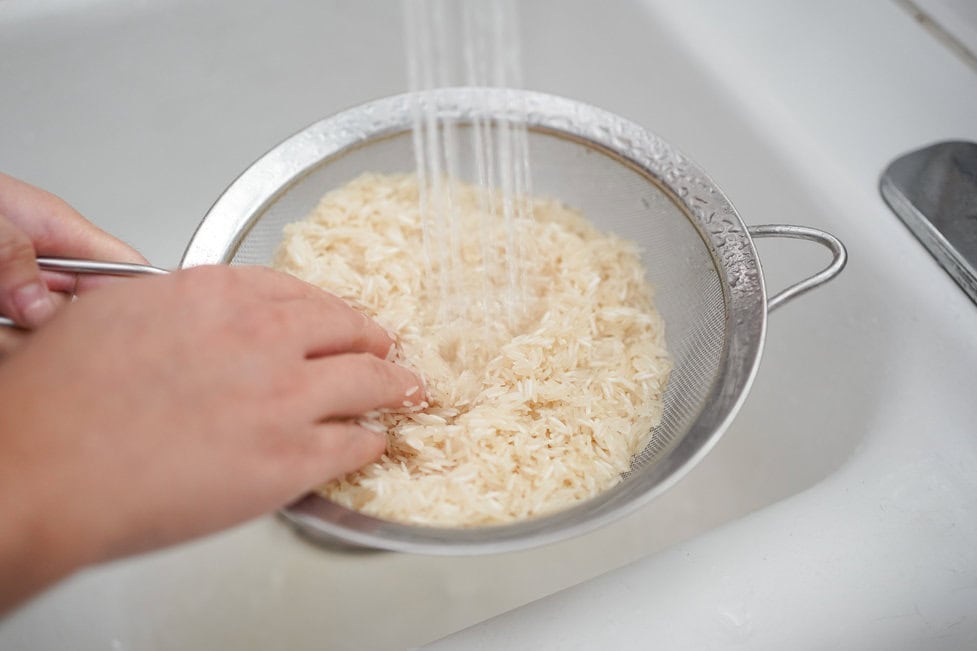
Rinsing basmati rice removes excess starch, which prevents the grains from sticking together. Run cold water over the rice and gently rub the grains with your fingers. You’ll notice the water turns cloudy—keep rinsing until it runs clear.
Soaking is another important step that many skip. Soak your rinsed rice in water for at least 20 minutes before cooking. This softens the grains and shortens cooking time, resulting in fluffier rice with distinct grains.
Have you tried soaking your rice before? If not, give it a shot and see how it changes the texture. It might just be the step your rice cooker routine has been missing.
Rice Cooker Settings For Basmati
Getting the rice cooker settings right is key to cooking perfect basmati rice. The settings control how the rice absorbs water and how tender or fluffy it turns out. Paying attention to these details can make a big difference in your meal.
Water-to-rice Ratio
For basmati rice, the water-to-rice ratio usually sits around 1.5 to 1—meaning one and a half cups of water for every cup of rice. However, this ratio can vary slightly depending on your rice cooker and personal texture preference.
If you like your rice a bit softer, you might want to add a little extra water—around 1.75 cups per cup of rice. Conversely, for firmer grains, stick closer to 1.25 cups of water. Don’t forget to rinse your rice thoroughly before cooking; it removes excess starch and prevents stickiness.
Selecting The Cooking Mode
Most modern rice cookers come with multiple cooking modes, but not all of them suit basmati rice. Look for a "White Rice" or "Regular" setting, which usually cooks the rice at the right temperature and time.
If your cooker has a "Quick Cook" option, use it cautiously. It may save time but can result in unevenly cooked rice. Some advanced models offer a "Basmati" or "Long Grain" setting—these are ideal, but if your cooker lacks them, the standard white rice setting works fine.
Have you experimented with your rice cooker settings before? Small adjustments can lead to big improvements in taste and texture. Try keeping notes on your water ratios and modes to find your perfect combination.
Cooking Process Step-by-step
Cooking basmati rice in a rice cooker is simple and quick. Following clear steps ensures fluffy, separate grains every time. This process uses minimal effort and guarantees great results.
Adding Ingredients
Start by measuring the basmati rice. Rinse it under cold water until the water runs clear. This removes excess starch for fluffy rice.
Place the rinsed rice in the rice cooker bowl. Add fresh water. The usual ratio is one cup of rice to one and a half cups of water. Adjust water slightly for softer or firmer rice.
You may add a pinch of salt or a few drops of oil for extra flavor and texture.
Starting The Cooker
Close the rice cooker lid securely. Press the cook button. The cooker will automatically switch to warm mode when done.
Avoid opening the lid during cooking. This helps steam build up and cooks the rice evenly.
Resting Time After Cooking
Let the rice rest in the cooker for 10 minutes after cooking. Keep the lid closed during this time.
This resting period allows moisture to redistribute. It makes the rice fluffier and prevents clumping.
After resting, gently fluff the rice with a fork. Serve immediately for best taste.
Troubleshooting Common Issues
Common problems include rice sticking or turning mushy. Rinsing basmati rice well and using the correct water ratio helps. Let the rice rest after cooking for fluffier results.
Cooking basmati rice in a rice cooker seems simple, but issues can arise. Troubleshooting these common problems ensures perfect rice every time. Let's explore how to avoid mushy rice and fix undercooked grains.
Avoiding Mushy Rice
Mushy rice results from too much water. Measure water accurately using the rice cooker's guide. Use the correct rice-to-water ratio for basmati rice. Rinse the rice thoroughly before cooking. This removes excess starch, reducing mushiness. Avoid stirring rice while it cooks. This can release more starch, causing sticky rice.
Fixing Undercooked Grains
Undercooked rice needs more water and time. If the rice cooker turns off too soon, add a little water. Turn the cooker back on for a few minutes. Ensure the rice cooker lid is closed tightly. A loose lid causes steam to escape, affecting cooking. If the rice is still hard, let it sit a bit. The steam inside helps soften the grains.
Credit: www.hungryhuy.com
Enhancing Flavor And Texture
Enhancing the flavor and texture of basmati rice in a rice cooker makes every bite more enjoyable. Simple tweaks can bring out the natural aroma and softness of the grains. Small changes in ingredients and cooking liquid can create a richer taste and perfect fluffiness. These tips help transform plain rice into a delightful side dish or main part of a meal.
Adding Aromatics
Adding aromatics like garlic, onions, or spices boosts flavor without extra effort. Place a small chopped onion or crushed garlic cloves in the rice cooker before starting. Whole spices like cardamom pods, cinnamon sticks, or bay leaves add a warm, inviting scent.
- Use 1 small onion, finely chopped
- Add 2-3 garlic cloves, crushed
- Include 2-3 whole spices for subtle aroma
These ingredients infuse the rice as it cooks. The result is rice that smells and tastes more complex. Aromatics also give the rice a pleasing texture contrast. Soft pieces of onion or spices add interest with each bite.
Using Broth Instead Of Water
Cooking basmati rice with broth adds deep flavor. Replace plain water with chicken, vegetable, or beef broth for richer taste. Broth contains natural seasonings that soak into the rice grains during cooking.
- Use the same amount of broth as water
- Choose low-sodium broth to control salt levels
- Heat broth slightly before adding to rice cooker
This swap makes the rice more savory and full-bodied. The grains absorb the broth, enhancing both flavor and moisture. Broth also helps keep the rice tender and fluffy. This simple change upgrades plain rice into a tasty dish.
Credit: www.hungryhuy.com
Frequently Asked Questions
How Much Water Is Needed For Basmati Rice In A Rice Cooker?
Use 1. 5 to 1. 75 cups of water per cup of basmati rice. This ratio ensures fluffy, perfectly cooked rice without being mushy or dry.
Should You Rinse Basmati Rice Before Cooking?
Yes, rinse basmati rice thoroughly under cold water. This removes excess starch and prevents the rice from becoming sticky.
How Long Does Basmati Rice Take To Cook In A Rice Cooker?
Basmati rice typically cooks in 15 to 20 minutes in a rice cooker. Cooking time may vary slightly by model and rice quantity.
Can You Add Flavor When Cooking Basmati Rice In A Rice Cooker?
Absolutely! Add spices, herbs, or broth to the water before cooking. This enhances the aroma and taste of the basmati rice.
Conclusion
Cooking basmati rice in a rice cooker is simple and quick. Measure the rice and water carefully for best results. Rinse the rice to remove extra starch. Press the cook button and let the rice cooker do the work. Fluffy, fragrant basmati rice is ready in minutes.
This method saves time and effort in the kitchen. Enjoy perfectly cooked rice with your favorite dishes every time. Give it a try for easy and tasty meals.