Mold in your refrigerator is more than just an unpleasant sight—it can affect the taste of your food and even your health. If you’ve noticed those fuzzy spots or a strange smell, it’s time to act fast.
You might wonder, how do you clean mold out of a refrigerator safely and effectively? You’ll discover simple steps to get rid of mold for good, protect your food, and keep your fridge fresh. Keep reading to learn how to tackle this common problem with easy methods anyone can follow.
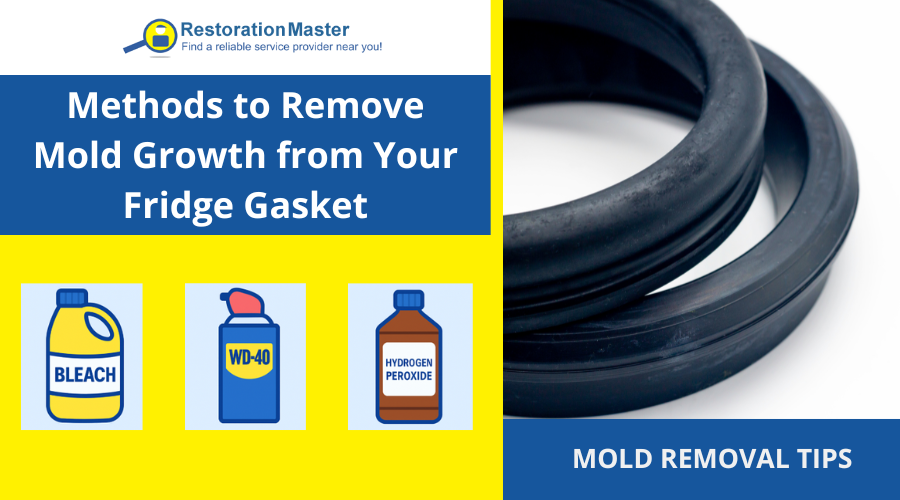
Credit: restorationmasterfinder.com
Identifying Mold In The Refrigerator
Mold in your refrigerator can sneak up on you. It often starts in hidden corners or on forgotten food items. Recognizing mold early prevents health risks and keeps your fridge fresh.
What Mold Looks Like Inside Your Fridge
Mold can appear as black, green, white, or even gray spots. It often has a fuzzy or slimy texture. You might find it on shelves, door seals, or inside containers with spoiled food.
Have you noticed any unusual discoloration or smells lately? These signs often accompany visible mold growth.
Common Areas Where Mold Hides
- Rubber door seals – damp and dark, perfect for mold growth
- Drip pans beneath the fridge – often overlooked during cleaning
- Cracks and crevices in shelves or drawers
- Inside containers with old leftovers or spilled liquids
Checking these spots regularly can save you from a bigger cleanup later.
How To Differentiate Mold From Other Stains
Mold usually has a musty odor, unlike water stains or food residue. It tends to spread over time, while other stains stay in one place. If you rub a spot and it smears or feels slimy, it’s likely mold.
Have you ever mistaken a stain for mold? Understanding these differences helps you act quickly.

Credit: www.reddit.com
Gathering Necessary Supplies
Before tackling mold in your refrigerator, gathering the right supplies is essential. Having everything ready saves time and keeps the cleaning process safe and effective. Let’s look at what you’ll need to get started.
Cleaning Agents
Choose a mold-killing solution that’s safe for food areas. White vinegar works well and is non-toxic. You can also use a mild bleach solution—about one tablespoon of bleach per gallon of water—to kill stubborn mold.
Protective Gear
Protect yourself with gloves to avoid skin irritation. A mask is also a good idea to prevent inhaling mold spores. Eye protection can help if you’re using stronger cleaning chemicals.
Cleaning Tools
Gather soft cloths and sponges to wipe down surfaces without scratching. A soft-bristle brush helps reach tight spots and crevices where mold hides. Don’t forget a spray bottle if you’re using vinegar or bleach solutions.
Additional Supplies
- Old towels or paper towels for drying surfaces
- Trash bags to dispose of moldy items or used cleaning materials
- A small bucket to mix your cleaning solution
Have you ever started cleaning only to realize you’re missing a key tool? Preparing ahead keeps you focused and efficient. Getting these supplies together means you’re ready to make your fridge mold-free quickly and safely.
Emptying The Refrigerator
Emptying the refrigerator is the crucial first step in tackling mold growth. It gives you clear access to every corner where mold could be hiding. Plus, it helps prevent cross-contamination of your food while cleaning.
Remove All Food Items
Start by taking everything out of your fridge. Check expiration dates and toss anything spoiled or questionable. Mold can spread quickly, so don’t risk keeping food that might be contaminated.
Place perishable items in a cooler with ice packs to keep them fresh while you clean. This simple move keeps you organized and ensures your food stays safe.
Take Out Shelves And Drawers
Next, pull out all removable shelves, drawers, and trays. Mold often hides in the corners and under these components. Having them out lets you clean thoroughly and reach spots you normally can’t.
Be gentle to avoid breaking glass shelves or plastic parts. If you’ve ever struggled removing stuck drawers, try warming the edges with a cloth soaked in warm water—it helps loosen grime and mold.
Sort Items For Cleaning Or Disposal
Sort your food and containers into groups: keep, clean, or throw away. Containers with mold or strong odors usually need to be discarded. For containers without damage, wash them thoroughly with hot, soapy water.
Think about how you store leftovers and packaged foods to reduce mold growth next time. Could airtight containers or regular fridge checks help?
Removing Moldy Items
Removing moldy items from your refrigerator is the first and most important step to stop mold from spreading. Mold thrives on damp surfaces and leftover food, so acting quickly can prevent further contamination. You’ll also protect your health by getting rid of anything that could cause allergic reactions or respiratory problems.
Identifying Moldy Food And Containers
Check every item in your fridge carefully. Mold can be fuzzy, slimy, or discolored, and sometimes it hides in the corners of containers or under lids. Don’t just trust your nose; some moldy items don’t smell bad but are still unsafe to eat.
Have you ever found mold on leftovers you thought were still fresh? It’s a common mistake that can make you sick. If you see mold, toss the entire item, even if some parts look fine.
Safe Disposal Of Moldy Items
Place moldy food and containers in sealed plastic bags before throwing them away. This prevents mold spores from spreading in your kitchen or trash area. If you don’t seal them, the spores can float around and settle in other places.
Think about how you handle trash daily—are you careful enough to stop contamination? Using gloves while handling moldy items adds an extra layer of protection for your skin.
Cleaning Reusable Containers
If you spot mold on containers you want to keep, wash them thoroughly with hot, soapy water first. Then soak them in a solution of one cup of bleach mixed with one gallon of water for at least 10 minutes. This kills any remaining mold spores and prevents regrowth.
Plastic containers often hold onto odors and spores more than glass ones. If you notice persistent smells or mold after washing, it might be safer to recycle those containers.
Cleaning Interior Surfaces
Cleaning the interior surfaces of your refrigerator is crucial to get rid of mold effectively. Mold can hide in corners, shelves, and door seals, so a thorough cleaning is necessary to keep your fridge safe and fresh. Let’s look at some effective ways to tackle these surfaces using different cleaning agents.
Using Natural Cleaners
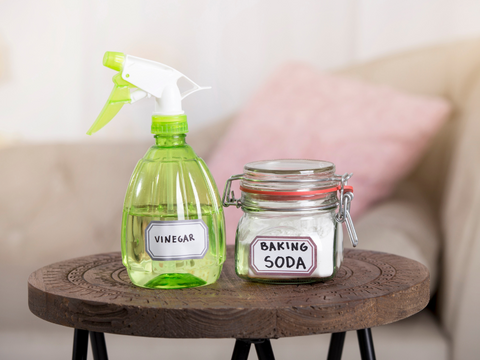
Natural cleaners like vinegar and baking soda work wonders against mold without harsh chemicals. Vinegar’s acidity kills most mold spores, while baking soda helps scrub away stubborn spots and neutralize odors.
To use vinegar, spray it directly on the moldy areas and let it sit for at least 10 minutes before wiping it clean. For tougher stains, sprinkle baking soda on a damp cloth and scrub gently, then rinse with water.
Have you tried using lemon juice as a natural cleaner? Its antibacterial properties add a fresh scent and boost mold removal. Using natural cleaners is safer, especially if you store fresh food and want to avoid chemical residues.
Commercial Cleaning Solutions
If mold has deeply penetrated your fridge’s surfaces, commercial cleaners designed for mold removal can be more effective. Look for products labeled safe for kitchen appliances to protect your fridge’s interior.
These cleaners often contain stronger antifungal agents that kill mold quickly and prevent regrowth. Spray the solution generously, allow it to sit as instructed, then wipe away with a clean cloth.
Remember to ventilate the area well and wear gloves to protect your skin. Have you noticed how some commercial cleaners also leave an antibacterial layer? This can help keep your fridge mold-free longer than natural options alone.
Credit: www.kichking.com
Addressing Mold In Seals And Crevices
Mold lurking in the seals and crevices of your refrigerator is more common than you might think. These tight spots trap moisture and food particles, creating a perfect environment for mold to grow. Ignoring these areas can lead to persistent mold problems that affect your fridge's smell and hygiene.
Inspecting The Door Seals Carefully
Start by pulling back the rubber door seals and looking closely. You may notice black or green spots hidden in the folds. Use a flashlight if needed to see deep inside.
Pay attention to any sticky or slimy residue. This often signals mold presence even before visible spots appear. Catching mold early here can save you from bigger cleaning jobs later.
Choosing The Right Cleaning Solution
Not all cleaners work well on mold in seals. A simple mix of equal parts water and white vinegar is effective and safe for rubber. Vinegar kills mold and deodorizes without harsh chemicals.
Alternatively, a baking soda paste (baking soda mixed with a little water) scrubs away mold and neutralizes odors. Avoid bleach directly on rubber seals, as it can cause damage over time.
Cleaning Mold From Tight Crevices
Use a soft toothbrush or cotton swabs to reach into narrow crevices. Gently scrub the affected areas with your chosen cleaner. This gets rid of mold hidden in hard-to-reach spots.
Rinse the area with a damp cloth and dry thoroughly. Moisture left behind can encourage mold to return quickly. Drying is just as important as cleaning.
Maintaining Mold-free Seals
After cleaning, wipe the seals with a thin layer of cooking oil to keep the rubber supple and less prone to cracking. Cracks can trap dirt and moisture, inviting mold back.
Regularly check these seals for mold signs, especially in humid climates or if your fridge door often stays open. A quick weekly wipe can prevent mold from settling in again.
Cleaning Refrigerator Components
Cleaning the components inside your refrigerator is key to removing mold effectively. Mold can hide in corners, crevices, and under removable parts, so taking the time to clean each piece thoroughly makes a big difference. You might be surprised how much grime and mold accumulate on shelves and gaskets over time.
Shelves And Drawers
Remove all shelves and drawers before cleaning. Use warm, soapy water and a soft sponge to scrub away mold and food residue gently. Avoid harsh scrubbing that could scratch surfaces, as scratches can trap mold spores.
For stubborn mold spots, add a little baking soda to your cleaning solution. It acts as a mild abrasive and deodorizer without damaging your fridge parts. Rinse everything well and dry completely before putting shelves and drawers back.
Have you checked your drip pan or crisper drawers lately? These often-overlooked spots can harbor hidden mold. Make sure to clean these parts regularly to prevent mold from spreading.
Rubber Gaskets
Rubber gaskets seal your fridge door and prevent warm air from entering. Mold loves to grow in the folds and crevices of these gaskets because they stay damp. Use a soft cloth dipped in a mixture of equal parts water and white vinegar to wipe down the rubber gently.
Don’t forget to pull back the gasket folds to clean inside thoroughly. After wiping, dry the gasket well with a clean cloth to avoid moisture buildup. If you notice cracks or damage in the gasket, consider replacing it to maintain a tight seal and prevent future mold growth.
Cleaning these components may seem tedious, but it’s essential for a mold-free refrigerator. How often do you give your fridge this detailed cleaning? Keeping these parts spotless helps your fridge run better and keeps your food safe.
Ensuring Complete Drying
Ensuring complete drying is crucial after cleaning mold from a refrigerator. Moisture left behind can cause mold to grow again quickly. Drying every surface thoroughly stops mold spores from returning. It also helps keep the fridge smelling fresh and clean.
Focus on all parts inside the fridge, including shelves, drawers, and door seals. Even small damp spots can lead to mold growth. Use proper tools and techniques to speed up drying and ensure no moisture remains.
Use A Clean Towel To Wipe Surfaces
After cleaning, wipe all surfaces with a dry, clean towel. Microfiber cloths work well to absorb water quickly. Change towels often to avoid spreading moisture around. Pay close attention to corners and crevices where water can hide.
Leave The Fridge Door Open
Open the fridge door for several hours after cleaning. Air circulation helps dry out all areas inside. Keep the fridge unplugged during this time for safety. Use a fan nearby to speed up airflow if possible.
Remove And Dry Removable Parts Separately
Take out shelves, drawers, and racks to dry them separately. Wipe them down and let them air dry completely. This prevents moisture from staying trapped in hard-to-reach spots. Dry parts thoroughly before putting them back inside.
Use A Dehumidifier Or Absorbent Packets
A dehumidifier helps reduce moisture in the fridge area. Place it nearby if the room is humid. Alternatively, use moisture-absorbing packets inside the fridge. They pull excess dampness and keep the air dry.
Check For Hidden Moisture
Inspect seals, vents, and corners for any dampness. Mold can hide in these hidden spots. Use a flashlight to see clearly. Wipe and dry these areas again if needed.
Preventing Future Mold Growth
Preventing mold growth in your refrigerator keeps food safe and fresh. Mold thrives in warm, damp places. Controlling temperature and cleanliness stops mold before it starts. Simple habits protect your fridge and your health.
Maintaining Optimal Temperature
Keep your refrigerator temperature between 35°F and 38°F (1.7°C to 3.3°C). This range slows mold growth and keeps food fresh longer. Use a refrigerator thermometer to check the temperature regularly. Avoid overfilling the fridge to allow proper air circulation. Warm spots can encourage mold development.
Regular Cleaning Routine
Clean your refrigerator at least once a month. Remove all food items before cleaning. Use a mixture of water and mild soap or vinegar to wipe shelves and walls. Dry surfaces thoroughly to remove moisture. Check door seals and clean them to prevent mold in hidden spots. Remove expired or spoiled food promptly to reduce mold spores.
When To Call A Professional
Mold in a refrigerator can be a serious health risk. Sometimes, cleaning it yourself is safe and effective. Other times, the mold problem is too big or dangerous to handle alone. Knowing when to call a professional helps keep your home safe and your fridge clean.
Visible Mold Spread Across Large Areas
If mold covers many surfaces inside your refrigerator, it may indicate a bigger issue. Large mold patches can hide in vents and behind panels. Professionals have the right tools to remove mold thoroughly and safely.
Persistent Mold Despite Cleaning Efforts
After cleaning, mold that returns quickly signals a deeper problem. It might mean mold is growing inside the fridge walls or insulation. Experts can inspect and treat hidden mold that you cannot reach.
Strong, Unpleasant Odors That Won’t Go Away
A bad smell that stays after cleaning can mean mold growth inside the fridge system. This odor may come from spoiled food or mold in hard-to-clean parts. Professionals use special cleaning methods to eliminate odors and mold.
Health Symptoms Linked To Mold Exposure
Signs like coughing, sneezing, or skin irritation after contact with the fridge point to harmful mold. People with allergies or asthma should avoid cleaning mold themselves. Calling a professional ensures safe removal without health risks.
Damage To Refrigerator Components
Mold can damage seals, gaskets, and insulation. If you notice cracks, leaks, or malfunctioning parts, mold might be the cause. Professionals can repair or replace damaged parts and clean mold at the same time.
Frequently Asked Questions
How Do I Safely Remove Mold From A Refrigerator?
First, unplug the fridge and empty its contents. Use a mixture of baking soda and water to scrub moldy areas. Rinse with clean water, dry thoroughly, and leave the door open to air out. Always wear gloves and a mask to protect yourself.
What Household Items Kill Mold In Refrigerators?
White vinegar and baking soda are effective mold killers. Vinegar kills mold spores, while baking soda cleans and deodorizes. Use a spray bottle for vinegar and a damp cloth for baking soda paste. Both are safe and eco-friendly options for mold removal.
How Often Should I Clean My Refrigerator To Prevent Mold?
Clean your refrigerator at least once every three months. Wipe spills immediately and check for expired food weekly. Regular cleaning prevents mold growth and keeps your fridge smelling fresh. Proper ventilation and temperature control also help avoid mold buildup.
Can Mold In A Refrigerator Affect Food Safety?
Yes, mold can contaminate food and cause health issues. Mold spores spread easily, leading to food spoilage and allergic reactions. Always discard moldy food and thoroughly clean the fridge to maintain food safety and hygiene.
Conclusion
Cleaning mold from your refrigerator keeps it safe and fresh. Regular checks help catch mold early. Use simple cleaning tools and natural solutions. Dry all surfaces well after cleaning to stop mold growth. Keep your fridge organized and avoid spoiled food inside.
A clean fridge means healthier food and a better home. Stay consistent with cleaning to prevent future mold problems. Small steps make a big difference in keeping your fridge mold-free.