Is your black enamel stove top looking dull or covered in stubborn stains? Cleaning it might seem tricky, but with the right approach, you can make it shine like new.
Imagine cooking on a spotless surface that not only looks great but also feels fresh and hygienic. In this guide, you’ll discover simple, effective steps to clean your stove top without damaging its finish. Keep reading—you’ll be surprised how easy it is to get your black enamel stove top sparkling again.
Preparing The Stove Top
Before you dive into cleaning your black enamel stove top, taking a few moments to prepare can make all the difference. Proper preparation not only protects your stove but also ensures your cleaning process is smooth and effective. Let’s look at what you need to gather and how to keep safety in mind before you start scrubbing.
Gathering Cleaning Supplies
Start by assembling all the supplies you’ll need. Having everything within reach saves time and prevents interruptions.
- Soft microfiber cloths or sponges – these prevent scratches on the enamel surface.
- Mild dish soap – a gentle cleaner that removes grease without damage.
- Baking soda – great for tackling stubborn stains without harsh chemicals.
- Spray bottle with water or vinegar solution – helps loosen grime before wiping.
- Plastic scraper or old credit card – useful for gently removing stuck-on food.
Think about your past cleaning attempts. Did you miss anything that made the job harder? Now’s the time to correct that. Having the right tools can turn a frustrating chore into a quick, satisfying task.
Ensuring Safety First
Safety is often overlooked but crucial when cleaning your stove. Is your stove completely cool? Never start cleaning while it’s still hot to avoid burns and damage to the enamel.
Turn off all burners and unplug the stove if possible. This eliminates risks of electric shock or accidental ignition. Also, make sure your cleaning area is well-ventilated, especially if you choose to use vinegar or other natural cleaners.
Wearing gloves can protect your skin from irritation caused by prolonged contact with cleaning agents. Have you ever ended up with dry or itchy hands after scrubbing? Gloves are a simple fix that many skip but you shouldn’t.

Credit: www.youtube.com
Removing Loose Debris
Removing loose debris from your black enamel stove top is the first and crucial step toward a spotless surface. Dirt, crumbs, and small particles can scratch the enamel if not cleared gently. Taking the time to clear away these bits prevents damage and makes the deeper cleaning process much easier.
Using A Soft Brush
A soft brush works wonders for sweeping away loose crumbs and dust without scratching your stove top. Choose one with gentle bristles, like a pastry brush or a soft-bristled paintbrush. Move the brush in small, circular motions to lift debris from corners and crevices.
Have you noticed how crumbs often hide near burner edges? A soft brush helps you reach those tricky spots without applying pressure that could harm the enamel. Plus, it’s an easy tool to keep handy in your kitchen drawer.
Wiping With A Dry Cloth
After brushing, wipe the surface with a dry microfiber cloth to catch any remaining particles. Microfiber is especially good because it traps dust without scratching. Use gentle strokes and avoid pressing too hard.
Try to resist the urge to use a wet cloth at this stage. Dry wiping ensures you don’t spread debris around or create smears. What small details have you found make a difference when cleaning your stove?
Choosing The Right Cleaner
Choosing the right cleaner for your black enamel stove top is crucial to keep it looking pristine without causing damage. The surface is delicate and can easily get scratched or dulled by harsh chemicals. Understanding the options available allows you to pick a cleaner that effectively removes grime while protecting the enamel’s shine.
Natural Cleaning Solutions
Natural cleaners are gentle and often made from ingredients you already have at home. Baking soda is a superstar here—it acts as a mild abrasive that lifts stains without scratching the surface. Simply sprinkle it on, add a bit of water to form a paste, and gently scrub with a soft cloth.
White vinegar is another excellent option. It cuts through grease and leaves your stove top streak-free. Mix equal parts vinegar and water in a spray bottle, spray the stove top, and wipe clean. Have you noticed how natural products can sometimes outperform store-bought cleaners?
Using lemon juice can also brighten and deodorize the enamel surface. Its acidity helps dissolve mineral deposits and food residues. Try applying lemon juice directly to stubborn spots and let it sit a few minutes before wiping off.
Commercial Cleaners For Enamel
Commercial cleaners designed specifically for enamel surfaces offer convenience and powerful cleaning action. Look for products labeled as safe for enamel or glass stove tops to avoid damaging the finish. These cleaners often contain special ingredients that break down burnt-on food and grease quickly.
Brands like Bar Keepers Friend or Cerama Bryte have earned good reputations for enamel stove top care. Always read the instructions carefully—some require rinsing thoroughly to prevent residue buildup. Have you checked the label to ensure your cleaner matches your stove top’s material?
Keep in mind that abrasive powders or steel wool pads can scratch your enamel, even if the cleaner itself is safe. Pair commercial cleaners with soft sponges or microfiber cloths for the best results and long-lasting shine.
Cleaning Techniques
Cleaning a black enamel stove top requires specific techniques to maintain its shine. Regular cleaning helps in preventing stains and grime build-up. Let's explore some effective cleaning techniques that ensure a sparkling stove top.
Gentle Scrubbing Methods
Use a soft sponge or cloth for gentle scrubbing. Avoid using steel wool or abrasive pads. They can scratch the enamel surface. Dip the cloth in warm, soapy water. Gently scrub the stove top in circular motions. This helps to remove light stains and spills.
For an eco-friendly option, create a paste with baking soda and water. Apply it to the stove top. Let it sit for a few minutes. Then, gently scrub with a soft cloth. Rinse with clean water and dry with a towel for a streak-free finish.
Handling Stubborn Stains
For tougher stains, a vinegar solution works wonders. Mix equal parts of vinegar and water in a spray bottle. Spray the solution on the stained areas. Let it sit for 10 minutes.
Use a soft bristle brush to scrub away the stains. Rinse thoroughly with water. Ensure no residue is left behind. For burnt-on food, use a plastic scraper. Gently lift off the residue without scratching the surface.
If stains persist, a commercial cleaner for enamel surfaces can be used. Follow the instructions on the label. Always rinse and dry well after cleaning.
Dealing With Burnt-on Residue
Burnt-on residue on a black enamel stove top can be tough to remove. It often forms when food spills and cooks onto the surface. This residue dulls the shine and makes the stove look dirty. Tackling it early makes cleaning easier. Use gentle but effective methods to avoid scratching the enamel. The right approach helps restore the stove’s smooth, glossy finish.
Soaking Strategies
Start by softening the burnt residue with soaking. Use warm water and a mild dish soap. Pour the mixture over the affected area. Let it sit for 15 to 30 minutes. This loosens the stuck-on food without harsh scrubbing. After soaking, wipe gently with a soft cloth or sponge. Repeat if needed to lift stubborn spots.
Using Baking Soda Paste
Baking soda is a safe, natural cleaner for enamel surfaces. Make a paste by mixing baking soda with a little water. Spread the paste over the burnt areas. Leave it for 20 minutes to break down the residue. Use a soft cloth or sponge to rub the paste gently. Rinse the stove top with clean water afterward. Baking soda helps remove stains without scratching.

Credit: www.abt.com
Final Touches
After scrubbing and removing stains, the final touches complete the cleaning process. These steps help protect the black enamel and make it look fresh. Taking time for rinsing, drying, and polishing keeps your stove top gleaming.
Rinsing And Drying
Use a clean, damp cloth to wipe away any soap or cleaner residue. Leftover cleaner can dull the surface or leave streaks. Rinse the cloth often and wipe the stove top thoroughly.
Next, dry the stove top with a soft towel or microfiber cloth. Drying prevents water spots and keeps the enamel smooth. Avoid letting water air dry on the surface to keep it spotless.
Polishing For Shine
Apply a small amount of stove-safe polish or a few drops of olive oil to a cloth. Gently rub the polish over the stove top in small circles. This step adds shine and helps protect the enamel from scratches.
Buff the surface with a clean, dry cloth to remove excess polish. Polishing brings out the deep black color and gives your stove a fresh, new look.
Maintenance Tips
Maintaining a black enamel stove top keeps it looking fresh and working well. Regular care stops stains and scratches from building up. Simple habits protect its shine and extend its life. Focus on consistent cleaning and gentle handling to avoid damage.
Regular Cleaning Schedule
Wipe the stove top after every use to remove spills. Use a soft cloth with warm, soapy water. Avoid letting food dry on the surface; it becomes harder to clean. Deep clean once a week with a non-abrasive cleaner made for enamel. Rinse well and dry to prevent water spots. Stick to this routine for a spotless stove top.
Avoiding Damage
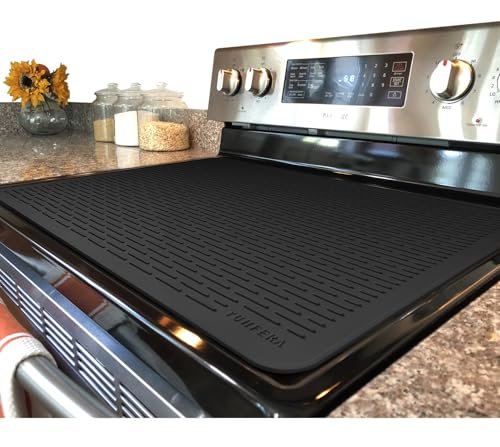
Never use steel wool or harsh scrubbers; they scratch enamel. Avoid strong chemicals like bleach or ammonia that can dull the finish. Use plastic or wooden tools to scrape off stuck food gently. Do not drag heavy pots on the surface to prevent chips. Protect the stove top by placing mats or liners under cookware. Handle with care to keep the enamel smooth and shiny.

Credit: uk.style.yahoo.com
Frequently Asked Questions
How Do I Clean A Black Enamel Stove Top Safely?
Use a soft cloth with warm, soapy water to clean gently. Avoid abrasive tools that can scratch the enamel surface. Rinse well and dry with a microfiber cloth to prevent streaks and maintain shine.
What Household Products Work Best On Enamel Stove Tops?
Mild dish soap, baking soda, and white vinegar are effective for cleaning. These products remove grease without damaging the enamel. Always test a small area first to ensure no discoloration occurs.
Can I Use Abrasive Cleaners On Black Enamel Stove Tops?
No, abrasive cleaners can scratch and dull the enamel surface. Use only non-abrasive cleaners or natural remedies like baking soda paste. Gentle cleaning preserves the stove top’s glossy finish longer.
How Often Should I Clean My Black Enamel Stove Top?
Clean your stove top after every use to prevent buildup. Regular cleaning avoids tough stains and keeps the surface looking new. Wipe spills immediately to maintain enamel quality.
Conclusion
Cleaning a black enamel stove top is simple with the right steps. Use gentle cleaners and soft cloths to protect the surface. Regular cleaning keeps your stove looking shiny and new. Avoid harsh scrubbing to prevent scratches. Small efforts make a big difference over time.
Keep your kitchen fresh and your stove spotless. A clean stove top makes cooking more enjoyable and safe. Try these easy tips today for a beautiful stove every day.