Have you ever wondered what’s really happening inside your refrigerator’s water filter? You rely on it every day for clean, fresh-tasting water, but do you know how it actually works to keep impurities out?
Understanding this simple yet powerful process can help you make smarter choices for your health and home. Keep reading, and you’ll discover the secrets behind your fridge’s water filter—how it cleans, what it removes, and why regular replacement is key to enjoying pure, safe water every time.
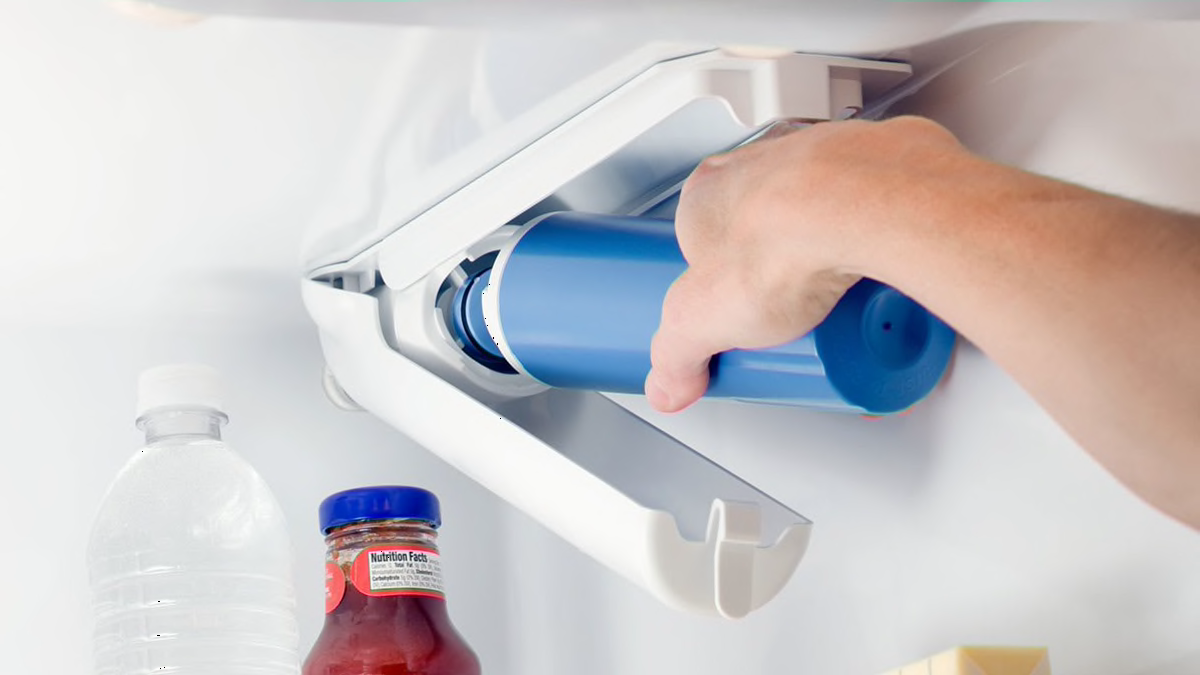
Credit: www.consumerreports.org
How Refrigerator Water Filters Work
Refrigerator water filters clean the water before it reaches your glass. They remove impurities and improve taste. These filters work by trapping particles and harmful substances inside. This helps provide safe and fresh water for drinking and cooking.
Basic Filtration Process
Water flows through the filter inside the fridge. The filter has tiny pores that block dirt and sediment. As water passes through, these particles get trapped. Clean water then moves out for use. The process is simple but effective.
Common Filter Types
- Carbon filters: Use charcoal to absorb impurities.
- Reverse osmosis filters: Remove many dissolved solids.
- Ceramic filters: Block bacteria and larger particles.
Most refrigerators use carbon filters because they balance cost and efficiency well.
Role Of Activated Carbon
Activated carbon has many small holes and a large surface area. It captures chemicals like chlorine and pesticides. This reduces bad taste and odors. Carbon also traps some heavy metals like lead. It works through adsorption, where particles stick to the carbon surface.
Removal Of Contaminants
Filters target various contaminants in water:
- Chlorine and chemicals that affect taste.
- Lead and mercury, which can harm health.
- Sediment and rust particles from pipes.
- Bacteria and cysts that cause illness.
By removing these, the filter makes water safer and cleaner.
Credit: www.whirlpool.com
Benefits Of Using Water Filters
Using a water filter in your refrigerator offers clear benefits that go beyond just clean water. It improves your everyday drinking experience, supports your health, and even protects your kitchen appliances. Understanding these advantages can help you decide why a water filter is a smart addition to your home.
Improved Taste And Odor
Have you ever noticed a strange taste or smell in your tap water? A refrigerator water filter removes chlorine and other chemicals that often cause these unpleasant flavors and odors. This means your water tastes fresher and your ice cubes won’t carry any weird smells.
Many people find they drink more water simply because it tastes better. Isn’t it easier to stay hydrated when your water is enjoyable?
Health Advantages
Water filters trap harmful contaminants like lead, mercury, and bacteria that might be present in your water supply. This reduces your risk of consuming substances that can harm your health over time.
Filtered water can also be gentler on your skin and hair when you use it for cooking and washing. How often do you consider the quality of water in your daily health routine?
Protection For Appliances
Impurities in water can build up inside your refrigerator’s water dispenser and ice maker, causing clogs and damage. Using a water filter helps prevent scale and sediment buildup, extending the life of these parts.
This means fewer repairs and less maintenance, saving you money and hassle. Would you rather replace parts or enjoy smooth operation with minimal effort?
Signs You Need To Replace Your Filter
Refrigerator water filters keep your drinking water clean and fresh. Over time, these filters get clogged with dirt and impurities. Recognizing the signs that your filter needs replacing helps maintain water quality and appliance performance. Watch for subtle changes around your fridge and in water output. Acting on these signs ensures you always enjoy safe, clear water.
Decreased Water Flow
Water flow slows down when the filter clogs. This happens because trapped particles block water passage. If your water dispenser feels weak or slow, the filter may be due for a change. Reduced flow can affect ice maker speed and water output.
Changes In Water Taste
Fresh filters improve water taste by removing odors and chemicals. A foul or strange taste signals a tired filter. Water might taste metallic, bitter, or just off. Noticeable taste changes mean impurities are no longer filtered well. Replacing the filter restores clean, refreshing water.
Filter Lifespan And Indicators
Most filters last about six months or 200 gallons of water. Check your refrigerator manual for specific guidance. Some models have indicator lights or alerts for filter replacement. These indicators help you stay on schedule. Ignoring lifespan limits reduces water quality and filter efficiency.
Choosing The Right Filter
Choosing the right refrigerator water filter is essential for ensuring clean, fresh-tasting water. Not every filter fits every fridge, and the quality varies widely. Knowing what to look for helps you avoid costly mistakes and keeps your water safe.
Compatibility With Refrigerator Models
Not all water filters work with every refrigerator. Your first step is to check the model number of your fridge. Manufacturers often design filters specifically for certain models or brands.
Using the wrong filter can lead to leaks or poor filtration. Check your fridge’s manual or the manufacturer’s website for recommended filters. If you’re unsure, customer support can guide you to the right option.
Filter Certification Standards
Filter certifications tell you if the filter actually does what it claims. Look for certifications from organizations like NSF International or the Water Quality Association (WQA). These certifications confirm the filter meets strict safety and performance standards.
For example, NSF/ANSI Standard 42 shows the filter reduces chlorine taste and odor, while Standard 53 ensures it removes harmful contaminants like lead. Don’t skip this step—you want proof your filter works, not just marketing claims.
Cost And Maintenance Considerations
Price varies a lot between filters, but cheap isn’t always better. Consider how often you’ll need to replace the filter and whether replacement filters are easy to find. Some filters last six months, others up to a year.
Ask yourself: Is the upfront cost worth the long-term maintenance? A filter that’s easy to install and replace saves time and frustration. Also, think about the availability of replacement filters—will you be stuck waiting or paying extra for shipping?
Installing And Maintaining Filters
Refrigerator water filters trap dirt, chlorine, and other impurities to improve water taste and safety. Regularly changing filters ensures clean water and prevents clogging. Proper installation keeps the system working smoothly and extends the filter’s life.
Installing and maintaining refrigerator water filters ensures clean and safe water. Proper installation and regular maintenance keep your filter working efficiently. This section will guide you through installation, cleaning tips, and troubleshooting issues.
Step-by-step Installation Guide
To install a refrigerator water filter, follow these simple steps:
- Identify the filter location in your fridge.
- Turn off the water supply to the refrigerator.
- Twist or pull out the old filter, depending on the model.
- Insert the new filter, ensuring it fits securely.
- Turn the water supply back on.
- Run water through the dispenser to remove air and loose particles.
Cleaning Tips
Keeping your filter area clean extends its lifespan.
- Wipe the filter housing with a damp cloth regularly.
- Check for any leaks or unusual smells.
- Replace filters every six months or as per manufacturer guidelines.
Troubleshooting Common Issues
Encountering problems? Here are solutions for common filter issues:
- If water flow decreases, check for blockages or replace the filter.
- Unusual tastes or odors might mean the filter needs replacing.
- If the filter won't fit, ensure it's the correct model for your fridge.
Environmental Impact Of Water Filters
Refrigerator water filters play a key role in providing clean drinking water. Yet, their environmental impact deserves attention. These filters contain plastic and filter media that need proper handling after use. Improper disposal can harm the environment and waste resources.
Understanding how to dispose of these filters and exploring eco-friendly choices can reduce their negative effects. Small changes in how we manage water filters can help protect the planet.
Filter Disposal Methods
Used water filters often end up in landfills. This adds to plastic waste and pollution. Some filters contain activated carbon and resin, which do not break down easily.
Recycling is an option, but not all areas accept water filters. Special programs may exist for collecting and recycling them safely. Check local guidelines for proper disposal.
- Remove filter parts if required before disposal.
- Use designated recycling centers or mail-in programs.
- Avoid throwing filters in regular trash when possible.
Eco-friendly Alternatives
Eco-friendly water filters reduce waste and environmental harm. Some filters use biodegradable materials or are designed to last longer.
Reusable filter cartridges are another option. These can be cleaned and refilled, cutting down on single-use waste.
- Choose filters made with recyclable or compostable materials.
- Consider systems with replaceable parts instead of full cartridges.
- Look for certifications indicating environmental responsibility.

Credit: www.amazon.ca
Frequently Asked Questions
How Do Refrigerator Water Filters Remove Impurities?
Refrigerator water filters use activated carbon to trap contaminants. They absorb chlorine, sediment, and other impurities. This improves water taste and safety by reducing harmful substances effectively.
How Often Should I Replace My Refrigerator Water Filter?
Replace your filter every 6 months or as recommended. Frequent changes ensure clean water and optimal filtration. Regular replacement prevents clogging and maintains water flow.
Can Refrigerator Water Filters Remove Bacteria?
Most filters reduce some bacteria, but not all. They mainly target chemicals and sediments. For complete bacteria removal, consider additional purification methods like UV filters.
What Happens If I Don’t Change The Water Filter?
Old filters clog and reduce water flow. They may let contaminants pass through, risking water quality. Timely replacement ensures clean, fresh-tasting water and protects your fridge.
Conclusion
Refrigerator water filters clean water by trapping dirt and chemicals. They keep your drinking water fresh and safe. Changing filters regularly helps maintain good taste and health. Filters work quietly inside your fridge, without any hassle. Understanding how they work helps you use them better.
Clean water supports a healthy lifestyle every day. Simple steps make your water pure and clear. Trust your filter to do its job well. Stay refreshed with filtered water from your fridge.