Is your fridge acting up, and you’re not sure if it’s really broken? You rely on your refrigerator every day to keep your food fresh and safe.
When it starts making strange noises, stops cooling properly, or leaks water, it can be confusing and stressful. But how do you know if it’s just a small issue or a sign that your refrigerator is truly broken? Keep reading, and you’ll discover simple signs to watch for and what you can do next to avoid spoiled food and costly repairs.
Don’t wait until it’s too late—your fridge might be trying to tell you something important right now.
Credit: www.kitchenaid.com
Signs Of Temperature Issues
Temperature problems are common signs that your refrigerator may be broken. These issues affect food safety and cause energy waste. Spotting these signs early can help prevent bigger repairs or food loss.
Unusual Warmth Inside
Food feels warmer than usual inside the fridge. Drinks may not chill properly. This warmth means the cooling system struggles to keep the right temperature. It can lead to spoiled food quickly. Check if the fridge door seals tightly. Warm air can enter and reduce cooling efficiency.
Frost Buildup Problems
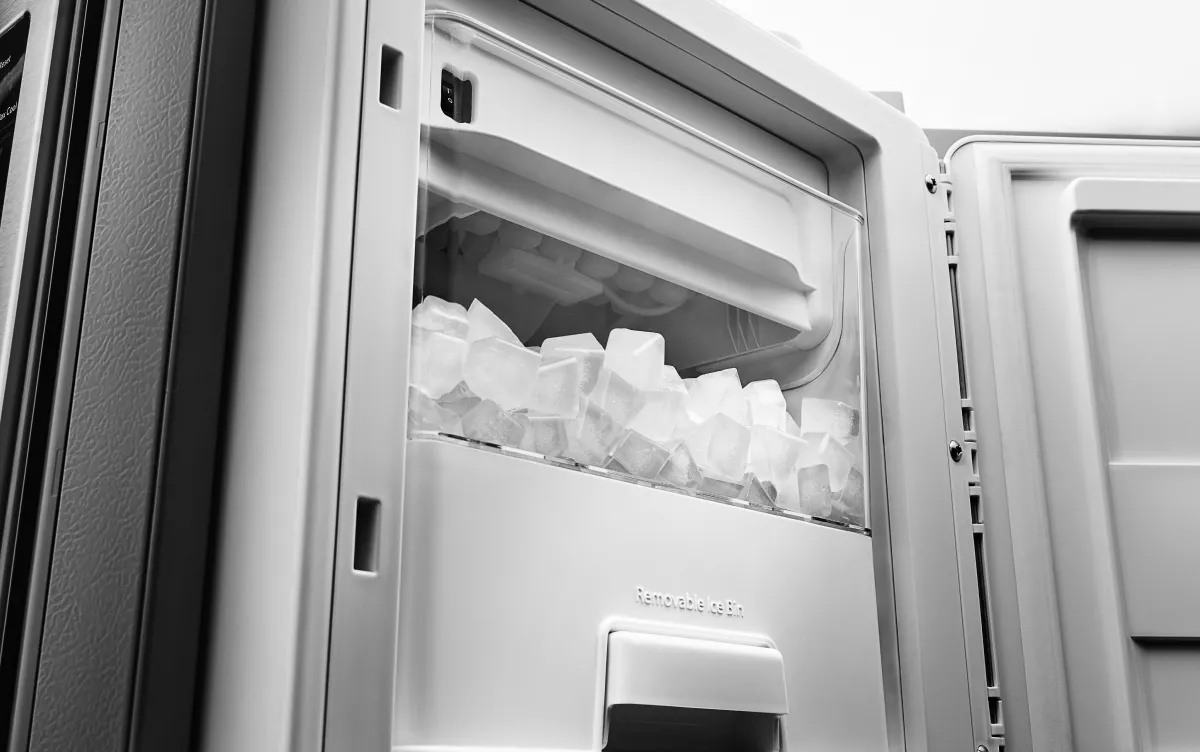
Frost appears inside the freezer or fridge compartments. Ice layers grow thicker over time. This frost blocks vents and stops cold air circulation. The fridge has to work harder and may fail to cool well. Defrost the fridge and watch if frost returns fast. Fast frost buildup signals a cooling problem.
Inconsistent Cooling Patterns
The fridge cools in some spots but not others. Some food items stay cold while others warm up. Temperature changes happen often without reason. This inconsistency may come from faulty fans or sensors. It can also point to a damaged compressor. Uneven cooling harms food freshness and safety.
Strange Noises From The Unit
Strange noises coming from your refrigerator can signal trouble. These sounds often mean that parts inside are struggling or failing. Paying attention to these noises helps catch problems early. It also prevents food spoilage and costly repairs.
Loud Or Unusual Sounds
Loud rattling or banging noises are not normal. These sounds might come from loose parts or debris inside. Grinding noises could mean the compressor is failing. Listen carefully for any sounds that stand out.
Constant Running Motor
A motor that runs nonstop is a warning sign. It means the fridge is working too hard. This could be due to a faulty thermostat or dirty condenser coils. Continuous running wastes energy and may cause the motor to burn out.
Clicking Or Buzzing Alerts
Repeated clicking or buzzing sounds indicate electrical issues. The relay or start capacitor might be defective. These noises often come in a pattern. Ignoring them can lead to total fridge failure.
Physical Damage Indicators
Physical damage to a refrigerator often signals bigger problems inside. These issues can stop the fridge from working well. Spotting physical damage early helps avoid food spoilage and costly repairs.
Leaks And Water Pools
Water around or under the fridge is a clear sign of trouble. Leaks may come from broken pipes, clogged drains, or melting ice. Pools of water can damage floors and cause mold growth. Check for wet spots regularly to catch leaks early.
Damaged Door Seals
Door seals keep cold air inside and warm air out. Torn or cracked seals let cold air escape, making the fridge work harder. This wastes energy and can cause uneven cooling. Press the seals to see if they stick tightly all around the door.
Exterior Dents Or Cracks
Dents and cracks on the outside can hide internal damage. A dent may affect the compressor or cooling system inside. Cracks can let dirt and moisture enter, causing rust or electrical issues. Inspect the fridge’s body carefully for any visible damage.

Credit: www.kitchenaid.com
Electrical And Display Problems
Experiencing electrical and display problems with your refrigerator can be frustrating. These issues often signal that something is wrong with the appliance. Recognizing these signs early can prevent further damage and costly repairs. Let’s explore some common electrical and display issues that might indicate your refrigerator is broken.
Non-responsive Controls
If the refrigerator buttons or controls don't respond, it might be broken. This issue can arise from a faulty control panel. Sometimes, a simple reset may solve the problem. Unplug the fridge for a few minutes, then plug it back in. If the controls remain unresponsive, professional assistance might be needed.
Flickering Or Off Lights
Lights flickering inside the fridge can be a sign of trouble. It might indicate a loose connection or a failing bulb. If the lights are completely off, check the bulb first. Replacing it might solve the issue. If the problem persists, there could be an electrical fault.
Power Supply Issues
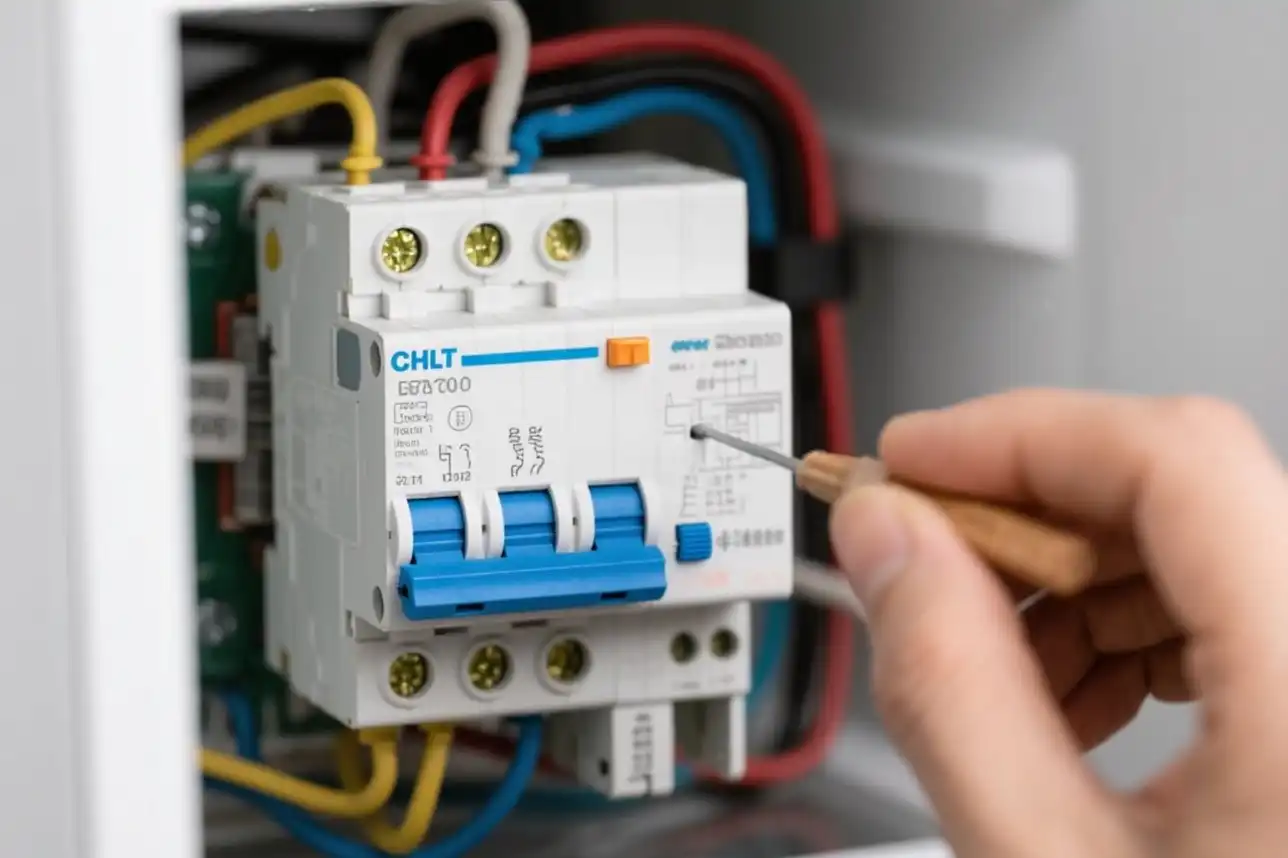
The refrigerator should always stay plugged into a working outlet. If the fridge isn't cooling or running, check the power supply. Ensure the outlet is functional by testing it with another device. Sometimes, a tripped circuit breaker can cut power to the fridge. Resetting the breaker might restore power. If these steps don't help, there may be a more serious electrical issue.
Food Spoilage Signs
Recognizing food spoilage signs is one of the quickest ways to tell if your refrigerator is not working properly. Your fridge’s job is to keep food fresh and safe, so if you notice your groceries going bad faster than usual, it’s a clear red flag. Paying attention to these signs can help you avoid wasted food and costly repairs.
Faster Food Decay
Have you noticed your fruits and vegetables turning mushy or moldy within days instead of weeks? This could mean your fridge isn’t cooling enough. Meat and dairy products that spoil quickly also point to temperature issues inside your refrigerator.
Try keeping a simple food diary for a few days. If you spot consistent spoilage, it’s a strong indicator that your fridge might be broken or malfunctioning.
Unusual Odors Inside
Strange smells coming from your refrigerator are more than just unpleasant—they can signal that food is going bad prematurely. Sometimes a failing fridge fails to maintain proper airflow, causing odors to build up.
If you open your fridge and are hit by a sour or rotten smell even when there’s no obvious spoiled food, it’s time to inspect your appliance. Smells that linger despite cleaning suggest a cooling problem or a blocked drain.
Ice Cream Melting Quickly
Ice cream melting faster than usual is a surprising but telling sign that your refrigerator isn’t cold enough. If your freezer section isn’t maintaining a steady freezing temperature, it’s a clear warning.
Next time you buy ice cream, watch how long it stays solid inside your freezer. If it softens quickly, your refrigerator may need immediate attention to avoid further food loss.
When To Call A Technician
Knowing when to call a technician can save time and money. Some refrigerator problems are easy to fix at home. Others need expert tools and skills. Acting fast prevents food spoilage and bigger repairs. Watch for signs that show the issue is serious. Learn which fixes you can try yourself. Understand when professional help is the best choice. Follow simple tips to keep your fridge running well.
Minor Fixes You Can Try
- Check if the fridge is plugged in properly.
- Clean the condenser coils at the back or bottom.
- Make sure the door seals are clean and close tightly.
- Adjust the temperature settings to the recommended levels.
- Remove any blockages inside that stop air flow.
- Defrost manually if frost buildup is heavy.
- Check for unusual noises that may come from loose parts.
Situations Needing Expert Help
- The fridge does not cool even after basic checks.
- Water leaks inside or around the appliance.
- Strange smells or burning odors appear near the fridge.
- The compressor or fan makes loud or unusual noises.
- Ice builds up quickly and cannot be removed easily.
- Electrical issues like frequent tripping of breakers.
- Refrigerant leaks or damaged cooling system parts.
Preventive Maintenance Tips
- Clean coils every six months to improve efficiency.
- Keep door seals free of dirt and check their tightness.
- Set the temperature between 37°F and 40°F (3°C–4°C).
- Do not overload the fridge to allow proper air flow.
- Clear drains and water lines to avoid clogs.
- Check the fridge regularly for signs of wear or damage.
- Schedule professional maintenance once a year for best care.

Credit: www.reddit.com
Frequently Asked Questions
How Can I Tell If My Fridge Is Not Cooling Properly?
If your fridge feels warm or food spoils quickly, it may not be cooling well. Check for frost buildup or unusual noises. These signs often indicate a cooling issue needing repair or professional inspection.
What Are Common Signs Of A Broken Refrigerator?
Common signs include excessive noise, water leaks, fridge not cooling, and frequent cycling. If you notice these, your refrigerator likely needs maintenance or replacement.
Why Is My Refrigerator Running But Not Cooling?
If the fridge runs but doesn’t cool, the condenser coils might be dirty, or the compressor could be failing. Both issues reduce cooling efficiency and require attention.
How Do I Know If My Fridge Compressor Is Faulty?
A faulty compressor often causes loud noises or no cooling at all. If the fridge is warm and the compressor is hot or silent, it may need professional repair.
Conclusion
A broken refrigerator can cause many problems at home. Strange noises, warm food, or water leaks are clear signs. Checking these signs early can save money and food. Don’t wait for the fridge to stop working completely. Small issues often show before bigger ones appear.
Call a professional if you feel unsure. Keeping your fridge in good shape helps your food last longer. Simple steps can prevent costly repairs later. Stay alert to changes in your refrigerator’s behavior. Taking action early keeps your kitchen running smoothly.