Is your old refrigerator taking up space and causing headaches? You’re not alone.
Getting rid of a bulky appliance can feel overwhelming, confusing, and even expensive. But it doesn’t have to be that way. You’ll discover simple, effective ways to say goodbye to your old fridge without stress or hassle. Keep reading, and you’ll learn how to make the process easy, safe, and maybe even save some money along the way.
Your clutter-free kitchen is just a few steps away.

Credit: junk-rescue.com
Assessing The Refrigerator's Condition
Before deciding how to get rid of your old refrigerator, it's important to assess its condition carefully. This will help you determine whether it can be donated, recycled, repaired, or simply disposed of. Understanding the state of your fridge saves you time and ensures you choose the best and most eco-friendly option.
Checking For Functionality
Start by plugging in the refrigerator to see if it powers on and cools properly. Listen for unusual noises, like loud humming or clicking sounds, which could indicate mechanical issues. If it doesn’t work, note if it stopped suddenly or has been failing gradually—this can influence disposal options.
Inspecting Physical Damage
Look for dents, cracks, or broken seals on the doors and body. A damaged door seal can cause energy loss and might be an easy fix, while deep rust or structural damage often means it’s time to let go. Also, check the interior for mold or water damage, which affects usability and safety.
Evaluating Age And Energy Efficiency
Find the model number and manufacture date on the fridge’s label, usually inside the door frame. Older refrigerators typically use more energy and might not meet current efficiency standards. Ask yourself if the cost to run or fix it justifies keeping it or if replacing it is a smarter choice.
Considering Environmental Impact
Think about how disposing of your fridge affects the environment. Refrigerators contain refrigerants and other materials that need special handling. Knowing if your model has harmful chemicals like CFCs helps you decide between recycling or donating.
Local Disposal Regulations
Before you toss out that old refrigerator, you need to understand the local disposal regulations. These rules can vary greatly depending on where you live. Ignoring them might lead to fines or environmental harm.
Many cities require special handling because refrigerators contain chemicals like refrigerants and foam insulation that can damage the environment if released improperly. Knowing the rules helps you get rid of your fridge safely and legally.
Checking Your City Or County Guidelines
Start by visiting your city or county’s official website. They often have a dedicated section on appliance disposal. You might find specific instructions about drop-off locations or scheduled pick-ups.
Some places offer free recycling programs, while others charge a fee. If you don’t check, you could end up paying more or leaving your fridge at a place that doesn’t accept it.
Understanding Hazardous Material Handling
Refrigerators contain refrigerants like Freon, which require special removal and disposal. Local rules usually mandate that certified technicians handle this part.
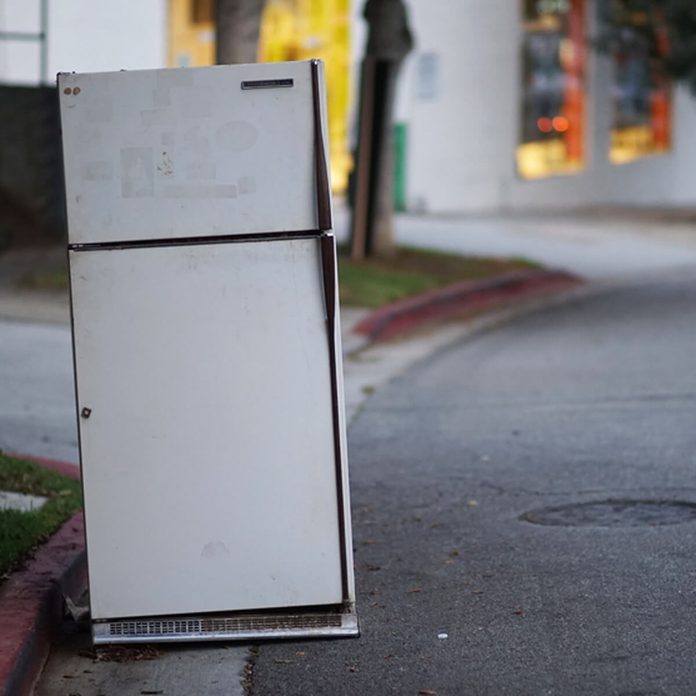
This means you can’t just leave your fridge by the curb for regular trash collection. Ask if your area offers professional appliance recycling services or if you need to arrange for a certified company.
Finding Approved Recycling Centers
Look for recycling centers certified to handle appliances. These centers dismantle the fridge safely and recycle parts like metal and plastic.
Some centers might even pay you for your old fridge, depending on the materials recovered. It’s worth calling ahead to confirm what they accept and if there are any costs involved.
Scheduling Bulk Trash Pickup
Many municipalities provide bulk trash pickup days for large items like refrigerators. You usually need to schedule this in advance and follow preparation guidelines.
For example, you may have to remove doors or drain fluids before pickup. Missing these steps could delay the process or result in fines.
Have you checked your local disposal rules yet? Taking a few minutes now can save you hassle and protect the environment when getting rid of your old refrigerator.
Donation Options For Working Units
Donating a working old refrigerator helps others and reduces waste. Many groups accept refrigerators in good condition. They offer the appliance to people who need it most. This keeps the fridge useful and out of landfills.
Charitable Organizations
Many charities accept refrigerators to support families in need. These organizations often repair and redistribute appliances. Donations help low-income households save money. Some groups offer pickup services for large items. Check local listings for charities near you.
Community Centers And Shelters
Community centers and shelters often need refrigerators for food storage. They provide support to homeless or struggling people. Donating a fridge helps these centers serve more people. Contact local centers to ask about donation rules. They may have specific requirements for working units.
Selling Or Giving Away
Getting rid of an old refrigerator doesn't have to be a hassle or end up costing you money. Selling or giving it away offers practical solutions that benefit both you and someone else in need. You can clear out space quickly while helping someone save on appliance costs.
Online Marketplaces
Online marketplaces like Craigslist, Facebook Marketplace, and eBay are great places to list your old refrigerator. They allow you to reach many potential buyers or takers right in your neighborhood. Take clear photos, mention any issues honestly, and set a fair price or mark it as free to attract more interest.
One time, I gave away a fridge on Facebook Marketplace and had multiple offers within hours. It felt good knowing it would get reused instead of dumped. Have you checked how easy it is to post a free listing today?
Community Boards
Local community boards, both physical and digital, can connect you with people who prefer to shop or receive items nearby. Bulletin boards at libraries, grocery stores, or community centers often have sections for free items or used appliances. Posting a simple note with your contact info can bring quick responses.
Neighborhood apps like Nextdoor also serve as a modern community board. They help you reach your immediate neighbors, increasing the chances of finding someone willing to pick up your old fridge fast. Could your community board be the hidden gem for your appliance’s next home?
Recycling The Refrigerator
Recycling an old refrigerator is a smart choice for the environment and your safety. Refrigerators contain harmful chemicals and materials that must be handled carefully. Recycling helps keep these toxins out of landfills and recovers valuable parts. This process supports energy savings and reduces waste. Understanding where to recycle makes the task simple and responsible.
Certified Recycling Centers
Certified recycling centers follow strict rules to handle refrigerators safely. They remove refrigerants and oils without harming the environment. These centers break down the fridge into parts that can be reused or recycled. Some parts, like metals, can be melted and made into new products. Certified centers ensure no dangerous materials leak during the process.
To find a certified center, check local government websites or environmental agencies. Many centers offer free drop-off services or small fees. Using these centers guarantees your old fridge is recycled correctly and safely.
Retailer Take-back Programs
Many retailers offer take-back programs when you buy a new refrigerator. They collect your old appliance and arrange for proper recycling. This service often includes free or low-cost pick-up from your home. Retailers partner with certified recyclers to manage the disposal responsibly.
Take-back programs save time and effort. They also ensure your fridge is handled by experts. Ask the retailer about their recycling options before purchasing your new appliance. This option helps you avoid illegal dumping or unsafe disposal.
Professional Removal Services
Getting rid of an old refrigerator can be a hassle, especially if you want to avoid damaging your home or the environment. Professional removal services offer a convenient and safe way to handle this task. They bring the right tools and knowledge, making the entire process smooth from start to finish.
Hiring Junk Removal Companies
Junk removal companies specialize in taking away bulky items like old refrigerators quickly. You simply schedule a pickup, and their team handles the heavy lifting and transportation. This saves you time and spares you the struggle of moving a large appliance alone.
Many companies also offer same-day or next-day services, which is perfect if you need the fridge gone urgently. Plus, they often recycle or donate appliances when possible, so you’re not just tossing it into a landfill.
Environmental Considerations
Old refrigerators contain refrigerants and other materials that can harm the environment if not disposed of properly. Professional services know how to extract and recycle these substances safely, preventing toxic chemicals from leaking.
Have you ever wondered what happens to your fridge after it leaves your home? With professional help, you can be sure it’s handled responsibly, reducing your carbon footprint. This approach supports eco-friendly waste management and helps keep harmful pollutants out of the atmosphere.
Diy Dismantling For Parts
Dismantling your old refrigerator yourself can be a rewarding way to recycle parts and reduce waste. It gives you a chance to salvage useful components that might still have value or can be repurposed around your home. But before you grab your tools, there are important safety measures and practical tips to keep in mind to make sure the process goes smoothly and safely.
Safety Precautions
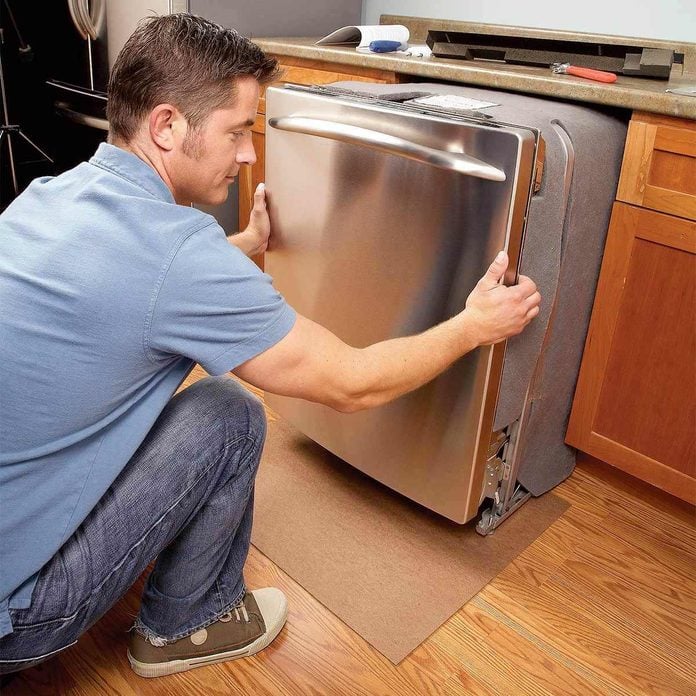
Before you start taking apart your fridge, unplug it and let it sit for a few hours. This allows any remaining coolant or electrical charge to settle, reducing the risk of shock or injury.
Wear protective gloves and safety goggles to shield yourself from sharp edges and debris. Refrigerators have metal parts that can be surprisingly sharp once panels are removed.
Keep a fire extinguisher nearby just in case, especially if you plan to use power tools. Also, work in a well-ventilated area to avoid inhaling dust or any released gases.
Salvaging Valuable Components
Look for parts like the compressor, fan motors, and thermostats—they often still function well and can be reused or sold. The compressor, in particular, is a heavy-duty piece that some hobbyists use for DIY projects.
Check the door seals and shelves too; these can be handy replacements if you know someone with a similar model. Even smaller parts like screws and connectors might come in handy for future repairs.
Have you ever thought about turning old fridge magnets or shelves into creative home organizers? Salvaging parts can spark unexpected ideas beyond just recycling.
Credit: www.familyhandyman.com
Creative Upcycling Ideas
Old refrigerators can find new life beyond the landfill. Creative upcycling turns bulky appliances into useful and stylish items. This approach saves resources and adds charm to your home or garden. It offers a chance to recycle with flair and personal touch.
Converting Into Storage Solutions
Empty refrigerators provide sturdy, enclosed storage. Remove the door and shelves for easy access. Paint the exterior to match your decor style. Use it as a unique cabinet in your garage or workshop.
- Store tools, paint cans, or garden supplies safely.
- Create a cool drinks fridge for outdoor parties.
- Turn it into a craft supply organizer with labeled bins.
This upcycling idea keeps items dust-free and easy to reach. It also adds character to otherwise plain spaces.
Garden And Outdoor Uses
Old fridges make quirky garden features. They offer shelter and storage all in one. Remove internal parts and clean thoroughly before use.
- Convert into a cold frame to protect seedlings.
- Use as a compost bin with proper ventilation holes.
- Create a planter by filling the cavity with soil and flowers.
- Build an outdoor bar or beverage cooler for backyard fun.
This reuse supports eco-friendly gardening while adding creative flair. Outdoor upcycling blends function with rustic charm.
Credit: www.familyhandyman.com
Frequently Asked Questions
How Can I Dispose Of An Old Refrigerator Safely?
Contact local waste management for appliance recycling programs. Many areas offer free pick-up or drop-off services. Never leave refrigerators at curbside without proper arrangements due to environmental hazards.
Are There Any Fees For Recycling Old Refrigerators?
Some recycling centers charge a small fee, while others offer free services. Check with local authorities or recycling centers for specific costs and policies.
Can I Donate My Old Refrigerator Instead Of Discarding It?
Yes, if the refrigerator works well, many charities accept appliance donations. Ensure it is clean and in good condition before donating.
What Should I Do Before Getting Rid Of My Old Fridge?
Remove all food and clean the interior thoroughly. Unplug the appliance and defrost it if necessary to prevent leaks or odors.
Conclusion
Getting rid of an old refrigerator does not have to be hard. Many local services help with appliance removal. Some places even pay for working refrigerators. Recycling keeps harmful parts out of the landfill. Donating can give your fridge a second life.
Always check rules in your area before disposal. Taking small steps protects the environment and your space. Choose the option that fits your needs best. Now, your old fridge won’t take up room anymore. Simple actions make a big difference in handling old appliances.