Is your refrigerator turning your fresh fruits, veggies, and leftovers into icy blocks? You’re not alone.
When your fridge freezes food, it wastes your groceries and leaves you puzzled. But don’t worry—fixing this common problem is easier than you think. You’ll discover simple steps to stop your fridge from freezing your food, saving you money and stress.
Keep reading, because your perfectly chilled, not frozen, food is just a few fixes away.

Credit: oakvalleyappliance.com
Common Causes Of Freezing In Refrigerators
Freezing food in your refrigerator can be frustrating, especially when fresh fruits, vegetables, or leftovers turn into icy blocks unexpectedly. Understanding why your fridge is freezing food is the first step to fixing the problem. Several common causes can lead to this issue, and identifying them will help you take effective action.
Thermostat Set Too Low
The temperature setting in your refrigerator plays a big role in how cold it gets. If the thermostat is set too low, it can cause food near the back or bottom to freeze. Try adjusting the temperature to a slightly warmer setting and see if that stops the freezing.
Poor Air Circulation
Air needs to flow freely inside your fridge for even cooling. If items are packed too tightly or placed in front of vents, cold air can pool in certain areas, causing localized freezing. Make space between items and avoid blocking vents to improve air circulation.
Damaged Or Worn Door Seals
Door seals that don’t close properly let cold air escape and warm air enter, forcing the fridge to work harder. This can cause uneven cooling and freezing in some spots. Check your door seals for cracks or gaps and replace them if needed.
Faulty Defrost System
Modern fridges use automatic defrost cycles to prevent ice buildup. When this system malfunctions, frost can build up on coils and cause your fridge to overcool. If you notice frost inside or hear your fridge running constantly, the defrost system might need professional attention.
Placing Food Too Close To Cooling Elements
Some refrigerators have cooling elements near the back wall or bottom. Food placed directly against these cold surfaces can freeze quickly. Try moving items away from these areas to prevent freezing.
Adjusting Temperature Settings
Adjusting the temperature settings in your refrigerator can often solve the problem of food freezing unexpectedly. If your freezer or fridge is too cold, it can cause fresh produce or leftovers to freeze, ruining their texture and taste. Understanding how to find and set the correct temperature is key to keeping your food fresh without freezing it.
Optimal Temperature Range
The ideal temperature for a refrigerator is between 37°F and 40°F (3°C to 4°C). This range keeps your food cold enough to stay fresh but prevents freezing. For the freezer section, the temperature should be set at 0°F (-18°C).
Setting your fridge colder than 37°F might seem like a good idea to preserve food longer, but it can actually cause items like fruits, vegetables, and dairy to freeze. Have you noticed your milk or leafy greens becoming icy? This usually means your fridge is too cold.
Locating The Temperature Control
Temperature controls vary by refrigerator model but are usually found inside the fridge compartment or on the front panel. Look for a dial, slider, or digital display marked with numbers or temperature settings.
If you’re unsure where your control is, check the user manual or look online for your model’s guide. Adjust the temperature gradually—lower the setting by one degree at a time, then wait 24 hours to see the effect. Sudden big changes can cause your fridge to malfunction or overcool.
Have you ever adjusted the settings only to find the problem persists? It might be worth double-checking that the control is working correctly or if other issues like door seals or airflow are involved.
Checking Door Seals
Checking the door seals is a key step to stop your refrigerator from freezing food. These seals keep cold air inside and warm air out. Damaged or loose seals let warm air in, causing frost and freezing issues. Regular checks help your fridge work well and save energy.
Inspecting For Gaps
Look closely along the door edges. Check if the seal touches the fridge body all around. Use a flashlight to find small gaps or cracks. A simple test is to close the door on a piece of paper. If you can pull the paper out easily, the seal may not be tight enough.
Replacing Worn Seals
Old seals lose flexibility and crack. Replace seals that show signs of wear or damage. Buy a new seal that fits your fridge model. Remove the old seal carefully by pulling it out of the groove. Press the new seal firmly into place. Make sure it fits snugly to prevent air leaks.
Organizing Food For Better Airflow
Proper airflow inside your refrigerator plays a crucial role in preventing your food from freezing. When cold air circulates evenly, it keeps temperatures consistent and avoids cold spots that can freeze your items. Organizing food thoughtfully helps maintain this airflow, so your fridge works efficiently and your food stays fresh.
Avoiding Overcrowding
Have you ever packed your fridge so tightly that you struggle to find anything? Overcrowding blocks air vents and traps cold air in certain areas. This uneven airflow causes some spots to become excessively cold, freezing your food.
Try leaving space between items to let air move freely. Use smaller containers or stack items neatly rather than piling them up. Think about what you really need to keep chilled and remove extras to create breathing room.
Proper Food Placement
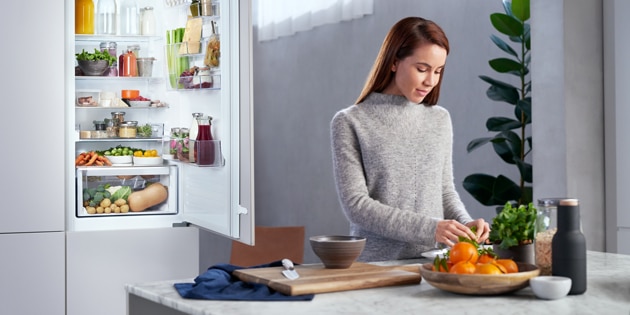
Not all shelves in your fridge are equally cold. The back and bottom tend to be colder, which might freeze sensitive items like leafy greens or soft fruits. Putting these foods in warmer zones, such as the middle shelves or door compartments, can prevent freezing.
Keep raw meats on lower shelves to avoid cross-contamination but ensure they don’t block vents. Place leftovers and ready-to-eat foods higher up. Group similar items together to make it easier to locate and to avoid overstacking.
Ask yourself: Is every item in your fridge placed where it can stay fresh without freezing? Adjusting placement can save your food and reduce waste.
Cleaning The Condenser Coils
Cleaning the condenser coils helps your refrigerator run smoothly. Dust and dirt build up on these coils over time. This buildup makes the fridge work harder, causing cold air to freeze food. Regular cleaning keeps the coils clear and your fridge at the right temperature.
Tools Needed For Cleaning
- Vacuum cleaner with a brush attachment
- Soft brush or coil cleaning brush
- Microfiber cloth
- Screwdriver (if needed to access coils)
- Gloves (optional for protection)
Step-by-step Cleaning Process
- Unplug the refrigerator to ensure safety.
- Locate the condenser coils. They are usually at the back or beneath the fridge.
- If needed, remove the access panel using a screwdriver.
- Use the vacuum cleaner with a brush attachment to remove loose dust.
- Gently brush the coils with a soft or coil cleaning brush to clear stubborn dirt.
- Wipe the area around the coils with a microfiber cloth.
- Replace the access panel if removed.
- Plug the refrigerator back in and check its performance.
Evaluating The Thermostat
Evaluating the thermostat is essential when your refrigerator freezes food. The thermostat controls the temperature inside the fridge. If it malfunctions, the fridge may get too cold. This causes food to freeze unexpectedly. Checking the thermostat helps find the root cause. It saves time and avoids unnecessary repairs. Understanding how to identify and replace a faulty thermostat keeps your fridge working well.
Identifying A Faulty Thermostat
Start by observing the fridge temperature. If the fridge is too cold despite adjusting the dial, the thermostat might be faulty. Listen for the compressor turning on and off frequently. A thermostat stuck in the cold setting causes constant running.
Use a multimeter to test the thermostat's continuity. Unplug the fridge and remove the thermostat knob. Disconnect the thermostat wires and check the readings on the multimeter. No continuity indicates a broken thermostat. Also, check for visible signs of damage or corrosion.
Replacing The Thermostat
Unplug the refrigerator before starting any repairs. Locate the thermostat, usually behind the control panel or inside the fridge. Remove the panel carefully to access the thermostat.
- Take note of the wiring connections or take a photo.
- Disconnect the wires from the old thermostat.
- Remove the mounting screws holding the thermostat in place.
- Install the new thermostat and secure it with screws.
- Reconnect the wires exactly as before.
- Replace the control panel and plug in the fridge.
Adjust the new thermostat to the recommended temperature. Monitor the fridge over the next day to ensure it no longer freezes food.
Examining The Damper Control
Freezing food in your refrigerator can be frustrating, especially when you expect it to keep things just cool enough. One common culprit behind this problem is the damper control. Understanding how this small but important part works can help you fix the freezing issue efficiently.
Function Of The Damper Control
The damper control regulates the flow of cold air from the freezer into the refrigerator compartment. It acts like a gate, opening to let cold air in and closing to keep the fridge at the right temperature.
If the damper is stuck open or malfunctioning, too much cold air enters the fridge. This causes your food to freeze unexpectedly. Have you noticed that your fridge feels colder near the freezer side? That’s often a damper control issue.
Adjusting Or Replacing The Damper
Check if the damper is stuck or blocked by ice buildup. You can gently clean it or defrost the area to see if that helps. Sometimes, simply adjusting the damper to a less open position can stop the freezing.
If adjusting doesn’t work, the damper control may need replacement. This isn’t usually expensive and can be done with basic tools. Make sure to consult your refrigerator’s manual or look up the exact part number for your model.
Have you ever tried tapping the damper gently while the fridge is running? Sometimes a small nudge can free a stuck mechanism. Don’t overlook this simple test before buying a new part.
Inspecting The Defrost Timer
Inspecting the defrost timer is a crucial step if your refrigerator is freezing food unexpectedly. This small device controls the defrost cycle, ensuring frost doesn't build up inside the freezer. If it malfunctions, your fridge might stay too cold, causing your food to freeze.
Role Of The Defrost Timer
The defrost timer switches your refrigerator between cooling and defrost modes. It runs on a set schedule, usually cycling every 8 to 12 hours to prevent frost buildup. When the timer fails, the fridge may stay in cooling mode continuously, leading to frozen food.
Think about your last time dealing with a freezer that felt like an icebox. The defrost timer might have been the hidden culprit behind the problem. Understanding its role helps you pinpoint why your fridge freezes food.
Testing And Replacing The Timer
To test the defrost timer, you’ll need a multimeter and some patience. First, unplug your fridge and locate the timer, often found behind the kickplate or inside the control panel. Set the timer manually by turning its dial until it clicks, which should start the defrost cycle.
- Check continuity with a multimeter between the timer’s terminals.
- If there’s no continuity, the timer is faulty and needs replacing.
- Replacing the timer is usually straightforward—disconnect the old one and connect the new timer exactly the same way.
Have you ever wondered how long a simple timer can affect your entire fridge’s performance? Testing it yourself can save you from unnecessary service calls and help you fix the freezing issue quickly.
Preventive Maintenance Tips
Preventive maintenance keeps your refrigerator working well and stops food from freezing. Small habits protect your fridge’s parts and keep temperatures steady. Regular care saves money and avoids food waste. Follow these easy tips to maintain your refrigerator.
Regular Cleaning Routine
Clean the fridge interior every two weeks. Remove all food items before cleaning. Use a soft cloth and mild soap. Avoid harsh chemicals that can damage surfaces.
Wipe down shelves, walls, and door seals carefully. Clean door gaskets to keep the seal tight. A tight seal stops cold air from leaking. Check and clean the drip pan and vents. This helps proper airflow and prevents frost buildup.
Routine Checks And Inspections
Check the temperature settings monthly. Ideal fridge temperature is between 37°F and 40°F (3°C to 4°C). Freezer should stay at 0°F (-18°C). Adjust settings if you notice frost or freezing food.
Inspect door seals for cracks or damage. Replace seals if cold air escapes. Listen for strange noises from the compressor or fans. Strange sounds can signal mechanical issues. Check the condenser coils every three months. Dusty coils reduce cooling efficiency and cause frost.

Credit: www.youtube.com
Credit: www.electrolux.in
Frequently Asked Questions
Why Is My Refrigerator Freezing My Food?
Your fridge may be too cold, causing food to freeze. Check the temperature setting and adjust it between 37°F and 40°F. Also, ensure food isn’t placed near the cooling vents, which can cause localized freezing.
How Can I Stop My Fridge From Freezing Vegetables?
Avoid placing vegetables directly against the back wall or vents. Use crisper drawers and keep the temperature at a moderate level to prevent freezing while maintaining freshness.
What Temperature Should I Set To Prevent Food Freezing?
Set your refrigerator temperature between 37°F and 40°F. This range keeps food fresh without freezing. Use an appliance thermometer to monitor and adjust the settings accurately.
Can A Faulty Thermostat Cause Food Freezing?
Yes, a malfunctioning thermostat can cause the fridge to run too cold. If adjusting the temperature doesn’t help, consider having a technician inspect or replace the thermostat.
Conclusion
Fixing a refrigerator that freezes food takes some simple steps. Check the temperature settings first. Keep vents clear so cold air flows well. Avoid placing warm food inside quickly. Clean the door seals to stop cold air leaks. Defrost the fridge if ice builds up.
These easy actions help your fridge keep food fresh. Regular care prevents future freezing problems. Save money and reduce food waste with these tips. Your fridge will work better and last longer. Simple fixes make a big difference.