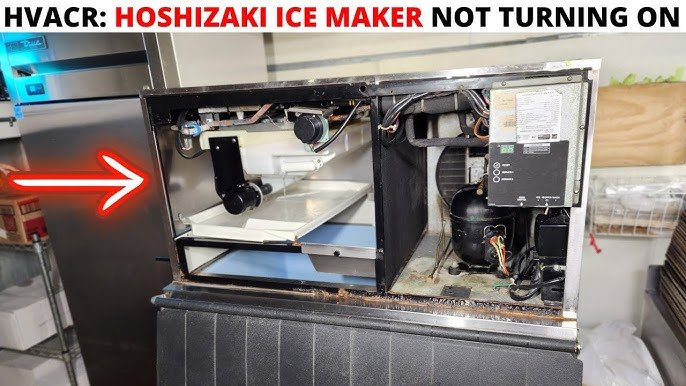
Is your ice maker suddenly refusing to make ice? It’s frustrating when you expect a cold drink, but your ice maker won’t cooperate.
You might wonder, “Why is my ice maker not working? ” The good news is, you’re not alone—and the fix might be simpler than you think. You’ll discover the common reasons behind your ice maker’s failure and easy steps to get it back up and running.
Keep reading to find out how to solve the problem quickly and enjoy ice-cold drinks again.
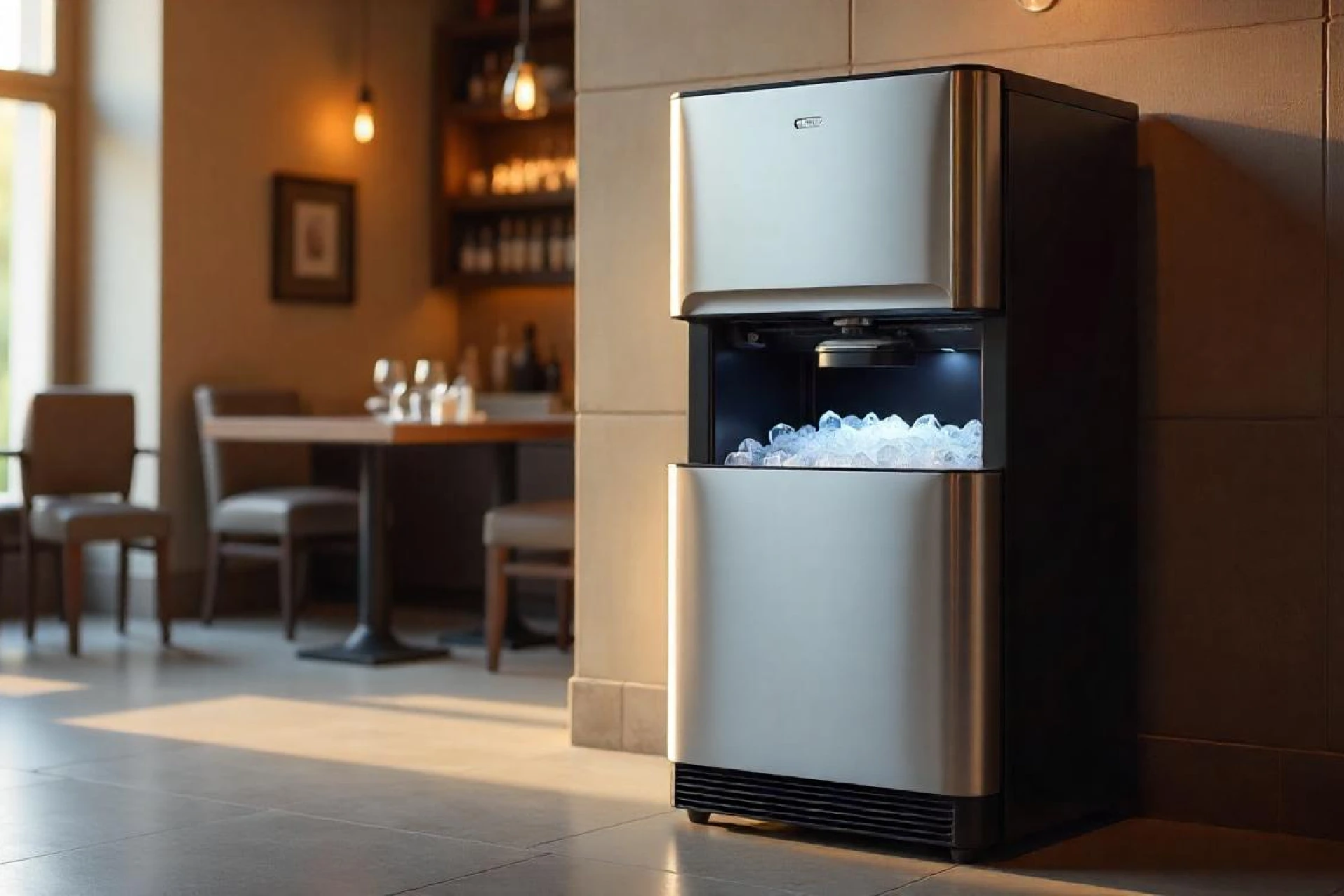
Credit: www.donfullerappliancerepair.com
Common Reasons For Ice Maker Malfunction
Ice makers stop working for many reasons. Knowing the common causes helps fix the problem fast. Most issues fall into three main groups.
Power Supply Issues
Ice makers need power to run. A loose plug or tripped circuit breaker can cut power. Check the outlet and power cord for damage. Sometimes, a reset button on the ice maker itself needs pressing. Without electricity, the ice maker stays off.
Water Supply Problems
Water is essential to make ice. A blocked or frozen water line stops water flow. A closed valve or low water pressure also stops water supply. Look for leaks or kinks in the water tube. Clean the water filter to allow good water flow.
Temperature Settings
The freezer temperature must be cold enough for ice. Too warm, and ice won't form. Check the thermostat setting and adjust it below 0°F (-18°C). A broken thermostat or door left open can raise temperature. Keep the freezer sealed tight for best results.
Troubleshooting Power Supply
Power supply issues often cause your ice maker to stop working, but they can be surprisingly simple to fix. Before calling a technician, you can quickly check a few things at home to see if your ice maker is getting the electricity it needs. Let’s look closely at how to troubleshoot power supply problems so you can get ice cubes flowing again.
Checking Electrical Connections
Start by examining the plug and outlet where your ice maker is connected. Sometimes the plug might be loose or partially unplugged, cutting off power without you noticing.
Look for any visible damage like frayed wires or scorch marks. If the cord feels hot or smells burnt, stop using it immediately and replace it.
Try plugging another appliance into the same outlet to see if it works. If it doesn’t, the issue is likely with the outlet rather than your ice maker.
Inspecting Circuit Breakers
Circuit breakers can trip unexpectedly, especially if there’s an overload. Check your home’s breaker panel for any switches that have flipped to the “off” position.
Even if the breaker looks fine, flipping it off and then back on can reset the circuit and restore power. This simple step has fixed my ice maker more than once.
If the breaker trips repeatedly, you might have a wiring problem or a short circuit. In that case, it’s safer to call an electrician before plugging your ice maker back in.
Resolving Water Supply Problems
Water supply issues often cause ice makers to stop working. Fixing these problems means looking closely at the parts of your fridge that manage water flow. Sometimes, the fix is simple, but other times it requires a bit of patience and careful inspection.
Examining Water Inlet Valve
The water inlet valve controls water entering your ice maker. If it’s faulty or clogged, water won’t flow properly. You can test it by checking if it clicks when the ice maker tries to fill.
Look for any visible damage or mineral buildup. Replacing a broken valve usually solves the problem fast. Have you checked if your ice maker makes any noise when it should be filling?
Inspecting Water Filter
A clogged water filter can stop water from reaching your ice maker. Filters should be replaced every six months or as recommended by the manufacturer. If you haven’t changed yours recently, try swapping it out and see if that helps.
Some filters get blocked with sediment, slowing the flow. If your water tastes odd or the ice looks cloudy, your filter might be the culprit. Do you know when you last replaced your fridge’s water filter?
Checking For Frozen Water Lines
Frozen water lines block water from reaching the ice maker. This can happen if the freezer is too cold or if the lines are in a cold spot inside the fridge. You can feel along the water line to see if it’s icy or hard.
Thawing the line with warm cloths or a hairdryer on low heat can fix this. Just be careful not to overheat or damage the line. Have you noticed your freezer temperature is set lower than usual?
Adjusting Temperature Settings
Adjusting the temperature settings of your freezer is often the key to fixing an ice maker that has stopped working. If the temperature is too warm, ice won’t form properly. On the other hand, if it’s too cold, ice cubes might freeze unevenly or the ice maker could malfunction.
Setting Optimal Freezer Temperature
Your freezer temperature should ideally be set between 0°F and 5°F (-18°C to -15°C). Temperatures above this range slow down ice production. If your freezer is set colder than 0°F, the ice maker might freeze parts of the mechanism, causing it to jam.
I once had an ice maker that stopped working because the temperature was set to -10°F. Adjusting it to the recommended range fixed the problem within hours. Check your freezer’s thermostat and adjust it gradually, then wait a few hours to see the effect.
Ensuring Proper Air Circulation
Good air circulation inside your freezer helps maintain consistent temperatures, which is critical for ice production. Avoid overcrowding your freezer with items blocking the vents, as this can lead to uneven cooling.
Think about how air moves inside your freezer. Does anything block the vents or air pathways? You might need to rearrange items or remove excess packaging to ensure cold air flows freely around the ice maker.
Have you noticed frost buildup near the ice maker? This might be a sign of poor air circulation. Defrosting your freezer and keeping vents clear can prevent this problem and help your ice maker work properly again.
Cleaning And Maintenance Tips
Cleaning and maintaining your ice maker is key to keeping it working well. Dirt, mineral buildup, and mold can block ice production. Regular care prevents common issues and extends your machine’s life.
Simple cleaning steps remove grime and keep water flowing smoothly. Pay close attention to parts that get wet often. This stops bad smells and poor ice quality. Follow these tips to maintain a healthy ice maker.
Regular Cleaning Schedule
Set a regular cleaning routine for your ice maker. Clean the ice bin, water reservoir, and ice mold every two weeks. Use warm water and mild soap to wipe these areas. Rinse thoroughly to avoid soap residue.
- Turn off and unplug the machine before cleaning.
- Remove ice and discard old cubes.
- Wipe down all surfaces with a soft cloth.
- Dry parts completely before restarting the machine.
Regular cleaning stops bacteria growth and keeps ice fresh. It also helps the machine run without blockages or odors.
Descaling Ice Maker
Mineral deposits from hard water can clog your ice maker’s pipes and nozzles. Descaling removes these buildups and improves water flow. Use a descaling solution made for ice machines or a mixture of vinegar and water.
- Follow your machine’s instructions for descaling.
- Run the solution through the ice maker cycle.
- Flush the system with clean water afterward.
- Repeat every 3 to 6 months depending on water hardness.
Descaling keeps the ice maker efficient and prevents damage. It ensures clear, clean ice cubes without strange tastes.

Credit: www.youtube.com
When To Call A Professional
Knowing when to call a professional for your ice maker can save you time and prevent further damage. Some problems might look simple but require expert tools and skills to fix. Recognizing the right moment to seek help ensures your appliance gets the proper care it needs.
Identifying Complex Issues
Not every ice maker problem is easy to spot. If you notice water leaking inside the fridge or hear strange noises from the ice maker, these could be signs of deeper mechanical or electrical issues.
Problems like a faulty motor, clogged water lines, or damaged sensors often need a technician’s expertise. Attempting DIY fixes on these can sometimes make things worse.
Ask yourself: Have you tried basic troubleshooting without success? If yes, it’s likely time to bring in a professional.
Understanding Warranty Coverage
Before calling a repair service, check if your ice maker is still under warranty. Many manufacturers offer coverage that could save you money on repairs or replacements.
Look for details on what the warranty covers—some only include specific parts or issues. Knowing this helps you avoid unnecessary expenses and ensures you follow proper procedures.
If your warranty is valid, contacting the manufacturer’s authorized service center is usually the best move. This keeps your warranty intact and guarantees expert handling of your ice maker.
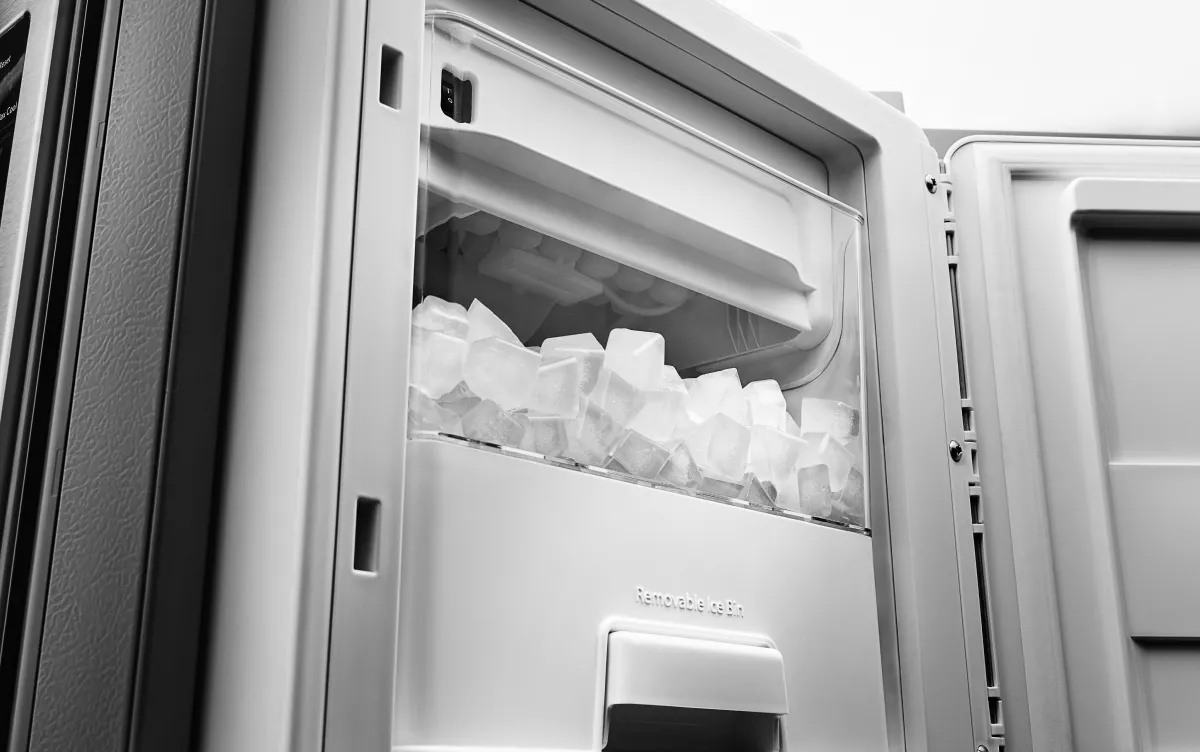
Credit: www.kitchenaid.com
Frequently Asked Questions
Why Is My Ice Maker Not Producing Ice?
Your ice maker may not produce ice due to a blocked water line, low water pressure, or a faulty water inlet valve. Check if the ice maker is turned on and the freezer temperature is set correctly for ice production.
How Do I Fix A Frozen Ice Maker?
To fix a frozen ice maker, defrost the ice maker and water line. Unplug the fridge and let the ice melt naturally. Avoid using sharp tools to remove ice, as this can damage components. Regularly check the freezer temperature to prevent refreezing.
Can A Clogged Water Filter Stop Ice Production?
Yes, a clogged water filter can restrict water flow and stop ice production. Replace the water filter every six months or as recommended. Ensure the filter is installed correctly to maintain proper water supply to the ice maker.
Why Is My Ice Maker Making Small Or Hollow Ice Cubes?
Small or hollow ice cubes indicate low water pressure or a partially clogged water inlet valve. Inspect the water supply line for leaks or blockages. Clean or replace the valve if necessary to restore proper ice cube size.
Conclusion
Troubles with your ice maker can be frustrating. Check the water supply and temperature first. Clean the ice maker regularly to avoid blockages. Make sure the freezer is cold enough to freeze water. Sometimes, a simple reset can solve the problem.
If problems persist, consider calling a repair professional. Taking these steps helps keep your ice maker working well. Don’t let small issues stop your ice supply. Regular care saves time and money in the long run. Keep your ice maker in good shape for cool, fresh ice.