Have you ever started cooking rice, only to find your rice cooker bubbling over and making a mess? It’s frustrating, time-consuming, and can leave you wondering what went wrong.
If you’ve asked yourself, “Why is my rice cooker boiling over? ” you’re not alone. Understanding the simple reasons behind this common problem can save you from wasted food and a messy kitchen. Keep reading, and you’ll discover easy fixes that will keep your rice perfectly cooked without the overflow.

Credit: yum-asia.com
Common Causes Of Boiling Over
Boiling over in a rice cooker is a common problem that can waste food and make a mess. Several factors cause this issue. Understanding these causes helps prevent spills and improves cooking results.
Too Much Water
Adding more water than needed is a frequent cause of boiling over. Excess water creates extra steam and bubbles. These bubbles rise quickly and overflow the cooker’s edge. Measuring water carefully ensures the right amount for the rice type used.
Using The Wrong Rice Type
Different rice types absorb water differently. Sticky or glutinous rice produces more foam during cooking. Using a rice type not suited for the cooker can lead to overflow. Choose the recommended rice variety for your cooker model.
Excess Starch In Rice
Rice contains starch that forms bubbles when heated. Washing rice removes some starch, reducing foam. Not rinsing rice well leaves starch on the surface. This excess starch causes more foam and spills during cooking.
Faulty Cooker Lid Or Vent
A damaged lid or blocked vent disrupts steam release. Pressure builds inside and pushes water out. A properly sealed lid and clear vent allow steam to escape safely. Check the lid and vent regularly for damage or blockage.
Overfilling The Cooker
Filling the cooker beyond its capacity causes boiling over. The rice and water need space to expand. Overfilled cookers trap steam and bubbles inside. Always follow the maximum fill line to avoid spills.
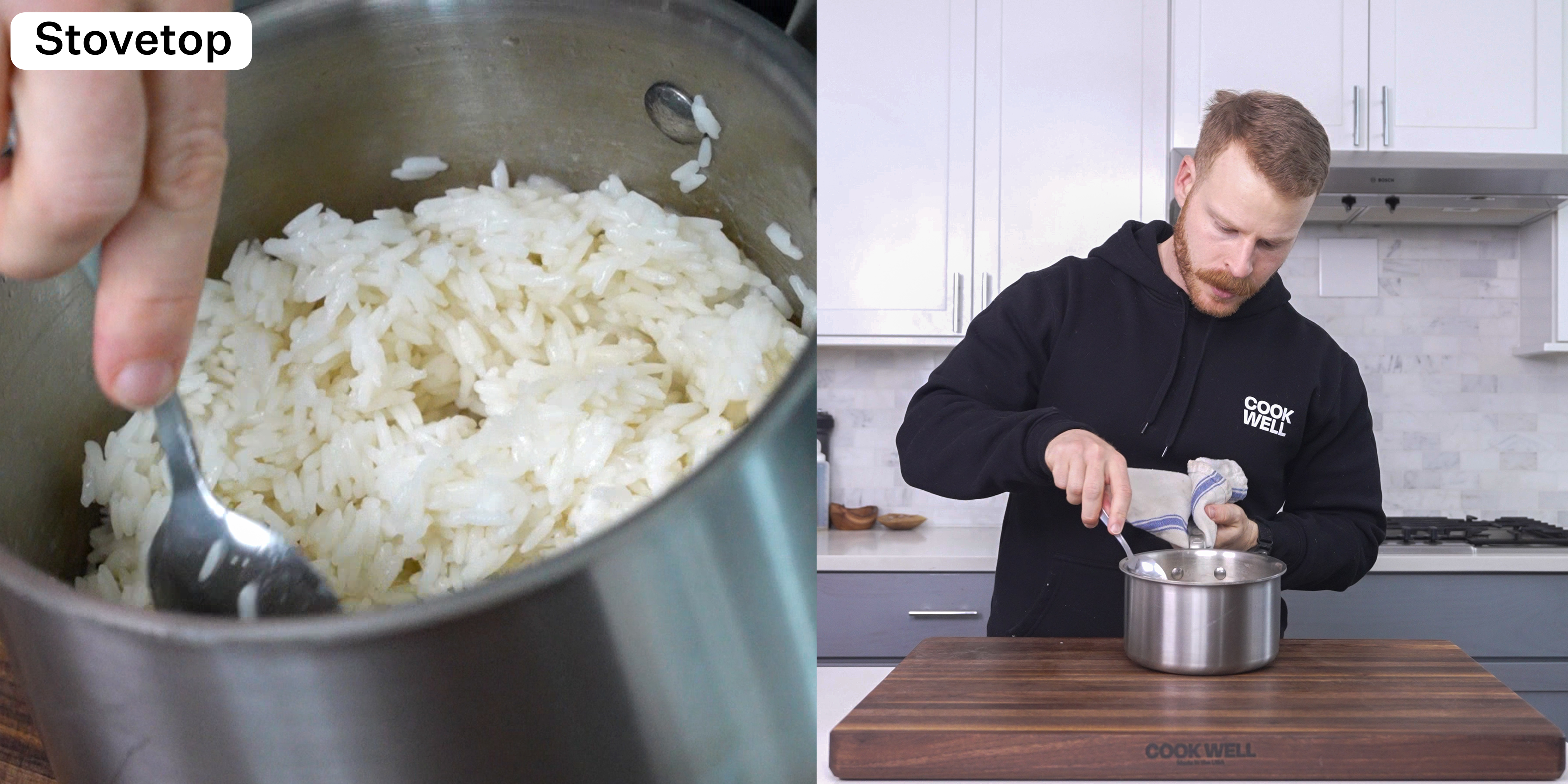
Credit: www.cookwell.com
How Starch Affects Boiling
Starch plays a major role in why rice cookers boil over. Understanding how starch behaves during cooking helps control the foam and spills.
Starch is a carbohydrate found in rice grains. It affects the water's surface tension and foam formation as rice cooks.
Rice Surface Starch
Rice grains have a layer of starch on their surface. When heated, this starch dissolves into the water. The dissolved starch makes the water thicker and stickier. This sticky water traps air bubbles, creating foam on top.
Water Absorption And Foam
As rice absorbs water, starch is released into the cooking liquid. The more starch released, the more foam forms. Foam builds up quickly and can overflow the cooker. High heat speeds up this foam formation. Stirring rice before cooking can release excess surface starch.
Preventing Excess Foam
- Rinse rice thoroughly before cooking to remove surface starch.
- Use the right water-to-rice ratio to avoid extra starch concentration.
- Cook rice at a medium or low heat setting to reduce foam.
- Add a small amount of oil or butter to break surface tension.
- Use a larger rice cooker or avoid filling it to the top.
Simple Steps To Prevent Overflow
Preventing your rice cooker from boiling over is easier than it seems. Small changes in how you prepare and cook rice can stop spills. Follow these simple steps for a cleaner kitchen and perfectly cooked rice every time.
Measuring Water Correctly
Use the right amount of water for the type of rice. Too much water causes bubbling and overflow. Check your rice cooker’s manual for exact water-to-rice ratios. Use a measuring cup for accuracy. This keeps water levels safe and avoids mess.
Rinsing Rice Thoroughly
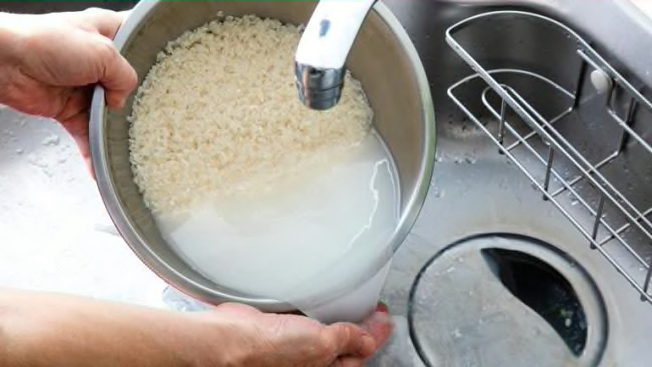
Rinse rice before cooking to remove extra starch. Starch makes the water foamy and causes boiling over. Rinse rice under cold water until it runs clear. This simple step reduces foam and helps cook rice evenly.
Using The Right Cooker Settings
Select the correct cooking mode for your rice type. Many rice cookers have settings for white, brown, or mixed rice. Using the wrong setting may overheat and cause overflow. Stick to the recommended settings for best results.
Avoiding Overcrowding
Do not fill the rice cooker beyond its capacity. Overcrowding traps steam and increases pressure. This leads to water boiling over. Cook in smaller batches if needed. Give rice room to expand and steam properly.
Quick Fixes When Overflow Happens
Rice cookers boil over when too much water or rice is added. Using less water and cleaning the steam vent can stop spills quickly. Adjusting the rice-to-water ratio helps prevent overflow during cooking.
When your rice cooker starts to boil over, it can be frustrating and messy. But don't worry, there are quick fixes that can save your meal and your mood. These simple steps can help you get back on track without much hassle. Let's dive into some practical solutions to handle this common kitchen mishap.
Stopping And Restarting The Cooker
The first thing you can do is to stop the cooker immediately. Unplug it to prevent any more overflow and allow it to cool down for a few minutes. Once it has calmed down, restart the cooker and monitor it closely to ensure it doesn't happen again.
Cleaning The Cooker Components
Overflow can leave your cooker messy and sticky. Carefully remove the inner pot and clean it with warm soapy water. Don’t forget to wipe down the heating element and the lid to ensure no residue is left behind. Keeping your cooker clean helps it perform better and prevents future overflows.
Adjusting Water Levels Mid-cooking
If you suspect too much water is the culprit, you can adjust the water level. Use a ladle to remove some water from the pot. This can help reduce the chances of overflow while still allowing your rice to cook properly. Always measure water carefully next time to avoid this issue altogether. These quick fixes are practical and can help you manage a boiling over rice cooker with ease. Have you encountered an unexpected kitchen disaster? How did you handle it?
Maintenance Tips For Your Rice Cooker
Keeping your rice cooker in top shape is key to preventing it from boiling over. Simple maintenance can save you from messy spills and unevenly cooked rice. Let’s look at some practical tips you can easily do to keep your rice cooker running smoothly.
Regular Cleaning Routines
After every use, take a few minutes to clean the inner pot and lid. Stuck-on rice or residue can block steam vents, causing pressure to build up and boil over. Wiping the heating plate gently with a damp cloth also helps maintain proper heat distribution.
Don’t forget to clean the steam vent regularly. It’s easy to overlook, but clogged vents are a common cause of boiling over. Use a small brush or toothpick to clear any build-up you notice.
Checking For Lid And Vent Damage
Inspect the lid and steam vent for cracks or warping before each use. A damaged lid can prevent the cooker from sealing properly, leading to excess steam escaping unpredictably. If the vent is bent or blocked, steam won’t release as intended, which could cause spills.
Have you noticed your rice cooker lid doesn’t fit as snugly as before? That’s a sign it might need attention. Replacing or repairing these parts early avoids bigger problems later.
Replacing Worn Parts
Parts like the silicone seal or steam vent cover wear out over time. If you see cracks, hardening, or discoloration, it’s time to replace them. These small components play a big role in controlling steam and pressure inside the cooker.
Ordering replacement parts from the manufacturer ensures a perfect fit and reliable performance. Don’t wait until the cooker boils over repeatedly—fresh parts keep your cooking safe and efficient.
Credit: www.consumerreports.org
Frequently Asked Questions
Why Does My Rice Cooker Boil Over Frequently?
Rice cookers boil over due to excess water or too much rice. Starchy water creates foam, causing spills. Using correct water-to-rice ratios and rinsing rice reduces foam and prevents boiling over.
How Can I Stop Rice Cooker From Boiling Over?
To stop boiling over, rinse rice thoroughly to remove starch. Use proper water amounts and avoid overfilling. Adding a small amount of oil or butter can also reduce foam and spillover.
Does Using Too Much Water Cause Boiling Over?
Yes, excess water causes rice cookers to boil over. Too much water creates foam that spills out. Measure water carefully based on rice type and cooker instructions to avoid overflows.
Can Cooking Sticky Rice Cause Boiling Over?
Sticky rice releases more starch, increasing foam and boil-overs. Rinse sticky rice well and use less water than usual. This reduces foam and prevents your rice cooker from boiling over.
Conclusion
Rice cookers boil over mostly due to too much water or rice. Using the right water-to-rice ratio helps a lot. Also, avoid overfilling the cooker. Stirring gently can stop bubbles from rising too much. Keeping the cooker clean prevents clogs and spills.
Watching your cooker while it cooks can catch problems early. Simple steps make cooking rice easy and mess-free. Enjoy perfect rice every time with these small tips.