Is your refrigerator leaking water inside, and you’re not sure why? This common problem can be frustrating and worrying.
You might wonder if it means your fridge is broken or if food inside will get spoiled. Understanding why this happens can save you time, money, and stress. You’ll discover the simple reasons behind the leaks and what you can do to fix them quickly.
Keep reading to protect your fridge and keep your kitchen dry.
Common Causes Of Internal Leaks
Water leaking inside a refrigerator can cause damage and spoil food. Understanding the common causes helps to fix leaks quickly. This section explains why internal leaks happen.
Clogged Defrost Drain
The defrost drain removes water during the defrost cycle. Dirt, food, or ice can block this drain. Blockage causes water to pool inside the fridge, leading to leaks.
Door seals keep cold air inside and moisture out. A broken or worn seal lets warm air enter. This causes condensation and water buildup inside the fridge.
A fridge must stand level for proper drainage. If tilted, water flows inside instead of down the drain. This causes puddles inside the fridge compartment.
Frozen Or Blocked Drain Tube
The drain tube carries defrost water to a drip pan. Ice or debris can freeze or block the tube. Water backs up and leaks inside the fridge.
Excessive Humidity
High humidity causes more condensation inside the fridge. The extra water may overflow the drain pan or collect inside. This leads to internal leaks and dampness.
Blocked Defrost Drain

The defrost drain in a refrigerator carries melted frost water to a tray underneath. If this drain gets blocked, water cannot flow out properly. Water starts to collect inside the fridge, causing leaks and puddles.
Blocked defrost drains happen due to food debris, ice buildup, or dirt clogging the channel. This problem can lead to bad smells and damage if ignored. Fixing the drain keeps the fridge clean and working well.
Signs Of A Blocked Drain
- Water puddles inside the fridge bottom or drawers.
- Frost or ice buildup around the freezer section.
- Unusual smells from standing water or mold growth.
- Fridge runs longer than usual without cooling well.
Steps To Unblock The Drain
- Unplug the refrigerator for safety.
- Locate the defrost drain hole, usually at the back.
- Clear visible debris gently with a soft brush or cloth.
- Use warm water to melt any ice blocking the drain.
- Flush the drain with a turkey baster or squeeze bottle.
- Check if water flows freely into the drain pan below.
- Plug the fridge back in and monitor for leaks.
Clogged Or Frozen Water Line
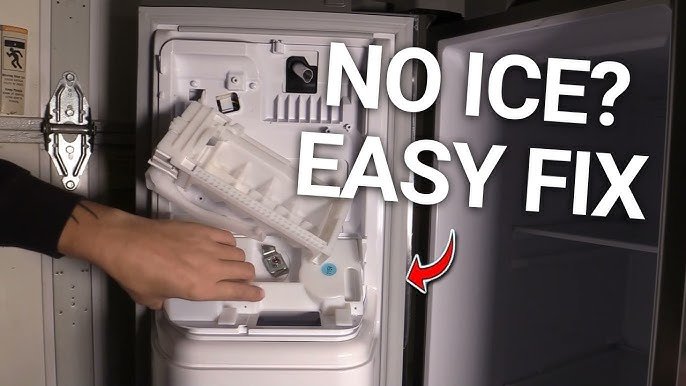
The water line inside a refrigerator carries water to the ice maker and water dispenser. A clogged or frozen water line can stop the flow and cause leaks. This issue may lead to water pooling inside the fridge or around the ice maker. Understanding the signs helps fix the problem quickly.
Identifying A Clogged Water Line
A clogged water line slows or stops water flow. Look for these signs:
- Ice maker stops making ice or makes small, hollow cubes
- Water dispenser dribbles or has low pressure
- Water leaks inside the fridge near the ice maker
- Unusual noises when the water valve opens
Check the water filter first. A dirty filter often causes clogs. Also, inspect the water line for kinks or bends that block water.
Solutions For A Frozen Line
A frozen water line can cause leaks as ice melts. Try these steps:
- Unplug the fridge and open the freezer door
- Use a hairdryer on low heat to thaw the line gently
- Place a bowl of warm water inside the freezer to speed thawing
- Check the door seals for damage to prevent cold air leaks
- Keep the fridge temperature between 37-40°F (3-4°C)
Regularly defrost the freezer if it builds up frost. This stops water lines from freezing and leaking.
Improper Refrigerator Leveling
Improper refrigerator leveling causes water leaks inside. A fridge must be slightly tilted back for water drainage. Without proper leveling, melted ice cannot flow to the drain pan. Instead, water pools inside the fridge, causing leaks and damp shelves.
Checking and adjusting the level is simple. It helps maintain the fridge’s cooling efficiency and prevents water buildup. This process ensures your refrigerator works as it should.
Checking The Refrigerator Level
Use a bubble level tool to check if the fridge is even. Place the tool on top of the fridge, front to back and side to side. The bubble should sit between the two lines. If not, the fridge is unlevel.
Another sign of poor leveling is the door not closing properly. Water pooling inside also indicates a problem. Check the floor under the fridge for uneven surfaces. Uneven floors can tilt the refrigerator.
Adjusting The Level For Optimal Performance
Locate the leveling legs at the front bottom of the fridge. Turn them clockwise to raise the fridge or counterclockwise to lower it. Adjust until the bubble level shows the fridge is slightly tilted back.
Use a small wrench or pliers for better control. After adjustment, test the door to ensure it closes tightly. Watch for any water leaks inside over the next few days. Proper leveling improves drainage and cooling.
Damaged Door Seal

A damaged door seal is a common cause of water leaking inside a refrigerator. The door seal keeps cold air inside and prevents warm air from entering. When the seal cracks or breaks, moisture can form inside the fridge. This moisture often turns into water droplets or puddles. A faulty seal also makes the fridge work harder, raising energy costs and risking food spoilage.
Checking and fixing the door seal can stop water leaks and improve fridge efficiency. Knowing how to detect damage and repair or replace the seal is important for every homeowner.
Detecting Seal Damage
- Look closely at the rubber seal around the door edge.
- Check for cracks, tears, or missing pieces.
- Feel for soft or brittle spots on the seal.
- Place a piece of paper between the door and fridge.
- Close the door and try pulling the paper out gently.
- If the paper slides out easily, the seal is weak.
- Notice any frost or condensation near the door edges.
Repairing Or Replacing The Seal
- Clean the seal with warm, soapy water and dry it well.
- Small cracks can be fixed using adhesive or sealant.
- For large damage, buy a new seal matching your fridge model.
- Remove the old seal by pulling it away carefully.
- Attach the new seal by pressing it firmly into the groove.
- Check the seal fits tightly by repeating the paper test.
- Adjust the door hinges if the seal still leaks.
Faulty Water Filter
A faulty water filter can cause water to leak inside a refrigerator. The filter cleans the water before it reaches the dispenser and ice maker. If the filter is clogged or damaged, it may block water flow. This blockage can cause pressure to build up and water to leak inside the fridge.
A filter not fitted properly can also cause leaks. Water may drip or pool inside the fridge compartment. Over time, this can lead to mold or damage to food items. Regular checks and replacement of the filter help prevent these issues.
Recognizing A Faulty Filter
- Water leaks or drips inside the fridge near the filter area
- Water tastes strange or has particles
- Ice maker stops working or slows down
- Filter indicator light on the fridge remains on
- Water dispenser flow is weak or inconsistent
These signs show the filter might be clogged or broken. Acting quickly avoids bigger problems.
Replacing The Water Filter
- Locate the filter, usually inside the fridge or at the base
- Turn off the water supply to the fridge
- Twist or pull out the old filter carefully
- Remove any protective covers from the new filter
- Insert the new filter firmly in place
- Turn the water supply back on
- Run water through the dispenser for a few minutes
- Reset the filter indicator light if needed
Replacing the filter regularly keeps water clean and prevents leaks. Follow the fridge manual for exact steps and filter type.
Overflowing Drain Pan
An overflowing drain pan is a common cause of water leaking inside your refrigerator. This pan collects water that drips from the evaporator coil during the defrost cycle. If the pan fills up too much, water can spill and leak inside the fridge. Regular care of the drain pan helps keep your refrigerator dry and working well.
Inspecting The Drain Pan
Check the drain pan regularly for cracks or damage. A cracked pan can cause water to leak onto the floor. Make sure the pan sits correctly under the refrigerator. Sometimes, it can shift or tilt, leading to spills. Look for any standing water in the pan that should be draining away.
Cleaning And Maintaining The Pan
Clean the drain pan every few months to prevent buildup. Use warm water and mild soap to remove dirt and mold. Avoid harsh chemicals that can damage the pan. Dry the pan completely before placing it back. Keep the area around the pan clear of debris to ensure proper drainage.
Tips To Prevent Future Leaks

Preventing water leaks inside your refrigerator helps keep food safe and your kitchen dry. Simple steps can stop leaks before they start. Regular care and attention make a big difference in avoiding water build-up. Below are practical tips that help keep your refrigerator running smoothly and dry inside.
Regular Maintenance Practices
Clean the drip pan often to stop water overflow. Check and clear the defrost drain to avoid blockages. Inspect door seals for cracks or dirt that can cause leaks. Wipe spills inside immediately to prevent water pooling. Keep the freezer frost-free to allow proper drainage. These small tasks reduce the chance of leaks forming.
Monitoring Temperature Settings
Set the fridge temperature between 37°F and 40°F for best results. Avoid setting it too cold; it causes excess frost and leaks. Keep the freezer at 0°F to prevent ice build-up. Use a fridge thermometer for accurate readings. Adjust settings if food freezes or water collects inside. Proper temperature control stops water from accumulating.
Frequently Asked Questions
Why Is My Refrigerator Leaking Water Inside?
Water leaks inside a refrigerator mainly due to clogged or frozen defrost drains. Blocked drains cause water to accumulate and drip inside. Regular cleaning of the drain helps prevent leaks and maintains efficient cooling.
How To Fix A Leaking Refrigerator Drain?
To fix a leaking drain, first unplug the fridge. Locate and clear the defrost drain using warm water or a pipe cleaner. This removes blockages and restores water flow, preventing leaks inside your refrigerator.
Can A Faulty Door Seal Cause Water Leaks?
Yes, a damaged door seal lets warm air inside. This causes excess condensation and water buildup inside the fridge. Inspect and replace door seals to ensure proper sealing and prevent leaks.
Does Refrigerator Temperature Affect Water Leakage?
Improper temperature settings can cause excessive frost buildup, leading to leaks during defrost cycles. Maintain the fridge temperature between 37-40°F (3-4°C) to reduce condensation and prevent water leaks inside.
Conclusion
A leaking refrigerator can cause many problems at home. Water inside means something is wrong. It might be a blocked drain, a broken seal, or too much frost. Fixing these issues stops leaks and keeps food fresh. Regular cleaning helps prevent water buildup.
Watch for leaks early to avoid bigger troubles. Small steps keep your fridge working well. A dry fridge means a happy kitchen.