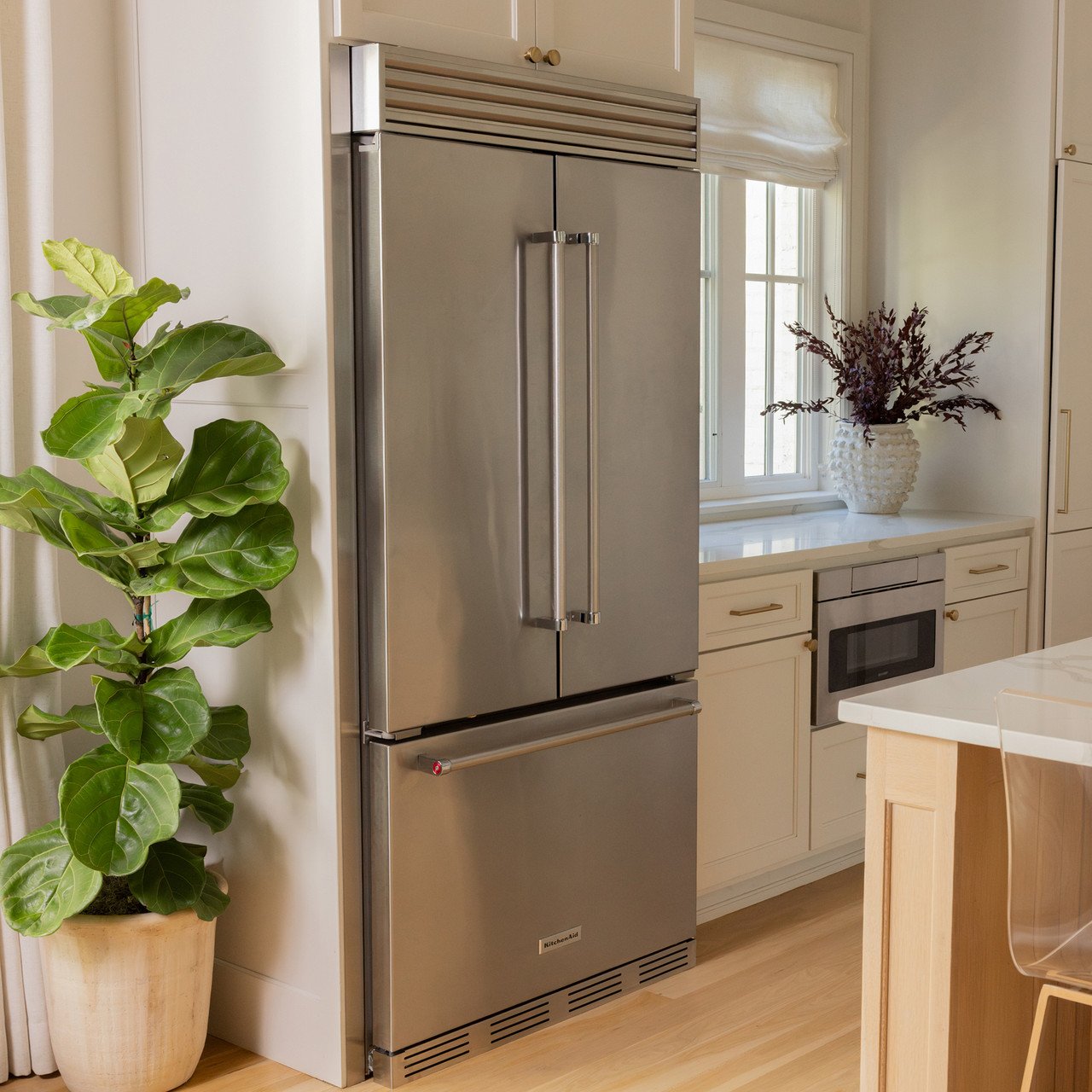
Is your refrigerator wet inside, leaving you puzzled and worried about your food? You’re not alone.
When you open your fridge and see water droplets or pools of moisture, it can be frustrating and even alarming. But don’t panic just yet. Understanding why your refrigerator is wet inside can save you time, money, and prevent food spoilage.
You’ll discover the common causes behind this problem and simple steps you can take to fix it quickly. Keep reading to protect your fridge and keep your food fresh.
Common Causes Of Moisture
Moisture inside a refrigerator can cause food to spoil and create unpleasant smells. Understanding common causes of moisture helps prevent these problems. Moisture often builds up due to issues that are easy to fix. Identifying the cause saves time and keeps your fridge working well.
Door Seal Problems
A damaged or dirty door seal lets warm air enter the fridge. This causes condensation and moisture buildup inside. Check the seal for cracks or dirt. Clean it regularly and replace it if damaged. A tight seal keeps cold air inside and moisture out.
Frequent Door Opening
Opening the fridge door often lets humid air inside. This air cools down and forms water droplets. Try to open the door only when needed. Close it quickly to reduce moisture. Less warm air entering means less condensation inside.
Clogged Drain Hole
Most fridges have a drain hole to remove excess water. When clogged, water stays inside and pools at the bottom. Clean the drain hole with warm water and a soft brush. This allows water to flow out and stops moisture buildup.
Temperature Settings
Incorrect temperature settings can cause moisture problems. Too cold may freeze moisture, while too warm causes condensation. Keep the fridge temperature between 37°F and 40°F (3°C to 4°C). This range controls moisture and preserves food better.
Humidity Levels
High humidity in your kitchen increases moisture inside the fridge. Moist air enters when the door opens. Use a dehumidifier or improve ventilation to lower humidity. Less moisture in the air means less condensation inside the fridge.
Credit: homewarranty.firstam.com
Effects Of Excess Moisture
Excess moisture inside a refrigerator can cause several problems. It creates a damp environment that affects the appliance’s performance and the quality of stored food. Understanding these effects helps in maintaining a healthy fridge and avoiding costly repairs.
Food Spoilage Risks
Moisture encourages mold and bacteria growth on food. Wet conditions make fruits and vegetables rot faster. Meat and dairy can spoil due to bacterial buildup. This leads to bad odors and wasted groceries.
Ice Buildup Issues
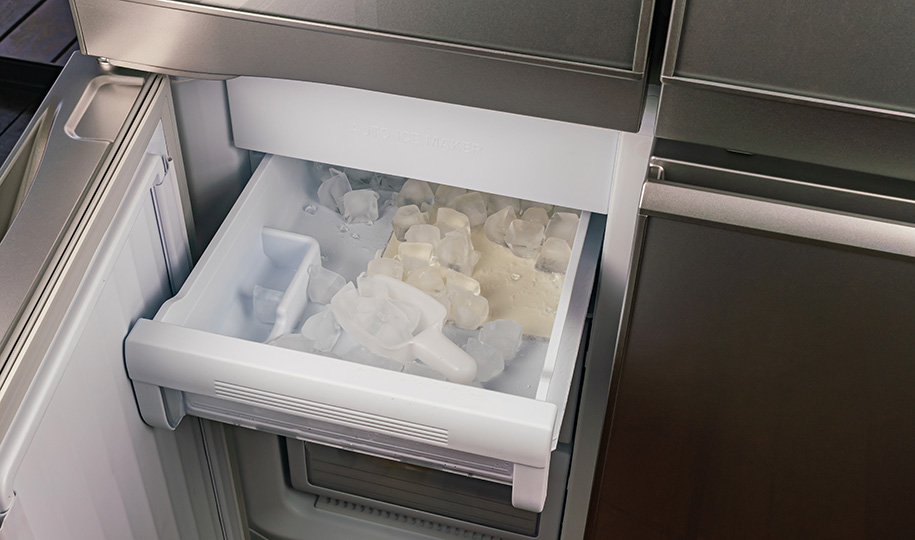
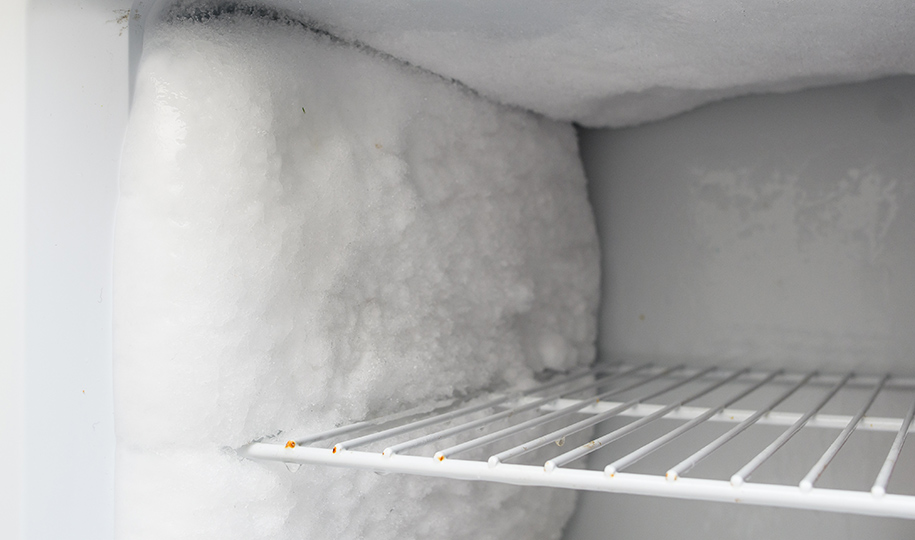
Water inside the fridge can freeze and form ice layers. Ice blocks vents and restricts airflow. This causes uneven cooling and temperature fluctuations. Removing ice buildup takes time and effort.
Energy Efficiency Impact
Excess moisture forces the fridge to work harder. The compressor runs longer to maintain cold temperatures. This increases electricity use and raises utility bills. Over time, it can shorten the fridge’s lifespan.
Simple Fixes To Reduce Wetness
Wetness inside your refrigerator can be frustrating and may even affect your food’s freshness. Luckily, you don't always need to call a repair person. Some simple fixes can help you reduce moisture build-up and keep your fridge dry and efficient.
Inspect And Replace Door Seals
Check the rubber seals around your refrigerator door carefully. If they are cracked, loose, or dirty, cold air escapes and warm air enters, causing condensation inside.
Clean the seals with warm soapy water, and if you spot damage, replace them promptly. A tight seal keeps moisture out and your fridge running smoothly.
Limit Door Opening Frequency
Every time you open your fridge, warm air rushes in, increasing moisture inside. Ask yourself: how often do you open the door unnecessarily?
Try to organize your fridge so you find things quickly and close the door right away. This simple habit cuts down on wetness and energy use.
Clear The Drain Hole
Most refrigerators have a drain hole to remove excess water from defrost cycles. Over time, this hole can get clogged with food debris or ice.
Locate the drain hole and clear it gently using a pipe cleaner or soft brush. This helps water flow out properly and stops it from pooling inside.
Adjust Temperature Settings
Setting your fridge too cold can cause frost and excess moisture, while too warm allows condensation. Aim for a temperature between 37°F and 40°F (3°C and 4°C) for optimal balance.
Check your settings and adjust if needed. You might be surprised how a slight tweak reduces wetness noticeably.
Control Room Humidity
High humidity in your kitchen can increase moisture inside the fridge. Do you notice wetness especially on humid days or when cooking?
Use a dehumidifier or improve ventilation by opening windows or using exhaust fans. Controlling the environment around your fridge helps keep it dry inside.
Credit: www.tataneu.com
Preventive Tips For A Dry Fridge
Keeping your refrigerator dry can prevent mold and bad smells. Simple changes in habits can make a big difference. Below are practical tips to maintain a moisture-free fridge. Implement these to ensure a fresher, cleaner refrigerator experience.
Proper Food Storage
Store food in airtight containers. This prevents moisture from escaping. Use plastic wraps for cut fruits and vegetables. This helps reduce humidity inside. Avoid overpacking shelves to allow air circulation. Proper air flow is crucial for maintaining dryness.
Regular Cleaning Routine
Clean your fridge regularly to prevent moisture buildup. Wipe spills immediately with a dry cloth. Check for expired items and remove them promptly. This helps reduce unnecessary moisture sources. Schedule a deep clean monthly for best results.
Check Door Alignment
Ensure your fridge door closes tightly. Misaligned doors cause air leaks, increasing moisture. Inspect door seals for cracks or wear. Replace damaged seals to improve efficiency. A properly sealed door keeps moisture out effectively.
Credit: homewarranty.firstam.com
Frequently Asked Questions
Why Is There Water Inside My Refrigerator?
Water inside your refrigerator is usually caused by condensation. Warm air enters when the door opens, causing moisture to form. Blocked or clogged drains can also lead to water buildup. Regularly check seals and clean drains to prevent excess water inside.
How Does Fridge Door Seal Affect Moisture?
A damaged or loose fridge door seal lets warm air in. This increases humidity inside, causing condensation and water droplets. Inspect and replace faulty seals to maintain a tight closure and reduce moisture buildup.
Can Clogged Fridge Drain Cause Wetness Inside?
Yes, a clogged fridge drain blocks water from draining properly. This causes water to pool inside the refrigerator. Clean the drain hole and drip pan regularly to avoid water accumulation and maintain proper drainage.
Does Frequent Door Opening Cause Refrigerator Wetness?
Frequent door opening lets warm, humid air into the fridge. This causes condensation and moisture to form inside. Limit door openings and ensure the door closes tightly to reduce wetness inside the refrigerator.
Conclusion
A wet refrigerator inside can cause food spoilage and odors. Check door seals to keep cold air inside. Avoid placing hot or uncovered food directly in the fridge. Clean the drain hole and drip pan regularly to stop water buildup.
Keep your fridge at the right temperature to prevent moisture. Small fixes can stop wetness and save your food. Stay alert to these signs for a dry, fresh fridge. Simple care keeps your refrigerator working well every day.