Is your pellet stove smoking and leaving you worried? You’re not alone.
When your stove starts to smoke, it can be frustrating and confusing. You might wonder if it’s dangerous or if something is seriously wrong. The good news is, many causes are easy to fix once you know what to look for.
You’ll discover the common reasons why your pellet stove is smoking and simple steps to get it running smoothly again. Keep reading to protect your home and enjoy the cozy warmth you deserve.

Credit: www.reddit.com
Common Reasons For Pellet Stove Smoking
Pellet stoves can sometimes produce smoke, causing concern for users. Understanding common causes helps in fixing the issue quickly. Smoke often signals a problem with the stove's operation or maintenance. Regular checks and simple fixes can keep your stove running cleanly and safely.
Blocked Or Dirty Vent Pipes
Vent pipes can get clogged with ash or creosote buildup. This blocks smoke from exiting properly, causing it to back up. Regular cleaning of vent pipes ensures smooth airflow and prevents smoke leaks. Check vents at least once a year for blockages.
Poor Pellet Quality
Low-quality pellets create more ash and burn unevenly. This leads to incomplete combustion and increased smoke production. Use high-quality pellets with low moisture for cleaner burning. Store pellets in a dry place to maintain quality.
Improper Airflow Settings
Pellet stoves need correct airflow for efficient burning. Too little air causes smoke and soot; too much air cools the fire. Adjust the air settings according to the stove’s manual. Proper airflow keeps the fire hot and reduces smoke.
Chimney Obstructions
Bird nests, leaves, or debris can block the chimney. These obstructions stop smoke from escaping and cause it to enter your home. Inspect the chimney regularly and remove any blockages. A clear chimney allows smoke to flow freely outside.
Faulty Gaskets Or Seals
Damaged gaskets or seals let smoke leak into the room. They also affect stove pressure and airflow. Replace worn gaskets to ensure a tight seal. Check seals during routine maintenance for safety and performance.
Credit: www.angi.com
Signs Of Pellet Stove Smoke Problems
Signs of pellet stove smoke problems are often clear and easy to spot. Watching for these signs helps keep your home safe and warm. Early detection can prevent bigger issues and costly repairs.
Smoke problems usually show up through visual clues, smells, and changes in stove performance. Knowing these signs can guide you to fix the problem quickly.
Visible Smoke Inside The Room
Seeing smoke inside your room is a strong warning sign. Smoke may leak from the stove door or vents. This means the stove is not burning pellets properly. It can also signal a blocked chimney or poor ventilation.
Unusual Odors
Pellet stoves should not produce strong or strange smells. A burning or smoky odor can mean incomplete burning of pellets. It may also suggest a gas leak or buildup of creosote. These odors should never be ignored.
Soot Buildup
Excess soot around the stove or on nearby walls indicates smoke problems. Soot is a dark, powdery residue left by burning pellets. It can clog the stove parts and reduce heating efficiency. Frequent soot means the stove needs cleaning or repair.
Difficulty Maintaining Flame
A weak or flickering flame is a sign of smoke issues. It shows the stove struggles to burn pellets correctly. This can result from poor air supply or dirty burners. A strong, steady flame is essential for safe operation.
Simple Steps To Fix Smoking Issues
Smoking issues with your pellet stove can be frustrating and even hazardous. Fortunately, you can often fix these problems yourself by taking a few straightforward steps. Paying attention to maintenance and using the right materials will help you enjoy a cleaner, safer burn.
Cleaning Vent Pipes Regularly
Dirt and soot build-up in vent pipes block airflow, causing smoke to back up into your home. You should clean the vent pipes at least once a season or more if you notice smoke. Use a brush designed for pellet stove vents and carefully remove any debris to keep air flowing smoothly.
Using High-quality Pellets
Low-quality pellets often contain fillers and moisture that produce excess smoke. Choosing pellets with a high density and low ash content reduces smoke and improves stove performance. Have you checked the pellet bag for certifications or customer reviews before buying?
Adjusting Air Intake Controls
Improper air intake settings can cause incomplete combustion, leading to smoking. Try adjusting the air intake controls slowly while the stove is running to find the optimal setting. You’ll notice your stove burns cleaner when the air and pellets are balanced correctly.
Inspecting And Replacing Gaskets
Worn or damaged gaskets allow air leaks, disrupting combustion and causing smoke. Inspect the door and ash pan gaskets regularly for cracks or gaps. Replacing faulty gaskets is a quick fix that seals your stove tightly and prevents smoke leaks.
Checking Chimney For Blockages
Blockages in the chimney, like bird nests or creosote build-up, can stop smoke from exiting properly. Regularly inspect your chimney or hire a professional to ensure it’s clear. A free-flowing chimney is essential for keeping smoke out of your living space.
Preventive Maintenance Tips
Keeping your pellet stove running smoothly and smoke-free depends largely on preventive maintenance. Regular care not only improves efficiency but also reduces the risk of smoke issues. Here are some practical tips to help you maintain your stove and enjoy a cleaner burn.
Scheduled Cleaning Routine
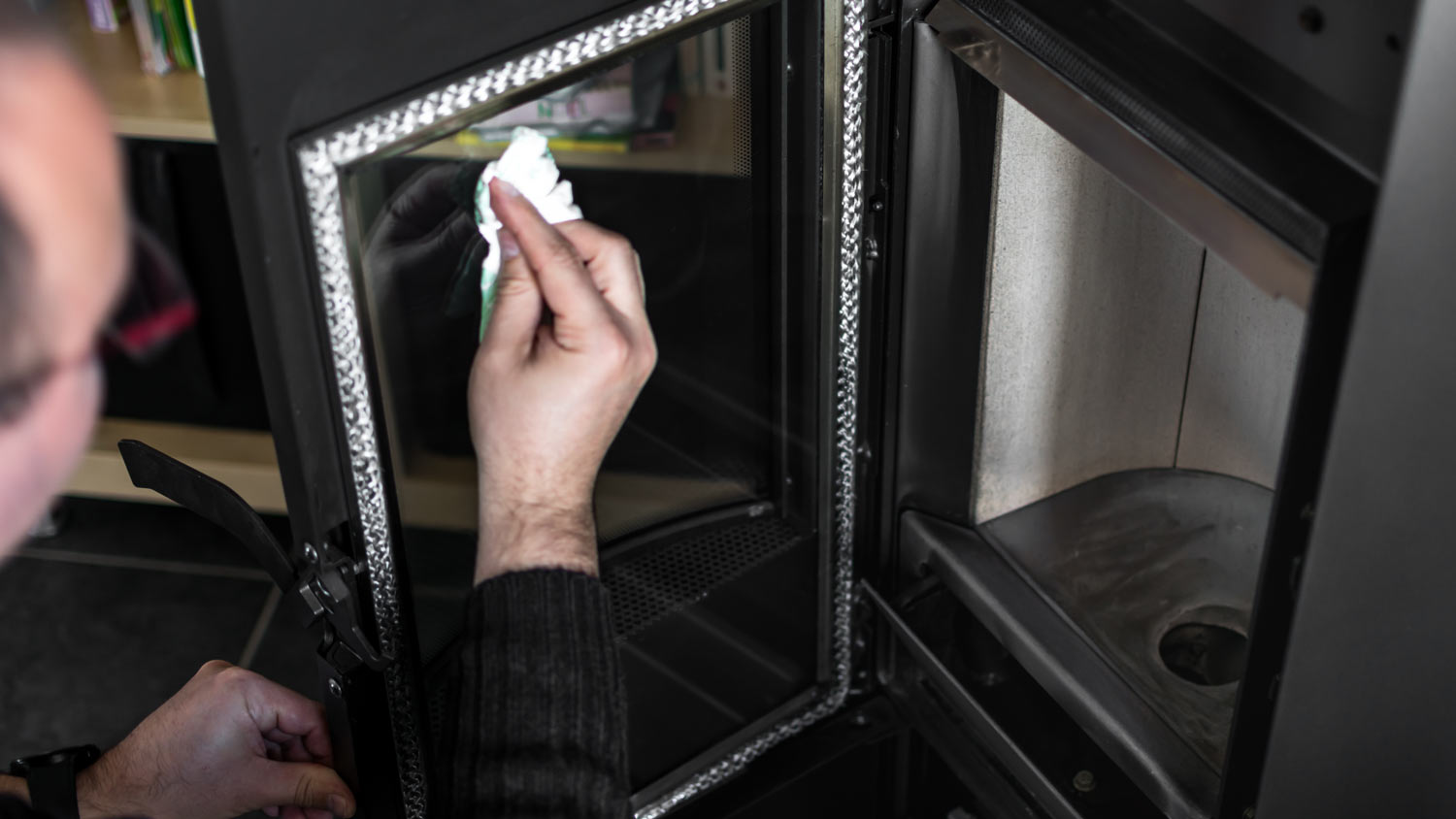
Set a cleaning schedule that fits your usage. Clean the burn pot, ash pan, and glass window weekly to prevent buildup that can cause smoke. Neglecting these areas often leads to poor airflow and incomplete combustion, which is a common cause of smoke.
Don’t forget to vacuum the exhaust vent and hopper as well. A clean vent ensures smoke exits properly, while a tidy hopper keeps pellets feeding smoothly. Have you noticed how much easier your stove operates right after a thorough cleaning?
Professional Stove Inspections
Even with regular cleaning, some issues require expert eyes. Schedule a professional inspection at least once a year to catch hidden problems early. Technicians can check seals, gaskets, and internal components that you might miss.
They also perform detailed chimney inspections to ensure proper draft. Investing in a pro’s opinion can save you from costly repairs and persistent smoke troubles. Could skipping these inspections be why your stove smokes?
Proper Pellet Storage
Pellets must stay dry to burn cleanly. Store them off the ground in a cool, dry place, ideally in airtight containers or sealed bags. Moisture causes pellets to crumble and burn inefficiently, creating excess smoke and residue.
Check your pellets before loading them into the hopper. If they feel soft or crumbly, it’s time to replace them. Have you noticed how fresh pellets improve your stove’s performance?
Monitoring Stove Performance
Pay attention to how your stove behaves daily. Look for changes in flame color, unusual noises, or increased smoke output. These signs indicate something is off and needs attention before it worsens.
Keep a simple log of any irregularities you observe. This habit helps you track patterns and communicate effectively with service professionals. Are you ready to take control of your stove’s health by watching for these subtle clues?
When To Call A Professional
Understanding when to call a professional for your pellet stove is crucial. It ensures safety and efficiency in your home. If your pellet stove is smoking, there might be underlying issues. Here are key signs indicating it's time to seek expert help.
Persistent Smoke Issues
If your stove constantly emits smoke, it signals a problem. This may indicate poor ventilation or a blocked flue. A professional can diagnose and fix these issues. They have the tools and expertise to ensure proper airflow. Don't ignore continuous smoke as it can lead to serious hazards.
Unusual Stove Noises
Strange noises from the stove can be alarming. Rattling or banging might suggest mechanical problems. These sounds can mean loose parts or motor issues. An expert can identify and repair these problems. Timely intervention prevents further damage and ensures smooth operation.
Damage To Stove Components
Visible damage to stove parts requires professional attention. Cracks or corrosion can compromise safety. Damaged components affect the stove's performance. Technicians can replace or repair faulty parts efficiently. This ensures your stove operates safely and effectively.

Credit: pelletkings.ie
Frequently Asked Questions
Why Is My Pellet Stove Producing Smoke Inside?
Smoke inside your home usually means poor ventilation or a clogged vent pipe. Check for blockages and clean the exhaust system regularly. Also, ensure the stove door seals properly to prevent smoke leaks.
How Can I Stop My Pellet Stove From Smoking?
To stop smoking, clean the burn pot and ash pan frequently. Use high-quality pellets and maintain proper air flow. Regular maintenance and inspection of seals and vents also help reduce smoke production.
Does Poor Pellet Quality Cause My Stove To Smoke?
Yes, low-quality pellets often produce more ash and smoke. Use premium pellets with consistent size and moisture levels to ensure efficient combustion and less smoke.
Can A Dirty Vent Cause Pellet Stove Smoke?
Absolutely. A dirty or blocked vent restricts airflow and causes smoke to back up into your home. Regularly clean and inspect vents to ensure proper exhaust flow.
Conclusion
Pellet stove smoking often signals simple problems. Check the vent and clean the stove regularly. Poor air flow or bad pellets can cause smoke. Fixing these issues helps your stove work well. A smoke-free stove means safer and warmer home.
Pay attention to signs early and act fast. Keep your stove in good shape for cozy winters. Staying on top of maintenance saves time and money. Your pellet stove deserves proper care to avoid smoke.