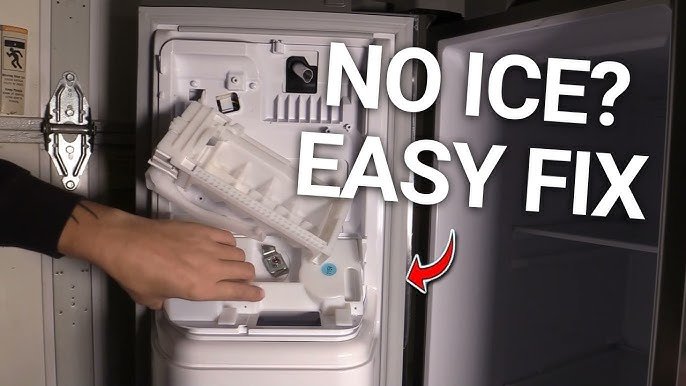
Is your ice maker making a loud noise that’s driving you crazy? You’re not alone.
When your ice maker starts sounding like a noisy machine, it can be confusing and annoying. But don’t worry—there’s usually a simple reason behind it. You’ll discover why your ice maker is so loud and what you can do to fix it quickly.
Keep reading to get your quiet, smooth-running ice maker back in no time.

Credit: midamericaappliancerepair.com
Common Causes Of Ice Maker Noise
Hearing loud noises from your ice maker can be frustrating, especially when you rely on it daily. These sounds often point to underlying problems that need your attention. Understanding the common causes of ice maker noise helps you diagnose issues faster and possibly fix them yourself.
Mechanical Issues
Mechanical parts like gears and ejector blades can wear down or become misaligned over time. When these components struggle to move smoothly, they create grinding or rattling sounds. If you’ve noticed your ice maker making a loud clunk, it might be due to loose or broken mechanical parts.
Check for any visible damage or debris around moving parts. Sometimes, a simple tightening of screws or cleaning can reduce the noise significantly.
Water Supply Problems
Your ice maker depends on a steady, clean water supply to function quietly. If the water inlet valve is faulty or clogged, you might hear a buzzing or humming noise. Low water pressure can also cause the ice maker to work harder, resulting in louder sounds during ice production.
Have you checked the water line recently? Make sure it’s free of kinks, and consider cleaning or replacing the water filter to improve flow and reduce noise.
Ice Jamming
Ice jamming happens when ice cubes get stuck inside the mold or chute. This blockage forces the motor and mechanical parts to strain, causing loud popping or cracking noises. If you ever hear unusual banging sounds when the ice maker cycles, ice jamming could be the culprit.
Try manually removing any stuck ice cubes. Prevent jams by regularly defrosting the ice maker and keeping the ice bin clean and properly aligned.
Motor Malfunctions
The motor powers the ice maker’s moving components, and if it’s wearing out, expect increased noise. A failing motor might produce a high-pitched whining or grinding sound that gets worse over time. Ignoring motor issues can lead to complete ice maker failure.
Listen closely to the noise pattern. If it changes or becomes more persistent, consider calling a professional to inspect or replace the motor before it causes more damage.
Mechanical Issues Explained
Mechanical issues are often the root cause of loud noises coming from your ice maker. These problems usually involve parts that either wear out, become loose, or get blocked. Understanding these issues can help you identify the noise source and know what to check before calling a technician.
Loose Components
Loose parts inside your ice maker can create rattling or banging sounds. Over time, vibrations from the machine’s operation can cause screws or bolts to loosen. Have you ever noticed a noise that changes when you touch the ice maker? That’s a good sign something inside is not secured properly.
Try tightening visible screws or brackets carefully with a screwdriver. Pay attention to the ice tray and motor mounts—they often come loose. If tightening doesn’t stop the noise, a part might be worn and need replacement.
Fan Obstructions
The fan inside your ice maker helps keep the unit cool, but it can also be a source of noise. Dust, ice buildup, or small objects can block the fan blades and cause a loud whirring or scraping sound. Have you checked if something is stuck near the fan?
Turn off your ice maker and remove the panel to inspect the fan area. Clear away any debris or ice that might be caught. Keeping the fan clean not only reduces noise but also improves your ice maker’s efficiency.
Water Supply Troubles
Water supply issues often cause loud noises in ice makers. The machine depends on a steady flow of water to work quietly. When the water supply faces problems, the ice maker can sound noisy or strange. Understanding these issues helps fix the noise quickly.
Blocked Water Lines
Water lines can get blocked by dirt or ice buildup. This blockage stops water from flowing smoothly. The ice maker then struggles to fill the tray. This struggle causes loud banging or humming noises.
Check water lines for kinks or frozen parts. Clear any visible blockages carefully. Keeping lines clean helps maintain quiet ice making.
Inadequate Water Pressure
Low water pressure makes the ice maker work harder. The machine pumps water forcefully, causing noise. Pressure that is too low or too high both affect performance.
Test the water pressure with a gauge if possible. Normal pressure usually ranges between 20 and 120 psi. Adjusting the water supply can reduce noise and improve ice quality.

Credit: www.reddit.com
Resolving Ice Jamming
Ice jamming happens when ice blocks the mechanism inside your ice maker. This blockage causes loud noises as the machine tries to push the ice out. Resolving ice jamming stops the noise and helps the ice maker work smoothly again. Regular attention to ice buildup keeps your ice maker quiet and efficient.
Clearing Ice Build-up
Unplug the ice maker before clearing ice build-up. Use warm water to gently melt ice stuck inside the machine. Avoid using sharp objects to remove ice; they can damage parts. Check the ice chute and tray for any ice chunks. Remove all ice pieces to prevent future jams. Let the machine dry completely before plugging it back in.
Regular Cleaning Tips
Clean your ice maker every few weeks to stop ice jams. Use a mixture of warm water and mild soap for cleaning. Wipe down all accessible parts with a soft cloth. Rinse with clean water to remove soap residue. Dry the inside thoroughly to prevent ice formation. Regular cleaning keeps the machine quiet and extends its life.
Addressing Motor Malfunctions
Addressing motor malfunctions is key when your ice maker starts making loud noises. The motor is the heart of your ice maker’s operation, responsible for moving parts that fill, freeze, and eject ice. If it struggles or fails, unusual sounds often follow, signaling that your motor needs attention.
Motor Wear And Tear
Over time, your ice maker’s motor can wear out from constant use. Bearings may degrade, and internal components might loosen, causing grinding, buzzing, or rattling noises. Have you noticed your ice maker sounding like it’s struggling more than usual? That could mean the motor is tiring out and needs inspection.
Regular maintenance can slow down wear and tear. Cleaning dust and ice buildup around the motor area helps it run smoother. Ignoring these signs risks a complete motor failure, which can stop your ice maker from working altogether.
Replacing A Faulty Motor
If the motor is clearly faulty, replacement is often the best solution. Trying to fix a broken motor might cost more in the long run and cause recurring noise problems. When replacing the motor, ensure you get the right model compatible with your ice maker.
Think about whether you want to do the replacement yourself or hire a technician. If you’re comfortable with tools and safety precautions, replacing the motor can save time and money. Otherwise, a professional can guarantee the job is done correctly and safely.
Have you ever dealt with a noisy ice maker motor? What did you learn from the experience?
Quick Fixes For Noisy Ice Makers
Hearing a loud noise from your ice maker can be frustrating. Luckily, many noisy ice makers can be quieted down with some simple fixes you can do yourself. These quick adjustments not only save you a service call but also get your ice maker working smoothly again.
Tightening Loose Parts
Loose screws or parts inside your ice maker often cause rattling sounds. Check the mounting brackets, screws, and any visible panels. Use a screwdriver to tighten anything that feels wobbly or loose.
Even a small adjustment can reduce noise drastically. Have you ever ignored a loose bolt only to find it was the main cause of the problem? Take a moment to inspect and secure all components carefully.
Cleaning Techniques
Dirt and mineral buildup can create extra noise during ice production. Clean the ice maker’s interior and remove any debris or ice chunks blocking moving parts. Use a mixture of warm water and vinegar to dissolve stubborn mineral deposits.
Regular cleaning not only cuts down on noise but also improves ice quality. When was the last time you gave your ice maker a thorough cleaning? It might be time to refresh it for quieter operation.
Adjusting Water Pressure
High or inconsistent water pressure can cause your ice maker to make loud noises. Check the water supply line and adjust the pressure if it seems too strong or weak. Installing a pressure regulator can help maintain steady water flow.
Have you noticed if the noise changes when you use other water appliances? Sometimes, simply adjusting the water pressure can stop the noise and protect your ice maker from damage.
Preventative Maintenance Tips
Preventative maintenance helps keep your ice maker quiet and efficient. Small checks and cleanings stop loud noises before they start. These simple habits extend the machine’s life and improve ice quality. Follow these tips to avoid costly repairs and annoying sounds.
Regular Inspection
Check the ice maker every few weeks. Look for loose parts or worn components. Tighten any screws or bolts that seem loose. Listen for unusual sounds during operation. Catching problems early prevents bigger damage. Make sure the ice maker sits on a level surface. Uneven placement causes vibrations and noise.
Scheduled Cleanings
Clean the ice maker regularly to remove dirt and buildup. Use a mixture of warm water and mild detergent. Wipe down the ice bin, trays, and water reservoir. Remove mineral deposits that block water flow. A clean machine runs smoothly and quietly. Follow the manufacturer’s cleaning instructions carefully. Avoid harsh chemicals that can damage parts.

Credit: www.searshomeservices.com
Frequently Asked Questions
Why Is My Ice Maker Making A Loud Noise?
A loud noise often indicates a problem with the motor or fan. It could also be due to ice buildup or loose parts. Regular maintenance helps avoid these issues and keeps your ice maker running quietly.
Can A Clogged Water Filter Cause Noise In Ice Makers?
Yes, a clogged water filter restricts water flow, causing the ice maker to work harder. This extra strain can produce unusual noises. Replace the filter regularly to maintain proper function and reduce noise.
Does Ice Buildup Cause Loud Noises In Ice Makers?
Ice buildup can jam moving parts, leading to loud grinding or knocking sounds. Defrosting the ice maker or removing excess ice often solves this problem and restores quiet operation.
How Does A Faulty Motor Affect Ice Maker Noise?
A faulty motor can create humming, buzzing, or grinding noises. It may struggle to turn the ice maker components properly. Timely repairs or motor replacement can stop these disruptive sounds.
Conclusion
A loud ice maker can be annoying and signal a problem. Regular cleaning helps keep noise low. Check for loose parts or ice jams often. Fixing small issues early saves big repairs later. Keep your ice maker running smooth and quiet.
Enjoy cold drinks without the extra noise. Simple care makes a big difference in performance. Stay alert to unusual sounds for best results.