Is your GE Profile ice maker suddenly refusing to make ice? You rely on it every day, whether for a refreshing drink or keeping food fresh, and when it stops working, it’s frustrating.
You might be wondering what went wrong and how to fix it quickly. Don’t worry—you’re not alone, and there are simple reasons behind this common problem. Keep reading to discover why your ice maker isn’t making ice and what you can do to get it back up and running fast.
Common Reasons For Ice Maker Issues
When your GE Profile ice maker stops producing ice, it can be frustrating and inconvenient. Understanding the common reasons behind this issue can help you troubleshoot effectively and get your ice maker working again quickly. Let’s look at the main causes that might be preventing your ice maker from making ice.
Power Supply Problems
Your ice maker needs a steady power supply to function properly. Check if the ice maker is turned on and if the power cord is securely plugged into an outlet. Sometimes, a tripped circuit breaker or a blown fuse can interrupt power, so inspect your home's electrical panel.
Have you noticed if other parts of the refrigerator are working? If the entire fridge isn’t running, the issue might be more than just the ice maker. Ensuring consistent power is the first step to fixing ice production problems.
Water Supply Blockages
The ice maker relies on water flowing freely through its supply line. A kinked or frozen water line can block water from reaching the ice mold. Look behind your refrigerator for any visible bends or damage in the water tubing.
Mineral buildup or debris in the water filter can also restrict water flow. Replacing the water filter regularly can prevent clogs and ensure clean water reaches the ice maker. If water isn’t filling the ice mold, this is a likely cause to investigate.
Temperature Settings
Ice makers need the freezer to be cold enough to freeze water into ice. If your freezer temperature is set too high, water won’t freeze properly. The ideal freezer temperature is around 0°F (-18°C).
Check your freezer’s temperature settings and adjust if necessary. Sometimes, frequent door openings or a malfunctioning thermostat can cause temperature fluctuations. Keeping your freezer at the right temperature is key to consistent ice production.
Checking The Ice Maker's Power
When your GE Profile ice maker stops producing ice, the first thing to check is whether it’s getting power. Ice makers rely on a steady electrical supply to operate their motors, sensors, and control boards. Without power, the entire system simply won’t work, making this a crucial checkpoint before diving into more complex troubleshooting.
Inspecting Power Connections
Start by unplugging your refrigerator or turning off its circuit breaker to ensure safety. Then, examine the power cord for any visible damage like frays or cuts. A loose or damaged plug can disrupt the power flow, so make sure the cord is firmly connected to the outlet.
Next, check the outlet itself by plugging in another device, such as a lamp or phone charger. If that device doesn’t work either, the problem might be with your home’s electrical circuit and not the ice maker.
Inside the fridge, inspect the wiring harness that connects the ice maker to the main control board. Loose or disconnected wires here can cause power failures. If you’re comfortable, gently push the connectors back into place or replace any damaged wires to restore proper power flow.
Resetting The Ice Maker
Sometimes, the ice maker’s internal control board needs a reset to clear any errors or glitches. You can usually reset it by pressing and holding the test or reset button for about 10 seconds, but check your model’s manual for exact instructions.
After resetting, wait a few minutes to see if the ice maker starts its cycle. This simple step has often fixed issues for many users, including myself. Once, my ice maker stopped working because of a minor glitch, and a quick reset brought it back to life without any need for repairs.
If resetting doesn’t help, consider turning off the refrigerator for 5 minutes and then turning it back on. This power cycle can sometimes refresh the ice maker’s system and fix minor electrical bugs.
Ensuring Adequate Water Flow
Ensuring your GE Profile ice maker has a steady and sufficient water flow is crucial for it to produce ice consistently. Without proper water flow, the ice maker can’t fill the mold, which stops ice production altogether. Let’s focus on key areas that might be blocking or limiting water supply to your ice maker.
Inspecting Water Line Connections
Start by checking the water line connections behind your refrigerator. Loose or kinked tubing can restrict water flow, so make sure all hoses are straight and firmly connected.
Sometimes, the water line might be pinched when the fridge is pushed too close to the wall. Pull your fridge out slightly to inspect and fix any bends.
Do you notice any leaks or corrosion around the connectors? These can also reduce water pressure and should be addressed immediately to avoid further damage.
Clearing Water Supply Blockages
Blockages in the water line can cause your ice maker to stop working. Mineral buildup or debris often clogs the water filter or tubing.
Try removing and replacing the water filter if it hasn’t been changed recently. A clogged filter chokes water flow, preventing ice formation.
If the problem persists, inspect the water inlet valve for any debris or mineral deposits. Cleaning this valve can restore proper water flow and get your ice maker back on track.

Credit: www.searshomeservices.com
Adjusting Temperature Settings
If your GE Profile ice maker has stopped producing ice, one of the first areas to check is the temperature settings of your freezer. Ice makers rely heavily on the right temperature to function properly. Too warm, and the water won't freeze; too cold, and the system might freeze up, causing blockages or malfunctions.
Optimal Freezer Temperature
The ideal freezer temperature for ice production is usually around 0°F (-18°C). If your freezer is warmer than this, ice formation slows down or stops altogether. On the other hand, setting it too cold can cause ice to form in unwanted areas, potentially jamming the ice maker.
Have you ever noticed your freezer feeling warmer than usual? This could be a sign that the temperature dial was accidentally adjusted or the thermostat is failing. Use a freezer thermometer to check the current temperature and adjust it if necessary. Small changes can make a big difference in ice production speed.
Thermostat Calibration
Sometimes the thermostat inside your freezer might not be calibrated correctly. This means the temperature you set isn’t the temperature the freezer actually maintains. A miscalibrated thermostat can cause your ice maker to receive incorrect signals, stopping ice production.
You can test this by comparing the freezer’s display temperature with an independent thermometer. If there’s a mismatch, recalibrating or replacing the thermostat could solve the problem. Have you checked if your freezer’s temperature control is responsive and accurate lately?
Inspecting The Ice Maker Components
Inspecting the ice maker components is essential to find why your GE Profile ice maker is not making ice. Small parts inside the machine can cause big problems. Checking these parts helps you fix the issue quickly. This saves time and avoids unnecessary repairs.
Start by examining key components like the water inlet valve and the ice mold thermostat. These parts control water flow and ice freezing. If they fail, ice production stops. Careful inspection reveals faults that block ice making.
Checking The Water Inlet Valve
The water inlet valve supplies water to the ice maker. If it is clogged or broken, water cannot enter the ice mold. This stops ice from forming.
- Unplug the refrigerator before inspection.
- Locate the water inlet valve behind the fridge.
- Check for any visible damage or leaks.
- Test the valve with a multimeter for electrical continuity.
- Clean any debris blocking the valve.
Replacing a faulty valve usually restores water flow and ice making.
Examining The Ice Mold Thermostat
The ice mold thermostat controls the freezing cycle in the ice tray. If it fails, the ice maker may not start or stop at the right time.
- Find the thermostat attached to the ice mold.
- Look for signs of damage or corrosion.
- Use a multimeter to check for continuity at room temperature.
- Replace the thermostat if it does not show continuity.
A working thermostat ensures ice freezes properly and ejects on schedule.
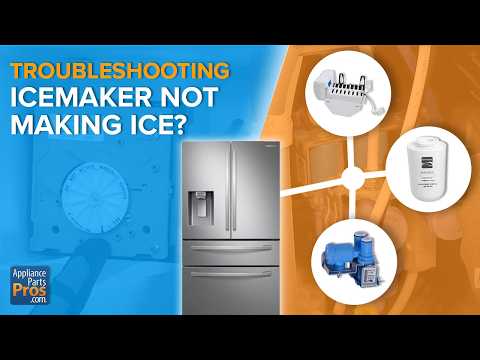
Credit: www.appliancerepairfortlauderdalefl.net
Maintaining Regular Ice Maker Cleaning
Keeping your GE Profile ice maker clean is crucial for its smooth operation. Dirt, mineral deposits, and ice buildup can block the mechanism and stop ice production. Regular cleaning not only improves ice quality but also extends the life of your appliance.
Cleaning The Ice Maker Unit
Start by unplugging your refrigerator to ensure safety. Use a soft cloth dampened with warm water and mild dish soap to wipe the ice maker’s surfaces. Avoid harsh chemicals that can damage the unit or leave harmful residues.
Pay close attention to the ice mold and the ejector blades, as these areas often collect debris. Rinse thoroughly with clean water and dry with a soft cloth. This simple routine can prevent many common ice maker issues.
Removing Ice Blockages
Ice blockages are a frequent cause of an ice maker not producing ice. Carefully inspect the ice chute and the area around the ice mold for any stuck chunks of ice. Use a plastic or wooden tool to gently break up and remove the blockages.
A hairdryer on a low setting can help melt stubborn ice, but keep it moving to avoid overheating any parts. Have you noticed your ice cubes sticking together? That could be a sign it’s time for a thorough ice removal session.
When To Seek Professional Help
Knowing when to seek professional help can save time and avoid further damage. Some ice maker problems are simple. Others need expert care. Understanding these signs helps you decide the right action.
Identifying Complex Problems
Persistent ice maker issues often point to complex problems. Electrical faults, frozen water lines, or faulty motors require special tools. If your ice maker:
- Stops making ice completely
- Makes strange noises
- Leaks water inside or outside
- Shows error codes on the display
These signs usually mean professional diagnosis is needed. Attempting repairs without skills can cause more harm.
Finding A Qualified Technician
Choose a technician with experience in GE appliances. Check for certifications and good reviews. A qualified professional will:
- Use proper tools for diagnosis and repair
- Understand GE ice maker models and parts
- Offer a clear estimate before work
- Provide warranty on repairs
Contacting the right expert ensures your ice maker is fixed safely and efficiently.

Credit: www.appliancekoa.com
Frequently Asked Questions
Why Is My Ge Profile Ice Maker Not Making Ice?
Your GE Profile ice maker may not make ice due to a water supply issue. Check for clogs, frozen lines, or a faulty water inlet valve.
How Do I Fix A Ge Profile Ice Maker Not Producing Ice?
Reset the ice maker by turning it off and on. Inspect the water filter and replace it if clogged. Ensure the freezer temperature is below 10°F (-12°C).
Can A Dirty Water Filter Stop My Ice Maker?
Yes, a clogged or dirty water filter restricts water flow, preventing ice production. Replace the filter every six months for optimal performance.
Does Freezer Temperature Affect Ge Profile Ice Maker Function?
Absolutely. If the freezer is too warm, ice making slows or stops. Keep freezer temperature between 0°F and 5°F (-18°C to -15°C) for proper ice production.
Conclusion
A GE Profile ice maker not making ice can be frustrating. Check the water supply and temperature first. Clean the ice maker to avoid blockages. Make sure the ice maker is turned on. Sometimes, a reset helps fix small issues.
If problems continue, call a technician. Small steps often solve the issue quickly. Keep your ice maker in good shape for cold, fresh ice always.