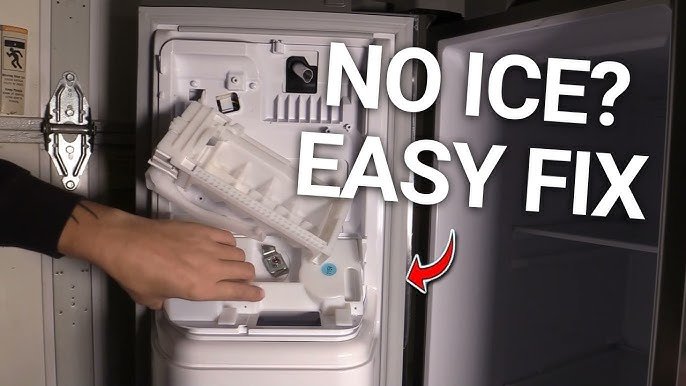
Is your GE ice maker leaving you empty-handed when you need ice the most? It’s frustrating when you open the freezer, expecting a steady supply of ice cubes, only to find none.
You might wonder, “Why is my GE ice maker not making ice? ” The good news is, you’re not alone—and the problem is often easier to fix than you think. You’ll discover the common reasons behind this issue and simple steps you can take to get your ice maker back up and running fast.
Keep reading, and say goodbye to ice shortages for good.

Credit: www.searshomeservices.com
Common Ice Maker Problems
Understanding common ice maker problems can save you time and frustration. These issues often have simple fixes but can leave you puzzled if you don’t know what to check first. Let’s break down the usual suspects behind your GE ice maker’s lackluster performance.
No Ice Production
If your ice maker isn’t producing any ice, start by checking the water supply. Is the valve fully open? A clogged or frozen water line can stop water from reaching the ice maker.
Also, look at the ice maker’s power connection and settings. Sometimes the ice maker gets accidentally turned off or the freezer temperature is too high to trigger ice making.
Slow Ice Making
Slow ice production usually means something is slowing down the freezing process. Have you noticed if your freezer door seals properly? Warm air sneaking in can increase the temperature and delay ice formation.
Another factor is the water temperature entering the ice maker. Warmer water takes longer to freeze, so check if the water line is exposed to heat sources.
Ice Cubes Are Small Or Misshapen
Small or oddly shaped ice cubes often point to issues with water quality or flow. Hard water can leave mineral deposits that affect ice shape and size.
Also, partial blockages in the ice mold or a malfunctioning ice mold heater can cause cubes to form incorrectly. Have you cleaned the ice maker recently? A simple cleaning might restore the perfect cube shape.
Checking Water Supply
Checking the water supply is essential when your GE ice maker stops making ice. Ice machines need a steady flow of clean water at the right pressure. Interruptions in water supply often cause ice production to halt. Examining the water line, testing pressure, and clearing the water filter can solve many issues quickly.
Inspect Water Line
Start by looking at the water line connected to the ice maker. Make sure the line is not kinked, bent, or frozen. Any blockages or damage can stop water from reaching the ice maker. Check the connection to ensure it is tight and secure. A loose or broken water line will prevent ice from forming.
Test Water Pressure
The ice maker needs correct water pressure to work properly. Low pressure means less water flow, which stops ice production. Use a pressure gauge to check the water pressure on the supply line. The ideal pressure is usually between 20 and 120 psi. If pressure is too low, contact a plumber or your water supplier for help.
Clear Water Filter
A clogged water filter reduces water flow to the ice maker. Replace or clean the filter regularly to keep water moving freely. Look for signs of dirt, sediment, or mineral buildup in the filter. Changing the filter often improves ice quality and prevents production problems.
Examining Ice Maker Components
Examining the ice maker components helps identify why the GE ice maker is not producing ice. Each part plays a vital role in the ice-making process. Faulty or blocked components often cause issues. Checking these parts can save time and avoid unnecessary repairs.
Check Ice Maker Arm
The ice maker arm controls ice production. When the arm is stuck in the up position, ice making stops. Dust, debris, or ice buildup can block the arm’s movement. Gently move the arm up and down to ensure it moves freely. A broken or bent arm needs replacement to restore function.
Inspect Ice Mold
The ice mold shapes water into ice cubes. Cracks or damage in the mold prevent proper ice formation. Ice buildup inside the mold can also block water flow. Clean the mold with warm water and a soft cloth. Avoid harsh chemicals that might damage the mold surface.
Test Thermostat And Sensors
The thermostat and sensors regulate temperature for ice production. A faulty thermostat may fail to trigger freezing cycles. Sensors detect ice levels and signal when to stop making ice. Use a multimeter to test for electrical continuity. Replace any defective sensors or thermostats promptly to ensure proper operation.

Credit: www.angi.com
Resetting The Ice Maker
Resetting your GE ice maker can often resolve common issues that stop it from making ice. This simple action helps clear any glitches in the system and gets your ice production back on track. Before calling for service, try resetting—it might save you time and frustration.
Locate Reset Button
Start by finding the reset button on your ice maker. It’s usually a small, red or black button inside the freezer compartment or on the ice maker unit itself. Check your user manual if you’re unsure where it’s placed—knowing its location is key to a quick reset.
Perform Manual Reset
Once you find the reset button, press and hold it for about 10 seconds. You might hear a chime or see the ice maker begin to cycle, which means the reset is working. After releasing the button, wait a few minutes for the ice maker to restart and check if it begins making ice again.
When To Power Cycle
If the reset button doesn’t fix the problem, try power cycling your ice maker. Unplug the refrigerator or turn off the power at the breaker for about 5 minutes. This can clear deeper electronic issues by giving the system a full restart—have you tried unplugging your devices to fix glitches before? This principle works here too.
Dealing With Freezer Temperature Issues
The ice maker in your GE refrigerator might stop making ice. A common reason is freezer temperature issues. The ideal freezer temperature plays a crucial role. If it's not set correctly, your ice maker may not work. Let's explore how to deal with freezer temperature issues.
Ideal Temperature Settings
Your freezer should be at the right temperature for ice making. The ideal setting is 0°F (-18°C). This ensures your ice maker functions properly. If the temperature is too high, ice production slows down. Check your freezer's current settings.
Adjusting Thermostat
Adjusting the thermostat can fix temperature problems. Locate the thermostat in your freezer. Turn it to the correct setting. Wait a few hours for the temperature to stabilize. Monitor the ice maker's performance after adjustment.
Avoiding Frost Build-up
Frost build-up can block cold air circulation. This affects the freezer's temperature. To avoid frost, ensure the freezer door is closed tightly. Check the door seals for any damage. Replace them if necessary. Regularly defrost the freezer to prevent ice build-up.
When To Call A Technician
Knowing when to call a technician for your GE ice maker can save you time and prevent further damage. Some issues are simple fixes, but others require professional expertise. Understanding the signs that point to mechanical or electrical problems can help you decide the right moment to seek help.
Signs Of Mechanical Failure
If your ice maker makes strange noises like grinding or clicking, it might indicate a mechanical problem. Another sign is when the ice maker stops producing ice altogether, despite having water supply. You might also notice ice jams or unevenly shaped ice cubes, which suggest internal parts like the motor or gears are malfunctioning.
Have you checked if the ice tray moves as expected? If it doesn’t, the mechanical components might be stuck or broken. Trying to fix these issues yourself can sometimes cause more harm than good, so it’s best to call a technician if these signs persist.
Electrical Issues To Watch For
Electrical problems can be tricky because they often show up as inconsistent ice production or complete failure to start. Flickering lights on your ice maker or a burning smell are serious warnings. These signs could mean wiring issues, a faulty control board, or problems with the power supply.
Does your ice maker reset randomly or fail to respond to controls? These symptoms often require diagnostic tools only a technician has. Ignoring electrical issues can lead to more costly repairs or even pose safety risks, so don’t hesitate to get professional help.
Cost Considerations
Before calling a technician, consider the cost of the repair versus replacing the ice maker. Minor fixes like replacing a water filter or cleaning the unit yourself can save money. However, mechanical and electrical repairs can be expensive.
| Issue | Average Repair Cost | When to Replace |
|---|---|---|
| Motor or Gear Replacement | $150 - $300 | If repair exceeds 50% of new unit cost |
| Control Board Repair | $200 - $400 | If repeated failures occur |
| Electrical Wiring Fix | $100 - $250 | If safety is compromised |
Think about how old your GE ice maker is and how often it has needed repairs. Sometimes, investing in a new unit is more cost-effective than frequent fixes. What’s your budget limit for repairs before you consider replacement?

Credit: www.familyhandyman.com
Frequently Asked Questions
Why Is My Ge Ice Maker Not Making Ice?
Your GE ice maker may stop making ice due to a water supply issue, clogged filter, or frozen water line. Check if the water valve is open and the filter is clean. Also, ensure the freezer temperature is set correctly for ice production.
How To Fix A Ge Ice Maker Not Producing Ice?
Start by inspecting the water supply and filter for blockages. Reset the ice maker by turning it off and on. Check the freezer temperature and ensure the ice maker arm is in the down position for ice to form.
Can A Frozen Water Line Cause Ice Maker Issues?
Yes, a frozen water line can prevent water from reaching the ice maker. Defrost the freezer or use warm water to thaw the line carefully. This restores water flow and resumes ice production.
Does Water Filter Replacement Affect Ice Making?
A clogged or old water filter restricts water flow, causing ice maker failure. Replace the filter every six months or as recommended to maintain proper water flow and clean ice production.
Conclusion
A GE ice maker not making ice can be frustrating. Check water supply, temperature, and filter first. Small fixes often solve the problem quickly. Regular cleaning keeps your ice maker working well. Don't ignore warning signs or unusual noises. Simple steps save time and avoid costly repairs.
Stay patient and follow these tips carefully. Your ice maker can work like new again. Keep it running smoothly for cold, fresh ice anytime.