Is your freezer suddenly not working, leaving you worried about your frozen food? You’re not alone, and it can be frustrating when this essential appliance stops running properly.
Understanding why your freezer isn’t working can save you time, money, and stress. You’ll discover the common reasons behind freezer problems and easy steps you can take to fix them. Keep reading to regain control and keep your food fresh without delay.
Common Freezer Issues
Freezers can stop working properly for a variety of reasons. Identifying the exact cause helps you fix the problem faster and avoid costly repairs. Let’s look at some common freezer issues that might be behind your appliance’s poor performance.
Power Supply Problems
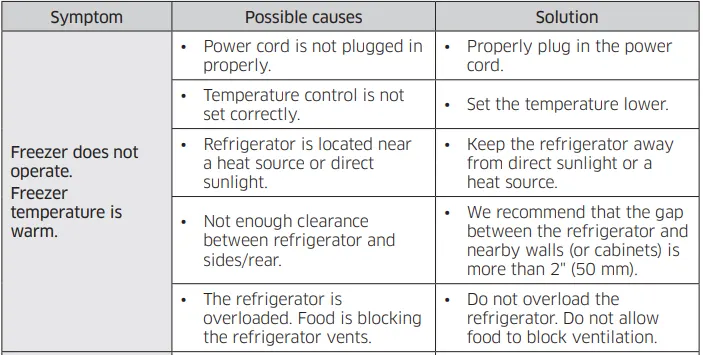
Check if your freezer is getting power. Sometimes the plug might be loose or the outlet faulty. A tripped circuit breaker or blown fuse can also cut off electricity without you noticing.
Have you ever found your freezer unplugged after moving it for cleaning? It’s a simple mistake but can cause a lot of confusion. Always verify power before assuming a mechanical failure.
Thermostat Malfunctions
The thermostat controls the freezer’s temperature. If it’s broken or set incorrectly, your freezer won’t cool properly. You might notice the freezer runs constantly or not at all.
Try adjusting the thermostat to a colder setting and listen for the compressor kicking on. If nothing changes, the thermostat may need replacing. This small part can cause big headaches.
Frost Buildup
Excess frost can block airflow inside your freezer. This makes it hard for cold air to circulate, leading to uneven cooling. Frost buildup often happens if the door isn’t sealing well or if you open it too frequently.
Defrost your freezer regularly to prevent this. If frost returns quickly, check the door seal or consider a professional inspection. How often do you defrost your freezer?
Dirty Condenser Coils
Condenser coils release heat from your freezer. When they get dirty or covered in dust, the freezer works harder to stay cold. This can cause the compressor to overheat and fail.
Cleaning the coils every few months is easy and can extend your freezer’s life. Use a vacuum or brush to remove dirt. When was the last time you cleaned your freezer’s coils?
Faulty Door Seal
The door seal keeps cold air inside and warm air out. If it’s cracked or damaged, cold air escapes and the freezer struggles to maintain temperature. This increases energy use and causes frost buildup.
Inspect the seal for gaps or tears by closing the door on a piece of paper—if it slips out easily, the seal is weak. Replacing a door seal is usually affordable and can save you money on your electric bill.
Credit: www.searspartsdirect.com
Signs Your Freezer Is Failing
Noticing that your freezer isn’t working properly can be frustrating. Often, the problem doesn’t appear suddenly but shows clear signs over time. Paying attention to these early signals can save you from losing food and costly repairs.
Unusual Noises
Is your freezer making strange sounds like buzzing, clicking, or humming louder than usual? These noises often mean the motor or compressor is struggling. Ignoring these sounds might lead to a complete breakdown, so it’s worth checking immediately.
Temperature Fluctuations
Does your freezer feel warmer than it should or keep changing temperature? This can cause food to spoil faster and ice to melt. If you notice your freezer isn’t consistently cold, it’s a clear sign that the cooling system may be failing.
Ice Cream Melting Quickly
Have you noticed your ice cream melting faster than normal inside the freezer? This usually means the freezer isn’t maintaining the right temperature. If your frozen treats lose their firmness quickly, it’s time to investigate your freezer’s performance.
Water Leaks
Finding water pooling around your freezer is a red flag. Leaks can come from blocked defrost drains or damaged seals. Water not only damages your floor but also signals that your freezer isn’t working properly.
Quick Fixes You Can Try
If your freezer suddenly stops working, don’t panic just yet. There are a few quick fixes you can try before calling a repair technician. These simple steps might save you time and money, and they’re easy enough to do on your own.
Resetting The Freezer
Sometimes, your freezer just needs a quick reset to start working again. Unplug it from the wall, wait for about five minutes, and then plug it back in. This can clear any minor electrical glitches that might be causing the problem.
Have you noticed if your freezer’s controls are responding? Resetting can often restore normal function without any tools or special skills.
Cleaning The Coils
Dirty coils can make your freezer work harder and eventually stop cooling properly. Check the coils, usually located at the back or underneath the unit, and clean them using a vacuum or a coil brush. This simple maintenance step helps your freezer run efficiently.
If dust and dirt have built up over time, cleaning the coils might be the exact fix you need to bring your freezer back to life.
Replacing The Door Gasket
A worn or damaged door gasket can let cold air escape, causing your freezer to lose its cool. Inspect the rubber seal around the door for cracks or tears. If it feels loose or damaged, replacing the gasket can save energy and improve cooling.
Think about how often you open the door—if the seal isn’t tight, your freezer can’t maintain the right temperature.
Defrosting The Freezer
Ice buildup can block air flow and reduce cooling efficiency. If you see frost inside your freezer, it’s time to defrost. Turn off the freezer, empty it, and let the ice melt away completely before turning it back on.
How much ice is too much? If you notice frost thicker than a quarter of an inch, defrosting can make a big difference in performance.

Credit: www.searshomeservices.com
When To Call A Professional
Knowing when to call a professional for your freezer can save you time, money, and frustration. Some problems require expert tools and experience that go beyond simple troubleshooting. If you've tried basic fixes and your freezer still isn’t working right, it might be time to get help.
Persistent Temperature Issues
If your freezer keeps fluctuating in temperature despite cleaning the coils and checking the door seals, this is a red flag. A freezer that won’t maintain a steady cold environment can spoil your food and increase energy bills.
Have you noticed ice buildup or frequent frost? These signs often mean the thermostat or defrost system is malfunctioning. A professional can test these components accurately and decide if replacement is necessary.
Electrical Component Failures
Sometimes, your freezer won’t turn on or runs erratically due to electrical problems. Issues like faulty wiring, damaged capacitors, or a broken start relay require careful handling.
These components are hidden and can be dangerous to fix without proper training. If your freezer trips the circuit breaker or makes unusual noises, it’s safer and more effective to call an expert technician.
Compressor Problems
The compressor is the heart of your freezer, and if it fails, your appliance won’t cool at all. Signs of compressor trouble include loud humming, clicking noises, or a freezer that runs non-stop without getting cold.
Repairing or replacing a compressor is complex and expensive. Professionals have the right tools to diagnose whether the compressor is faulty or if other parts are causing the issue.
Preventing Future Freezer Problems
Regularly cleaning the freezer coils helps keep it running smoothly. Avoid overloading the freezer to ensure proper air circulation and prevent breakdowns.
Preventing Freezer Problems is not just about dealing with crises when they arise; it's about building a relationship with your appliance that ensures smooth operation over the years. You might be asking yourself: what can I do to make sure my freezer doesn't fail when I need it the most? Simple changes in maintenance and usage can make a world of difference.
Regular Maintenance Tips
Regular maintenance is your first line of defense against freezer problems. Clean the coils at the back every six months to ensure efficient cooling. Check the door seals regularly for cracks or gaps; a simple dollar bill test can help—close the door on a bill, and if you can pull it out easily, the seal needs attention.
Proper Freezer Usage
How you use your freezer can significantly impact its longevity. Keep the temperature at a steady -18°C (0°F) for optimal efficiency. Make it a habit to defrost your freezer if ice builds up beyond a quarter of an inch, as thick ice can reduce its efficiency.
Avoiding Overloading
Overloading your freezer is like packing a suitcase too tightly; it restricts airflow, making the appliance work harder. Use the rule of thumb: leave about 20% of the space empty. This not only aids air circulation but also allows room for adding more items without straining the freezer. By focusing on these practical strategies, you're not just preventing issues—you're enhancing the lifespan and efficiency of your freezer. Are you ready to take these simple steps to avoid the hassle of a malfunctioning freezer?
Credit: www.searshomeservices.com
Frequently Asked Questions
Why Is My Freezer Not Cooling Properly?
Your freezer may not cool due to dirty coils, blocked vents, or a faulty thermostat. Check for power issues and ensure proper airflow. Regular maintenance can prevent these problems and keep your freezer running efficiently.
How Can I Fix A Freezer That Won’t Start?
First, check the power supply and outlet. Inspect the door seal for leaks and clean the condenser coils. If the freezer still won’t start, the compressor or start relay may need professional repair or replacement.
What Causes Freezer Frost Buildup And Stops Cooling?
Frost buildup often results from a faulty door seal or frequent door openings. It blocks airflow, reducing cooling efficiency. Defrost the freezer regularly and replace damaged seals to prevent ice accumulation and maintain proper cooling.
Can A Freezer Stop Working Due To Temperature Settings?
Yes, incorrect temperature settings can cause poor cooling. Set your freezer between 0°F and 5°F (-18°C to -15°C) for optimal performance. Adjust settings if food isn’t freezing properly or if ice buildup occurs.
Conclusion
A freezer not working can cause real trouble at home. Check the power supply and temperature settings first. Clean the coils and ensure the door seals tight. Small fixes often solve the problem quickly. Sometimes, the issue needs a professional’s help.
Don’t wait too long to act. Keeping your freezer in good shape saves food and money. Stay aware and maintain it regularly. Your freezer will run better and last longer. Simple steps make a big difference in freezing performance.