Is your freezer icing over, leaving you frustrated and confused? You’re not alone.
When frost builds up inside your freezer, it can waste energy, reduce storage space, and even spoil your food. But why does this happen, and more importantly, how can you fix it? Keep reading to discover the simple reasons behind freezer ice buildup and easy tips to stop it for good.
Your freezer – and your food – will thank you.
Credit: dengarden.com
Causes Of Freezer Frost
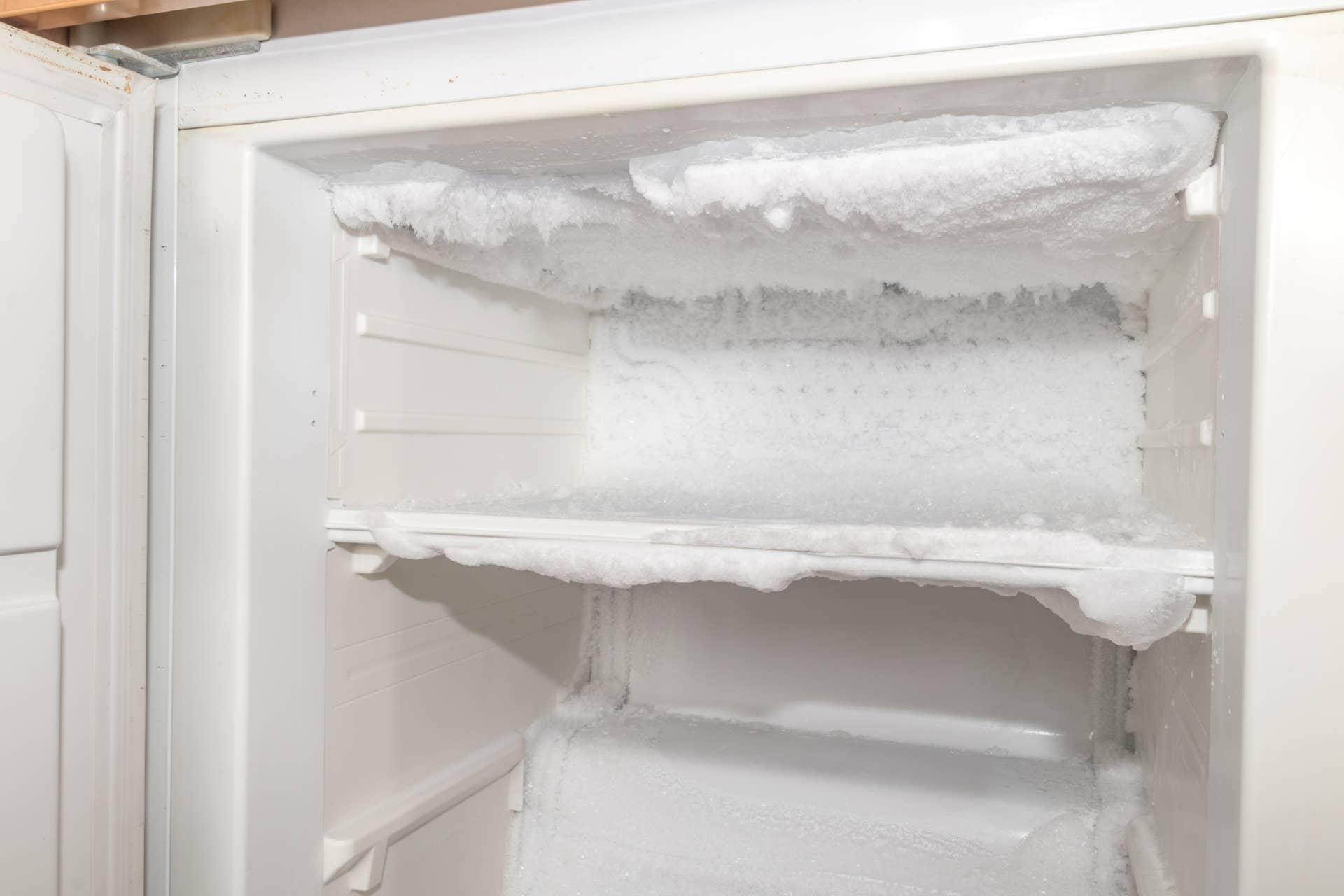
Freezer frost forms when moisture turns into ice inside the freezer. Understanding the causes helps prevent frost buildup. Several factors contribute to this common problem. Some are easy to fix, while others need more attention. Knowing the reasons can save energy and keep food fresh longer.
Door Seal Issues
A damaged or worn door seal lets warm air enter the freezer. This warm air carries moisture, which freezes and creates frost. Check the seal for cracks or gaps. Replace or repair the seal to stop air leaks.
Frequent Door Opening
Opening the freezer door often lets moist air inside. This moisture quickly turns into frost. Try to open the door less and close it quickly. Keeping the door closed maintains the right temperature and reduces frost.
High Humidity Levels
High humidity in the kitchen means more moisture in the air. This moisture enters the freezer when the door opens. The moisture freezes and forms frost on walls and shelves. Use a dehumidifier or keep the kitchen well ventilated.
Blocked Vents
Blocked vents stop cold air from circulating inside the freezer. Poor air flow causes uneven cooling and frost buildup. Keep vents clear of food and containers. Proper air flow helps keep frost away.
Temperature Settings
Setting the freezer too cold causes excessive frost. Too warm settings can also cause moisture build-up. Use the recommended temperature, usually around 0°F (-18°C). Adjust settings if frost appears frequently.

Credit: www.angi.com
Signs Of Excess Frost
Excess frost in your freezer can cause many problems. It blocks airflow and makes the freezer work harder. Spotting signs of too much frost early helps fix the issue fast.
Here are some clear signs that your freezer has excess frost buildup. Knowing these helps keep your freezer in good shape.
Visible Ice Buildup
Ice forms on freezer walls, shelves, or around food items. Frost may look like a thick layer or hard chunks. This buildup reduces space inside the freezer.
Ice near door seals can stop the door from closing tightly. Check corners and edges for frost regularly.
Reduced Freezer Efficiency
When frost blocks vents, cold air can’t circulate well. The freezer runs longer to keep food cold. This wastes energy and raises electricity bills.
Food may not freeze properly or spoil faster. The freezer feels warmer than usual during normal use.
Unusual Noises
Excess frost can cause strange sounds from your freezer. Listen for buzzing, clicking, or humming noises. These sounds may mean the motor works harder.
Frost buildup can block fan blades or vents. This causes the freezer to make more noise than usual.
Quick Fixes For Frost Build-up
Frost build-up in freezers can cause many problems. It blocks airflow, reduces cooling, and wastes energy. Quick fixes help stop frost from growing and keep your freezer working well. Try these simple actions to manage frost and avoid bigger issues.
Check And Replace Door Seals
Door seals keep cold air inside the freezer. If they are cracked or loose, warm air enters. This causes frost to form. Inspect the seals for damage or dirt. Clean them with warm water. Replace seals if they are broken or worn out. Good seals keep frost under control.
Limit Door Opening
Opening the freezer door often lets moist air inside. Moisture turns into frost quickly. Try to open the door only when needed. Close it tightly after use. This reduces frost build-up by limiting moisture entry.
Adjust Temperature Settings
Freezers set too cold can cause excess frost. Check the temperature control and set it between 0°F and 5°F (-18°C and -15°C). Proper temperature keeps food frozen without extra frost. Avoid setting it colder than necessary.
Clear Blocked Vents
Vents inside the freezer allow cold air to circulate. If blocked by food or ice, airflow stops. This causes uneven cooling and frost. Keep vents clear by arranging items carefully. Remove ice build-up near vents to keep air flowing.
Defrosting Methods
Manual defrosting removes frost build-up effectively. Turn off the freezer and empty it. Leave the door open until frost melts. Use towels to catch water. Clean the freezer before turning it back on. Regular defrosting prevents thick ice layers.

Credit: www.searshomeservices.com
Preventing Future Frost
Preventing frost in your freezer keeps it running smoothly and saves energy. Frost buildup happens when moisture meets cold air inside the freezer. Stopping frost requires good habits and simple care. Follow these tips to keep your freezer frost-free and efficient.
Proper Food Storage
Store food in airtight containers or freezer bags. This blocks moisture from escaping into the freezer air. Avoid leaving food uncovered. Keep items organized to prevent opening the door too long. This reduces warm air entering and causing frost.
Regular Cleaning
Clean your freezer every few months. Remove all food and unplug the freezer. Use a mixture of warm water and baking soda to wipe surfaces. This removes dirt and prevents frost buildup. Dry the inside completely before plugging back in.
Monitor Humidity
High humidity causes more frost. Keep the kitchen well-ventilated to lower moisture in the air. Avoid placing hot or warm food directly into the freezer. Let it cool first. This limits moisture inside and reduces frost formation.
Routine Maintenance Tips
- Check door seals for cracks or gaps regularly.
- Replace damaged seals to keep cold air in and moisture out.
- Keep the freezer full but not overcrowded for better air circulation.
- Defrost the freezer if frost builds up over ¼ inch thick.
- Set the temperature between 0°F and 5°F (-18°C to -15°C) for optimal performance.
Frequently Asked Questions
Why Is My Freezer Constantly Icing Over?
Freezer icing occurs due to excess moisture inside. This moisture freezes on cold surfaces, causing frost buildup. Common causes include frequent door opening, damaged door seals, or poor ventilation. Regularly checking these factors helps prevent icing and keeps your freezer efficient.
How Can I Stop My Freezer From Icing Up?
To stop freezer icing, keep the door closed as much as possible. Check and replace faulty door seals. Avoid placing warm or uncovered food inside. Also, defrost the freezer regularly to remove built-up ice and maintain proper airflow.
Does A Faulty Door Seal Cause Freezer Icing?
Yes, a damaged door seal lets warm air in. This causes condensation and frost buildup inside the freezer. Inspect seals for cracks or gaps and replace them promptly to prevent icing and improve freezer efficiency.
Can Frequent Door Opening Lead To Freezer Frost?
Frequent door opening allows warm, moist air inside. This moisture freezes and creates frost on freezer walls and shelves. Minimize door openings and ensure the door closes tightly to reduce frost buildup.
Conclusion
Freezer icing over causes problems with food storage and energy use. Simple fixes like checking door seals can help a lot. Avoid leaving the freezer door open for too long. Keep the freezer temperature set right to stop ice buildup.
Regular cleaning prevents frost and keeps the freezer working well. Taking care of these small issues saves money and food. Stay aware of these tips to keep your freezer frost-free. Your freezer will run smoothly and last longer with little effort.