
Is your dishwasher suddenly making a loud humming noise that’s hard to ignore? You’re not alone.
That strange sound can be frustrating and even worrying. You might be wondering if your dishwasher is about to break down or if there’s a simple fix. Don’t worry—this noise often means something specific, and understanding it can save you time and money.
Keep reading to discover why your dishwasher is humming loudly and what you can do about it right now.

Credit: www.davesmithappliance.com
Common Causes Of Loud Humming
A loud humming noise from your dishwasher can be more than just annoying—it often signals an underlying issue that needs your attention. Understanding the common causes of this humming can help you troubleshoot effectively and avoid costly repairs. Let’s look at some typical reasons why your dishwasher might be making that persistent noise.
Clogged Or Dirty Filters
Filters trap food particles and debris during the wash cycle. When they get clogged or dirty, water can’t flow properly, causing the dishwasher to struggle and produce a humming sound. Cleaning your filters regularly can prevent this issue and improve your dishwasher’s performance.
Faulty Water Inlet Valve
The water inlet valve controls the flow of water into your dishwasher. If it becomes faulty or partially blocked, the valve may hum loudly as it tries to open or close. Have you noticed water filling slower than usual? That could be your valve signaling it’s time for a check or replacement.
Worn Out Pump Motor
The pump motor moves water through your dishwasher during cycles. Over time, it can wear out and struggle to function, causing a constant humming noise. If your dishwasher sounds like it’s working hard but isn’t cleaning properly, the pump motor might be the culprit you need to inspect.
Blocked Drainage System
A blockage in the drainage system forces the dishwasher to work harder to pump out water, resulting in a loud humming noise. Food scraps or foreign objects often cause these blockages. Clearing the drain line or garbage disposal connection can eliminate the hum and restore smooth operation.
Loose Or Damaged Spray Arms
Spray arms spin and spray water during the wash cycle. If they become loose or damaged, they might hit the dishwasher’s interior, producing a humming or rattling sound. Have you checked if the spray arms move freely? Tightening or replacing them could be the simple fix your dishwasher needs.

Credit: bscappliancerepair.com
Diagnosing The Noise
Hearing a loud humming noise from your dishwasher can be unsettling. Diagnosing the noise helps find the root cause quickly. This way, you can decide if a simple fix is possible or if professional help is needed. Start by pinpointing the exact source of the sound. Then, check key parts like the water supply and internal components for issues.
Identifying The Source
Stand near the dishwasher and listen carefully. Determine if the humming comes from the front, back, or inside. Note if the noise is constant or only during certain cycles. Pay attention to any changes when you open or close the door. This information narrows down possible problems.
Checking Water Supply
Inspect the water valve connected to the dishwasher. Ensure it is fully open and not blocked. A restricted water flow can cause humming sounds. Look for kinks or bends in the water hose. Replace damaged hoses to restore normal water pressure and stop the noise.
Inspecting Internal Components
Open the dishwasher door and remove the lower rack. Check the filter and drain area for debris. A clogged filter can strain the motor, causing humming. Listen near the pump and motor assembly for unusual sounds. Worn bearings or a failing motor often create loud humming noises. Clean or replace parts as needed.
Quick Fixes To Try
Hearing a loud humming noise from your dishwasher can be frustrating. Often, the cause is simple and can be fixed quickly. Trying some easy steps might stop the noise and restore your dishwasher’s quiet operation.
Start with these quick fixes to check common issues that cause humming sounds.
Cleaning Filters And Spray Arms
Dirty filters block water flow, making the motor work harder. Remove the filter and rinse it under warm water. Use a soft brush to clear away food debris. Check the spray arms for clogs. Remove them and clean the holes with a toothpick or small brush. Clean parts improve water flow and reduce noise.
Clearing Drainage Blockages
Blocked drainage can cause humming as the pump struggles. Inspect the drain hose for kinks or clogs. Disconnect and flush it with water if needed. Check the garbage disposal if connected. Clear any stuck debris to help water drain smoothly and lower noise levels.
Tightening Loose Parts
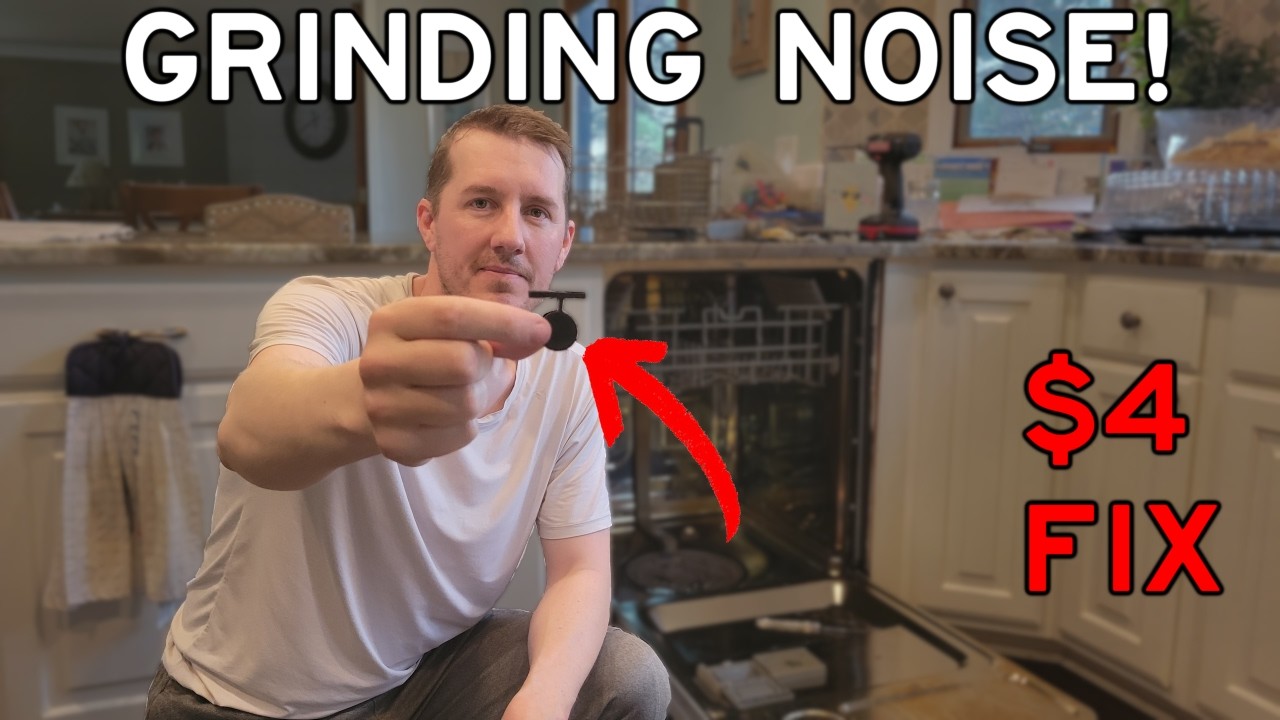
Loose screws or panels can cause vibrations and humming. Open the dishwasher door and check for loose screws on the door and frame. Tighten them with a screwdriver. Check the dishwasher’s base and motor mounts. Secure any loose parts to stop rattling and reduce humming sounds.
Credit: www.youtube.com
When To Replace Parts
If your dishwasher has been humming loudly, it might be signaling a need for some attention. This noise can often be a sign that certain parts are wearing out and may need replacement. Recognizing the signs early can save you from unexpected breakdowns and expensive repairs.
Signs Of A Faulty Pump Motor
The pump motor is like the heart of your dishwasher, responsible for circulating water throughout the wash cycle. If it starts failing, you might hear a persistent loud humming. A faulty pump motor can also result in poor cleaning performance, leaving dishes less than spotless.
If you've ever experienced a dishwasher that hums loudly but fails to clean effectively, consider checking the pump motor. Listen for unusual sounds during operation, and if the noise persists, it might be time to replace the motor. Addressing this issue promptly ensures your dishwasher continues to run efficiently.
Water Inlet Valve Issues
The water inlet valve controls the flow of water into your dishwasher. When this valve starts malfunctioning, it can produce a humming noise. This could be due to mineral deposits or general wear over time.
Have you noticed your dishwasher taking longer to fill or not filling at all? These are clear indicators that the water inlet valve might be the culprit. Replacing a faulty valve can restore the proper water flow and eliminate the annoying noise.
Other Wear And Tear Indicators
Besides the pump motor and water inlet valve, other parts might also contribute to the humming noise. Worn-out bearings, seals, or spray arms can cause vibrations that translate into noise. Regular maintenance checks can help identify these issues early.
Consider making a habit of inspecting your dishwasher for signs of wear. Does any part look loose or damaged? Taking proactive steps to replace worn-out components not only reduces noise but also extends the lifespan of your appliance.
Your dishwasher is a valuable kitchen assistant. By paying attention to the sounds it makes, you can ensure it continues to serve you well. When do you think was the last time you gave your dishwasher a little check-up?
Preventing Future Noise
Stopping your dishwasher from making loud humming noises in the future depends largely on how you care for and use it daily. Small habits can either protect your machine or cause it to struggle and produce irritating sounds. Paying attention to a few key areas will help keep your dishwasher running quietly and efficiently for years.
Regular Maintenance Tips
Regularly cleaning your dishwasher can prevent parts from wearing out prematurely and making noise. Remove and clean the filter at least once a month to avoid clogs that strain the motor. Also, check spray arms for debris that can cause imbalance and vibration.
Have you ever noticed a faint humming before a loud noise? It might be a sign that your pump or motor needs lubrication or inspection. Scheduling routine check-ups with a professional can catch small issues before they turn noisy and costly.
Proper Loading Techniques
How you load your dishwasher affects its noise level. Avoid overcrowding dishes or placing items in a way that blocks the spray arms, as this can cause the motor to work harder and hum loudly. Keep heavier pots and pans on the bottom rack and delicate glasses on the top to balance the load.
Think about the last time you heard a strange noise during a cycle. Were items rattling inside? Securing loose items can drastically reduce vibration sounds. Take a moment to rearrange before starting the wash—your ears will thank you.
Using Recommended Detergents
Not all detergents are created equal, and using the wrong one can contribute to excess noise. Choose detergents specifically designed for your dishwasher model to ensure proper sudsing and cleaning. Too many suds can cause the motor to strain and create humming noises.
Have you tried switching detergents when noises started? Sometimes a simple change to a high-quality, low-foam detergent can make a noticeable difference in sound and performance. Always read your dishwasher’s manual to match detergent recommendations.
Frequently Asked Questions
Why Is My Dishwasher Making A Loud Humming Noise?
A loud humming noise often means the dishwasher motor or pump is stuck. It may be due to debris, a faulty motor, or a blocked drain. Inspect and clean the filter and check for obstructions to fix this issue.
Can A Clogged Filter Cause Dishwasher Humming?
Yes, a clogged filter can cause humming. It blocks water flow, making the motor work harder. Regularly cleaning the filter helps prevent this noise and ensures smooth dishwasher operation.
Is A Faulty Motor Causing The Dishwasher Noise?
A faulty motor can cause loud humming sounds. If the motor struggles to run or is damaged, it produces noise. Replacing the motor or consulting a technician is advisable if this is the cause.
How To Fix A Dishwasher Stuck In Humming Mode?
Unplug the dishwasher, clean the filter and drain pump, then restart. If it still hums, the motor or pump might need repair. Always check for blockages before calling a professional.
Conclusion
A loud humming noise in your dishwasher signals a problem. It might be a stuck motor, clogged filter, or faulty pump. Ignoring the noise can cause bigger damage. Regular cleaning and quick repairs keep your dishwasher quiet and efficient. Listen to your machine and act early.
This saves time and money on costly fixes. A smooth-running dishwasher makes kitchen chores easier every day. Stay aware and keep your appliance in good shape.


