
Are you tired of finding spots and residue on your dishes after running your dishwasher? It’s frustrating when you expect clean, sparkling plates, but instead, they come out looking dirty or cloudy.
You might wonder, “Why is my dishwasher leaving residue on my dishes? ” The answer isn’t always obvious, but understanding the common causes can help you fix the problem quickly. Keep reading, and you’ll discover simple steps to get your dishwasher working perfectly again—so your dishes come out spotless every time.

Credit: www.familyhandyman.com
Common Causes Of Residue
Residue on dishes after a dishwasher cycle is a common annoyance. Several factors cause this problem. Understanding these causes can help fix the issue quickly. Here are the most common reasons why residue might appear.
Hard Water Effects
Hard water contains minerals like calcium and magnesium. These minerals leave white spots or film on dishes. Over time, mineral buildup can clog dishwasher parts. Using a water softener or special detergent can reduce hard water residue.
Detergent Issues
Using the wrong detergent causes residue. Too much detergent leaves soap scum on dishes. Too little detergent fails to clean properly. Old or expired detergent also loses effectiveness. Use the right amount and type for your dishwasher model.
Clogged Filters
Dishwasher filters catch food particles and debris. When filters clog, water flow decreases. Poor water circulation means dishes do not get clean. Regularly cleaning filters helps remove trapped debris and improves washing.
Spray Arm Problems
Spray arms distribute water during washing. Blocked or broken spray arms reduce water coverage. Food particles or hard water deposits can clog spray holes. Cleaning or replacing spray arms ensures even water spray on dishes.
Loading Mistakes
Improper loading blocks water and detergent flow. Overcrowding prevents water from reaching all dishes. Placing items incorrectly can block spray arms. Follow dishwasher loading guidelines for best cleaning results.
Signs Of Dishwasher Residue
Noticing residue on your dishes after a dishwasher cycle is frustrating. These signs reveal that your dishwasher may not be cleaning effectively. Spotting these early helps fix the problem before it worsens.
White Film On Glassware
A chalky, white film on glasses often shows hard water deposits. This film makes glasses look dull and cloudy. It can also cause glassware to feel rough to the touch.
Sticky Or Oily Residue
Sticky or oily spots mean detergent is not rinsing off properly. Grease from food may stay on plates and bowls. This residue feels unpleasant and attracts more dirt.
Food Particles Left Behind
Bits of food stuck on dishes indicate poor cleaning or clogged filters. These particles can cause bad smells and bacteria growth. They also make dishes unsafe to use.
Cloudy Dishes
Dishes with a cloudy or milky look usually show soap buildup or mineral deposits. This cloudiness hides the dish’s true shine. It often happens with plastic items or older dishwashers.
Fixes For Hard Water Residue
Hard water can cause white, chalky residue on dishes. This happens because minerals like calcium and magnesium do not dissolve well in water. They stick to dishes during washing. Fixing this issue improves cleaning results and keeps dishes spotless. Several simple steps help reduce hard water residue in your dishwasher.
Using Water Softeners
Water softeners reduce minerals in water before they reach the dishwasher. They exchange calcium and magnesium with sodium, which does not cause residue. Installing a water softener system protects your dishwasher and dishes. It also helps extend the appliance’s life. You can choose whole-house softeners or smaller units for just the dishwasher.
Choosing The Right Detergent
Not all detergents work well with hard water. Some formulas include ingredients to combat mineral buildup. Look for detergents labeled for hard water or those with water softening agents. Powder detergents often perform better in hard water than tablets. Proper detergent choice helps dissolve minerals and prevents residue on dishes.
Adding Rinse Aid
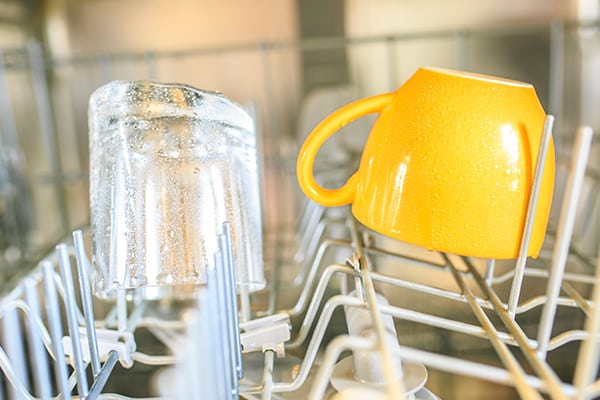
Rinse aid helps water slide off dishes quickly. This prevents minerals from settling and forming spots. It also improves drying and reduces water marks. Most dishwashers have a rinse aid dispenser—fill it regularly. Using rinse aid complements detergents and water softeners for cleaner dishes.
Credit: priorityappliance.com
Improving Dishwasher Maintenance
Residue on dishes often happens due to clogged spray arms or leftover food in the filter. Cleaning these parts regularly helps dishes come out spotless. Using the right detergent and running hot water before starting also improves cleaning results.
Improving the maintenance of your dishwasher can significantly reduce the likelihood of residue being left on your dishes. A well-maintained dishwasher not only ensures sparkling clean dishes but also extends the appliance’s lifespan. Simple maintenance tasks can make a world of difference, turning your dishwasher into a more efficient cleaning partner.
Cleaning Filters Regularly
Regularly cleaning your dishwasher’s filter is essential for optimal performance. A clogged filter can cause food particles to circulate in the wash cycle, leaving residue on your dishes. Check your filter at least once a month and clean it by rinsing it under warm water to ensure it’s free from debris.
Clearing Spray Arms
Blocked spray arms can be a hidden culprit behind residue-laden dishes. These arms are designed to spray water forcefully, but if the holes are blocked, your dishes won't get clean. Remove the spray arms and use a toothpick or a small brush to clear any blockages and ensure a strong water flow.
Running Cleaning Cycles
Running a cleaning cycle without dishes can help maintain your dishwasher's cleanliness. Use a specialized dishwasher cleaner or a cup of vinegar placed on the top rack. This practice not only removes buildup but also keeps your machine smelling fresh, ensuring every wash cycle performs at its best. Do you ever wonder how often you should run these maintenance tasks to maximize your dishwasher's efficiency? Regular attention to these areas can transform your dishwashing experience.
Optimizing Dishwasher Loading
Optimizing dishwasher loading plays a big role in keeping dishes clean. Poor loading blocks water flow and detergent. It causes residue to stick on plates, glasses, and utensils. Small changes in how you place items help improve cleaning results. Follow these tips to load your dishwasher efficiently and avoid residue buildup.
Proper Dish Placement
Place dishes so water can reach all surfaces. Face the dirty side toward the spray arms. Tilt bowls and cups slightly downward to drain well. Avoid stacking plates too close together. Keep large pots and pans on the bottom rack. Smaller items go on the top rack for better washing.
Avoiding Overloading
Do not fill the dishwasher beyond its capacity. Overloading blocks water and detergent from reaching dishes. Leave space between items for water jets to move freely. Overcrowded racks cause poor cleaning and leave residue. Spread dishes evenly to allow thorough rinsing.
Separating Different Types Of Dishes
Separate plastic, glass, and metal items in different sections. This prevents scratching and allows proper cleaning. Keep utensils in the cutlery basket with handles down. Mix different types of utensils to avoid nesting. Avoid placing lightweight plastic near the heating element.
When To Call A Professional
Sometimes, dishwasher residue problems do not go away with simple fixes. This signals the need for expert help. Calling a professional ensures the issue is diagnosed accurately and repaired safely. Professionals have the right tools and knowledge to handle complex dishwasher problems.
Persistent Residue Issues
Residue remains on dishes despite thorough cleaning attempts. Regular cleaning and detergent changes fail to solve the problem. This persistence suggests deeper issues inside the dishwasher. Professionals can inspect hidden parts that are hard to access. They can identify blockages or buildup causing residue. Early professional intervention prevents damage to the dishwasher and dishes.
Mechanical Or Electrical Problems
Mechanical faults can affect water spray and drainage. Broken spray arms or clogged filters reduce cleaning efficiency. Electrical problems may stop the dishwasher from heating water properly. Poor heating leads to soap residue on dishes. Professionals test and fix pumps, motors, and heating elements. These repairs require skill and special equipment. Ignoring these problems risks costly damage and poor dishwashing results.

Credit: www.reddit.com
Frequently Asked Questions
Why Does My Dishwasher Leave White Residue On Dishes?
White residue is often caused by hard water minerals. These minerals don’t dissolve fully during the wash. Using a rinse aid or water softener can reduce this residue effectively.
How Can I Prevent Soap Residue In My Dishwasher?
Soap residue happens when too much detergent is used or if the dishwasher is overloaded. Use the right detergent amount and avoid overcrowding to ensure proper rinsing.
Can Dishwasher Filter Clogs Cause Dish Residue?
Yes, a clogged filter traps food particles, causing residue on dishes. Regularly clean the filter to maintain dishwasher efficiency and spotless dishes.
Does Water Temperature Affect Dishwasher Residue?
Cold water can prevent detergent from dissolving properly, leaving residue. Ensure your dishwasher uses hot water around 120°F for best cleaning results.
Conclusion
Residue on dishes can be frustrating and messy. Cleaning the filter and using the right detergent helps a lot. Check water temperature and avoid overloading the dishwasher. Regular maintenance keeps your dishwasher working well. Small changes make a big difference in clean dishes.
Keep an eye on your dishwasher’s condition and clean it often. Clear dishes mean happier meals and less stress. Simple steps lead to better washing results every time.


