As an Amazon Associate I earn from qualifying purchases.
Is your coffee maker leaving you with less coffee than you expected? You’re not alone.
It’s frustrating to start your day eager for a full pot, only to find it half-empty. Understanding why your coffee maker isn’t making a full pot can save you time, money, and disappointment. You’ll discover simple reasons behind this common problem and easy fixes you can try right now.
Keep reading to make sure your next cup is just as satisfying as you deserve.

Common Causes
When your coffee maker fails to brew a full pot, it can be frustrating and disappointing. Several common issues could be causing this problem, often related to the machine’s internal parts or how you use it. Understanding these causes helps you troubleshoot quickly and get back to enjoying your perfect cup.
Water Supply Issues
Check if your coffee maker’s water reservoir is filled properly. Sometimes, the water level is too low, causing the machine to stop brewing early. Also, ensure the water reservoir is seated correctly—if it’s not aligned, water may not flow into the machine as it should.
Have you noticed inconsistent water pressure or slow dripping? This might indicate a kinked or blocked water line inside the machine, which you can usually fix by cleaning or straightening the tube.
Clogged Filters
Filters trap coffee grounds and prevent debris from entering your cup. Over time, these filters can become clogged with oils and residue, reducing water flow. A clogged filter often leads to an incomplete pot of coffee.
Regularly cleaning or replacing your coffee maker’s filter can solve this. If you’re using a reusable filter, soak it in warm, soapy water and scrub gently. Paper filters should be replaced with each use to avoid buildup.
Malfunctioning Pump
The pump pushes water through the coffee grounds and into the pot. If it’s weak or broken, your coffee maker won’t fill the pot completely. Signs of a bad pump include strange noises or the machine stopping mid-cycle.
Consider testing your pump by listening closely or observing if water moves through the machine at all. If the pump is faulty, you may need professional repair or a replacement machine. If repair is impractical, compare service costs with a Cuisinart DCC-3200P1 coffee maker or another brewer that fits your counter and carafe needs.
Incorrect Coffee Grounds
Using the wrong grind size can affect how water passes through your coffee. Too fine a grind can clog the filter, slowing down the brew and causing the pot to fill partially. Too coarse, and the water may flow too quickly, resulting in weak coffee and less volume.
Experiment with different grind sizes to see what works best for your coffee maker. Pay attention to how the coffee smells and tastes, and adjust accordingly. Have you tried switching to a medium grind to balance flow and flavor?

Quick Fixes
If your coffee maker isn’t brewing a full pot, don’t rush to replace it just yet. Some simple tweaks can get your machine back to pouring that perfect cup every time. Let’s look at quick fixes you can try today to solve this common problem.
Check Water Reservoir
Start by inspecting the water reservoir. Is it filled to the right level? Sometimes, the water line might be below the minimum requirement, causing the machine to stop early.
Also, check if the reservoir is properly seated in place. A loose or misaligned tank can interrupt water flow, resulting in a partial brew. Have you noticed any cracks or leaks that could be draining water before brewing finishes?
Clean The Filters
Dirty filters can clog your coffee maker and slow down the brewing process. Take out both the permanent and paper filters and clean them thoroughly. Residue buildup can block water, so a quick rinse or replacement might be all you need.
Think about the last time you changed your paper filters. Could old filters be holding back the flow? Keeping filters clean ensures water passes through evenly, filling your pot completely.
Descale The Machine
Mineral deposits from hard water can accumulate inside your coffee maker and restrict water flow. Descaling with a vinegar solution or a commercial cleaner can dissolve these deposits and restore full function.
Try this simple test: if your coffee tastes bitter or the machine is brewing slowly, scaling might be the culprit. How long has it been since you last descaled your coffee maker? Regular maintenance here can save you from partial pots.
Adjust Coffee Grounds
Using too many coffee grounds can block water from flowing through the filter properly. If your pot isn’t filling up, try reducing the amount of coffee you add next time.
On the other hand, very coarse grounds might cause water to pass too quickly, affecting the brew strength but not the pot size. Experiment with grind size and quantity to find the right balance. Have you noticed any changes in grind affecting your brew volume?
Preventive Measures
Taking steps to prevent problems keeps your coffee maker working well. Small habits can stop it from making less coffee. These simple actions protect your machine and improve coffee quality. Follow these tips to avoid common issues.
Regular Maintenance
Clean your coffee maker often. Remove old coffee grounds and rinse parts with warm water. Use a vinegar solution once a month to clear mineral buildup. A dedicated coffee maker descaler is another option when its label and the brewer’s manual allow it. This prevents clogging and keeps water flowing smoothly. Check the filter and basket for any dirt. Dry all parts before using again.
Using Proper Water Type
Use fresh, clean water for every brew. Avoid hard water that contains many minerals. Hard water creates buildup inside the machine. Consider filtered or bottled water to protect your coffee maker. This helps maintain good taste and extends machine life.
Avoiding Overfilling
Do not fill the water reservoir past its limit. Overfilling can cause leaks or incomplete brewing. Follow the machine’s maximum water level mark. Use the right amount of coffee grounds too. This balance ensures a full pot and strong flavor.
Timely Replacement Of Parts
Replace worn-out parts like filters and gaskets regularly. Old filters reduce water flow and coffee taste. Check your coffee maker’s manual for part lifespan. Changing parts on time avoids damage and keeps your coffee fresh. Keep spare parts handy for quick fixes.
When To Call A Technician
A coffee maker not brewing a full pot might have a clogged filter or faulty water pump. Calling a technician is wise if cleaning doesn’t fix the issue or if strange noises occur. Expert help ensures safe and proper repair.
When your coffee maker stops brewing a full pot, it might signal deeper issues. Sometimes, the usual troubleshooting steps won’t solve the problem. In such cases, calling a technician is wise. They have the expertise to handle complex repairs. Let’s explore when professional help becomes necessary.
Persistent Pump Issues
If the pump makes noise but no water flows, it's a concern. A clogged or broken pump needs expert attention. Attempting to fix it yourself could lead to more damage. Technicians can safely disassemble and clean or replace the pump. They ensure the coffee maker works efficiently again.
Electrical Problems
Faulty wiring is a serious issue. It can cause the coffee maker to malfunction or stop working. Signs include flickering lights or an unresponsive machine. Electrical issues pose safety risks. A qualified technician can diagnose and repair electrical faults. They ensure your coffee maker operates safely.
Complex Internal Malfunctions
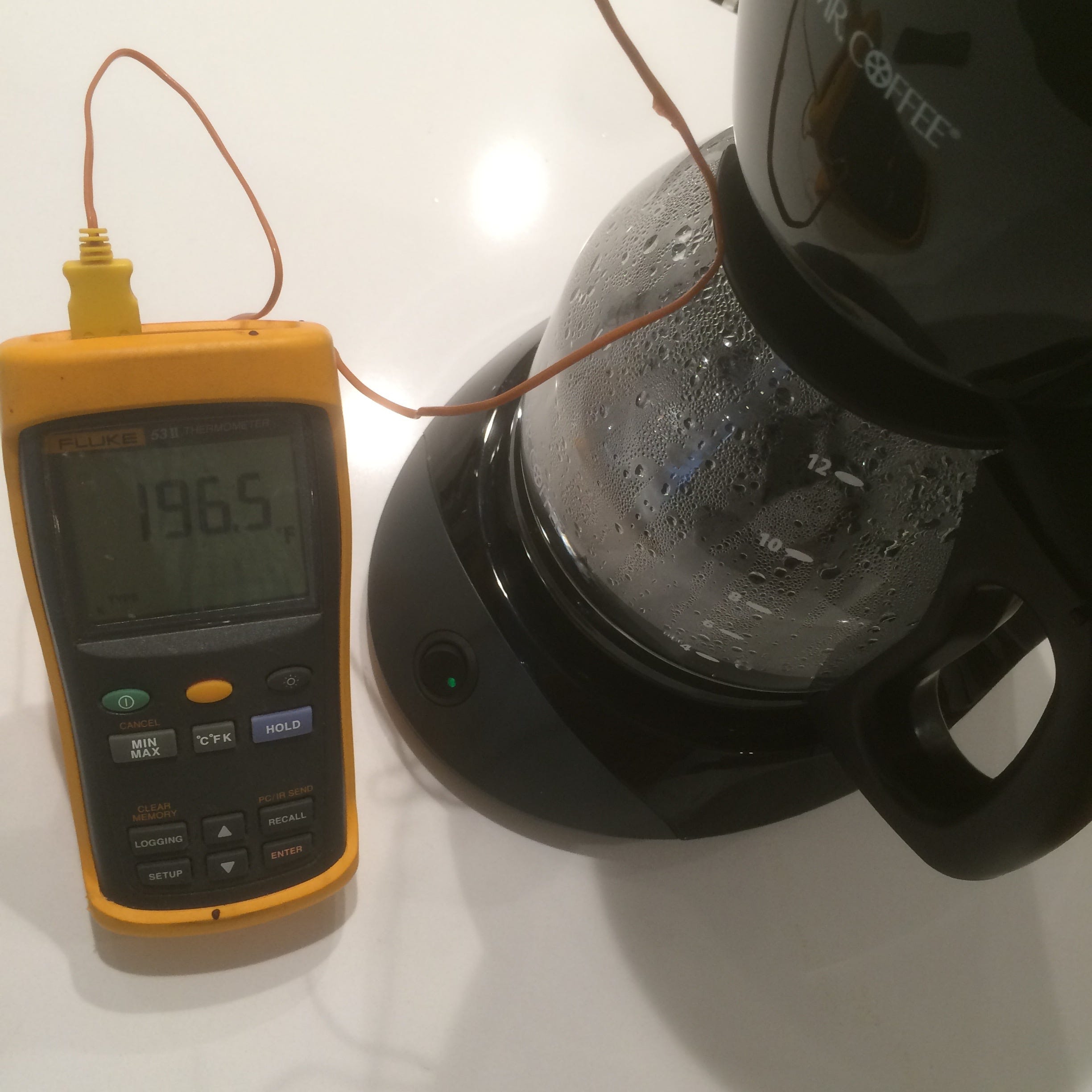
Some issues are hidden deep inside the machine. These might involve the thermostat or heating element. Such components are crucial for brewing coffee at the right temperature. Diagnosing and fixing these parts requires technical skills. Technicians have the tools and experience to handle internal malfunctions. They can restore your coffee maker to its full capacity.
Frequently Asked Questions
Why Does My Coffee Maker Stop Brewing Early?
Your coffee maker may stop early due to a clogged filter or water line. Check and clean these parts regularly to ensure smooth brewing.
Can A Faulty Water Reservoir Cause Incomplete Brewing?
Yes, a cracked or improperly seated water reservoir can disrupt water flow. Ensure it is properly attached and free from leaks for full pot brewing.
How Does A Dirty Coffee Maker Affect Pot Size?
Mineral buildup or coffee grounds can block water pathways. Regular descaling and cleaning help maintain consistent water flow and full pot capacity.
Could Using Incorrect Coffee Grounds Impact Pot Filling?
Using very fine or oily coffee grounds can clog filters, reducing water flow. Use medium grind and fresh beans for optimal brewing volume.
Conclusion
A coffee maker not filling the pot fully can be frustrating. Check the water level and the filter for blockages. Clean the machine regularly to avoid clogs. Make sure you use the right grind size for your coffee. Small issues can stop your machine from working well.
Fix these problems, and your coffee will brew properly again. Enjoy every cup without wasting a drop. Keep your coffee routine simple and smooth.