Have you ever opened your freezer only to find everything inside covered in a thick layer of frost? It’s frustrating, messy, and can even spoil your food.
You might wonder why this keeps happening and what you can do to stop it. Understanding why frost builds up in your freezer can save you time, money, and hassle. Keep reading, and you’ll discover simple reasons behind this common problem—and easy steps you can take to fix it for good.
Credit: dengarden.com
What Causes Frost Buildup
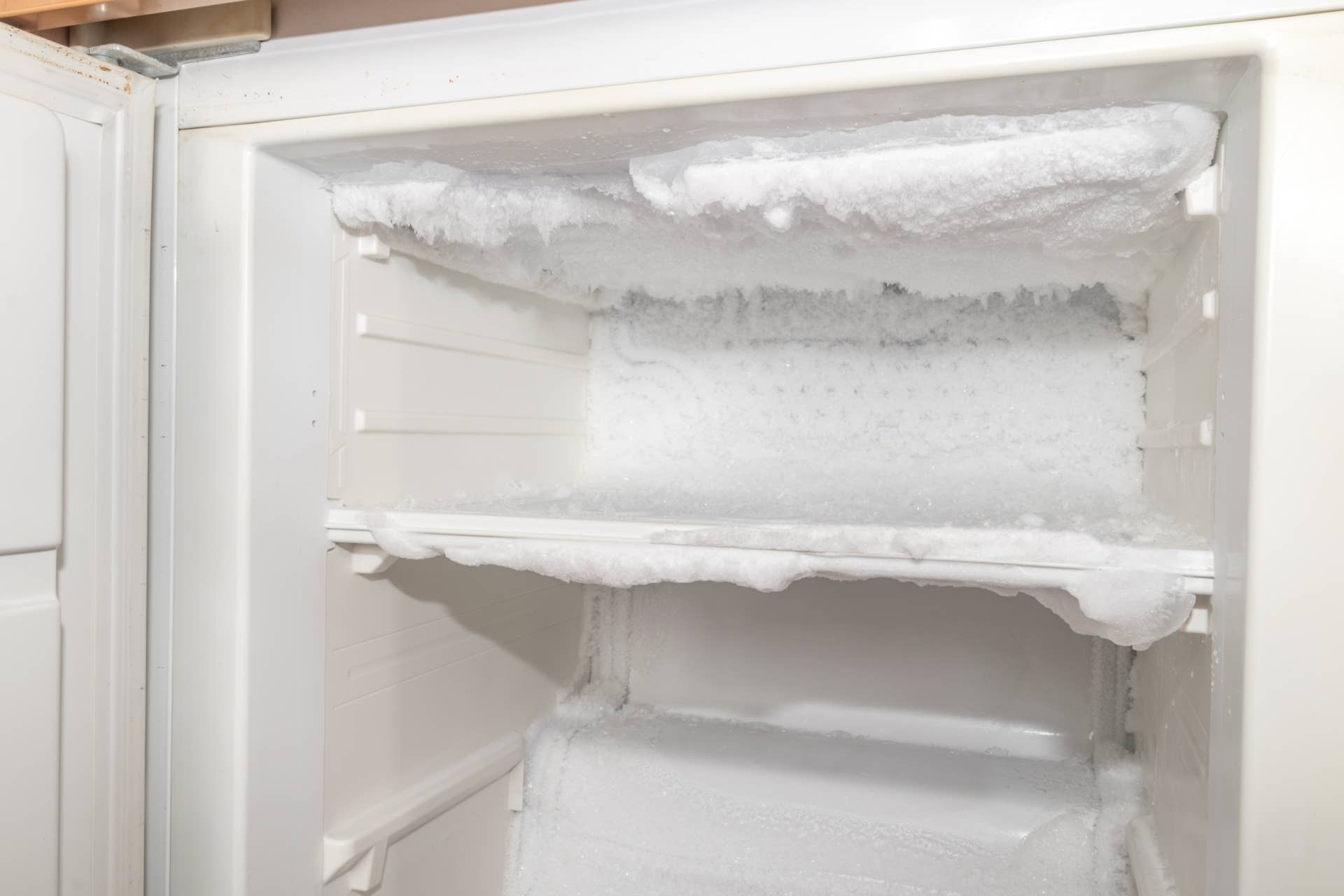
Frost buildup in freezers happens when water vapor turns into ice inside the unit. This ice forms on walls, shelves, and frozen food. Understanding what causes frost can help prevent it. Several common factors lead to frost accumulation in your freezer.
Moisture And Air Exposure
Moisture in the air enters the freezer each time the door opens. This water vapor freezes quickly when it touches cold surfaces. Even small amounts of moisture can cause frost over time.
Frequent Door Opening
Opening the freezer door often lets warm air inside. This warm air contains moisture. When the air cools down, frost forms on cold surfaces. Frequent opening raises frost buildup risk.
Faulty Door Seals
Damaged or worn door seals let air leak into the freezer. This air brings moisture that freezes inside. A poor seal causes more frost and wastes energy.
Temperature Fluctuations
Inconsistent temperatures inside the freezer cause frost to form. When the freezer warms up, ice melts slightly. Then it refreezes when the temperature drops again, creating frost layers.
Defrost System Malfunction
The defrost system removes frost regularly. If this system fails, frost builds up quickly. A broken defrost heater or timer leads to thick frost layers inside the freezer.

Credit: en.brilio.net
Effects Of Excessive Frost
Excessive frost in your freezer creates many problems beyond just looks. It affects how well the freezer works and the quality of your food. Understanding these effects helps you keep your freezer clean and efficient.
Reduced Freezer Efficiency
Frost builds up on freezer walls and coils. This layer blocks cold air from circulating properly. The freezer struggles to maintain the right temperature. As a result, your food may not stay frozen evenly.
Increased Energy Consumption
The freezer uses more power to fight the frost layer. It runs longer and works harder to stay cold. This leads to higher electricity bills. Frost causes your freezer to waste energy unnecessarily.
Food Quality Impact
Frost can cause freezer burn on your food. It dries out the surface and changes taste. Texture and color may also suffer. Your frozen items lose freshness and can spoil faster.
Storage Space Reduction
Frost takes up room inside the freezer. Thick ice layers reduce available storage space. You have less room for groceries or leftovers. It becomes harder to organize and find items.
Simple Ways To Prevent Frost
Frost buildup in your freezer can be annoying and reduce its efficiency. Preventing frost is simple with a few smart habits. These tips help keep your freezer frost-free and working well. They also save energy and protect your food quality.
Keep Door Closed
Open the freezer door only when needed. Closing it quickly stops warm air from entering. Warm air causes moisture to freeze inside, creating frost. Avoid leaving the door open while searching for items. Check that the door is fully shut each time.
Check And Replace Door Seals
Door seals keep cold air inside and warm air out. Inspect seals for cracks or gaps regularly. Damaged seals let moist air enter, causing frost buildup. Clean seals gently with warm water and a cloth. Replace seals if they no longer fit tightly.
Store Food Properly
Cover food tightly before freezing. Use airtight containers or freezer bags to stop moisture release. Avoid overfilling the freezer to allow good air circulation. Group similar items together to reduce door openings. Proper storage limits frost formation and keeps food fresh.
Maintain Consistent Temperature
Set the freezer temperature to the manufacturer’s recommendation. Usually, it should be around 0°F (-18°C). Avoid frequent temperature changes to prevent frost. Use a freezer thermometer to monitor the temperature regularly. Consistent cold helps stop frost from building up.

Credit: www.reddit.com
How To Remove Existing Frost
Removing existing frost from your freezer can feel like a chore, but it’s essential for keeping your appliance efficient and your food fresh. Frost buildup not only reduces space but also forces your freezer to work harder, increasing energy use. Let’s look at clear, safe ways to get rid of that stubborn frost and keep your freezer running smoothly.
Manual Defrosting Steps
Start by unplugging your freezer to ensure safety. Remove all food items and place them in a cooler or another freezer to keep them cold. Leave the freezer door open and let the frost melt naturally; this might take several hours depending on the thickness of the ice.
To speed up the process, place a bowl of hot water inside and close the door. The steam helps loosen the frost, making it easier to wipe away. Patience is key here—avoid rushing to prevent damage to your freezer’s interior.
Using A Hairdryer Safely
A hairdryer can quickly melt frost, but it requires caution. Keep the dryer at least six inches away from the freezer walls to avoid heat damage. Make sure the freezer is unplugged and never let water come into contact with the hairdryer to prevent electrical hazards.
Move the hairdryer in slow, sweeping motions to evenly warm the frost. Stop frequently to wipe away melted water, preventing it from pooling and causing slips or damage. This method can cut down defrosting time significantly if done carefully.
Avoiding Sharp Tools
It might be tempting to scrape frost off with knives or metal tools, but resist this urge. Sharp tools can easily puncture the freezer walls or damage the cooling coils behind the panels. Such damage often leads to costly repairs or even replacement of the appliance.
Instead, use plastic or wooden spatulas designed for defrosting. These tools are gentle and effective at loosening ice without harming your freezer. Protecting your appliance should always come before speed.
Cleaning And Drying After Defrost
Once the frost is gone, clean the freezer interior with a mixture of warm water and baking soda. This helps eliminate odors and removes any leftover moisture. Use a soft cloth or sponge to avoid scratching surfaces.
Thoroughly dry every corner with a clean towel before plugging the freezer back in. Moisture left inside can cause new frost to form quickly. Have you noticed how a dry freezer stays frost-free longer? That’s the difference proper drying makes.
When To Call A Professional
Persistent frost buildup inside the freezer signals a possible problem with the door seal or temperature settings. Calling a professional is wise if frost returns quickly or affects food quality. Experts can fix issues that simple defrosting cannot solve.
When your freezer seems to be hosting a never-ending frost party, it might be time to consider calling in the professionals. While minor frost build-up can often be tackled with simple DIY solutions, persistent or complex issues might require expert intervention. Knowing when to seek professional help can save you from escalating problems and potentially costly repairs.
Persistent Frost Issues
If you've tried defrosting and adjusting your freezer settings but the frost returns quickly, it may be a sign of a deeper problem. Persistent frost could indicate issues with the door seal, or it may even mean there's a more serious mechanical failure at play. Ask yourself, have you noticed the frost building up more rapidly than before? If yes, it might be time to consult a professional.
Defrost System Repairs
Modern freezers come equipped with auto-defrost systems designed to keep frost at bay. But what happens when this system malfunctions? Signs of a faulty defrost system include the freezer running continuously or ice accumulating excessively. If your freezer is showing these symptoms, a professional can diagnose and repair the issue, ensuring your appliance returns to peak efficiency.
Thermostat And Sensor Problems
The thermostat and sensors in your freezer play a crucial role in maintaining the right temperature. Faulty components can lead to temperature fluctuations, causing frost to form. Is your freezer running too cold, or are your frozen goods unexpectedly thawing? Such inconsistencies often point to thermostat or sensor issues, which typically require a professional touch to resolve. Ignoring these signs can lead to bigger headaches down the road. So, keep an eye on your freezer's behavior and don't hesitate to call in the experts when needed. Prioritizing timely repairs not only extends the life of your appliance but also maintains the quality of your frozen foods.
Frequently Asked Questions
Why Does Frost Form On Freezer Items?
Frost forms when warm, moist air enters the freezer and condenses on cold surfaces. This moisture then freezes, creating frost on your food and walls.
How Can I Prevent Frost Buildup In My Freezer?
Keep the freezer door closed tightly and avoid frequent opening. Ensure the door seal is intact and avoid placing hot food inside.
Does Frost Affect Food Quality In The Freezer?
Yes, frost can cause freezer burn, drying out food and affecting texture and flavor. Proper packaging and defrosting help maintain food quality.
Is A Faulty Freezer Door Causing Frost Buildup?
A damaged or loose freezer door seal lets warm air in, causing frost. Inspect and replace seals if you notice excessive frost formation.
Conclusion
Frost builds up in your freezer because of moisture and air leaks. Keeping the door closed tightly helps stop frost from forming. Regularly defrosting your freezer can also keep frost away. Check the seals for cracks or damage that let air in.
Avoid putting hot or wet food inside quickly. Small steps can make a big difference in frost control. A frost-free freezer saves energy and keeps food fresh longer. Simple care helps your freezer work better every day.