Have you ever wondered why the simple glass jar in your kitchen is called a Mason jar? It’s a name you hear all the time, but the story behind it might surprise you.
Understanding why this jar carries the name "Mason" can give you a new appreciation for something so common yet so useful. Stick with me, and you’ll discover the fascinating history and clever invention that made this jar a staple in homes everywhere.
By the end, you’ll see your Mason jar in a whole new light.
The Birth Of Mason Jars
The birth of the Mason jar marks a key moment in the history of food storage. This simple yet clever invention changed how people preserved food at home. Understanding its origin helps you appreciate why Mason jars are still a kitchen staple today.
John Landis Mason's Patent
John Landis Mason was an American tinsmith who invented the Mason jar in 1858. He patented a glass jar with a screw-on lid, which was a game changer. The screw threads on the jar and lid created a tight seal that kept food fresh longer.
Before Mason's design, sealing jars was tricky and often unreliable. His patent made it easier for people to store food safely without worrying about spoilage. Have you ever wondered why the jar’s lid screws on so tightly? That’s Mason’s innovation at work.
Early Uses In Food Preservation
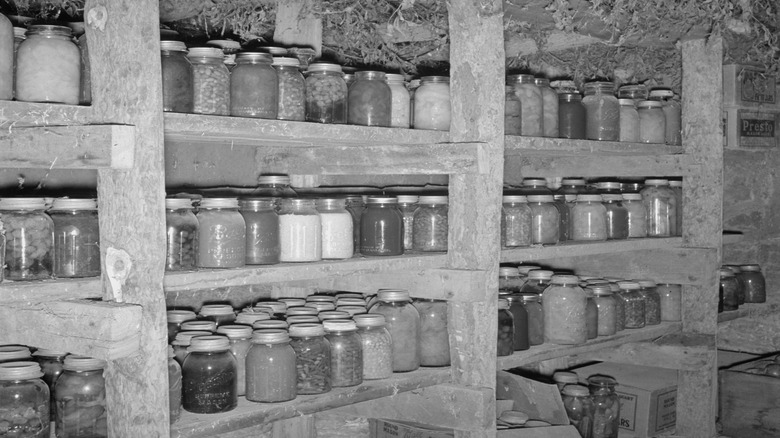
The Mason jar quickly became popular for home canning and preserving fruits, vegetables, and jams. It allowed families to store seasonal foods and enjoy them year-round. This was especially important before refrigeration was common.
Many people started using Mason jars to preserve homemade sauces and pickles. The jars’ airtight seal prevented bacteria and mold from spoiling the contents. If you’ve ever kept leftovers or homemade preserves in a Mason jar, you’re part of a long tradition.
Do you think your kitchen would be the same without Mason jars? Their birth created a simple, practical solution that still serves millions every day.
Credit: www.tastingtable.com
Design Features That Changed Canning
The design features of the Mason jar played a crucial role in changing the way people preserved food. These jars introduced practical solutions that made canning safer and more accessible for home use. Understanding these features helps you appreciate why the Mason jar became a staple in kitchens everywhere.
The Screw-on Lid Innovation
One of the biggest breakthroughs was the screw-on lid. Before this, sealing jars was tricky and often unreliable, leading to spoiled food. The screw-on lid created a tight seal that kept air and bacteria out, which meant your preserves stayed fresh longer.
This innovation made canning easier and less messy. You no longer had to worry about lids popping off or liquids leaking during storage. Have you ever struggled with lids that just won’t stay put? The Mason jar’s design solved that problem for good.
Durability And Reusability
Mason jars are made from thick, sturdy glass that can withstand heat and pressure. This durability means they can be reused many times without cracking or breaking. You get more value out of each jar, which is both cost-effective and eco-friendly.
Many people find themselves saving Mason jars for crafts or storage once the preserves are gone. This versatility adds to their appeal. Would you consider switching to reusable containers if they offered such long-term benefits?
Evolution Of The Mason Jar Over Time
The Mason jar has changed a lot since its creation. It began as a simple glass jar for preserving food. Over time, the design and production have evolved to meet new needs. These changes helped make the jar more useful and popular worldwide. Understanding its evolution shows how a small invention became a household staple.
Variations In Size And Shape
Early Mason jars were mostly the same size. They were tall and cylindrical with a wide mouth. As demand grew, many sizes appeared. Small jars for jams and large ones for pickles became common. Shapes changed too. Some jars became shorter and wider for easier stacking. Others got slimmer designs for better storage. The variety helped users find the perfect jar for their needs.
Changes In Manufacturing Techniques
At first, Mason jars were handmade with thick glass. This made them heavy and sometimes uneven. Later, machines improved the process. Glass became thinner but stronger. The lids also changed from zinc to metal with rubber seals. This improved the jar’s sealing power. Mass production lowered costs and increased availability. Today, modern methods keep the jars reliable and affordable.

Credit: www.tastingtable.com
Cultural Impact And Popularity
The Mason jar gained fame for its use in home canning and food storage. Its name honors John Landis Mason, who invented the jar’s unique screw-on lid. Today, it remains popular in kitchens and crafts worldwide.
The mason jar, originally designed for preserving food, has transformed into a cultural icon with diverse uses beyond the kitchen. Its journey from a simple storage item to a trendy lifestyle accessory is intriguing. The jar's versatility has captured imaginations worldwide, leading to its popularity in various aspects of daily life.
From Kitchen Staple To Trendy Item
Mason jars were once a humble kitchen necessity, primarily used for canning. Fast forward to today, and they're seen gracing café tables, filled with colorful smoothies and salads. Their sturdy design and vintage appeal make them a favorite for both practical use and stylish presentation. I remember the first time I used a mason jar at a party. It was filled with a refreshing lemonade, and it immediately added a rustic charm to the gathering. This experience illustrates how mason jars have become more than mere containers; they are now a statement of style and simplicity.
Mason Jars In Craft And Decor
Craft enthusiasts and decorators have embraced mason jars for their endless creative possibilities. Whether it's a candle holder, a vase, or a simple storage solution, these jars offer a blank canvas for creativity. They've sparked a DIY revolution, allowing people to personalize their spaces affordably. Have you ever tried making a mason jar lantern? With just a few tweaks, they can illuminate a room with a cozy, inviting glow. This adaptability is why mason jars continue to captivate and inspire, proving that even the simplest items can have a profound cultural impact. The next time you see a mason jar, consider how you might use it in your own life. Its enduring popularity and cultural significance remind us that sometimes, the simplest tools can become the most cherished.
Common Misconceptions About Mason Jars
Mason jars are everywhere—from kitchens to craft fairs—but many people hold onto incorrect ideas about their name and origin. These jars carry stories that often get twisted over time, leading to myths that can confuse even the most curious minds. Understanding the real background helps you appreciate why these jars are so popular today.
Origin Myths Debunked
One common myth is that Mason jars were named after a place or a company rather than a person. Some believe the name refers to a town called Mason or a brand that first made these jars. However, the truth is simpler and more personal.
The jars are named after John Landis Mason, who patented the design in 1858. His invention included a screw-threaded lid, which was a game-changer for home canning. Without his innovation, the airtight seal we rely on today might not exist.
Another misconception is that Mason jars were always used for food storage. While canning is their primary use, Mason jars have also been popular for crafts, drinking glasses, and even light fixtures. Have you ever used a Mason jar in a surprising way?
Clarifying The Name
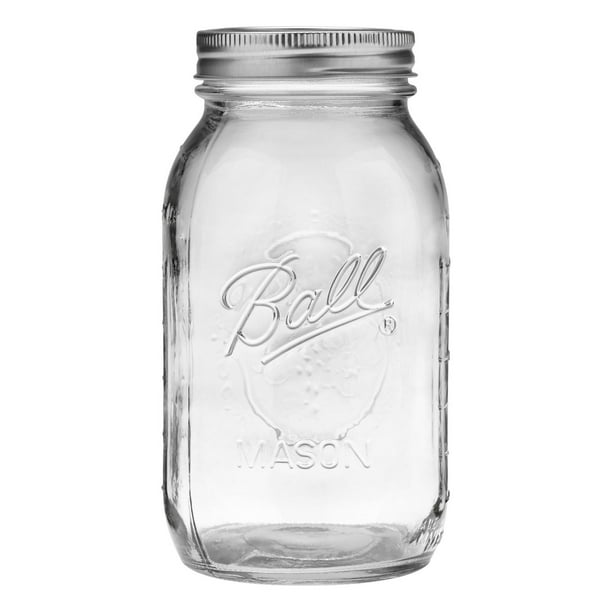
People often assume “Mason” is a generic term for any glass jar. It’s easy to mix it up with other types of jars or containers. But “Mason jar” specifically refers to jars following John Mason’s original design with the screw-top lid and rubber seal.
The name stuck because Mason’s patent was widely adopted and improved upon. Even today, companies that make similar jars use the term “Mason jar” to describe that classic style. It’s a brand name that became a household term, much like “Kleenex” for tissues.
Next time you pick up a Mason jar, think about the clever invention behind it. Isn’t it interesting how one person’s idea can shape the way millions of people store food and create art?
Credit: www.walmart.ca
Frequently Asked Questions
Why Is It Called A Mason Jar?
The Mason Jar is named after John Landis Mason. He invented the jar in 1858. His design included a screw-on lid, making it unique and popular for preserving food.
Who Invented The Mason Jar?
John Landis Mason invented the Mason Jar. He patented the design in 1858. His jar featured a screw-threaded neck and a reusable lid for airtight sealing.
What Makes A Mason Jar Different?
A Mason Jar features a screw-on lid and threaded neck. This design creates an airtight seal. It helps in preserving food for longer periods safely.
How Did Mason Jars Impact Food Storage?
Mason Jars revolutionized food preservation by providing airtight sealing. They helped prevent spoilage and extended shelf life. This innovation made home canning easier and safer.
Conclusion
The Mason jar got its name from John Landis Mason. He invented the jar in 1858 with a special screw-on lid. This design helped keep food fresh longer. Today, Mason jars are popular for storage and crafts. They remind us of simple, useful inventions.
Knowing their history makes them more interesting. The next time you see a Mason jar, you’ll know why it’s called that. Small details can tell big stories. Mason jars hold more than food; they hold history too.