Is your refrigerator beeping nonstop, driving you a little crazy? You’re not alone.
That constant noise can be confusing and even stressful, especially when you don’t know why it’s happening or how to stop it. But don’t worry—this beeping is your fridge’s way of telling you something important. You’ll discover the common reasons behind those annoying sounds and simple steps you can take to fix the problem quickly.
Keep reading, and you’ll soon have peace and quiet back in your kitchen.
Common Reasons For Beeping
Refrigerators beep to alert users about potential problems. These sounds help protect your food and keep the appliance working well. Understanding common reasons for beeping helps you respond quickly. It reduces food waste and avoids costly repairs.
Door Ajar Alerts
The most frequent cause of beeping is a door left open. Sensors detect if the door is not fully closed. Beeping starts to remind you to shut it properly. A partially open door lets cold air escape, raising the temperature inside.
Check the door seal for dirt or damage. Clean it regularly to ensure a tight close. Avoid placing items that block the door from closing fully.
Temperature Fluctuations
Refrigerators beep if the internal temperature rises or falls suddenly. This can happen if the fridge is overfilled. Air cannot circulate well, causing uneven cooling. Warm food placed inside can also trigger an alert.
Monitor the temperature settings and adjust if needed. Keep the fridge organized and avoid overloading shelves. Use a thermometer to check if the fridge stays at the right temperature.
Power Interruptions
A power outage or voltage drop can cause the fridge to beep. Some models sound an alarm after losing power. This alert warns that the fridge stopped cooling for a while. Food safety may be at risk if the power is off too long.
Wait for power to return and listen if the beeping stops. Reset the refrigerator if necessary by unplugging it for a few minutes.
Ice Maker Issues
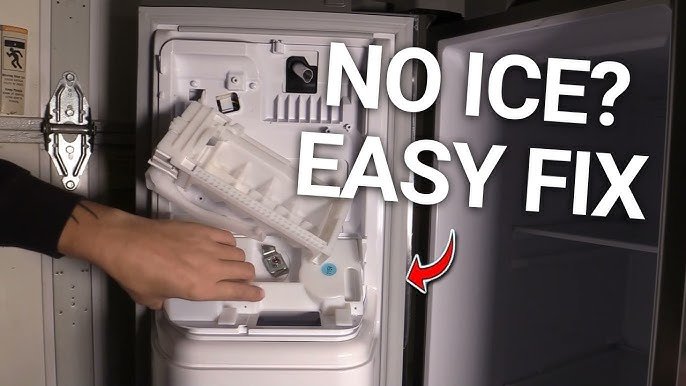
Ice makers often cause beeping sounds. A jammed ice tray or full ice bin triggers alerts. Sensors detect if ice is not dispensing properly. Beeping helps avoid damage to the ice maker motor.
Check for stuck ice cubes or a full bin. Remove excess ice and clean the ice maker regularly. Follow the manufacturer's instructions to fix jams safely.
Checking The Door Seal
The door seal plays a key role in keeping your refrigerator cold and quiet. A faulty seal lets warm air in, causing the fridge to beep. Checking the door seal helps find if it is the cause of the problem.
Inspecting For Damage
Look closely at the rubber gasket around the fridge door. Check for cracks, tears, or areas that feel soft. Any damage stops the seal from closing tightly. A damaged seal lets air leak and triggers the alarm.
Cleaning The Gasket
Dirt and food buildup can stop the seal from working well. Clean the gasket with warm water and mild soap. Use a soft cloth or sponge. Avoid harsh chemicals that can damage the rubber. Clean seals close better and keep cold air in.
Ensuring Proper Closure
Make sure the fridge door closes fully and stays shut. Check if shelves or items block the door. Sometimes the fridge beeps because the door is slightly open. Push the door gently to confirm it locks in place.
Adjusting Temperature Settings
Adjusting the temperature settings in your refrigerator can stop the annoying beeping sound. The beeping often means the fridge is too warm or too cold. Setting the right temperature helps the fridge work properly and keeps food fresh longer.
Recommended Temperature Ranges
Set the refrigerator temperature between 37°F and 40°F (3°C to 4°C). The freezer should be at 0°F (-18°C). These ranges keep food safe and prevent the fridge from working too hard. Temperatures outside this range can trigger alarms.
Using The Control Panel
Most refrigerators have a control panel to adjust temperature settings. Use the buttons or touchscreen to increase or decrease the temperature. Wait a few hours after changing settings to let the fridge adjust. If the beeping continues, check the panel for error codes or alerts.
When To Call A Technician
If the fridge keeps beeping after adjusting settings, it might have a problem. Faulty sensors or wiring can cause constant alarms. Strange noises or temperature changes are signs to get help. Contact a technician to inspect and fix the issue before it worsens.

Credit: www.alphaapplianceservices.ca
Resetting The Refrigerator
Resetting the refrigerator can often stop the persistent beeping noise. This process helps clear minor errors or glitches in the system. It refreshes the appliance’s settings, allowing it to operate smoothly again.
Resetting is simple and does not require special tools. It can fix issues caused by power surges or sensor mistakes. Follow these basic steps to reset your fridge effectively.
Power Cycling Steps
- Unplug the refrigerator from the power outlet.
- Wait for about 5 to 10 minutes to let it fully power down.
- Plug the refrigerator back into the power source.
- Check if the beeping has stopped and if the display returns to normal.
This quick power cycle clears temporary faults in the system. It often resolves false alarms causing the beeping sound.
Factory Reset Options
- Locate the control panel on the fridge door or inside.
- Press and hold the reset button or the combination of buttons specified by the manufacturer.
- Hold the buttons for about 5 to 10 seconds until the display resets.
- Release the buttons and wait for the fridge to restart.
This option restores factory settings and clears all custom adjustments. It is useful if power cycling does not stop the beeping.
Dealing With Ice Maker Alarms
A refrigerator beeping often signals an ice maker alarm. This sound warns of issues like a stuck ice tray or low water supply. Checking these parts usually stops the noise quickly.
Dealing with Ice Maker Alarms When your refrigerator beeps, the ice maker might be the cause. Ice maker alarms can be tricky, but understanding them helps. These alarms often occur due to common issues. Addressing them keeps your refrigerator running smoothly.
Checking Water Supply
Ensure the water supply line is properly connected. Sometimes, a loose connection disrupts the water flow. Confirm the valve is open and water flows freely. If there's a filter, check for clogs or blockages. A clogged filter hampers water supply, causing alarms. Replace the filter if necessary.
Clearing Ice Jams
Ice jams often trigger the beeping alarm. Open the ice maker and check for stuck ice. Use a soft tool to gently remove jammed ice. Avoid using sharp objects to prevent damage. Regularly clear ice to prevent future jams. This simple step keeps your ice maker functioning well.

Credit: www.reddit.com
Preventive Maintenance Tips
Preventive maintenance can save you from the constant annoyance of your refrigerator beeping. Small, regular actions can keep your fridge running smoothly and help you avoid costly repairs. Paying attention to key areas ensures that your appliance stays in top shape and doesn’t send unnecessary alerts.
Regular Cleaning
Cleaning your refrigerator inside and out is more than just hygiene—it directly affects performance. Dust and debris on coils reduce cooling efficiency, making your fridge work harder and trigger alarms.
Make a habit of vacuuming the coils every three months. Wipe down door seals and shelves to prevent mold and grime buildup, which can also cause beeping due to improper sealing or temperature issues.
Checking Door Alignment
Have you ever noticed your fridge beeping right after closing the door? Misaligned doors can cause gaps that let cold air escape.
Check the door alignment regularly by closing the door on a piece of paper. If it slips out easily, your door isn’t sealing properly. Adjust the hinges or replace seals to fix the problem before the fridge starts beeping to alert you.
Monitoring Temperature
Temperature settings that are too high or too low can trigger beeping and spoil your food. Are you sure your fridge is set to the ideal temperature?
Use a separate thermometer to monitor the internal temperature and keep it between 37°F and 40°F (3°C to 4°C) for the fridge, and 0°F (-18°C) for the freezer. Adjust settings as needed to avoid alarms and keep your food fresh longer.

Credit: www.reddit.com
Frequently Asked Questions
Why Does My Refrigerator Beep Constantly?
Your refrigerator beeps constantly to alert you about issues. Common causes include a door left open, temperature problems, or a power outage. The beeping helps prevent food spoilage and energy waste by notifying you immediately.
How Do I Stop My Refrigerator From Beeping?
To stop the beeping, first check if the door is fully closed. Adjust the temperature settings if they are too high. Reset the fridge by unplugging it for a few minutes. If beeping continues, consult the user manual or a technician.
Can A Faulty Door Sensor Cause Beeping?
Yes, a faulty door sensor can cause constant beeping. The sensor detects if the door is open or closed. If it malfunctions, the fridge may beep even when the door is shut properly. Replacing the sensor often resolves this issue.
Does Temperature Fluctuation Trigger Refrigerator Beeping?
Temperature fluctuations can trigger the beeping alarm. If the fridge or freezer is too warm or too cold, the alarm activates. This protects your food by alerting you to adjust the settings or check for cooling problems.
Conclusion
A beeping refrigerator signals something needs your attention. It could be a door left open, a temperature issue, or a power problem. Checking these simple things often stops the noise quickly. Regular cleaning and maintenance help prevent beeping too. Stay calm and follow easy steps to fix it.
This keeps your food fresh and your kitchen quiet. Don’t ignore the sounds; they protect your fridge. Small actions save you time and money later. Keep your fridge running smoothly with simple care.