Have you ever noticed a strange smell like lighter fluid coming from your gas stove? It can be unsettling and even worrying.
You might wonder if it’s safe to keep using your stove or if something is seriously wrong. Understanding why your gas stove smells this way is important for your safety and peace of mind. You’ll discover the common reasons behind this smell and what you can do to fix it quickly.
Keep reading to protect your home and family from potential hazards.

Credit: appliancesandmore.ca
Common Causes Of Gas Stove Odors
Gas stove odors can be worrying and sometimes even dangerous. These smells often signal underlying problems. Understanding common causes helps keep your kitchen safe and fresh. Here are frequent reasons your gas stove might smell like lighter fluid.
Gas Leaks
A gas leak can cause a strong, unpleasant odor around your stove. The smell resembles lighter fluid or rotten eggs. This odor is added to natural gas for safety. Leaks may happen if connections are loose or damaged. A gas leak requires immediate attention to prevent hazards.
Incomplete Combustion
When gas does not burn fully, it creates strange smells. Incomplete combustion produces carbon monoxide and unburned gas. This can smell similar to lighter fluid. Poor air supply or dirty burners often cause this issue. Proper combustion is essential for safe stove operation.
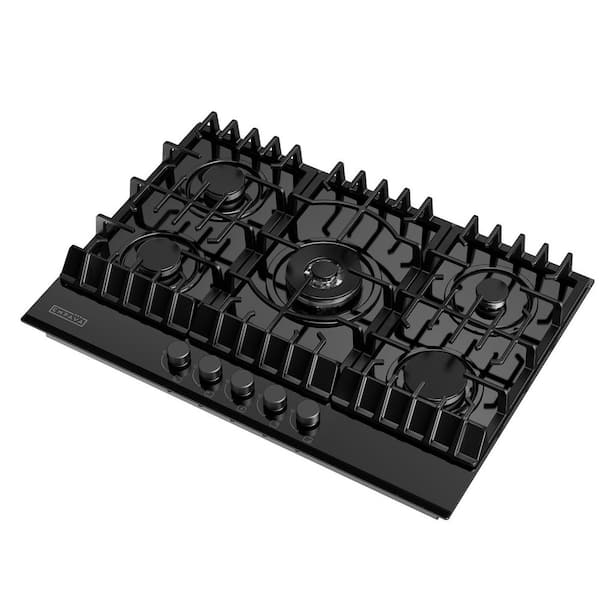
Dirty Burners
Burners clogged with food or grease affect gas flow. This blockage leads to uneven burning and unusual odors. Dirty burners might emit a smell like lighter fluid or chemicals. Regular cleaning keeps burners working correctly and smelling fresh.
Faulty Ignition System
A broken ignition system can cause gas to build up before lighting. This gas buildup produces a strong, lighter fluid-like smell. Ignition problems may come from worn-out parts or wiring issues. Fixing the ignition ensures gas lights quickly and safely.
Credit: www.homedepot.com
Health And Safety Risks
Noticing a smell like lighter fluid coming from your gas stove is more than just unpleasant—it signals potential health and safety risks. Ignoring this warning can lead to dangerous situations in your home. Understanding these risks helps you act quickly and protect yourself and your loved ones.
Fire Hazards
A gas stove that smells like lighter fluid may have a gas leak or improper combustion. This increases the chance of a fire starting unexpectedly. Have you ever wondered how a small spark could turn your kitchen into a hazard zone?
Always check for loose connections or damaged parts. If the smell lingers, turn off the stove immediately and ventilate the area. Calling a professional to inspect your stove is the safest step you can take.
Toxic Fumes
The lighter fluid scent can come from incomplete burning of gas, releasing harmful fumes. Breathing these fumes can cause headaches, dizziness, and irritation of your eyes and throat. Do you feel uneasy when you cook and notice this odd smell?
Improving ventilation while cooking can reduce exposure. Using your stove with the right flame size and ensuring burners are clean helps prevent buildup of toxic gases. Your health depends on clean air in your kitchen.
Carbon Monoxide Exposure
Carbon monoxide (CO) is a silent danger that can be produced if your stove doesn't burn gas properly. This odorless, colorless gas can cause nausea, confusion, and in severe cases, can be fatal. Are you aware that CO poisoning symptoms often mimic the flu?
Installing a carbon monoxide detector near your kitchen can alert you early. Regular maintenance of your gas stove ensures it operates safely without producing dangerous CO levels. Protecting your home means staying informed and prepared.
How To Identify Gas Smell Sources
Noticing a smell like lighter fluid around your gas stove can be unsettling. Before jumping to conclusions, it’s crucial to pinpoint exactly where that odor is coming from. Identifying the source will help you take the right steps to keep your kitchen safe and odor-free.
Checking For Gas Leaks
The first place to check is for gas leaks. Even a small leak can cause a strong, unusual smell similar to lighter fluid. You can use a simple soap and water solution—apply it to gas connections and look for bubbles, which indicate escaping gas.
If you detect any bubbles, turn off the gas immediately and ventilate the area. Don’t ignore this; gas leaks can be dangerous. Have a professional inspect and repair the leak before using your stove again.
Inspecting Burner Flames
Your burner flames can tell you a lot about what’s happening with your stove. Healthy flames are usually blue and steady. If you see yellow or orange flickering flames, it could mean incomplete combustion, which sometimes produces odors similar to lighter fluid.
Dirty or clogged burners can cause these flame issues. Cleaning the burners carefully might eliminate the smell and improve stove performance. Have you checked your burner flames recently?
Listening For Hissing Sounds
A hissing sound near your stove is a red flag. It often signals gas escaping from a valve or pipe. This sound can be subtle but persistent, so take a moment to listen closely when your stove is off and on.
If you hear hissing, don’t ignore it or try to fix it yourself. Shut off the gas supply and contact a professional immediately. Your safety depends on recognizing these warning signs early.
Credit: www.lemon8-app.com
Step-by-step Fixes For Gas Stove Odors
A gas stove may smell like lighter fluid due to gas leaks or incomplete combustion. Cleaning burner parts and checking connections can stop the odor. Proper ventilation also helps keep the air fresh and safe while cooking.
Having a gas stove that smells like lighter fluid can be concerning and quite unpleasant. Fortunately, there are practical steps you can take to address and resolve these odors. Whether it's a simple cleaning task or a more complex repair, these solutions will help you ensure your kitchen remains a pleasant and safe space. Let's dive into the specific actions you can take to tackle those pesky odors.
Cleaning Burners And Components
Start by giving your gas stove a thorough cleaning. Remove the grates and burners, and soak them in warm, soapy water. Scrub away any stuck-on food particles or grease, as these can often be the culprits behind the odor. Ensure the burner holes are not clogged. Use a toothpick or a small brush to clear any debris. It's amazing how much difference a clean burner can make in eliminating unwanted smells.
Replacing Faulty Parts
Sometimes, the source of the odor is a faulty component. Check the condition of the stove's igniters and gas lines. If the igniter is not sparking properly, it might cause excess gas release, leading to a lighter fluid smell. Consider replacing any worn-out parts. You can often find replacement parts at your local hardware store or online. Replacing these components can restore your stove's efficiency and eliminate odors.
Ensuring Proper Ventilation
Ventilation plays a crucial role in keeping your kitchen air fresh. Ensure your kitchen is well-ventilated by opening windows or using an exhaust fan. This helps to quickly disperse any lingering gas smells. Check your stove's ventilation system for blockages. A clear and functioning vent ensures that any odors are efficiently removed from your kitchen, keeping the air clean and safe.
Calling Professional Help
If the smell persists despite your best efforts, it might be time to call in a professional. Gas appliances can be complex, and a professional technician can diagnose and fix issues that aren't easily visible. Don't hesitate to reach out for help if you're unsure about the safety of your gas stove. Professional assistance can provide peace of mind, ensuring your stove is safe and odor-free.
Preventive Tips To Avoid Gas Smells
Experiencing a gas stove that smells like lighter fluid can be unsettling. The good news is, you can take steps to prevent this issue from happening. Paying attention to your stove’s upkeep and usage habits plays a big role in keeping your kitchen safe and odor-free.
Regular Maintenance
Keep your gas stove clean by wiping down burners and drip pans regularly. Food particles and grease buildup can trap gas odors, making the smell worse.
Check the burners for clogs or damage. If you notice uneven flames or a persistent smell, it might be time to replace worn parts or call a professional for inspection.
Safe Usage Practices
Always turn off the stove immediately after cooking. Leaving the gas on accidentally is a common cause of lingering smells.
Ventilate your kitchen well while cooking. Open windows or use an exhaust fan to help disperse any gas that might escape.
Have you ever thought about how you ignite your stove? Using a proper lighter or electric igniter designed for gas stoves reduces the chance of excess fuel odors.
Proper Installation
Installation matters more than you might think. Improperly installed gas lines or connections can cause leaks that smell like lighter fluid.
Make sure a licensed professional handles the installation and checks for leaks with appropriate tools. A small leak can quickly become a big problem.
Double-check that your stove matches the gas type in your home (natural gas vs. propane). Mismatched setups can cause inefficient burning and strange odors.
Frequently Asked Questions
Why Does My Gas Stove Smell Like Lighter Fluid?
The smell often comes from incomplete combustion or gas leaks. It may also be due to spilled lighter fluid or cleaning agents near the stove. Ensure proper ventilation and check for leaks to avoid safety hazards.
Can Gas Stove Odor Indicate A Gas Leak?
Yes, a gas stove odor similar to lighter fluid can signal a gas leak. If you notice this smell, turn off the stove, ventilate the area, and contact a professional immediately to inspect and repair any leaks.
How To Safely Remove Lighter Fluid Smell From Stove?
To remove the odor, clean the stove thoroughly with mild detergent and water. Avoid using flammable cleaners. Ensure burners are properly ignited and ventilate the kitchen well to dissipate any residual lighter fluid smell.
Is It Normal For New Gas Stoves To Smell Like Lighter Fluid?
New gas stoves may emit a slight odor during initial use due to manufacturing residues. This usually fades after a few uses. If the smell persists, have a technician inspect the stove for safety.
Conclusion
A gas stove that smells like lighter fluid needs quick attention. This smell often means a gas leak or dirty burner parts. Keep the stove clean and check for damage regularly. Always turn off the gas supply if you notice the smell.
Safety comes first in every kitchen. Fixing small issues early can prevent bigger problems later. Stay safe and enjoy cooking without worries.