Have you ever opened your freezer only to find thick ice covering the walls or frozen food stuck together? That stubborn ice buildup can be frustrating and confusing.
You might wonder why it happens and how it affects your freezer’s performance. Understanding why your freezer builds up ice is the first step to fixing the problem and keeping your food fresh. Keep reading to discover the simple reasons behind ice buildup and easy ways you can prevent it from happening again.
Common Causes Of Ice Build-up
Ice build-up in your freezer can be more than just a minor inconvenience. It can affect the appliance’s efficiency, increase energy consumption, and even shorten its lifespan. Understanding what causes this frost to form can help you fix the problem quickly and prevent it from happening again.
Door Seal Problems
If the door seal is damaged or not closing properly, warm air sneaks into the freezer. This causes moisture to condense and freeze inside. You might not notice the seal issue immediately, but ice build-up is often the first sign something is wrong.
Check the seal for cracks, tears, or dirt. Cleaning it regularly and replacing it if worn out can save you from constant defrosting.
Frequent Door Opening
How often do you open your freezer? Every time you open the door, warm air enters, bringing moisture along. This moisture freezes quickly, adding to the ice build-up.
Try to limit how often and how long you keep the door open. Planning your freezer visits can reduce this problem significantly.
Faulty Defrost System
Your freezer’s defrost system is supposed to melt frost automatically. If it fails, ice accumulates unchecked. A broken defrost heater, timer, or thermostat can cause this.
Listen for unusual sounds or check if the freezer has excessive frost. Repairing or replacing faulty parts can restore normal operation.
Temperature Settings Issues
Setting your freezer too cold can cause more ice than necessary. Conversely, settings that are too warm can cause frost to form unevenly. Finding the right balance is key.
Most freezers work best between 0°F and 5°F (-18°C to -15°C). Adjust your settings and watch for changes in frost levels over a few days.
Blocked Vents
Air vents inside your freezer allow cold air to circulate evenly. When these vents are blocked by food items, cold air can’t flow properly. This causes some areas to frost up while others stay warm.
Make sure you don’t pack your freezer too tightly. Leave space around vents to keep air moving freely.
Poor Air Circulation
Good air circulation helps maintain an even temperature and prevents moisture pockets. If your freezer is overcrowded or poorly organized, air can’t circulate well.
Organize your freezer with baskets or shelves to promote airflow. Think about how you arrange items to help air move around them easily.

Credit: www.partselect.com
Effects Of Ice Accumulation
Ice build-up in your freezer causes several problems. It affects how well the freezer cools and how much energy it uses. Ice can also harm the quality of your food. Over time, it can damage the freezer itself. Understanding these effects helps you keep your freezer running smoothly.
Reduced Cooling Efficiency
Ice blocks the airflow inside the freezer. This stops cold air from reaching all parts. The freezer has to work harder to keep food cold. Cooling takes longer and becomes less effective.
Increased Energy Consumption
The freezer uses more electricity when ice builds up. Extra effort to cool means higher energy bills. Ice forces the motor to run longer and harder. This wastes power and raises costs.
Damage To Food Quality
Ice can cause frost to form on food. Frost dries out frozen items and changes their taste. Food may lose texture and freshness faster. This leads to more waste and less enjoyment.
Shortened Appliance Lifespan
Ice buildup puts strain on freezer parts. Motors and fans wear out sooner from overwork. Leaks or cracks can develop from pressure. This shortens the life of your appliance.
Simple Fixes For Ice Build-up
Ice build-up in your freezer can be frustrating and wasteful. Luckily, there are straightforward fixes you can try yourself to keep your freezer running smoothly. These simple steps not only reduce ice but also improve the efficiency of your appliance.
Check And Replace Door Seals
Door seals are your freezer’s first line of defense against moisture. If they’re cracked or loose, warm air sneaks in, causing ice to form quickly. Run your hand around the seal to feel for gaps, or place a piece of paper between the door and frame; if it slips out easily, it’s time for a new seal.
Limit Door Opening Frequency
Every time you open the freezer door, warm air rushes inside. This sudden change in temperature triggers condensation, which freezes and forms ice. Try to plan what you need before opening the door and close it as quickly as possible to minimize ice build-up.
Adjust Temperature Settings
Setting your freezer too cold can cause excess frost. Most freezers work best at 0°F (-18°C). If you notice ice forming faster than usual, check the thermostat and adjust to a slightly higher temperature. This small change can make a big difference in frost control.
Clear Blocked Vents
Blocked vents restrict airflow inside your freezer, causing cold spots where ice can accumulate. Make sure nothing is blocking the vents, like food packages or containers. Keeping vents clear ensures air circulates evenly, reducing the chance of frost forming.
Ensure Proper Airflow
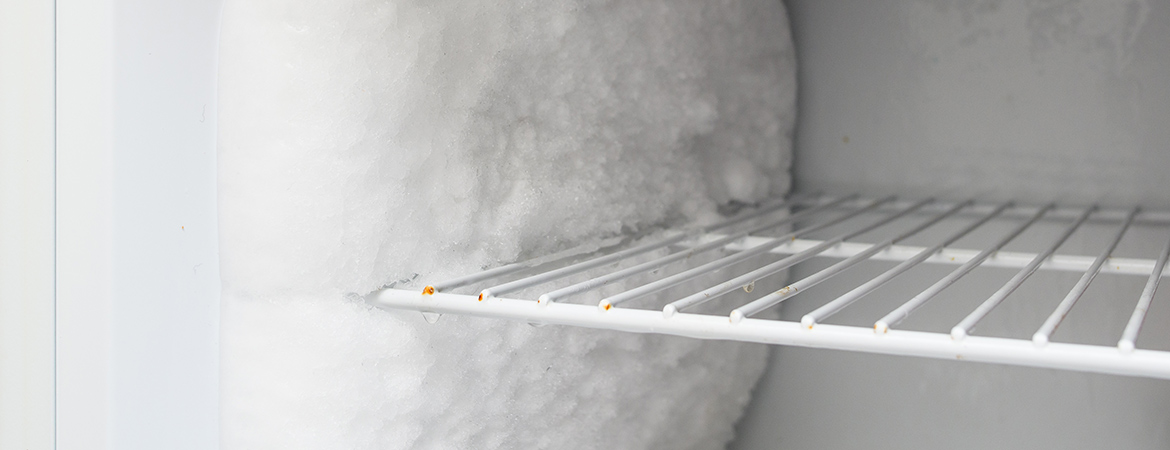
Proper airflow inside the freezer is essential to prevent ice build-up. Avoid overpacking your freezer; leave space between items so air can move freely. Have you noticed how ice forms more in crowded freezers? Spacing items helps maintain consistent temperature and keeps frost at bay.
Credit: homewarranty.firstam.com
Defrosting Techniques
Freezer ice build-up can be a common nuisance. It affects storage space and energy efficiency. Fortunately, defrosting techniques can help. These methods can clear ice and prevent future build-ups.
Manual Defrosting Steps
Manual defrosting is straightforward and effective. Start by unplugging the freezer. Remove all food items and place them in a cooler. Keep the freezer door open to let the ice melt naturally. Use towels to soak up water as ice melts. Once clear, clean the interior with warm water and mild detergent. Dry thoroughly before plugging back in and restocking food.
Using Defrost Mode
Many modern freezers have a defrost mode. Activate this mode by pressing the defrost button. It will automatically start melting the ice. This process usually takes a few hours. Once complete, the freezer returns to normal operation. Defrost mode is convenient and requires minimal effort.
Preventive Defrosting Tips
Preventive measures can reduce ice build-up. Regularly check the door seal to ensure it is airtight. Avoid placing hot food directly in the freezer. This can create moisture, leading to ice. Keep the freezer at the recommended temperature. Too cold can cause excessive ice. Organize food to allow air circulation inside.
When To Call A Professional
Knowing when to call a professional for freezer ice buildup can save you time, money, and frustration. Not every frost problem requires expert help, but certain signs indicate that it's time to get a technician involved. Recognizing these signs early helps prevent bigger issues from developing in your freezer system.
Persistent Ice Issues
If you find yourself constantly scraping off ice only to see it return within days, this is a strong signal to call a professional. Regular defrosting might temporarily fix the problem, but persistent ice buildup often means there’s an underlying issue. A technician can diagnose hidden problems like poor door seals or blocked vents that you might miss.
Defrost System Malfunctions
The defrost system stops ice from accumulating by melting frost at regular intervals. When this system fails, ice can build up rapidly and cause your freezer to work harder than it should. If your freezer is unusually noisy during defrost cycles or the ice doesn’t melt, ask yourself: Is it time to have a pro inspect the defrost timer, heater, or thermostat?
Compressor Or Thermostat Problems
The compressor and thermostat control your freezer’s temperature and cooling efficiency. If ice buildup comes with inconsistent temperatures or your freezer runs non-stop, these parts might be malfunctioning. These problems require professional tools and expertise to fix safely, so avoid DIY attempts that could make things worse.

Credit: www.news18.com
Frequently Asked Questions
Why Does My Freezer Keep Building Up Ice?
Freezer ice buildup happens due to moisture entering the freezer. Warm air causes condensation, which then freezes. Frequent door opening, faulty seals, or high humidity worsen this issue.
How Can I Prevent Ice From Forming In My Freezer?
Keep the freezer door closed tightly and avoid frequent opening. Check and replace damaged door seals. Regularly defrost and clean the freezer to reduce moisture and ice buildup.
Does Freezer Temperature Affect Ice Accumulation?
Yes, improper temperature settings can cause ice buildup. Freezers set too cold or too warm may cause excess frost. Maintain an ideal temperature around 0°F (-18°C) for best performance.
Can Blocked Freezer Vents Cause Ice Buildup?
Blocked vents restrict airflow, causing uneven cooling and frost. Ensure vents are clear to allow proper air circulation and reduce ice formation.
Conclusion
Freezer ice build-up happens because of moisture and warm air. Opening the freezer often lets in humidity, causing frost. Poor door seals or blocked vents can also cause ice. Regularly defrosting and checking seals helps reduce ice problems. Keeping the freezer clean and organized improves airflow inside.
Remember, a well-maintained freezer works better and saves energy. Small steps prevent ice and keep food fresh longer. Stay aware and take action early to avoid bigger issues. Simple care makes a big difference in freezer performance.