Have you ever noticed how your favorite dishes just seem to taste better when cooked on a gas stove? There’s something about that flame that makes your food more flavorful and satisfying.
You might wonder if it’s just your imagination or if there’s a real reason behind it. You’ll discover why cooking on a gas stove can transform your meals and elevate your cooking experience. Keep reading to unlock the secret that could change the way you cook forever.
Flavor Impact Of Gas Stove Cooking
Cooking on a gas stove changes the way food tastes. The flavor impact is strong and noticeable. The direct flame and heat make cooking faster and more even. This helps food develop better flavors. Natural aromas stay in the food, making each bite more delicious.
Direct Flame And Heat Distribution
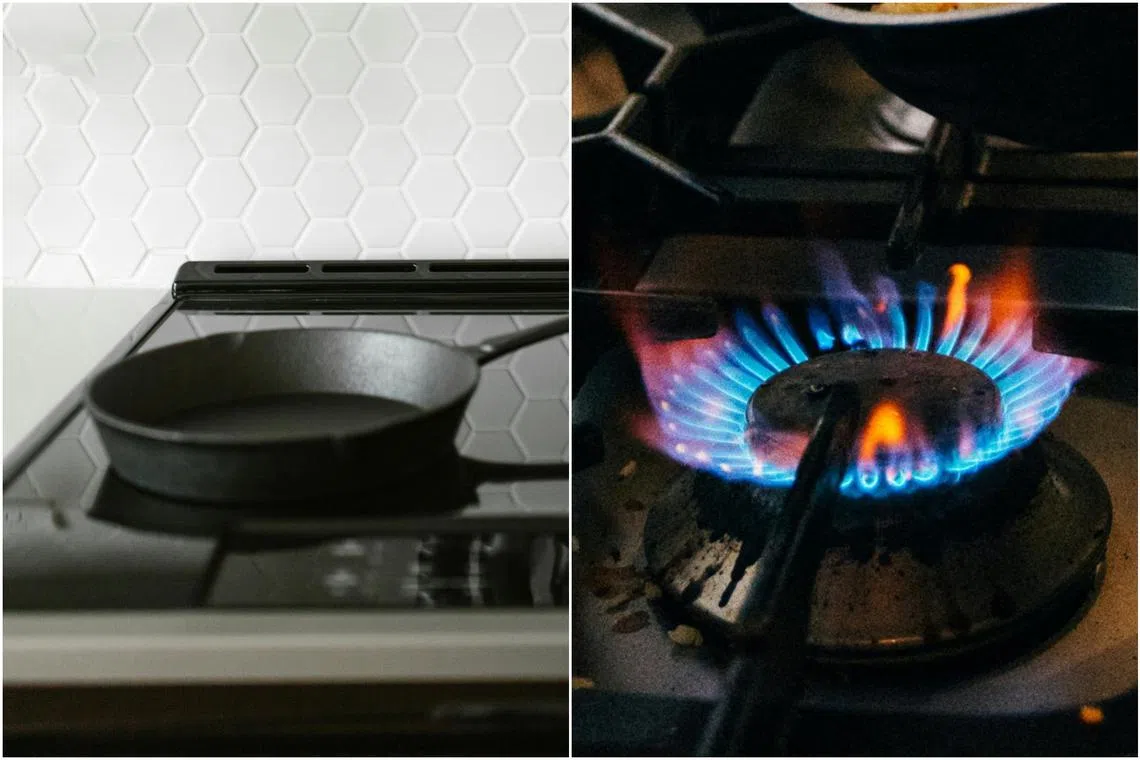
The gas stove’s flame touches the pan directly. This gives quick, even heat to the food. The heat spreads well across the pan’s surface. Food cooks faster and more evenly. This stops parts from burning or staying raw. The result is food cooked just right.
Enhanced Maillard Reaction
The Maillard reaction creates brown, tasty crusts on food. Gas stoves make high heat fast. This heat speeds up the Maillard reaction. Food gets a richer, deeper flavor. Meat, vegetables, and bread taste better with this effect.
Retention Of Natural Food Aromas
Gas stoves heat food gently and quickly. This helps keep the natural smell of ingredients. The aroma stays trapped inside the food. It makes every bite smell fresh and inviting. Strong aromas increase appetite and enjoyment while eating.
Credit: www.straitstimes.com
Comparison With Electric And Induction Stoves
Comparing gas stoves to electric and induction stoves reveals clear differences that impact the flavor and quality of your food. Each stove type heats differently, affecting how your meals cook and taste. Understanding these differences can help you choose the best cooking method for your kitchen and palate.
Heat Control And Responsiveness
Gas stoves provide instant heat adjustments that you can see and feel. When you turn the knob, the flame changes immediately, giving you precise control over temperature. This responsiveness lets you react quickly, preventing overcooking or burning.
Electric stoves take a bit longer to heat up and cool down, so changes in temperature happen slowly. Induction stoves heat quickly but rely on electromagnetic fields, which can feel less intuitive to manage.
Have you noticed how a quick flame flicker on a gas stove helps you perfect a delicate sauce? That instant feedback is hard to match with electric or induction cooktops.
Effect On Food Texture And Taste
The open flame of a gas stove distributes heat more evenly across your pan, helping food cook uniformly. This even cooking preserves moisture and texture, often resulting in richer flavors and better caramelization.
Electric stoves tend to have hotspots that may cause uneven cooking, leading to dry spots or burnt edges. Induction stoves heat quickly but only where the pan touches the surface, which can sometimes create inconsistent texture if the cookware isn't ideal.
Think about searing a steak: the gas flame’s direct heat helps create a perfect crust, locking in juices. That’s a flavor difference many chefs swear by.
Energy Efficiency And Cooking Experience
Gas stoves use energy directly through the flame, and while some heat escapes, many cooks appreciate the tactile cooking experience they offer. You can visually gauge the flame size and adjust cooking accordingly, which adds to your control.
Electric and induction stoves are generally more energy-efficient because they convert electricity directly into heat with less loss. Induction stoves, in particular, heat only the pan, reducing wasted energy.
However, does energy efficiency outweigh the joy and precision of cooking on a gas flame? For many, the sensory connection to their food during cooking is just as important as efficiency.
Gas Stove Cooking Techniques
Mastering gas stove cooking techniques can transform your meals into flavorful experiences. The control and responsiveness of a gas flame give you the power to enhance textures and tastes that electric stoves often miss. Understanding how to use this heat effectively will make your dishes stand out every time you cook.
Searing And Caramelizing Benefits
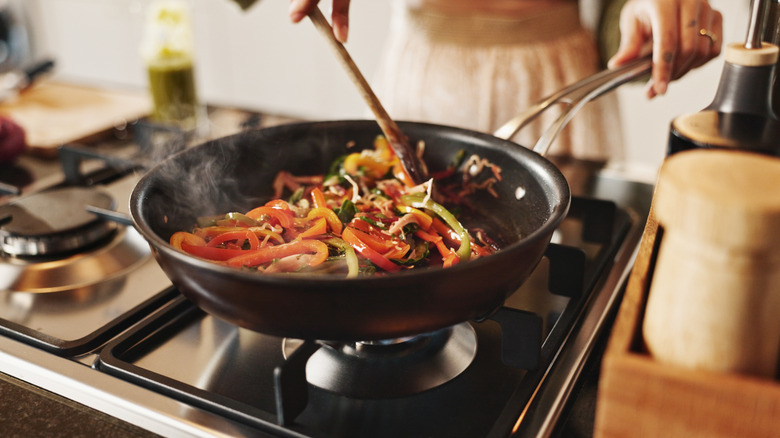
Searing meat or vegetables on a gas stove locks in juices and creates a rich, browned crust. The intense, direct flame heats your pan quickly, allowing you to achieve a perfect sear before the food overcooks inside.
Caramelizing onions or sugars becomes easier with precise flame control. As the sugars break down, you get deep, complex flavors that add a natural sweetness and depth to your dishes.
Simmering And Slow Cooking
Gas stoves excel at maintaining a steady simmer, which is crucial for soups, stews, and sauces. You can adjust the flame to low and keep the heat consistent without worrying about sudden temperature spikes.
Slow cooking on a gas stove allows flavors to meld beautifully over time. You can gently tenderize tougher cuts of meat or fully develop the richness of a sauce with little effort.
Flame Adjustments For Different Recipes
One of the biggest advantages of cooking on gas is the instant response to flame changes. Need a quick boil? Crank the flame up. Want to keep something warm? Lower it immediately without delay.
Try adjusting the flame to suit various cooking steps—start with high heat to sauté and finish with a low flame to simmer. This versatility lets you control cooking phases perfectly.
How often do you think about the flame beneath your pan? Paying attention to this can be the key to unlocking better flavors in your cooking.
Cultural And Psychological Factors
Cultural habits shape how people enjoy food cooked on gas stoves, linking taste to tradition. The warm flame also creates a comforting feeling, making meals seem more delicious. Psychological connections between cooking methods and memory boost the overall flavor experience.
Cooking on a gas stove can be a delightful experience, not just for its culinary benefits but also for the cultural and psychological factors that make food taste better. The allure of gas stoves goes beyond just the practical aspects of cooking. Let's dive into the deeper connections and experiences that gas stoves offer, enriching our meals in unexpected ways.
Tradition And Familiarity
Cooking on a gas stove often resonates with the warmth of family traditions. Many of us have grown up watching our grandparents or parents cook on gas stoves, creating memories and meals that linger in our hearts. This familiarity brings comfort. When you cook on a gas stove, you're not just preparing a meal; you're reconnecting with your roots and reliving cherished moments.
Sensory Connection To Fire
The open flame of a gas stove taps into an ancient sensory experience. Humans have always been drawn to fire, and cooking over an open flame feels primal and satisfying. This connection can make your cooking more intuitive. You might find yourself more engaged, adjusting the flame to match your dish's needs, feeling more involved in the process.
Visual And Olfactory Appeal
A gas stove offers a visual feast even before the food is served. The vibrant flames are captivating and create a lively cooking atmosphere. The aroma of food cooking over an open flame is distinct and enticing. It's an olfactory experience that invites anticipation and whets the appetite long before the first bite. Have you noticed how cooking on a gas stove makes you feel more connected to your meal? This sensory journey could be why food often tastes better when prepared this way.
Safety And Maintenance Tips
Cooking on a gas stove offers a distinct advantage in flavor, but it also requires attention to safety and upkeep. Paying close attention to maintenance not only prolongs the life of your stove but also ensures your kitchen remains a safe place. Are you confident that your gas stove is running efficiently and safely?
Proper Ventilation Importance
Gas stoves release combustion gases that need to be vented properly. Without good airflow, harmful substances like carbon monoxide can build up, posing serious health risks.
Make sure your kitchen has a range hood or exhaust fan that vents outside. Even opening a window while cooking can help keep the air fresh and safe.
Cleaning Burners For Optimal Performance
Clogged burners can cause uneven flames, which affects cooking and wastes gas. Regular cleaning keeps the burners working at their best.
Remove the burner caps and clean them with warm, soapy water. Use a needle or toothpick to clear out tiny holes where gas flows.
Have you checked your burners lately? A quick clean can make a big difference in how your food cooks and tastes.
Preventing Gas Leaks And Hazards
Gas leaks are dangerous and can lead to fires or explosions if ignored. It’s crucial to inspect your stove and connections regularly.
- Check hoses and fittings for cracks or wear.
- Smell for gas odors before and during use—if you notice anything unusual, turn off the stove immediately.
- Install a gas detector near your kitchen as an extra safety layer.
Have you ever tested your gas connections? Taking these precautions can save lives and protect your home.

Credit: www.cosmicaprons.com
Credit: www.thetakeout.com
Frequently Asked Questions
Why Does Gas Stove Improve Food Flavor?
Gas stoves provide direct and even heat, enhancing food's natural taste. The instant flame allows precise temperature control, preserving flavors and textures. This method prevents overcooking and maintains moisture, resulting in richer, tastier meals.
How Does Gas Stove Heat Affect Cooking Time?
Gas stoves heat up quickly, reducing overall cooking time. The immediate flame response lets you adjust heat instantly. Faster cooking locks in food's natural juices and nutrients, boosting flavor and texture.
Is Gas Stove Better Than Electric For Cooking?
Gas stoves offer superior heat control and quicker temperature changes. This precision improves cooking results and food taste. Electric stoves heat slower and less evenly, often affecting food texture and flavor negatively.
Does Cooking On Gas Stove Retain Food Nutrients?
Yes, gas stoves cook food faster and evenly. This quick cooking preserves more nutrients and natural flavors. Overcooking, common with slow heat sources, can degrade vitamins and taste.
Conclusion
Cooking on a gas stove gives you better heat control and faster cooking. Flames heat food evenly, locking in flavor and moisture. You can see and adjust the flame instantly. This helps prevent burning or undercooking. Many cooks say food tastes fresher and richer on gas.
The stove’s quick response improves your cooking experience. Simple tools, great results. Gas stoves bring out the best in your meals, making every bite tastier.