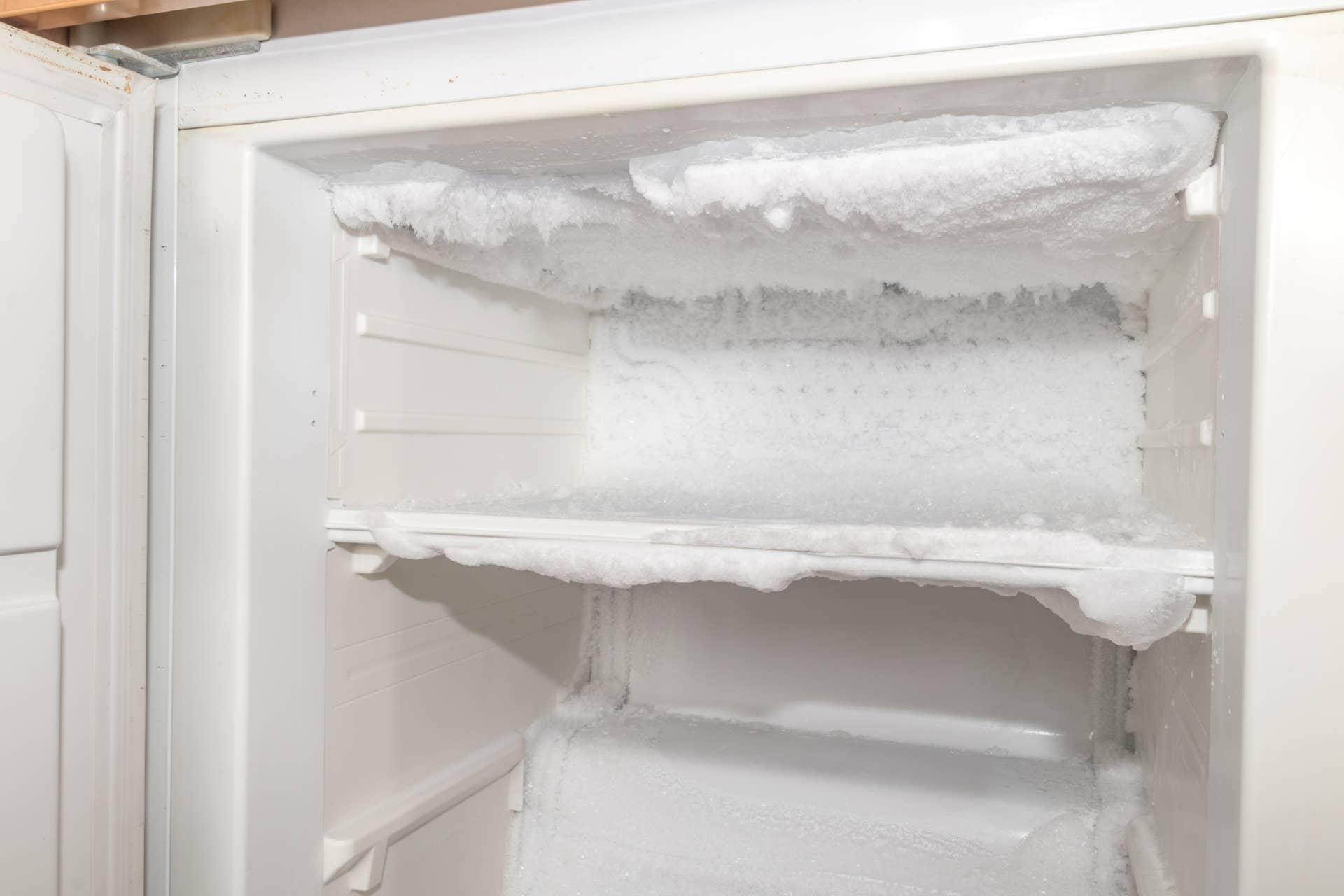
Have you ever opened your freezer, only to find frost covering every item inside? It’s frustrating, isn’t it?
That icy layer not only makes your food look unappetizing but can also affect its taste and texture. You might be wondering, “Why does everything in my freezer have frost on it? ” The answer isn’t as simple as you think.
Understanding what causes this frost can help you keep your food fresher and your freezer running smoothly. Keep reading, and you’ll discover easy fixes that can save your freezer—and your food.
Causes Of Frost Formation
Frost buildup in your freezer can be frustrating, especially when it coats every item inside. Understanding the causes of frost formation helps you manage and prevent it effectively. Let's look at what really makes frost appear on your frozen goods.
How Moisture Enters The Freezer
Moisture is the main culprit behind frost. It sneaks in whenever warm, humid air gets inside your freezer.
This can happen if you leave the door open too long or if the door seal isn’t tight. Even small leaks around the gasket allow moist air to enter, where it cools and turns into frost.
Have you checked your freezer’s seal recently? A quick inspection might reveal cracks that let moisture slip in unnoticed.
Role Of Temperature Fluctuations
Freezers work best when they keep a steady cold temperature. When temperatures rise and fall inside, frost is more likely to form.
These fluctuations cause moisture to condense and freeze repeatedly, building up frost layers. This is common if your freezer is overloaded or if the thermostat isn’t working properly.
Think about how often your freezer cycles on and off. Too many cycles can create the perfect conditions for frost to appear.
Effect Of Door Opening Frequency
Every time you open the freezer door, warm air rushes in carrying moisture.
If you open your freezer frequently or leave it open for long periods, frost will develop faster. This is why you might notice more frost after holiday cooking or grocery shopping.
Try to plan your freezer visits to minimize door openings. Could organizing your freezer better help you find items quicker and keep that door closed?
Impact Of Frost On Food Quality
Frost buildup in your freezer isn’t just an annoying sight—it directly affects the quality of your food. When frost forms, it can change how your meals taste and feel. You might not notice immediately, but over time, frost can make your favorite foods less enjoyable and even less nutritious.
Changes In Taste And Texture
Frost causes ice crystals to form on food surfaces. These crystals draw out moisture, leaving your food dry or mushy after thawing.
Imagine biting into a once-crisp vegetable that now feels soggy or meat that tastes bland and rubbery. That’s frost stealing the original texture and flavor.
Have you ever wondered why some frozen meals just don’t taste right after a while? Frost is often the culprit.
Nutrient Loss Concerns
Frost doesn’t just affect taste—it can reduce the nutritional value of your food. When ice crystals form, they damage cell walls, causing vitamins and minerals to leak out during thawing.
This means your frozen spinach or berries might lose some of their health benefits if frost keeps building up.
Are you getting the full nutritional punch from your frozen foods, or is frost quietly breaking them down?
Freezer Burn Explained
Freezer burn happens when frost causes dehydration on the surface of frozen food. It creates dry, discolored patches that taste off and feel tough.
You might notice your meat or bread looking shriveled and having an unpleasant smell—that’s freezer burn at work.
To protect your food, make sure it’s wrapped tightly and your freezer door seals well. Small steps like these prevent freezer burn and keep your food fresh longer.
Common Freezer Issues Leading To Frost
Frost buildup in a freezer can be frustrating and reduce its efficiency. Several common issues cause frost to form on your frozen items. Understanding these problems helps prevent frost and keeps your freezer working well. Below are typical causes of frost accumulation inside freezers.
Seal And Gasket Problems
Freezer seals and gaskets keep cold air inside and warm air out. If these parts are damaged, air leaks into the freezer. Warm air meets cold surfaces, causing moisture to freeze and form frost. Check seals for cracks, tears, or dirt. Clean seals regularly and replace them if worn out. Proper sealing stops frost buildup and saves energy.
Malfunctioning Defrost System
Freezers have defrost systems to remove ice buildup automatically. If the defrost heater or timer fails, ice accumulates unchecked. This leads to thick frost layers on freezer walls and food packages. Signs of a broken defrost system include unusual noises or excessive frost. Repairing or replacing defrost parts restores proper frost control.
Improper Storage Techniques
How you store food affects frost formation. Opening the freezer door too often lets warm air in. Placing hot or uncovered food inside increases moisture levels. Overcrowding blocks air circulation, causing cold spots where frost forms easily. Use airtight containers and allow hot food to cool before freezing. Organize items to allow good airflow inside the freezer.

Preventing Frost Build-up
Preventing frost build-up in your freezer helps keep food fresh and appliances efficient. Frost forms when moisture meets cold air inside the freezer. Stopping frost early saves energy and avoids freezer damage. Simple habits make a big difference in frost control.
Proper Food Packaging Tips
Seal food tightly in airtight bags or containers. Use plastic wrap to cover items fully. Avoid leaving food uncovered or loosely wrapped. Label packages with dates to prevent long storage. Remove as much air as possible before sealing. Proper packaging blocks moisture from entering the freezer.
Maintaining Optimal Temperature
Keep your freezer temperature at 0°F (-18°C) for best results. Temperatures that are too low cause extra frost. Temperatures too high allow moisture buildup. Use a freezer thermometer to check settings. Avoid frequent temperature changes by opening the door less. Stable temperature reduces frost formation.
Regular Freezer Maintenance
Defrost your freezer when frost is 1/4 inch thick. Clean freezer walls and shelves with mild soap and water. Check door seals for cracks or gaps. Replace damaged seals to stop warm air leaks. Keep the freezer well-organized to improve air flow. Regular care prevents frost and extends freezer life.
When To Call A Professional
Persistent frost in your freezer may signal a problem with the door seal or defrost system. Calling a professional helps fix these issues before food gets spoiled. Detecting unusual noises or frequent frost buildup means it’s time to seek expert help.
Sometimes, despite your best efforts, your freezer might still have a frost problem that you can't solve on your own. That's when you should consider calling in a professional. Understanding when it's time to get expert help can save you from a lot of unnecessary stress and expense.
Signs Of Mechanical Failure
A key indicator that it's time to call a professional is when you notice signs of mechanical failure. If your freezer is making strange noises, such as loud humming or clanking, it could be a sign that the compressor or fan is malfunctioning. Another red flag is if your freezer is not maintaining a consistent temperature, causing your food to thaw and refreeze, which leads to excess frost. Additionally, if the door seals are intact but the frost keeps coming back, the internal thermostat might be faulty. Continuous frost accumulation despite regular defrosting could indicate a more serious issue that needs professional assessment.
Cost Vs. Repair Considerations
Weighing the cost of repairs against the possibility of buying a new freezer is crucial. If your appliance is relatively new, a repair might be more cost-effective and extend its life. However, if your freezer is older and facing frequent issues, the cost of repeated repairs may outweigh the benefits. You should also consider the energy efficiency of older models. Newer freezers are designed to be more energy-efficient, which can lead to savings on your electricity bill in the long term. If repairing your old freezer doesn't significantly improve its efficiency, investing in a new model might be the better choice. Have you ever faced a similar dilemma with your appliances? Reaching out to a professional can provide clarity and help you make an informed decision.

Frequently Asked Questions
Why Does Frost Form On Freezer Items?
Frost forms when moisture in the air meets cold surfaces inside the freezer. This moisture freezes and accumulates as frost on your food and containers.
How Can I Prevent Frost Buildup In My Freezer?
Keep the freezer door closed tightly and avoid frequent opening. Store food in airtight containers to reduce moisture entry and frost formation.
Does Frost Affect Food Quality In The Freezer?
Yes, frost can cause freezer burn, drying out food and affecting its taste and texture. Proper packaging helps maintain food quality and prevents frost damage.
Is A Faulty Freezer Door Causing Frost Buildup?
A damaged or improperly sealed freezer door can let warm air in, increasing frost. Check and replace door seals to ensure proper freezer function.
Conclusion
Frost in your freezer happens because of moisture and air leaks. Cold air meets warm, moist air inside. This causes ice to build up on your food and walls. Keeping the freezer door closed tight helps stop frost. Also, check seals and avoid putting hot food inside.
Regularly defrosting your freezer keeps it working well. A frost-free freezer saves energy and keeps food fresh longer. Simple steps can make a big difference in frost control. Your freezer will stay clean and efficient with little effort.