Have you ever opened your refrigerator only to find it warm inside? It’s frustrating and can quickly turn into a costly problem if not fixed.
You might wonder, why does a refrigerator stop working all of a sudden? Understanding the common reasons behind this can save you time, money, and stress. You’ll discover the simple signs to watch for and easy steps to take when your fridge acts up.
Keep reading to protect your food and avoid unexpected breakdowns.

Credit: www.youtube.com
Common Power Issues
Power issues often cause a refrigerator to stop working. Many problems start with the electrical supply. Checking these common power sources can help find the problem fast. Simple fixes might get your fridge running again.
Checking The Power Supply
Make sure the fridge is plugged in properly. The outlet must work and provide electricity. Test the outlet with a lamp or another appliance. No power means the fridge won’t run. Sometimes outlets have a switch that needs to be on.
Inspecting The Circuit Breaker
The circuit breaker protects your home from electrical problems. It can trip and cut power to the fridge. Check your breaker box for any switches in the “off” position. Flip the switch back to “on” to restore power. A breaker that keeps tripping may need an electrician’s help.
Examining The Power Cord
Look at the fridge’s power cord for damage. Cuts, frays, or burn marks can stop power flow. A loose or bent plug may cause a poor connection. Replace damaged cords right away to avoid hazards. A secure and intact cord ensures steady electricity to the fridge.
Thermostat Problems
The thermostat controls the temperature inside your refrigerator. It tells the cooling system when to turn on or off. If the thermostat fails, the fridge might stop cooling properly. Thermostat problems cause uneven temperatures or no cooling at all. Understanding thermostat issues helps fix your refrigerator faster.
Thermostat Settings
The thermostat has temperature settings to keep food fresh. Setting it too low can freeze food. Setting it too high can spoil food. Check the dial or digital control to ensure it matches the recommended temperature. Usually, 37-40°F (3-4°C) is ideal for the fridge compartment. Make small adjustments and wait several hours to see changes.
Faulty Thermostat Symptoms
A broken thermostat shows clear signs. Watch for these symptoms:
- Fridge is too warm or too cold.
- Compressor runs nonstop or not at all.
- Food spoils quickly or freezes unexpectedly.
- Temperature fluctuates without reason.
- Fridge light stays on constantly.
If you notice these issues, the thermostat may need repair or replacement. Testing the thermostat requires special tools. Calling a technician is often the best choice.
Compressor Malfunctions
The compressor is the heart of your refrigerator’s cooling system. It works by compressing refrigerant and circulating it through the coils to keep your food cold. When the compressor malfunctions, your fridge can stop working entirely or fail to maintain the right temperature.
Understanding compressor issues can save you time and money. You might avoid unnecessary service calls by spotting early signs. Plus, some fixes can be done temporarily to keep your fridge running until professional help arrives.
Signs Of Compressor Failure
- Loud or unusual noises:A failing compressor often makes buzzing, clicking, or humming sounds that are louder than usual.
- Fridge not cooling:If your refrigerator feels warm inside despite running constantly, the compressor might not be compressing the refrigerant properly.
- Frequent cycling:The compressor may turn on and off rapidly, indicating it struggles to maintain pressure.
- Tripped circuit breaker:A compressor drawing excessive power can cause your home’s circuit breaker to trip repeatedly.
Have you ever noticed your fridge making strange noises but ignored it? That could be the first sign of compressor trouble. Early detection helps prevent food spoilage and expensive repairs.
Temporary Compressor Fixes
While a compressor repair usually requires a professional, you can try some temporary fixes to keep your fridge working longer.
- Reset the refrigerator:Unplug your fridge for 10-15 minutes, then plug it back in. This can sometimes reset the compressor's control board.
- Clean the condenser coils:Dust buildup forces the compressor to work harder. Use a vacuum or brush to remove dust from the coils.
- Check the start relay:A faulty start relay can prevent the compressor from running. You might replace this small, inexpensive part yourself.
- Improve ventilation:Make sure there’s enough space around the fridge for air to circulate. Overheating can cause compressor issues.
These quick fixes won’t solve deep compressor problems but can delay failure. Why not try them before calling a technician? It might save you a service fee or at least extend your fridge’s life until you get professional help.
Condenser Coil Concerns
The condenser coils play a vital role in a refrigerator’s cooling system. They release heat from the refrigerant to the surrounding air. If these coils face issues, the refrigerator struggles to maintain the right temperature. Understanding common problems with condenser coils helps diagnose why a refrigerator stops working properly.
Cleaning The Condenser Coils
Dust and dirt often collect on condenser coils over time. This buildup blocks airflow and reduces coil efficiency. Cleaning the coils regularly keeps the refrigerator running smoothly. Use a vacuum or soft brush to remove dirt gently. Unplug the refrigerator before cleaning for safety. Clean coils improve heat transfer and prevent overheating.
Effects Of Dirty Coils
- Increased energy use as the compressor works harder
- Overheating, leading to potential compressor damage
- Reduced cooling performance causing food spoilage
- Louder operation due to stress on components
- Shortened lifespan of the refrigerator
Dirty coils cause the refrigerator to stop working efficiently. Regular maintenance can avoid these problems and save repair costs.
Evaporator Fan Issues
The evaporator fan plays a crucial role in your refrigerator’s cooling system. It moves cold air from the evaporator coils throughout the fridge, ensuring even temperatures and keeping your food fresh. If this fan stops working, your refrigerator might not cool properly, leading to spoiled food and wasted energy.
Identifying Fan Problems
Listen closely when you open your fridge door. Do you hear a gentle humming or whirring sound? The evaporator fan should run quietly whenever the compressor is on. If it’s silent, it could be a sign that the fan motor has failed or something is blocking the blades.
Another sign is uneven cooling inside the fridge. You might notice some areas are cold while others are warm. Ice buildup on the evaporator coils can also stop the fan from spinning. Have you checked for frost or ice that might be clogging the fan area?
Simple Fan Repairs
Start by unplugging your refrigerator to stay safe. Remove the back panel inside the freezer to access the evaporator fan. Clear any ice or debris that might be blocking the blades—you’d be surprised how often this solves the problem.
If the blades spin freely after clearing, but the fan still doesn’t run, the motor might need replacement. Testing the motor with a multimeter can confirm if it’s faulty. Replacing the motor isn’t very complicated and can save you from expensive service calls.
Have you tried these quick fixes before calling a technician? Sometimes, a simple clean and motor check is all your fridge needs to start working efficiently again.

Credit: www.hnkparts.com
Blocked Vents
Blocked vents in your refrigerator can cause it to stop working properly, but this issue often goes unnoticed. These vents are crucial because they allow cold air to circulate throughout the fridge. When they get blocked, the airflow is restricted, leading to uneven cooling and sometimes, a complete breakdown of the cooling system.
Vent Blockage Symptoms
How can you tell if your refrigerator vents are blocked? Look out for these signs:
- Uneven temperatures inside the fridge – some areas are too cold while others are warm.
- Frost buildup around the vents or inside the freezer compartment.
- The fridge runs continuously without cycling off, which wastes energy and strains the compressor.
- Food spoiling faster than usual due to inconsistent cooling.
Recognizing these symptoms early can save you from costly repairs. Have you noticed any of these signs in your fridge lately?
Clearing The Airflow
Fixing blocked vents is often simple but requires careful attention. First, check if any items inside the fridge are directly blocking the vents. Rearrange or remove items to ensure air can flow freely.
Next, gently clean any dust or debris from the vent openings using a soft brush or cloth. Avoid using sharp objects that could damage the vent covers.
If frost has built up, defrost your refrigerator completely before turning it back on. This restores proper airflow and helps your fridge cool evenly again.
Taking these steps regularly can prevent vent blockages and keep your refrigerator running smoothly. Are you ready to give your fridge the airflow it needs?
Door Seal Problems
The door seal, also known as the gasket, plays a critical role in keeping your refrigerator running efficiently. If the seal is damaged or worn out, cold air can escape, forcing the appliance to work harder. This not only affects cooling performance but can also lead to increased energy bills.
Checking The Door Gasket
Take a close look at the gasket around your refrigerator door. Check for cracks, tears, or areas where the seal has come loose. You can also perform a simple test by closing the door on a piece of paper—if you can pull the paper out easily, the seal might be failing.
Another sign of a faulty gasket is condensation or frost buildup around the door edges. This happens because warm air is sneaking in. Have you noticed your fridge running more often than usual? That could be your clue to inspect the gasket.
Replacing A Faulty Gasket
If the gasket is damaged, replacing it can solve many cooling issues. Start by buying a gasket that matches your refrigerator model. Removing the old seal is usually straightforward—gently pull it off and clean the area underneath to ensure the new gasket fits perfectly.
Installing the new gasket requires patience. Press it firmly into place, making sure it seals evenly around the door. After installation, test the seal again with the paper trick. A properly fitted gasket will keep your fridge efficient and your food fresh longer.
Refrigerant Leaks
Refrigerant leaks are a common reason a refrigerator stops working properly. Refrigerant is the fluid that absorbs heat inside the fridge. A leak lowers the refrigerant level, causing poor cooling and higher energy use. Small leaks can grow larger over time, leading to complete fridge failure. Detecting and fixing these leaks early saves money and avoids food spoilage.
Detecting Leaks
Signs of a refrigerant leak include warm spots inside the fridge and frost buildup on coils. The fridge may run constantly without cooling enough. Strange hissing sounds near the compressor can also hint at leaks. You may notice an oily residue on pipes or components, a sign of escaping refrigerant. A professional can use special tools to find even tiny leaks.
Addressing Refrigerant Issues
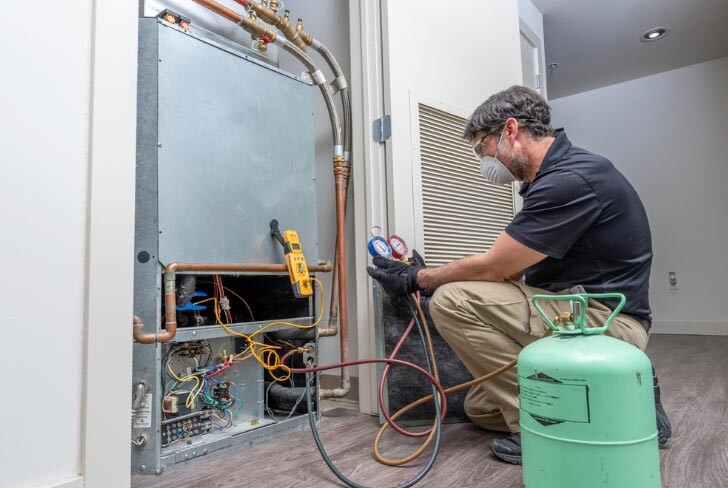
Fixing refrigerant leaks requires a trained technician. They locate the leak and repair or replace damaged parts. After repair, the technician refills the refrigerant to the correct level. Handling refrigerant needs care due to environmental and safety rules. Do not try to add refrigerant yourself. Regular maintenance can help prevent leaks and keep the fridge running efficiently.
Frost Buildup
Frost buildup inside your refrigerator can be more than just a minor annoyance. It can block airflow, reduce cooling efficiency, and eventually cause your fridge to stop working properly. Understanding why frost accumulates and how to remove it can save you from costly repairs and spoiled food.
Causes Of Frost Accumulation
Frost forms when moisture in the air meets the cold surfaces inside your freezer or fridge compartment. If the door seal is damaged or left open too long, warm air enters and increases humidity, leading to frost buildup.
Other common causes include:
- Faulty defrost timer or heater that fails to melt ice regularly
- Blocked or dirty door gaskets allowing air leaks
- Improper temperature settings causing excessive cooling
Have you noticed ice forming near the door or vents? That’s a clear sign frost is accumulating due to air leaks or mechanical issues.
Defrosting Techniques
Manual defrosting is often the simplest way to clear frost. You can switch off the fridge, remove all food, and let the ice melt naturally, which might take several hours.
If you want to speed things up, place a bowl of hot water inside and close the door to create steam that loosens the frost. Just be sure to wipe away any remaining moisture afterward.
Automatic defrost models use a timer and heater to melt frost periodically. If your fridge isn’t defrosting on its own, check the defrost timer or heater for faults. Repairing or replacing these parts can restore normal function.
How often do you check your fridge for frost buildup? Regular inspection and timely defrosting can prevent bigger problems down the line.
Professional Help
Sometimes, a refrigerator stops working due to problems beyond basic fixes. Professional help can save time and prevent damage. Experts have the tools and knowledge to diagnose issues correctly. They ensure the appliance is safe and working efficiently again. Calling a technician is smart for complex problems or unusual noises.
When To Call A Technician
Call a technician if the refrigerator:
- Does not cool properly after simple checks
- Makes strange or loud noises
- Leaks water or frost builds up
- Shows electrical issues or smells burning
- Stops working completely
These signs mean the problem needs expert attention. Trying to fix serious faults alone can cause more harm.
Choosing A Repair Service
Pick a repair service with good reviews and experience. Check if the technicians are certified and trained. Ask about warranties on repairs and parts. Choose a company that offers clear pricing before starting work. Fast response times help avoid food spoilage. Reliable services explain the problem and solution clearly.
Credit: kitchen.services
Frequently Asked Questions
Why Does My Refrigerator Suddenly Stop Cooling?
A refrigerator stops cooling due to power issues, a faulty compressor, or clogged condenser coils. Check the power supply and clean coils regularly to maintain efficiency.
How Can A Refrigerator's Thermostat Cause It To Stop Working?
A malfunctioning thermostat can misread temperatures, causing the fridge to stop cooling. Replacing or repairing the thermostat often restores proper function.
Can A Dirty Condenser Coil Make A Refrigerator Stop Working?
Yes, dirty condenser coils restrict heat release, causing the fridge to overheat and stop working. Regular cleaning keeps your refrigerator running efficiently.
What Role Does The Compressor Play In Refrigerator Failure?
The compressor circulates refrigerant to cool the fridge. If it fails, the refrigerator stops cooling and requires professional repair or replacement.
Conclusion
A refrigerator stops working for many simple reasons. Dirt, power issues, or worn parts often cause problems. Regular cleaning and checks can keep it running well. Small fixes can save money and time. Knowing common causes helps you act fast.
Don’t ignore strange sounds or warm food. Staying alert prevents bigger damage later. Keep your fridge healthy with basic care. Simple steps make a big difference. Now you understand why your fridge might stop working.