Have you ever taken a bite of your favorite meal, only to notice a strange soapy taste lingering on your dishes? It’s frustrating when your clean plates and glasses don’t taste fresh but instead remind you of soap.
You might wonder why this keeps happening and how to fix it. If you want to enjoy your food without that unwanted soap flavor, keep reading. This article will reveal the common reasons behind the problem and simple solutions you can try right now.
Don’t let soap residue ruin your meals anymore!
Common Causes
Noticing a soapy taste on your dishes after they come out of the dishwasher can be frustrating. It often signals a problem that’s easy to fix once you know the cause. Understanding the common reasons behind this issue helps you get back to enjoying clean, fresh-tasting dishes.
Residue From Detergent
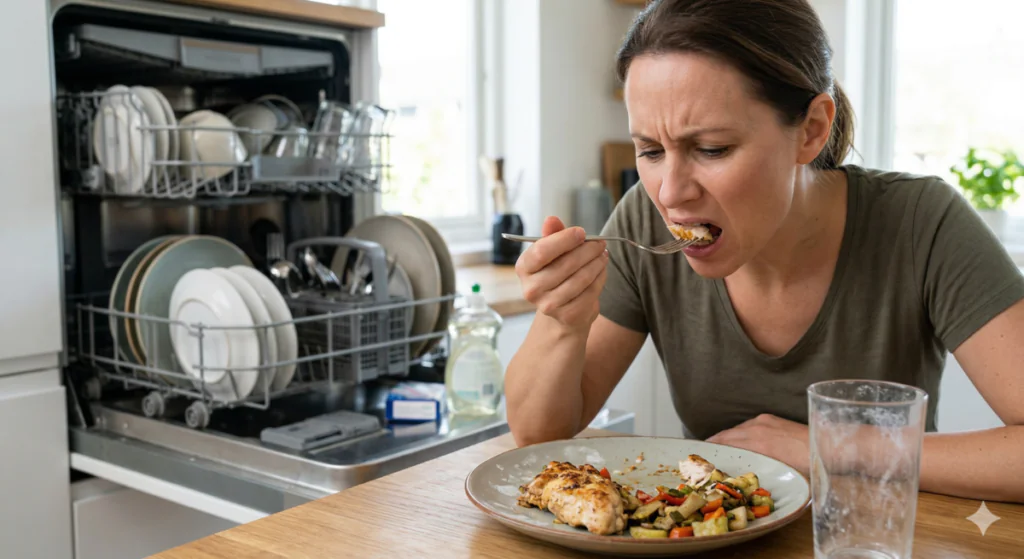
Sometimes, detergent doesn’t fully rinse off your dishes, leaving a thin film behind. This residue can make your food taste like soap. If you’ve ever noticed a powdery or slimy feel on your plates, detergent residue is likely the culprit.
Using too much detergent or a low-quality brand can increase this problem. Try using less detergent or switching to a different type to see if that improves the rinse. Also, check if your dishwasher’s rinse cycle is working properly.
Hard Water Effects
Hard water contains minerals like calcium and magnesium that can interfere with cleaning. These minerals react with soap, causing spots and a lingering soapy taste on your dishes. Hard water can also prevent detergent from dissolving fully.
You might notice white spots or a filmy layer on glasses and silverware. Installing a water softener or using a detergent designed for hard water can help. 🛒 Have you checked your water hardness lately with a simple home test kit? It might be the hidden reason behind your soap-flavored dishes.
Overloading The Dishwasher
Fitting too many dishes into the dishwasher blocks water and detergent from reaching everything evenly. This uneven cleaning often results in soap residue left on some items. Overloading also reduces the dishwasher’s ability to rinse properly.
Try loading fewer dishes and arrange them carefully to allow water to circulate freely. You’ll likely see a difference in taste and cleanliness. How often do you cram your dishwasher full? Spacing out your loads might be the simple fix you need.
Incorrect Detergent Usage
Using the wrong type of detergent can cause soap taste issues. For example, dish soap meant for hand washing creates too many suds and leaves residue in dishwashers. Always use detergent labeled specifically for dishwashers.
Mixing detergent types or adding extra soap won’t speed up cleaning but will leave behind unwanted flavors. Check the detergent’s instructions and follow the recommended amounts carefully. Have you accidentally switched detergents recently? That might explain the soapiness on your plates.
Preventive Measures
Preventing your dishes from tasting like soap starts with simple but effective changes to your dishwasher routine. Small adjustments can make a big difference in the final rinse and taste of your dishes. Let’s dive into key steps you can take to keep your dishes fresh and soap-free.
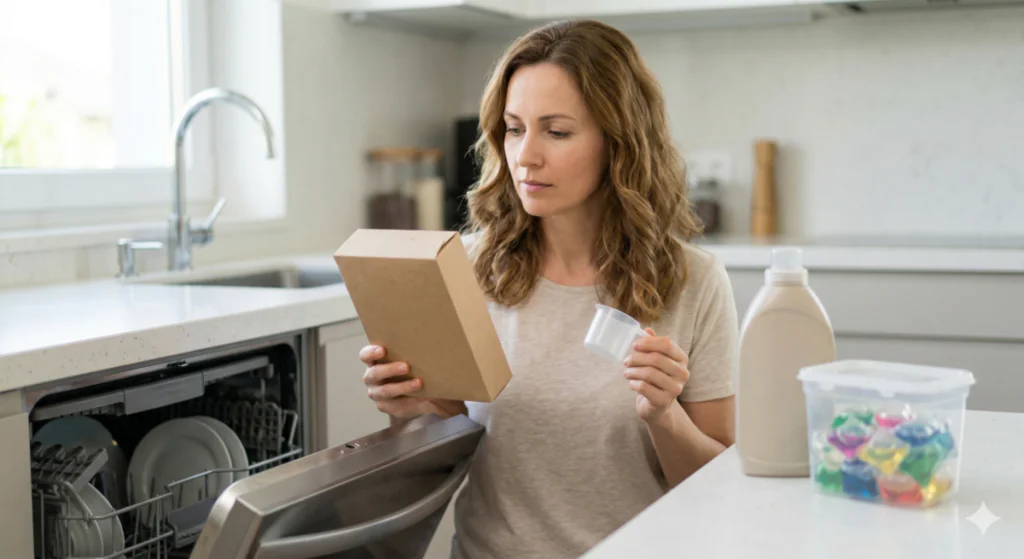
Choosing The Right Detergent
Not all dishwasher detergents are created equal. Some brands use stronger formulas that can leave a soapy residue if not rinsed properly. Opt for detergents specifically designed for hard water to prevent mineral buildup and residue.
Have you checked the ingredient list on your detergent lately? Avoid detergents with excessive fragrance or additives that might cling to your dishes. Switching to a gel or powder detergent instead of pods can also give you more control over how much soap is used.
Adjusting Detergent Amount
Using too much detergent is a common cause of soap taste on dishes. It’s tempting to add more to get them extra clean, but this often backfires. Try reducing the amount by a small margin and see if your dishes rinse cleaner.
Experiment with slightly less detergent and run a cycle with no detergent occasionally to check if residue clears up. Remember, less detergent can mean fewer leftovers on your plates and glasses.
Using Rinse Aid
Rinse aid helps water slide off dishes quickly, preventing soap buildup. If your dishwasher doesn’t have rinse aid or if the compartment is empty, soap can linger on your dishes. Make sure to refill your dishwasher rinse aid regularly.
Using rinse aid can also improve drying and reduce water spots. If you haven’t used it before, try adding it and notice how much cleaner and fresher your dishes taste after each wash.
Proper Loading Techniques
How you load your dishwasher affects how well water and detergent reach each dish. Overcrowding or blocking spray arms can cause soap to stick on plates and glasses. Arrange dishes so that water flows freely between items.
Check that utensils aren’t nesting together and that cups and bowls are tilted to allow water to drain. Have you ever noticed certain spots that consistently have soap residue? Adjusting your loading might fix that problem quickly.
Quick Fixes
Soap taste on dishes can be annoying. Quick fixes help solve this issue fast. These simple actions improve your dishwasher’s performance and keep dishes fresh.
Rinsing Dishes Before Loading
Rinse dishes lightly before placing them in the dishwasher. This removes extra soap and food bits. It prevents soap from sticking on dishes during the wash cycle.
Running A Vinegar Cycle
Run an empty dishwasher cycle with a cup of white vinegar. Vinegar clears out soap residue and buildup inside the machine. It refreshes your dishwasher and stops soap taste on dishes. (For an even deeper clean, toss in a heavy-duty dishwasher cleaning tablet to strip away hidden grease and scale!)
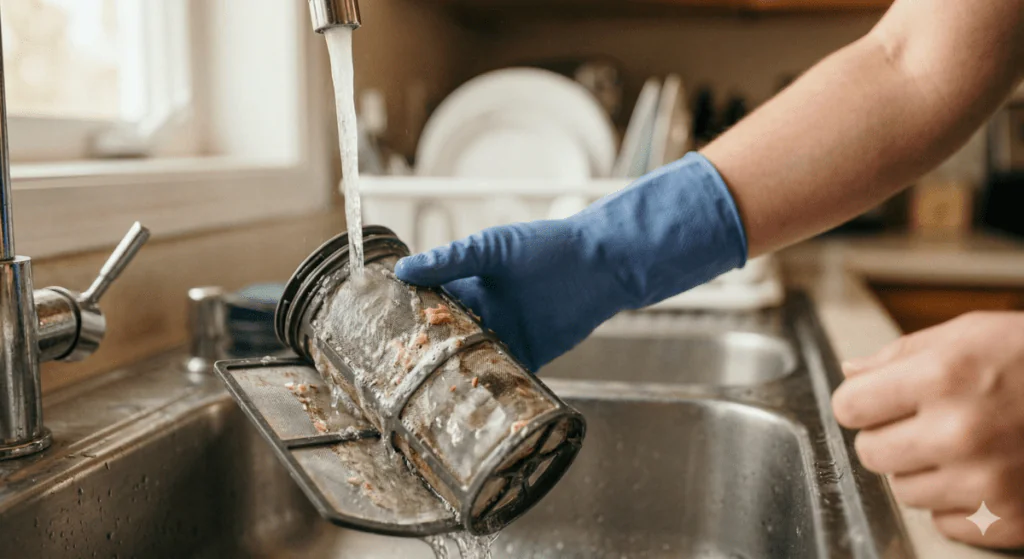
Cleaning The Dishwasher Filter
Check and clean the dishwasher filter regularly. A dirty filter traps soap and dirt, causing bad taste. Remove the filter, rinse it under water, and clear any trapped debris.
Checking Water Temperature
Make sure your water heater is set between 120°F and 140°F. Water that is too cold stops soap from rinsing off properly. Hot water helps dissolve soap fully and cleans dishes well.
When To Call A Professional
You've scrubbed and loaded your dishwasher, expecting sparkling clean dishes, only to find them tasting like soap. It's frustrating, right? Sometimes, despite all efforts, the issue persists, leading to the question: when should you call a professional? While some problems can be fixed with a DIY approach, others require expert intervention. Let's dive into scenarios where professional help is necessary.
Persistent Soap Taste
If the soapy taste lingers despite using less detergent or switching brands, it might be time to call in the pros. Persistent soap taste can indicate deeper issues, such as residue buildup or improper drainage. A professional can diagnose and fix these hidden problems, ensuring your dishes return to their natural taste.
Malfunctioning Dishwasher Components
Your dishwasher is a complex machine with many moving parts. Malfunctions in components like the rinse aid dispenser or water softener can lead to soap-laden dishes. If you notice any unusual noises or cycles that don’t complete, a professional can troubleshoot and repair the faulty parts, restoring your dishwasher's efficiency.
Water Quality Issues
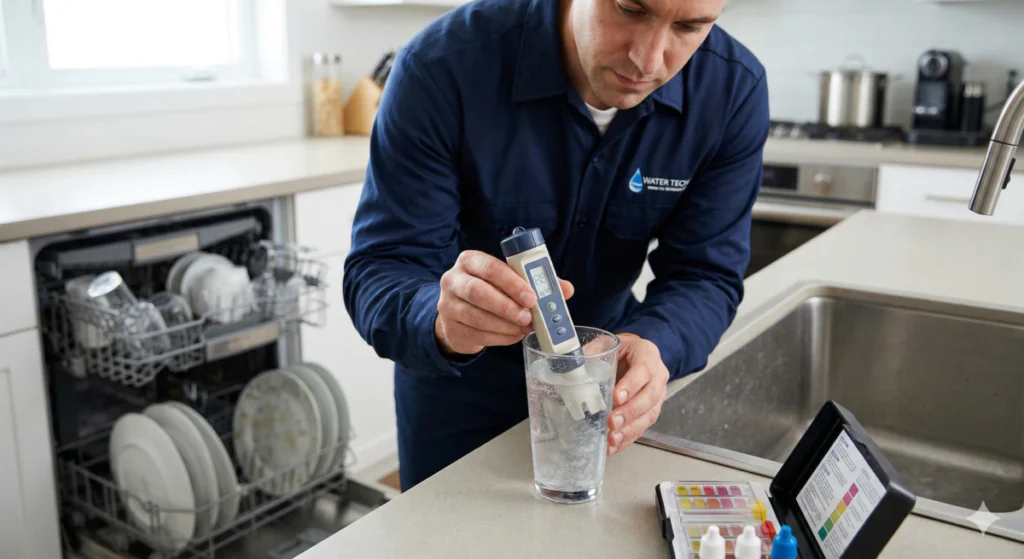
Sometimes, the problem isn't your dishwasher but the water itself. Hard water, rich in minerals, can interfere with detergent effectiveness and leave a soapy taste. A professional can test your water quality and recommend solutions like installing a water softener. Have you ever considered how water quality impacts your appliances?
In conclusion, while some dishwasher woes are easily solvable, others require the expertise of a professional. If you're facing persistent issues, don't hesitate to seek help. Your taste buds will thank you.
Frequently Asked Questions
Why Do My Dishes Taste Like Soap After Washing?
Soap residue often remains due to overuse of detergent or improper rinsing. Using too much detergent or low water temperature can leave a soapy taste on dishes after dishwasher cycles.
Can Using Too Much Detergent Cause Soap Taste?
Yes, excess detergent can leave a soapy film on dishes. Always follow the manufacturer’s recommended detergent amount to avoid residue and unpleasant tastes.
How Can I Prevent Soap Taste On Dishwasher Dishes?
Rinse dishes thoroughly before loading and use the right detergent amount. Also, check your dishwasher’s rinse cycle settings and clean its filter regularly.
Does Dishwasher Rinse Aid Affect Soap Taste?
Yes, rinse aid helps remove detergent residues and prevents soap taste. Using the correct rinse aid amount improves rinsing and leaves dishes spotless.
Conclusion
Soap taste on dishes usually means leftover detergent or rinsing issues. Check your dishwasher settings and use the right detergent amount. Make sure your rinse aid is working well. Clean your dishwasher filter and spray arms regularly. These small steps help dishes taste clean and fresh again.
Keep an eye on water temperature too. Clear, soap-free dishes make mealtime more enjoyable for everyone. Simple fixes often solve this common problem quickly.