Are you staring at your dishwasher wondering why it’s not filling up with water? It’s frustrating when you load your dishes, start the cycle, and nothing happens.
Without water, your dishwasher can’t clean properly, leaving you with dirty dishes and wasted time. But don’t worry—you’re not alone, and this problem has simple solutions. Keep reading to discover the common reasons why your dishwasher isn’t getting water and how you can fix it fast.
Your clean dishes are just a few steps away!
Common Causes Of No Water
Discovering no water in your dishwasher can be frustrating. Several common issues cause this problem. Identifying the root cause helps fix it quickly. Below are frequent reasons why your dishwasher lacks water.
Water Supply Issues
The dishwasher needs a steady water supply to work. Check if the water valve is fully open. A closed or partially closed valve blocks water flow. Inspect the water line for kinks or damage. A broken or bent hose stops water from entering the machine.
Clogged Inlet Valve
The inlet valve controls water entry into the dishwasher. Dirt or debris can clog this valve. A clogged valve reduces or stops water flow. Cleaning or replacing the valve often solves the issue. Ensure the valve functions properly to allow water inside.
Faulty Float Switch
The float switch stops the dishwasher from overflowing. It senses the water level inside the machine. A stuck or broken float switch may prevent water from filling. Check if the float moves freely. Replace the switch if it fails to signal water intake.
Blocked Filters And Screens
Filters and screens trap food and particles. Blockages here can stop water from circulating. Clean these parts regularly for smooth water flow. Check for any debris that may block water entry. Maintaining clean filters helps the dishwasher fill correctly.
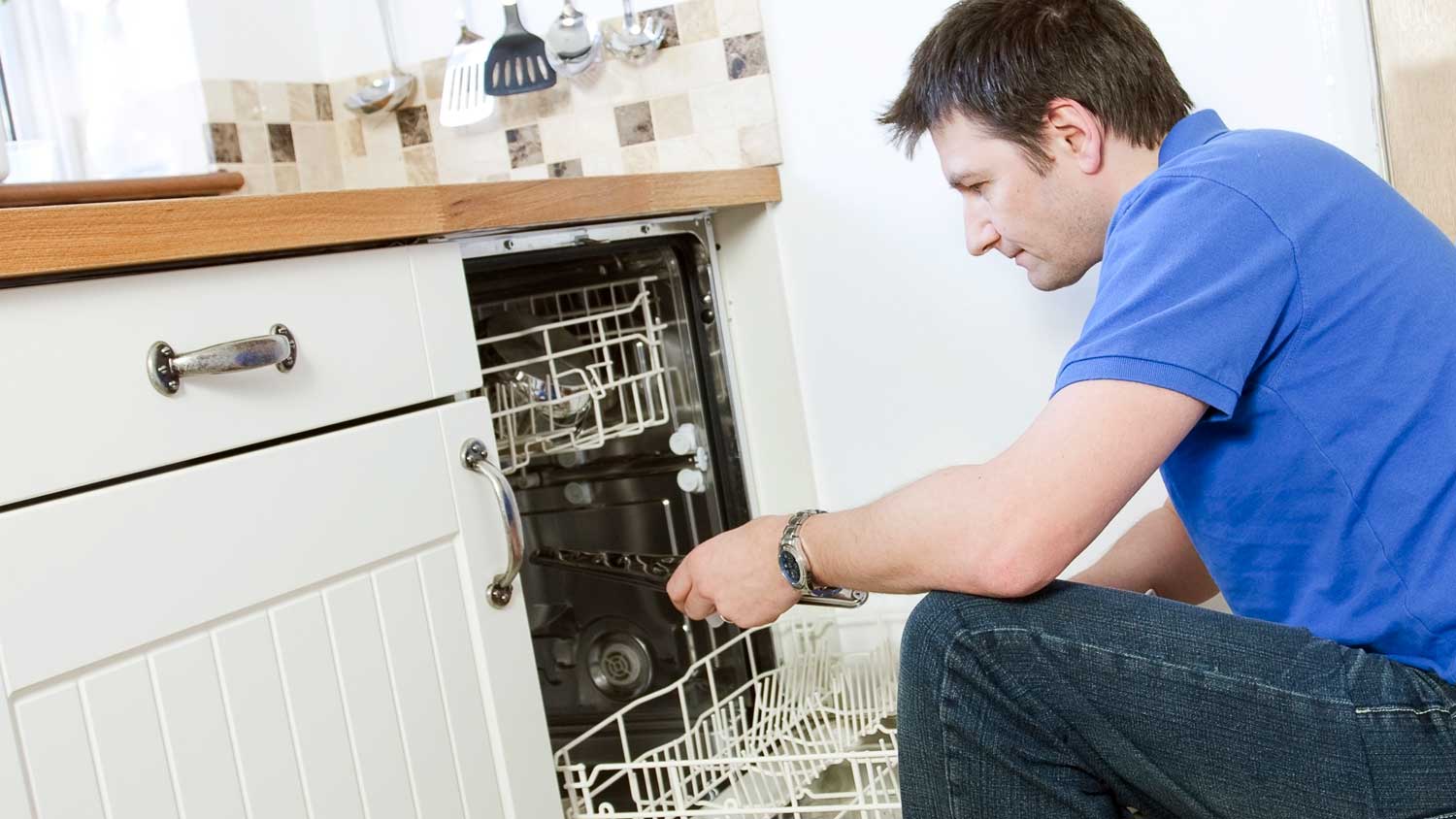
Credit: www.angi.com
Checking The Water Supply
Checking the water supply is a crucial first step if your dishwasher isn’t filling with water. Without a steady flow, the machine can’t clean your dishes properly. Let’s break down what you should look at to ensure water is reaching your dishwasher as it should.
Inspecting The Water Valve
The water valve controls the flow of water into your dishwasher. If it’s stuck closed or damaged, no water will get in. You can find the valve near the dishwasher’s water supply line—usually under the sink.
Try turning the valve handle to make sure it’s fully open. If it feels loose or won’t budge, the valve might need replacing. Have you checked if your dishwasher’s valve is clogged with debris? Sometimes mineral buildup can block water flow.
Testing Water Pressure
Even if the valve is open, low water pressure can prevent your dishwasher from filling. Water pressure should be strong enough to push water through the hose and into the machine. You can test this by turning on a nearby faucet and observing the flow.
Is the water coming out weak or sputtering? That’s a sign of low pressure. If your home’s water pressure is low, you might need a plumber to assess the issue or check for leaks that reduce pressure.
Ensuring Proper Hose Connection
The hose connecting your dishwasher to the water supply can sometimes become loose or kinked. This disrupts the water flow and stops your dishwasher from filling. Check both ends of the hose for secure fittings and look along its length for any sharp bends.
If you find the hose twisted or bent, straighten it carefully. A loose connection can cause leaks too, so tighten any fittings by hand or with a wrench if needed. Have you noticed any water pooling under your sink? That could be a clue your hose isn’t connected properly.
Cleaning And Unclogging Components
Cleaning and unclogging dishwasher parts can solve water flow problems. Dirt, food, and debris block key components. This stops water from entering or circulating inside the dishwasher. Regular cleaning keeps your dishwasher working well and prevents damage.
Removing And Cleaning Filters
Filters catch food particles and debris during washing. Over time, they get clogged and reduce water flow. To clean, take out the filter from the dishwasher bottom. Rinse it under running water to remove stuck particles. Use a soft brush to scrub gently. Replace the filter after cleaning to ensure proper water flow.
Clearing The Inlet Valve
The inlet valve controls water entering the dishwasher. Dirt or mineral buildup can block it. Turn off the water supply before checking the valve. Remove the valve screen and clean it with a small brush. Clear any debris around the valve area. Reinstall the valve and turn the water back on. This allows water to flow freely again.
Fixing Blocked Spray Arms
Spray arms spread water inside the dishwasher. Tiny holes in the arms can get clogged with food or hard water deposits. Remove the spray arms carefully. Use a toothpick or small brush to clear each hole. Rinse the arms under water to wash away loosened debris. Reattach the spray arms securely to restore full water spray coverage.
Diagnosing Electrical Issues
A dishwasher may not get water due to electrical problems like a faulty water inlet valve or a broken float switch. Checking these parts can help find the cause of no water flow. Simple tests can reveal if the dishwasher’s electrical system is working properly.
Diagnosing electrical issues in your dishwasher can seem daunting, but it’s crucial for resolving why your appliance isn't getting water. Electrical components can fail, disrupt the flow of water, and leave you with dishes that are anything but sparkling. Understanding and checking these elements might just save you from an unnecessary service call.
Testing The Float Switch
The float switch is a small, often overlooked component. It acts like a sensor that detects the water level in your dishwasher. If it’s stuck or malfunctioning, your dishwasher might think it's full and won’t let more water in. To test the float switch, you can manually lift it. It should move freely up and down. If it’s sticking or feels jammed, it might need cleaning or replacement. Consider this an easy fix before calling in the pros.
Checking The Door Latch Sensor
The door latch sensor ensures the dishwasher door is fully closed before starting the cycle. If it’s not working correctly, your dishwasher may not fill with water. Inspect the latch for any visible damage or debris. A simple adjustment or cleaning might resolve the issue. Have you noticed the door not closing properly lately? This could be a sign that the sensor needs attention.
Inspecting The Control Board
The control board is the brain of your dishwasher. It sends signals to various components, including the water inlet valve. A malfunction here can disrupt the entire water intake process. Look for any obvious signs of damage or burning on the control board. If you’re comfortable, use a multimeter to test for continuity. Could a small oversight here be the reason for your dishwasher woes? If you're unsure, seeking professional help is wise. Diagnosing these electrical issues not only empowers you but might save you time and money. Next time you face a dishwasher dilemma, consider these checks before jumping to conclusions. Are you ready to tackle your appliance's electrical mysteries?
Simple Diy Repairs
Simple DIY repairs can often bring your dishwasher back to life without the need for a costly service call. Many common issues with water flow are easy to fix if you know where to look and what tools to use. These fixes not only save money but also give you a sense of accomplishment.
Resetting The Dishwasher
Sometimes, your dishwasher may just need a quick reset to resolve water intake problems. Unplug the appliance or turn off the circuit breaker for about five minutes to clear any electrical glitches.
After powering it back on, select a cycle and see if water starts filling as expected. This simple step can fix minor control board issues that prevent water from entering the machine.
Replacing The Inlet Valve
The inlet valve controls water flow into your dishwasher. If it's clogged or malfunctioning, water won't enter properly.
Locate the valve where the water supply line connects to the dishwasher. Turn off the water supply, disconnect the valve, and replace it with a new one matching your model.
This repair requires basic tools but can make a huge difference if the valve is the culprit behind no water.
Fixing Loose Or Damaged Hoses
Loose or damaged hoses can block water from reaching your dishwasher. Check the hose connections to ensure they’re tight and free of cracks or kinks.
If you spot any damage, replace the hose to restore proper water flow. Remember, even a tiny leak can cause serious performance issues.
Have you checked your hoses lately? Sometimes the simplest thing like tightening a connection gets your dishwasher working again.

Credit: www.searshomeservices.com
When To Call A Professional
Knowing when to call a professional can save you time, money, and frustration when your dishwasher isn't getting water. Some problems go beyond simple fixes and require expert knowledge to avoid causing further damage. Let’s look at the key situations where professional help is your best choice.
Complex Electrical Problems
If your dishwasher shows no signs of power or the control panel is unresponsive, the issue might be electrical. These problems can involve wiring faults, faulty switches, or damaged circuit boards that need specialized tools and training to diagnose.
Attempting to fix electrical faults without experience can be dangerous. Have you ever tried to troubleshoot wiring only to end up more confused or worried about safety? Calling an expert ensures the job is done safely and correctly.
Persistent Water Flow Issues
Sometimes you might clear filters and check valves, but your dishwasher still won’t fill with water. This could point to issues like a defective water inlet valve or hidden blockages in the plumbing.
When water flow problems persist despite your efforts, a professional plumber or appliance repair technician can pinpoint the exact cause. They have the right tools to test water pressure and replace parts if necessary, saving you endless guesswork.
Warranty And Safety Considerations
If your dishwasher is still under warranty, trying to fix it yourself might void the coverage. Manufacturers often require repairs to be done by certified technicians to keep warranties valid.
Beyond warranty rules, safety is a big concern. Water and electricity combine in dishwashers, so improper repairs can risk leaks or shocks. Do you want to risk voiding your warranty or creating a hazard just to save a few dollars?
Preventive Maintenance Tips
Preventive maintenance plays a crucial role in keeping your dishwasher running smoothly and ensuring it gets enough water every cycle. Small, regular efforts can stop many common issues before they start. Let’s look at some practical tips that can help you avoid the frustration of a dishwasher that won’t fill with water.
Regular Cleaning Schedule
Keeping your dishwasher clean is more than just about hygiene; it directly affects its performance. Food particles and mineral deposits can clog the water inlet or filters, cutting off the water supply. Set a reminder to clean the filters, spray arms, and door seals at least once a month to prevent blockages.
If you’ve ever noticed your dishes coming out dirty or the dishwasher making unusual noises, it’s a sign that cleaning is overdue. Simple steps like rinsing off plates before loading and running an empty cycle with vinegar can make a big difference.
Using Water Softeners
Hard water can cause mineral buildup inside your dishwasher, including the water inlet valve. This buildup restricts water flow and can eventually stop water from entering the machine. Installing a water softener helps reduce these deposits, extending your dishwasher’s life.
Have you checked your local water hardness level? If it’s high, consider adding a water softening unit or using dishwasher detergents formulated for hard water. This adjustment often solves water supply problems without the need for repairs.
Routine Inspections
Regularly inspecting your dishwasher can catch small problems before they become big headaches. Check the water inlet valve, hoses, and connections for leaks or damage. A tiny crack or loose connection can prevent water from flowing properly.
Try to schedule a quick inspection every few months. If you find something off, don’t ignore it. Fixing a minor issue early can save you from costly repairs or replacements later on.

Credit: oakvalleyappliance.com
Frequently Asked Questions
Why Is My Dishwasher Not Filling With Water?
Your dishwasher might not fill due to a closed water valve, clogged inlet filter, or faulty float switch. Check these parts first to ensure water flow.
How Do I Fix A Dishwasher Water Supply Issue?
Inspect and open the water supply valve. Clean the inlet filter and test the float switch. Replace any defective parts to restore water flow.
Can A Blocked Spray Arm Stop Water In Dishwasher?
Yes, a blocked spray arm can prevent water circulation. Clean the spray arm holes to ensure proper water distribution during cycles.
Does A Faulty Door Latch Affect Dishwasher Water Intake?
Yes, a faulty door latch can stop the dishwasher from filling. Ensure the door is securely closed to trigger water flow.
Conclusion
Not getting water in your dishwasher can stop it from cleaning. Check the water supply and make sure the valve is open. Look for blockages or kinks in the hose. The door latch might not close properly, causing water issues.
Sometimes, the float switch or water inlet valve needs fixing. Regular maintenance helps avoid these problems. Understanding these points can save time and money. Keep your dishwasher working well by spotting problems early. Simple checks often solve the issue quickly.
Don’t ignore small signs of trouble.