As an Amazon Associate, I earn from qualifying purchases.
You buy a fresh bunch of cilantro for one recipe, and three days later it is a slimy, yellow mess in the crisper drawer.
Fresh herbs are one of the easiest ways to make home cooking taste better, but they are also one of the quickest things to go to waste. With the right setup, most herbs last one to three weeks in the fridge and months in the freezer.
Here is exactly how to store each type of herb so it stays green and fragrant until you actually use it.
Why Fresh Herbs Spoil So Fast
Herbs lose water quickly. Too little moisture and they wilt; too much on the leaves and they turn dark and slimy. Grocery store clamshells trap wet air against the leaves, so herbs often spoil fastest in their original packaging.
The trick is to keep the stems hydrated while keeping the leaves dry, and to match the storage method to the type of herb.
Step 1: Sort Your Herbs Into Soft and Hardy
Split your herbs into two groups, since they need different treatment.
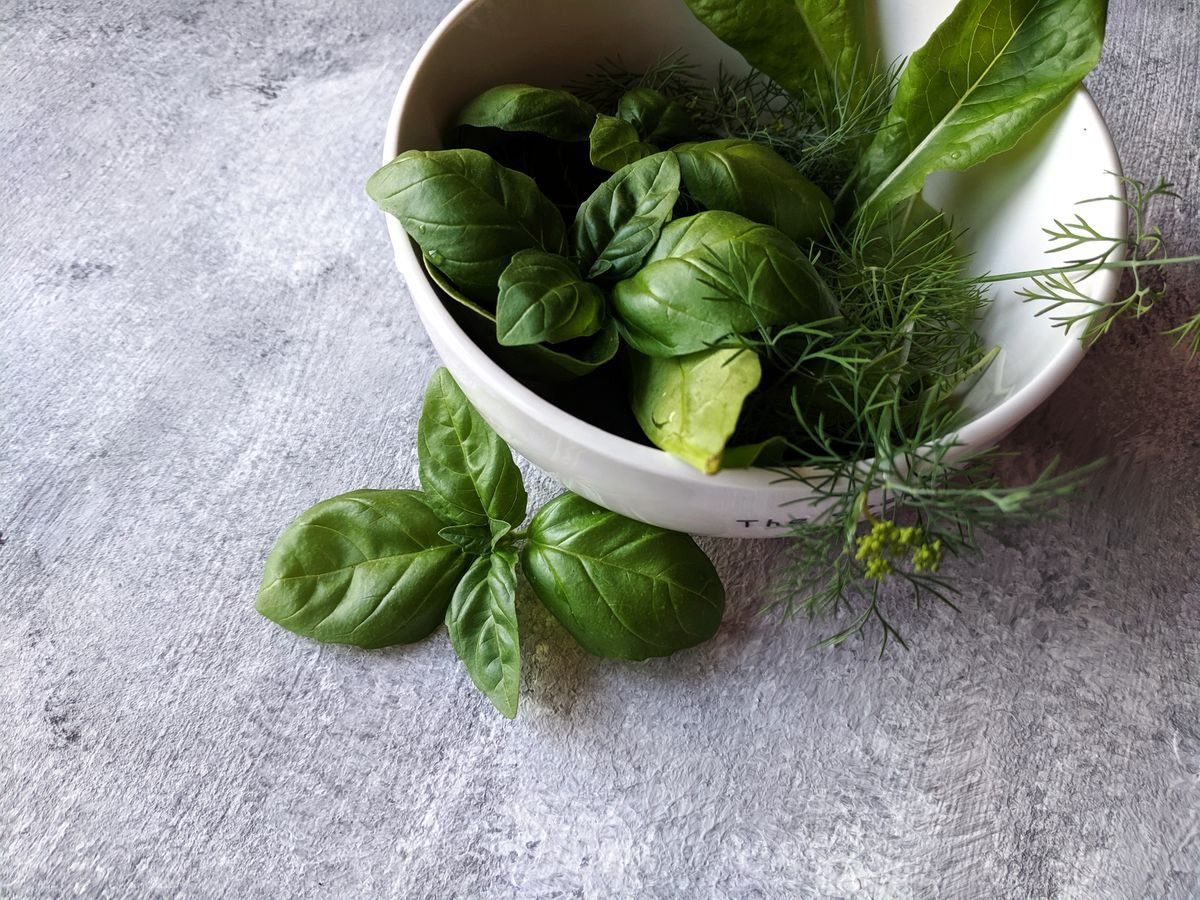
- Soft (tender) herbs: cilantro, parsley, basil, mint, dill, tarragon and chives.
- Hardy (woody) herbs: rosemary, thyme, sage, oregano and marjoram.
Soft herbs do best like a bouquet of flowers, with their stems in water. Hardy herbs do best wrapped and kept just slightly damp.
Step 2: Wash and Dry Them Completely
Rinse herbs in cool water, then dry them thoroughly. Water left on the leaves is the biggest reason herbs rot.
A salad spinner is the fastest way to do this without bruising delicate leaves. The OXO Good Grips Salad Spinner is a simple one-handed pump design. Spin, then let them finish drying on a towel. No spinner? Gently roll them in a dry kitchen towel.
Step 3: Store Soft Herbs Like a Bouquet
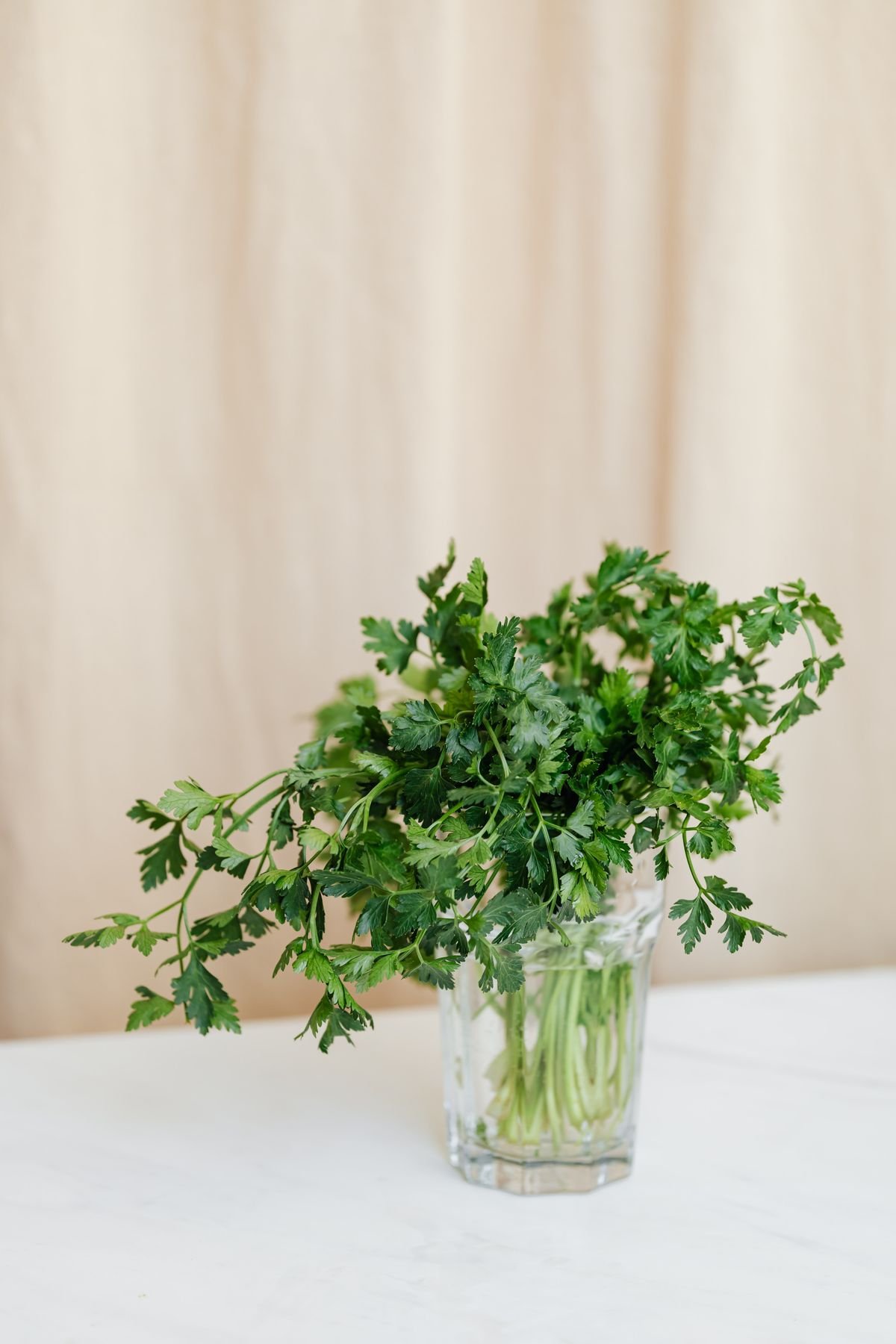
For parsley, cilantro, dill and mint, use the jar method:
- Trim about half an inch off the stems with a sharp knife or scissors.
- Remove any yellow, wilted or slimy leaves.
- Stand the herbs upright in a jar or glass with about an inch of water.
- Cover the tops loosely with a plastic produce bag, then place the jar in the fridge.
- Change the water every two to three days, or whenever it looks cloudy.
This setup alone can keep parsley and cilantro fresh for two weeks or more.
Use an Herb Keeper for Less Mess
The OXO Good Grips GreenSaver Herb Keeper works on the same principle: water in the base keeps the stems hydrated, a basket holds the herbs upright and away from the walls, and the lid keeps the humidity in check. Check price on Amazon.
If you want something even slimmer, the Prepara Herb Savor Pod 2.0 is a tall, narrow pod with a water reservoir at the bottom and a hinged door for grabbing a few sprigs. See it on Amazon.
Step 4: Keep Basil Out of the Fridge
Basil is the exception to the soft herb rule. Cold turns basil leaves black, so keep it on the counter in a glass of water, out of direct sun, and change the water every day or two.
Step 5: Wrap Hardy Herbs in a Damp Paper Towel
Rosemary, thyme, sage and oregano do not need to sit in water. Instead:
- Lightly dampen a paper towel. It should be moist, not dripping.
- Wrap the herbs loosely in the towel.
- Place the bundle in a zip-top bag or airtight container, leaving it slightly open for airflow.
- Store it in the crisper drawer.
Check the towel every few days and re-dampen it if it has dried out. Hardy herbs stored this way often last two to three weeks.
Step 6: Freeze Herbs You Will Not Use in Time
Freeze extras before they turn. Frozen herbs are best for soups, sauces and sautés rather than garnishes.
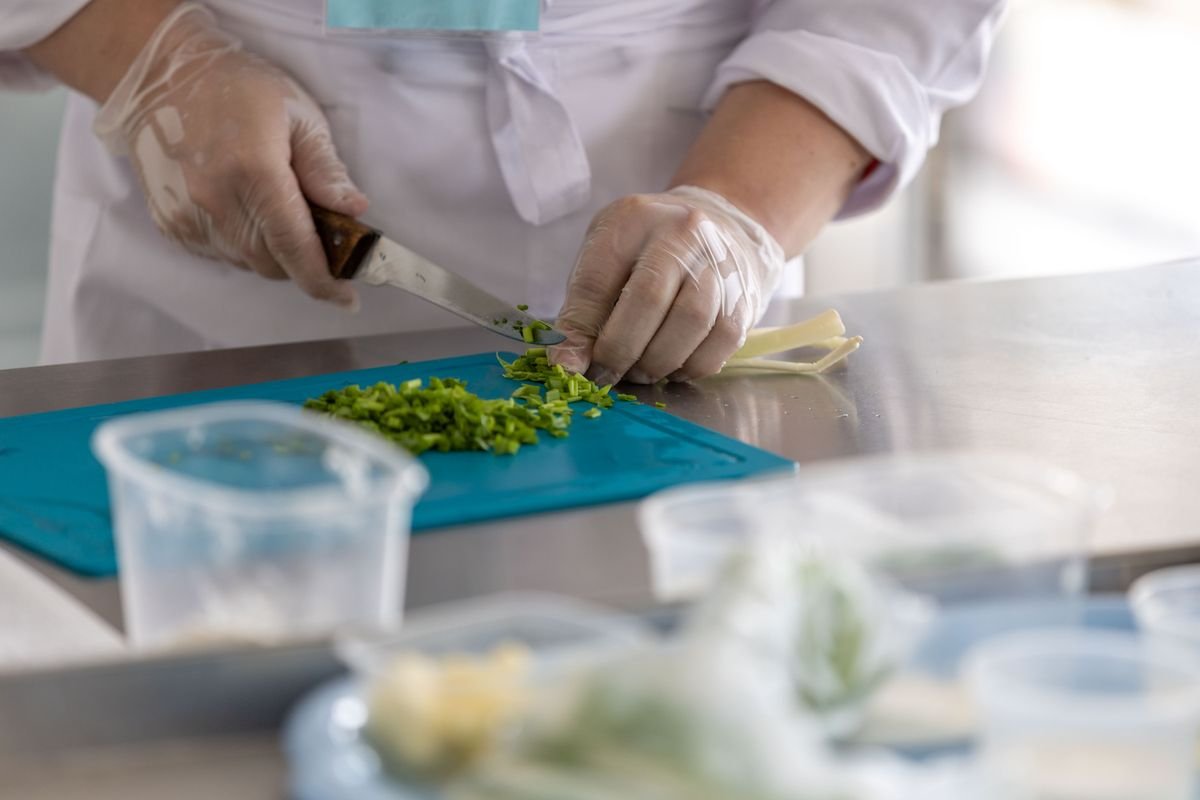
To freeze herbs in oil, chop them finely, pack them into small portions, and cover with olive oil or a neutral oil. Penn State Extension notes that herbs frozen in oil hold their color better than herbs frozen on their own, and that this works especially well for basil. A pair of 5-blade herb scissors makes chopping a big pile of herbs much faster, since every snip makes five cuts at once.
For portioning, silicone trays are easier to work with than rigid ice cube trays because the frozen cubes pop right out. The Souper Cubes 2 Tbsp Silicone Freezer Trays have lids to keep freezer odors out and fill lines at 1 and 2 tablespoons. Once the cubes are frozen, transfer them to a labeled freezer bag. Check price on Amazon.
One safety note: only combine herbs with oil if you are freezing them right away. Do not store fresh herbs in oil at room temperature.
Quick Storage Guide by Herb
- Cilantro and parsley: Upright in water in the fridge, loosely covered.
- Basil: Upright in water on the counter, never in the fridge.
- Mint and dill: Upright in water in the fridge, or in an herb keeper.
- Chives: Wrapped in a damp paper towel in the fridge.
- Rosemary, thyme, sage and oregano: Wrapped in a damp paper towel in a bag in the crisper drawer.
Frequently Asked Questions
Should I wash herbs before storing them?
You can, as long as you dry them completely. If you cannot get them fully dry, it is better to store them unwashed and rinse them right before you cook.
How do I revive wilted herbs?
Trim the stems and soak the herbs in a bowl of ice water for 10 to 15 minutes. Mildly wilted herbs often perk right back up. If the leaves are slimy or black, they are past saving.
Can I store herbs in the original plastic clamshell?
It works for a day or two, but the closed container traps moisture. For longer storage, move them to a jar, herb keeper or damp towel.
How long do frozen herbs last?
Herbs frozen in oil or water are best used within a few months for the brightest flavor.
Final Thoughts
Dry leaves, hydrated stems, the right temperature, and the freezer as backup. Set up a jar or herb keeper the day you get home from the store, and that bunch of cilantro will still be green when you finally make those tacos.