Your lunch bag is with you every day, keeping your meals fresh and ready. But when was the last time you gave it a good clean?
If you’re like most people, washing your lunch bag might not be on your regular to-do list. Yet, a dirty lunch bag can harbor germs and unpleasant odors that affect your food and health. You’re about to discover simple, effective ways to wash your lunch bag so it stays fresh, safe, and ready for every meal.
Keep reading to learn easy steps that will make your lunch bag feel like new again.
Choose The Right Cleaning Method
Choosing the right cleaning method for your lunch bag is crucial to keep it fresh and in good condition. Not all lunch bags are made the same, so knowing how to wash yours properly can save you from damage and lingering odors. Let’s look at how you can decide on the best way to clean your lunch bag effectively.
Check The Care Label
Your lunch bag likely has a care label that gives specific washing instructions. This label tells you what materials the bag is made of and whether it can be washed by machine or needs gentle hand washing.
Ignoring these instructions might ruin the insulation or the fabric. Have you ever tossed a lunch bag into the washer only to find it misshapen or with peeling lining? That’s why the care label is your first and best guide.
Decide Between Hand Wash And Machine Wash
If the care label allows machine washing, use a gentle cycle with cold water to avoid shrinking or damaging the bag’s lining. Place the lunch bag in a mesh laundry bag to protect it further.
For bags that recommend hand washing, fill a basin with warm water and mild soap. Use a soft cloth or sponge to scrub gently, especially in corners where food crumbs hide.
Consider how often you use your lunch bag and what kind of mess it usually gets. Is it mostly crumbs or sticky spills? These details help you decide if a quick hand wash after each use or a thorough machine wash weekly suits your needs better.
Prepare The Lunch Bag
Preparing your lunch bag correctly is key to a thorough cleaning. This step ensures all dirt and food particles are removed before washing. A clean start makes washing easier and more effective.
Empty All Contents
Take out everything inside the lunch bag. Check all pockets and compartments carefully. Remove any containers, wrappers, or leftover food.
Remove Crumbs And Debris
Turn the bag upside down to shake out loose crumbs. Use a small brush or cloth to clear hidden debris. This prevents crumbs from sticking during washing.
Spot Treat Stains
Look for any visible stains or sticky spots. Apply a mild detergent or stain remover to those areas. Let it sit for a few minutes before cleaning the whole bag.
Hand Washing Steps
Cleaning your lunch bag by hand can be simple and effective if you follow the right steps. Hand washing helps preserve the bag’s material and keeps it fresh without the wear and tear of machine washing. Let’s look at how you can tackle this task with care and attention.
Select Mild Detergent
Choose a gentle detergent that won’t harm the fabric or lining of your lunch bag. Harsh chemicals can break down insulation or waterproof layers, reducing the bag’s lifespan.
I once used a strong detergent out of convenience and noticed the bag’s inner lining started peeling after just a few washes. Avoid that by picking a detergent labeled for delicate fabrics or baby clothes.
Use Warm Water
Warm water is ideal because it helps dissolve grease and food stains without damaging the bag. Avoid hot water, which might warp or shrink some materials.
Try filling a basin or sink with comfortably warm water to soak your bag briefly. This loosens grime and makes cleaning easier.
Scrub Gently With A Soft Brush
Use a soft-bristled brush or a sponge to clean the bag’s surface. Focus on corners and seams where crumbs and spills often hide.
Press lightly and move in circular motions. Scrubbing too hard can wear down the fabric or damage waterproof coatings.
Rinse Thoroughly
Rinse your lunch bag well under running water to remove all soap residues. Soap left behind can cause odors or attract dirt faster.
Check every nook to ensure no detergent remains, especially in insulated layers. Have you ever noticed a strange smell after washing? It’s often soap buildup.
Credit: simplegreen.com
Machine Washing Tips
Machine washing a lunch bag saves time and effort. It removes dirt and odors effectively. Proper care keeps the bag looking new. Follow these simple tips for best results.
Use A Laundry Bag
Place the lunch bag inside a laundry bag. This protects it from damage in the machine. It also stops zippers or straps from catching on other clothes. A laundry bag helps keep the shape of the lunch bag intact.
Choose Gentle Cycle
Select the gentle or delicate cycle on your washing machine. This uses slower spin speeds and less agitation. It prevents wear and tear on the lunch bag fabric. The gentle cycle cleans without harming the bag’s structure.
Select Appropriate Detergent
Use a mild detergent suitable for delicate fabrics. Avoid bleach or strong chemicals that can damage the material. Choose a detergent that removes odors and stains effectively. This keeps the lunch bag fresh and clean without harsh effects.
Drying The Lunch Bag
Drying the Lunch Bag After washing, hang the lunch bag open in a sunny spot. This helps it dry quickly. Make sure all corners are fully open to let air in. A dry bag prevents mold and keeps your lunch fresh.
Drying the Lunch Bag Once you've washed your lunch bag, ensuring it is thoroughly dried is crucial. A damp lunch bag can become a breeding ground for bacteria and unpleasant odors. Proper drying techniques can make a significant difference in maintaining the freshness and longevity of your lunch bag.
Air Drying Techniques
Air drying is one of the best methods to dry your lunch bag. Simply open all compartments and pockets, allowing air to circulate. Hang the bag in a well-ventilated area for optimal results. If you have a clothesline, pin the bag by its handles to allow gravity to assist in the drying process. You can also place it on a drying rack. This minimizes contact with surfaces, promoting faster drying.
Avoid Direct Sunlight
While sunlight can be a natural disinfectant, it can also damage your lunch bag. Direct sun exposure can fade colors and degrade materials over time. Opt for a shaded area to protect your bag's appearance and durability. Consider placing the bag in a spot with indirect sunlight. This way, you still benefit from the warmth without risking damage. It's a small adjustment that can prolong the life of your lunch bag.
Ensure Complete Dryness
Before storing your lunch bag, check for complete dryness. Moisture trapped inside can lead to mold and mildew, which are both health hazards and odor culprits. Run your fingers through the corners and seams to ensure no dampness remains. If you're ever in doubt, give the bag more time to dry. Patience pays off in preventing unexpected surprises the next time you pack your lunch. Have you ever found a forgotten lunch box with a surprise inside? Ensuring complete dryness helps avoid such mishaps.
Maintain Freshness Between Washes
Keeping your lunch bag fresh between washes can save you time and prevent unwanted smells. Simple habits can make a big difference in maintaining freshness, so you don’t always have to do a full clean. These small steps help your bag stay ready for your next meal without any lingering odors or stains.
Use Baking Soda For Odors
Baking soda is a natural deodorizer that absorbs smells quickly. Sprinkle a small amount inside your lunch bag after you empty it, then leave it overnight. The next day, shake out the baking soda, and your bag will smell much fresher.
Sometimes, I’ve even kept a tiny open box of baking soda inside the bag when it’s not in use. It quietly works to neutralize odors without any effort on your part. Could this simple trick save you from scrubbing your bag too often?
Wipe Down After Each Use
After you finish your meal, take a moment to wipe the inside of your lunch bag with a damp cloth or antibacterial wipe. This removes crumbs, spills, and food residue before they can cause stains or smells.
Make wiping a quick habit. You’ll find your bag stays clean much longer, and it cuts down on the need for deep washes. Do you notice how much easier it is to keep things tidy when you clean right away?
Store In A Dry Place
Moisture encourages mold and bad odors, so always dry your lunch bag thoroughly before storing it. Leave it open in a well-ventilated area until it’s completely dry.
Then, store it somewhere dry and cool. Avoid tossing it into a damp drawer or cupboard. Have you ever opened a bag only to be hit by a musty smell? Keeping your bag dry helps you avoid that unpleasant surprise.
When To Replace Your Lunch Bag
Knowing when to replace your lunch bag is just as important as keeping it clean. A worn-out bag can fail to keep your food fresh and safe, or worse, harbor bacteria that could make you sick. Paying attention to certain signs can help you decide if it’s time to get a new one.
Signs Of Wear And Tear
Look closely at your lunch bag’s fabric and seams. If you notice holes, fraying, or broken zippers, these are clear signs it’s time for a replacement. Even small tears can let in dirt and germs, reducing the bag’s effectiveness.
Have you ever struggled with a zipper that just won’t close properly? That’s not just frustrating—it’s a sign your bag may no longer protect your food well enough. Don’t wait until the damage worsens; a new bag will save you hassle and keep your meals secure.
Persistent Odors
Sometimes no amount of washing can remove stubborn smells from your lunch bag. If your bag retains unpleasant odors despite thorough cleaning, bacteria and mold may be growing inside the lining. These odors often signal that harmful microbes are present and can’t be fully eliminated.
Ask yourself: is the smell affecting the taste of your food or making you hesitant to use your bag? If yes, it’s a practical sign to replace it. Freshness matters, and so does your health.
Damage To Insulation
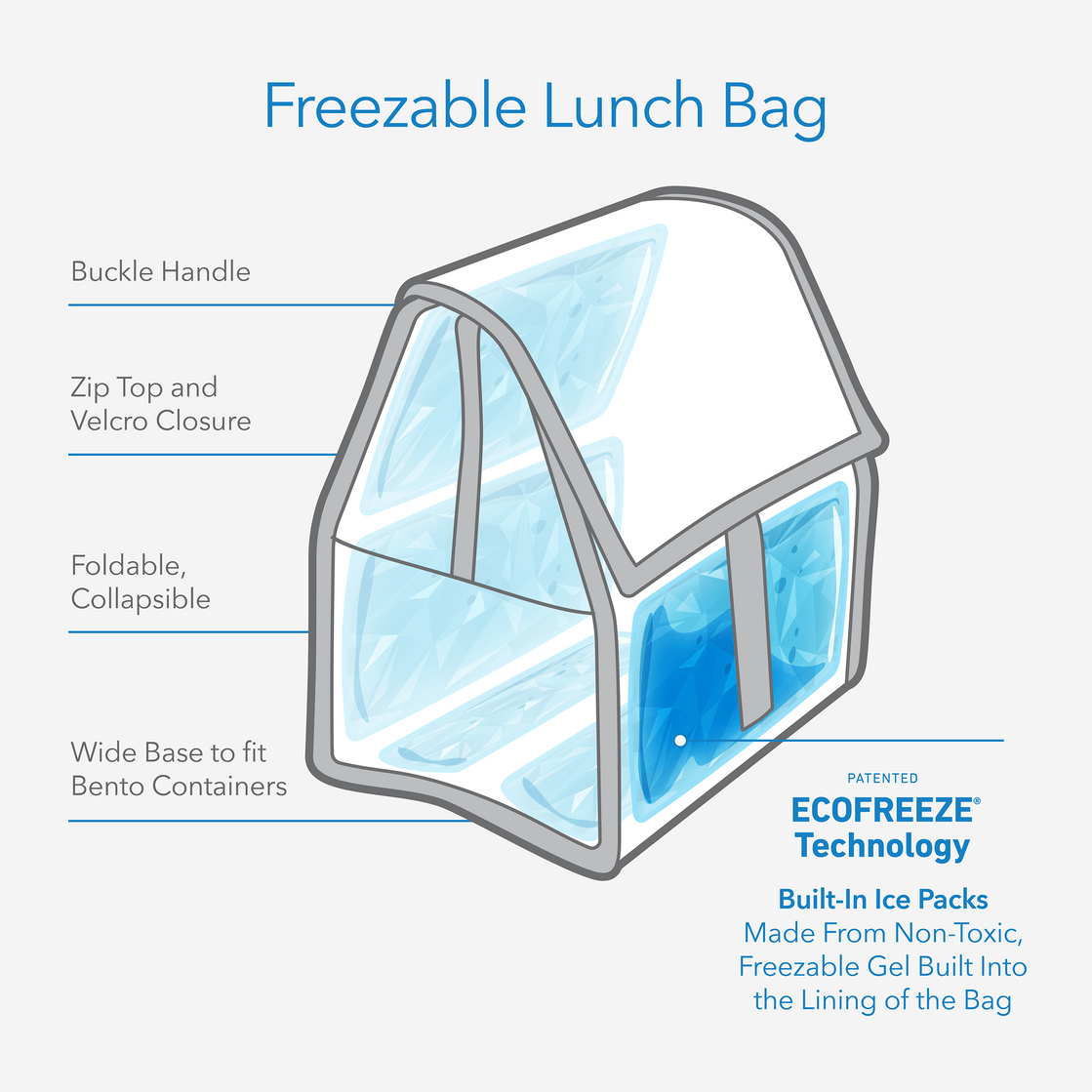
The insulation inside your lunch bag keeps your food at the right temperature. Over time, this material can break down, flatten, or develop cold spots. If your lunch isn’t staying cool or warm as it should, the insulation is likely compromised.
Think about the last time your sandwich was soggy or your drink warm when it shouldn’t have been. That could be insulation failure. Upgrading to a new insulated bag will help keep your meals safe and enjoyable throughout the day.
Credit: packit.com

Credit: www.youtube.com
Frequently Asked Questions
How Often Should I Wash My Lunch Bag?
Wash your lunch bag weekly to prevent bacteria buildup. Frequent cleaning keeps it fresh and odor-free. For heavy use, clean more often.
Can I Machine Wash A Lunch Bag?
Check the label first. Some lunch bags are machine washable. Use gentle cycle and cold water to avoid damage.
What Cleaning Products Are Safe For Lunch Bags?
Mild soap or dish detergent works best. Avoid bleach or harsh chemicals that can damage fabric and lining.
How Do I Dry A Lunch Bag After Washing?
Air dry your lunch bag completely before use. Avoid direct sunlight to prevent color fading and material damage.
Conclusion
Keeping your lunch bag clean helps it last longer and stay fresh. Regular washing removes dirt and bad smells. Use gentle soap and warm water for the best results. Dry it well before using again to prevent mold. Clean lunch bags also keep your food safe and healthy.
Small effort brings big benefits. Make washing your lunch bag a simple habit. Your lunch will thank you.