Do you struggle with cleaning your cheese grater after every use? You’re not alone.
Graters can be tricky to wash because cheese often gets stuck in the tiny holes and sharp edges. If you don’t clean it properly, it can become a breeding ground for bacteria and affect the taste of your food. But don’t worry—there’s a simple way to make your grater spotless without wasting time or effort.
Keep reading, and you’ll learn easy, effective tips to wash your cheese grater quickly and safely every time. Your kitchen routine is about to get a whole lot easier!

Credit: www.youtube.com
Why Clean A Cheese Grater
Cleaning your cheese grater might seem like a chore, but it’s a crucial step you shouldn’t skip. Leftover bits of cheese and food particles can cause problems beyond just an unpleasant smell. Understanding why you should clean your grater regularly will motivate you to keep it in top shape for every meal.
Preventing Bacteria Buildup
Cheese and other foods trapped in the tiny holes of your grater create a perfect environment for bacteria to grow. This can lead to foodborne illnesses if you use the grater again without cleaning it properly. Have you ever noticed a strange smell from your grater? That’s often a sign of bacteria starting to multiply.
Regular cleaning removes these hidden leftovers, keeping your kitchen safe and hygienic. It’s a simple step that protects your health and prevents cross-contamination between foods.
Maintaining Grater Performance
When bits of cheese or vegetables get stuck, they dull the sharp edges of your grater. This makes grating harder and less efficient. You might find yourself pressing down harder, which risks slipping and injuring your fingers.
Cleaning immediately after use keeps the blades sharp and ready for your next recipe. You’ll save time and effort, making cooking more enjoyable and safe.
Extending Grater Lifespan
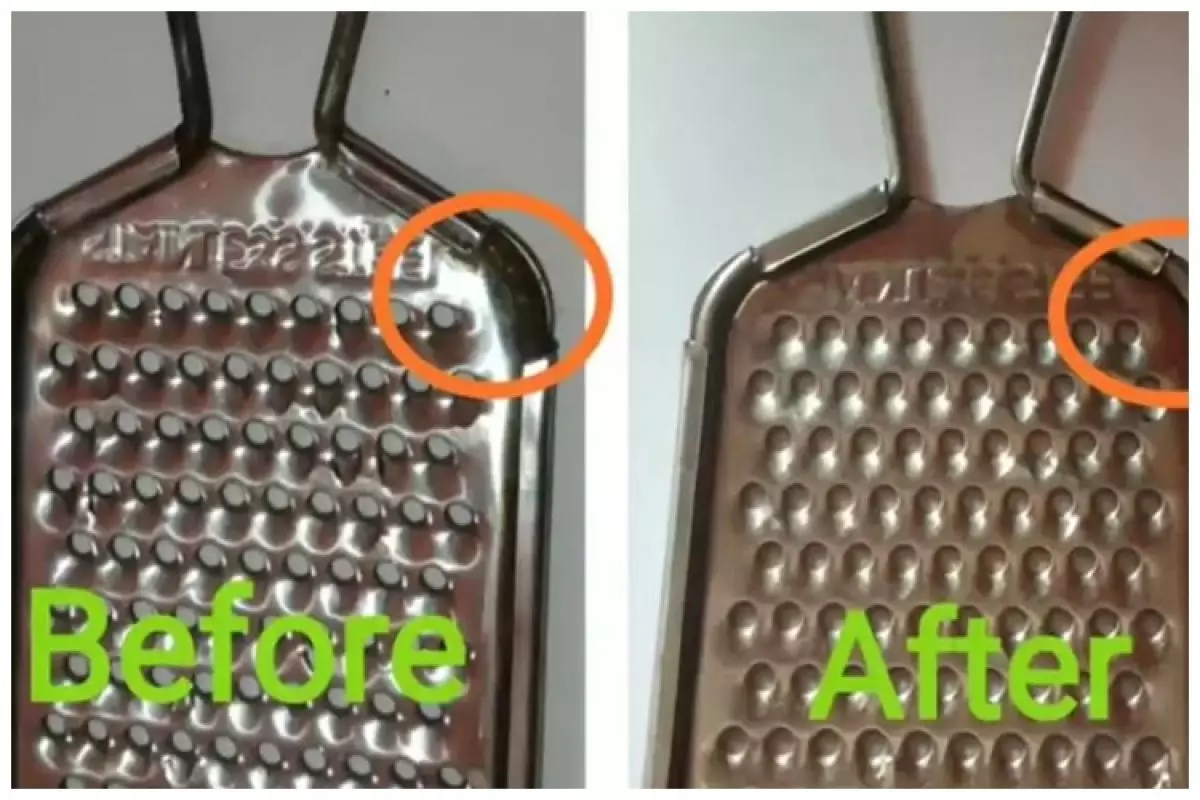
Neglecting your grater can cause rust and corrosion, especially if food particles are left to dry on the metal surface. This damages the grater permanently, leading to costly replacements. Have you ever had to toss a kitchen tool because it got rusty? It’s frustrating and avoidable.
Regular cleaning and proper drying prevent rust and keep your grater looking and working like new for years. Taking a few extra minutes now can save you money and hassle down the road.
Credit: en.brilio.net
Tools Needed For Cleaning
Cleaning a cheese grater properly needs the right tools. Using suitable items makes the process easier and faster. It helps remove stuck cheese bits and keeps the grater safe to use. Below are the essential tools you need to clean your cheese grater effectively.
Soft Brushes And Sponges
Soft brushes reach into tiny grater holes. They remove cheese without damaging the surface. Use a small brush with soft bristles for best results. Sponges help scrub away residues gently. Choose sponges that are non-abrasive to avoid scratches.
Dish Soap And Warm Water
Dish soap cuts through grease and cheese oils well. Warm water helps dissolve stuck pieces easily. Mix soap with warm water for better cleaning power. This combination sanitizes the grater and removes odors.
Optional Cleaning Aids
Sometimes extra tools speed up cleaning. Toothpicks or wooden skewers clear clogged holes gently. Baking soda works as a mild abrasive to tackle tough stains. Vinegar helps remove odors and disinfects the grater.
Step-by-step Cleaning Process
Keeping your cheese grater clean is essential not only for hygiene but also for maintaining its sharpness and efficiency. A good cleaning routine prevents old cheese bits from drying and clogging the tiny holes, which can be frustrating to remove later. Here’s a clear and practical guide to help you clean your grater effectively, right after use and beyond.
Rinsing Immediately After Use
Right after grating, rinse your cheese grater under warm running water. This helps wash away most of the fresh cheese before it sticks and hardens. Don’t wait too long—once the cheese dries, it becomes tougher to remove.
Hold the grater carefully to avoid cutting yourself. Let the water flow through both sides of the grater to flush out any trapped bits. Quick rinsing saves you a lot of scrubbing later.
Soaking For Stubborn Residue
If you notice cheese stuck stubbornly on the surface, soak the grater in warm, soapy water for about 10 to 15 minutes. This softens the residue, making it easier to clean.
Use a container deep enough to cover the entire grater. Adding a little vinegar or baking soda can help break down grease and cheese proteins faster. Soaking is your best friend when dealing with dried-on cheese.
Scrubbing Safely
After soaking, use a brush or sponge with a rough side to scrub the grater gently but thoroughly. Scrub along the direction of the blades to avoid injury and ensure you don’t damage the grater.
- A toothbrush or a vegetable brush works well to reach into tiny holes.
- Avoid using your fingers directly on the sharp edges.
- For plastic graters, a gentle scrub is enough to avoid scratches.
Have you ever cut yourself cleaning a grater? Taking these safety steps will help you avoid that painful mistake.
Rinsing And Drying Thoroughly
Once you’ve scrubbed away all residue, rinse the grater thoroughly under warm water to remove soap and loosened cheese particles. Make sure no soap is left behind as it can affect the taste of your next grated ingredient.
Dry the grater immediately using a clean towel or paper towels. Leaving it wet can lead to rust, especially if your grater is made of steel. Storing it dry keeps it ready for your next cooking adventure.
Tips For Hard-to-clean Graters
Cleaning a cheese grater can sometimes feel like an impossible task, especially when dealing with stubborn cheese residues that seem to cling on for dear life. But don't worry, there are tried and tested tips to tackle those hard-to-clean graters. Let's delve into some practical methods that can make the process easier and more efficient.
Using A Toothbrush For Precision
Have you ever thought of using a toothbrush to clean your cheese grater? It's a game-changer. The bristles are perfect for reaching into those tiny crevices where cheese loves to hide.
Simply run the toothbrush under warm water and give those tricky spots a good scrub. The best part? You probably already have an extra toothbrush at home, ready to be repurposed for this task.
Cleaning With Lemon Or Vinegar
Lemon and vinegar are not just for cooking; they are also excellent cleaning agents. Their natural acidity helps break down stubborn cheese residues with ease.
Rub a half-cut lemon directly over the grater or soak it in a solution of vinegar and water. These methods are not only effective but also leave your grater smelling fresh and clean.
Avoiding Damage To The Blades
It's crucial to maintain the sharpness of your grater's blades while cleaning. Avoid using abrasive scrubbers that could dull the edges.
Instead, opt for softer materials like a dishcloth or sponge, and always clean in the direction of the blades. This simple tip ensures your grater stays in top condition for years to come.
By incorporating these tips into your cleaning routine, you'll find that maintaining your cheese grater is less of a chore and more of a quick, satisfying task. What other kitchen tools could benefit from a similar approach?
Preventive Measures For Easier Cleaning
Keeping your cheese grater clean can be a simple task with the right habits. Taking preventive steps helps avoid stuck bits of cheese and saves time. These small actions make washing your grater much easier and keep it in good condition longer.
Grate Over A Plate Or Bowl
Grating cheese over a plate or bowl collects all the shreds in one place. This prevents cheese from falling everywhere. It also stops small pieces from sticking to your countertop. Cleaning becomes quicker and more organized.
Clean Grater Right After Use
Washing the grater immediately stops cheese from drying on it. Fresh cheese is easier to remove than dried bits. Use warm water and a brush or sponge for best results. Avoid waiting too long to clean it.
Store In A Dry Place
Keeping your grater dry stops rust and mold growth. After washing, dry it well with a towel or let it air dry. Store in a drawer or cupboard with good airflow. A dry grater lasts longer and stays hygienic.
Alternative Cleaning Methods
Cleaning a cheese grater can be tricky, especially when bits of cheese get stuck in the tiny holes. If scrubbing with a brush or sponge isn’t cutting it, alternative cleaning methods might save your time and effort. These techniques offer practical solutions that can make your grater spotless without the usual struggle.
Dishwasher Use Considerations
Not all cheese graters are dishwasher safe. Check the manufacturer's guidelines before tossing your grater into the dishwasher to avoid damaging the blades or handle.
If your grater is dishwasher friendly, place it securely on the top rack to prevent it from bending or dulling. Running it through a hot cycle can loosen stuck cheese, but heavily clogged graters may need pre-rinsing to avoid food buildup in the machine.
Freezing To Remove Stuck Cheese
Have you ever tried freezing your cheese grater? It sounds odd, but freezing hardens the cheese, making it easier to chip away.
Simply place the grater with the stuck cheese in the freezer for about an hour. After freezing, tap or brush off the hardened cheese with a firm brush or utensil—it often comes off effortlessly.
Using Baking Soda Paste
Baking soda is a gentle abrasive that can clean without scratching your grater. Mix baking soda with a little water to create a thick paste.
Apply the paste to the grater’s surface and let it sit for 10–15 minutes. Then, scrub gently with a brush or sponge, rinse thoroughly, and watch the grime disappear.
Credit: www.amazon.com
Frequently Asked Questions
How Do You Clean A Cheese Grater Quickly?
Rinse the grater immediately after use with warm water. Use a brush or sponge to remove stuck cheese. Dry it thoroughly to prevent rust. This quick method keeps your grater clean and ready for next use.
Can You Wash A Cheese Grater In A Dishwasher?
Yes, most stainless steel cheese graters are dishwasher safe. Place it securely in the utensil holder to avoid damage. Check the manufacturer’s instructions to confirm. Dishwasher cleaning saves time and ensures thorough sanitation.
What’s The Best Way To Remove Cheese Stuck In Grater Holes?
Soak the grater in warm, soapy water for 10 minutes. Use a toothbrush or small brush to dislodge cheese. Rinse and dry completely. This method prevents residue buildup and keeps the grater hygienic.
How Often Should You Wash Your Cheese Grater?
Wash your cheese grater after every use to avoid bacteria growth. Prompt cleaning also prevents cheese from hardening and clogging the holes. Regular washing maintains the grater’s efficiency and hygiene.
Conclusion
Cleaning a cheese grater does not have to be hard. Use warm water and soap right after use. A brush helps reach tiny holes and stuck cheese. Dry the grater well to stop rust. Regular cleaning keeps your grater safe and ready.
You save time and avoid bad smells this way. Simple steps make grater washing quick and easy. Keep your kitchen tools clean for better cooking. Try these tips to keep your grater fresh.