Is your refrigerator leaking water or smelling funky? The problem might be a clogged drain.
When your fridge’s drain gets blocked, it can cause water to pool inside or drip onto your floor. But don’t worry—fixing it is easier than you think. You’ll discover simple, step-by-step ways to unclog your refrigerator drain quickly. By the time you finish reading, you’ll have the confidence to tackle this common issue and keep your fridge running smoothly.
Let’s dive in and get your fridge back to perfect working order!
Signs Of A Clogged Refrigerator Drain
Recognizing the signs of a clogged refrigerator drain early can save you from bigger hassles down the road. Your fridge relies on a clear drain to keep excess moisture away from your food compartments. When this drain gets blocked, it can cause several noticeable issues that disrupt your daily kitchen routine.
Water Pooling Inside
Have you noticed small puddles of water collecting at the bottom of your fridge? This usually means the drain is clogged and water can’t flow out properly. Instead of draining away, moisture builds up and pools, creating a wet mess that can spoil food and damage shelves.
Check the drain hole inside your fridge for any visible blockages. Clearing this can often stop water from pooling and keep your fridge running smoothly.
Foul Odors
A clogged drain can trap food particles and moisture, creating a perfect environment for bacteria and mold to grow. This leads to unpleasant smells that can quickly spread inside your refrigerator. You might find the fridge smelling sour or musty, even after cleaning the surfaces.
Have you ever opened your fridge only to be hit by a strange odor? That’s a clear sign it’s time to inspect the drain and clean it out to prevent these smells from coming back.
Ice Build-up In Freezer
Ice forming in unusual spots inside your freezer, especially near the drain area, is another warning sign. A blocked drain can cause water to freeze instead of draining away, leading to thick ice patches. This ice build-up can reduce freezer efficiency and make it harder to store food.
If you find yourself defrosting your freezer more often than usual, consider checking the drain for clogs. Clearing it can help maintain optimal cooling and save energy.
Credit: www.temu.com
Tools And Materials Needed
Before you start unclogging your refrigerator drain, having the right tools and materials ready can make the job smoother and faster. Using common household items alongside a few specialized tools helps you tackle the clog effectively without unnecessary hassle.
Basic Household Items
Many times, you don’t need to buy anything special to clear your refrigerator drain. Simple items like warm water, baking soda, and vinegar work wonders to dissolve minor blockages and clean the drain line.
- Warm water:Helps flush out debris and thaw any ice build-up.
- Baking soda and vinegar:Create a natural cleaning reaction that breaks down gunk and neutralizes odors.
- Dish soap:Cuts through grease that might be clogging the drain.
- Old towels or rags:Essential for soaking up spills and keeping the area dry.
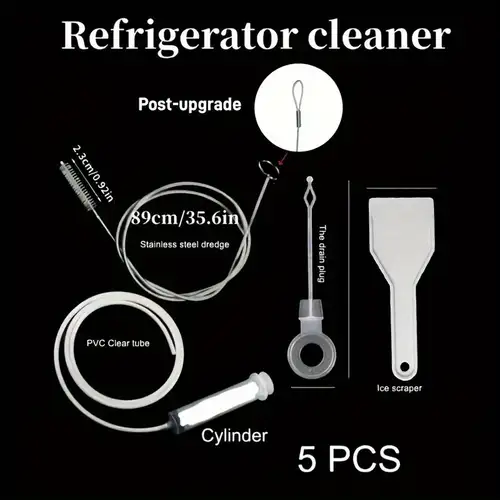
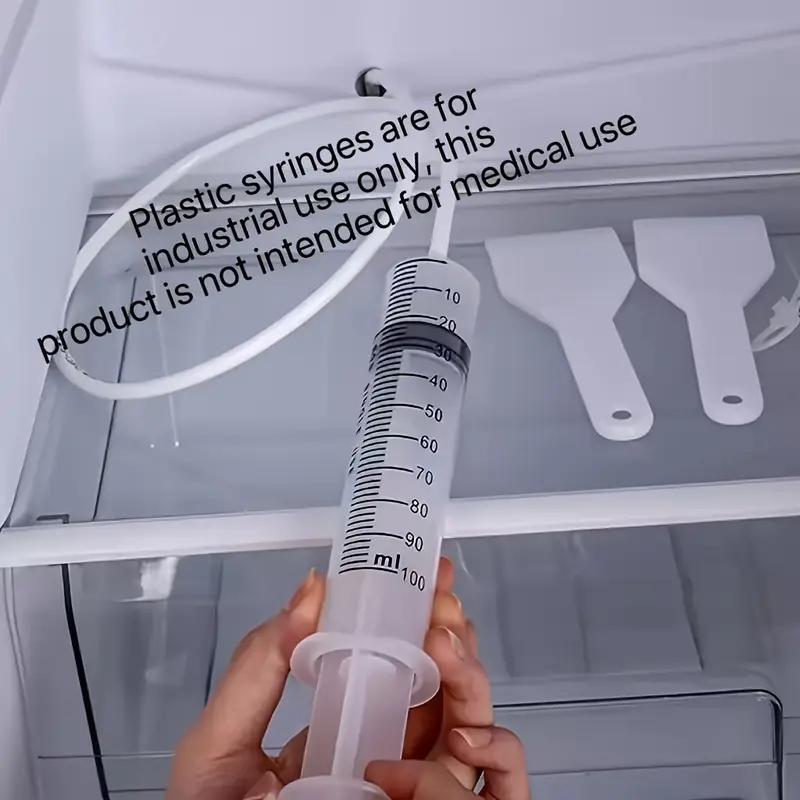
- A turkey baster or syringe:Useful for pushing warm water or cleaning solution into the drain opening.
Have you ever noticed how small spills or crumbs can slowly cause a hidden mess? These everyday items help you address the problem before it worsens.
Specialized Cleaning Tools
For tougher clogs or regular maintenance, specialized tools can save you time and effort. They’re designed to reach deep and clear stubborn blockages that household items alone can’t fix.
- Flexible drain snake or pipe cleaner:Easily navigates through narrow drain tubes to remove debris.
- Compressed air canister or air blower:Blasts out clogs and dries the drain line effectively.
- Small brush or bottle brush:Perfect for scrubbing inside the drain opening and tubes.
- Wet/dry vacuum:Helps suck out loosened dirt and water for a thorough clean.
Have you ever struggled to reach a tight spot in your fridge? These tools are designed to access those tricky areas without dismantling the entire appliance.
Step-by-step Drain Cleaning
Cleaning a refrigerator drain keeps your fridge working well. A clogged drain causes water to pool inside the fridge. This can lead to bad smells and even damage. Follow these clear steps to clean the drain and avoid problems.
Locate The Drain Hole
Open the fridge and find the drain hole. It is usually at the back or bottom inside the fridge. The hole collects water from defrosting ice. Check your fridge manual if you cannot find it. Make sure the area around the hole is visible and clear.
Clear Visible Debris
Look inside the drain hole for any dirt or food pieces. Use a soft cloth or a pipe cleaner to remove the debris. Avoid using sharp objects that might damage the drain. Clean gently to clear the way for water flow. Removing visible blockages helps prevent future clogs.
Flush The Drain With Warm Water
Pour warm water slowly into the drain hole. Use a cup or a syringe for control. Warm water dissolves grease and clears small clogs. Repeat this a few times to flush out the drain. Make sure the water flows freely without backing up.
Using Natural Solutions
Using natural solutions to unclog a refrigerator drain is safe and effective. These methods avoid harsh chemicals and protect your appliance. They also help maintain a clean, odor-free fridge environment. Simple ingredients found in most kitchens work well to clear blockages and keep the drain flowing smoothly.
Baking Soda And Vinegar Method
This method uses natural cleaning power to dissolve clogs. Start by mixing half a cup of baking soda with half a cup of vinegar. Pour the mixture slowly into the drain hole. Wait for 10 to 15 minutes as the fizzing action breaks down debris.
After waiting, flush the drain with hot water to clear loosened dirt. Repeat the process if the drain remains clogged. This method deodorizes and cleans without damaging pipes.
Salt And Hot Water Technique
Salt helps to scrub away buildup inside the drain. Mix two tablespoons of salt in a cup of hot water until dissolved. Pour the salty water directly into the drain opening.
Allow it to sit for 10 minutes to soften the clog. Then, flush the drain with more hot water to rinse out residue. This simple technique clears blockages and prevents future buildup naturally.
When To Use A Plumbing Snake
A plumbing snake is perfect for unclogging a refrigerator drain when water pools at the bottom. This tool reaches into tight spaces, removing stubborn debris effectively. Keep your fridge functioning smoothly by tackling clogs promptly with this handy device.
When your refrigerator drain is clogged, water can pool inside. This can cause odors and damage. One tool to consider is a plumbing snake. It helps reach and remove deep clogs. But when should you use it? Use a plumbing snake when common methods fail. If hot water or vinegar doesn't work, try the snake. It’s ideal for tough blockages.
Choosing The Right Snake
Select a snake that fits your refrigerator drain. A small, flexible snake works best. Avoid large or stiff ones. They can damage the drain. Check the material. A plastic or rubber snake is safer. Metal can scratch or break parts. Ensure the snake's length suits the drain's depth. Too short, and it won't reach. Too long, and it can tangle.
Safe Insertion Tips
Insert the snake gently into the drain. Apply slow, steady pressure. Avoid force. Force can break the drain. Twist the snake carefully. This helps grab the clog. Pull the snake out slowly. Check for debris on the snake. Repeat if needed. Always clean the snake after use. This prevents bacteria build-up.

Credit: www.amazon.co.uk
Preventing Future Clogs
Preventing future clogs in your refrigerator drain helps avoid water leaks and odors. Regular care keeps your fridge running smoothly. Small habits reduce buildup and blockages. Consistent attention saves time and money on repairs.
Regular Maintenance Tips
- Clean the drain hole monthly using warm water.
- Check for ice buildup around the drain area.
- Use a pipe cleaner or soft brush to clear debris.
- Defrost the fridge regularly to prevent ice blockages.
- Wipe spills inside the fridge immediately to avoid residue.
- Inspect and clean the drip pan under the fridge.
- Ensure the fridge is level to allow proper drainage.
Proper Food Storage Habits
- Store food in sealed containers to stop spills.
- Avoid placing hot food directly inside the fridge.
- Keep fruits and vegetables dry before storing.
- Check expiration dates and remove old items promptly.
- Don’t overload the fridge; air must circulate freely.
- Use fridge liners to catch drips and crumbs.
- Clean food containers before placing them inside.
When To Call A Professional
Knowing when to call a professional for a clogged refrigerator drain is key. Minor clogs can be fixed at home. But some blockages need expert help to avoid damage.
Calling a technician early can save time and money. It also protects your fridge from serious issues. Learn the signs that show a professional is needed. Understand repair costs and important factors before deciding.
Signs Of Serious Blockages
- Water pooling inside or under the fridge.
- Strong, unpleasant odors coming from the drain area.
- Repeated ice buildup around the freezer or fridge walls.
- Drain cleaning attempts fail to stop leaking or clogging.
- Unusual noises from the fridge’s drainage system.
- Fridge temperature fluctuates despite normal settings.
Repair Costs And Considerations
Professional drain cleaning usually costs between $100 and $250.
Severe blockages or damaged parts can increase prices. Parts like drain tubes or pans may need replacement.
Consider warranty coverage before repairs. Using a certified technician keeps warranties valid.
Think about your fridge’s age. Older models might need more frequent repairs.
Sometimes, replacing the refrigerator is more cost-effective than fixing major problems.
Credit: www.temu.com
Frequently Asked Questions
How Do I Know If My Refrigerator Drain Is Clogged?
Signs include water pooling inside, bad odors, or frost buildup. These indicate a blocked drain causing improper water flow.
What Tools Are Needed To Unclog A Refrigerator Drain?
You typically need warm water, baking soda, a turkey baster, and a pipe cleaner or thin brush to clear the clog.
Can I Use Chemical Cleaners To Unblock The Drain?
Avoid harsh chemicals; they can damage your refrigerator’s drainage system. Use natural solutions like warm water and baking soda instead.
How Often Should I Clean The Refrigerator Drain?
Clean the drain every 3-6 months to prevent clogs and maintain proper drainage and hygiene inside your fridge.
Conclusion
Clearing a refrigerator drain keeps your fridge working well. Clogged drains cause water leaks and bad smells. Regular cleaning stops these problems early. Use simple tools like warm water and a small brush. Take your time and be gentle. This small task saves money on repairs later.
A clean drain means a fresher fridge. Try these steps to keep your fridge dry and fresh. Easy to do, and worth the effort. Your fridge will thank you.