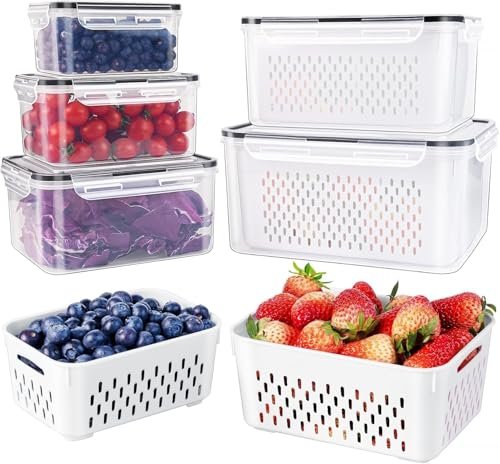
Have you ever wished your freezer could double as a fridge when you need more fresh storage space? Turning your freezer into a refrigerator is easier than you might think—and it can save you money and space.
Imagine having extra room to keep your fruits, veggies, and drinks cool without buying a new appliance. In this guide, you’ll discover simple steps to make this switch quickly and safely. Ready to unlock new possibilities with your freezer? Keep reading to find out how.
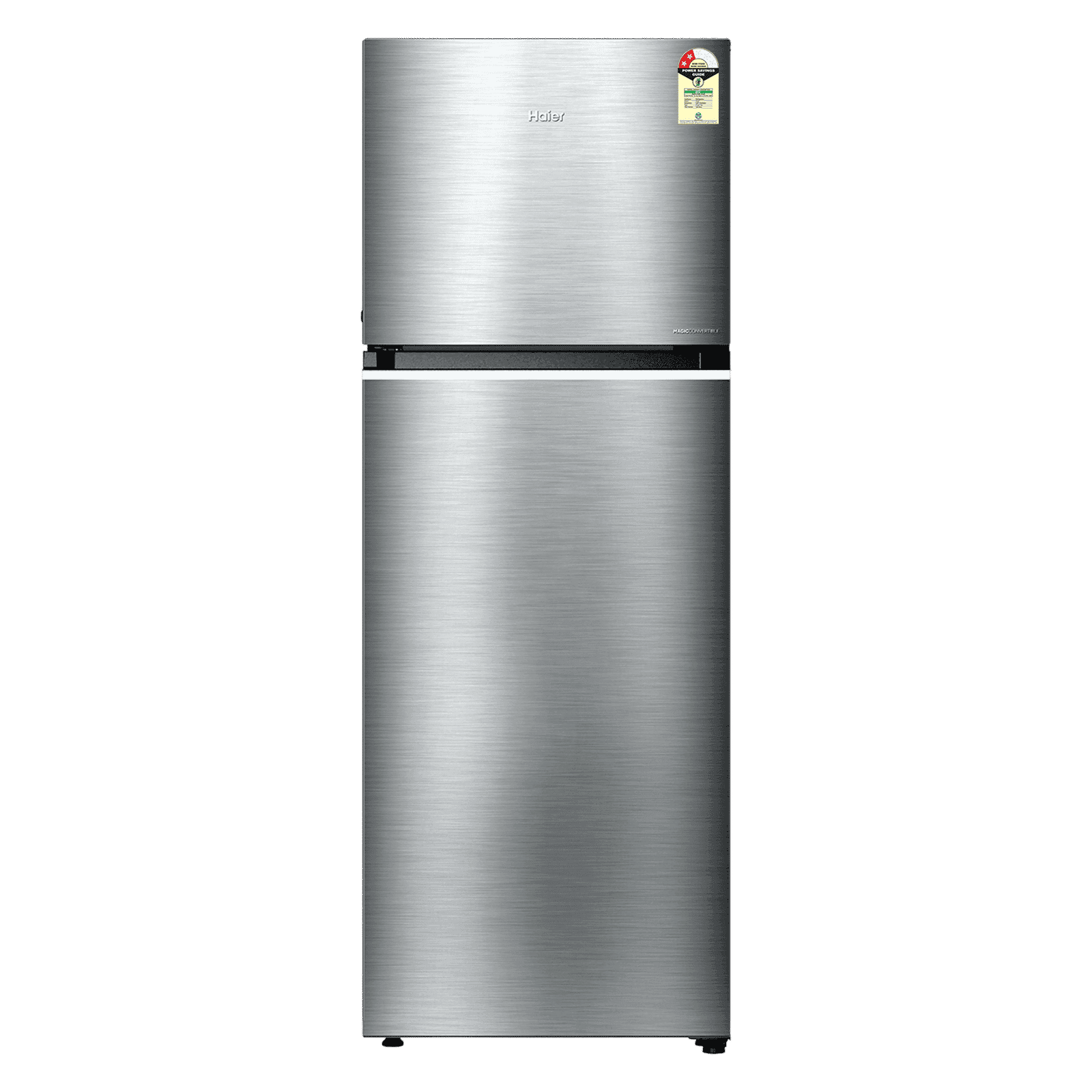
Credit: www.tataneu.com
Why Convert A Freezer
Have you ever found yourself with a freezer that's barely used or an extra one taking up space? Instead of letting it gather dust, converting it into a refrigerator can be a smart move. This change can save you money, improve your kitchen’s functionality, and give new life to an old appliance.
Benefits Of Conversion
Turning your freezer into a refrigerator offers several practical advantages. First, it reduces energy consumption compared to running two separate appliances. Freezers typically use more energy, so adjusting the temperature settings can lower your electricity bill.
Second, it adds versatile storage space for items that don’t require freezing but need to stay cool. This is especially useful if your main fridge is overcrowded or if you want to store beverages, fruits, or leftovers separately.
Lastly, converting is often cheaper than buying a new refrigerator. You avoid the expense of purchasing and transporting a new unit while extending the life of your current appliance.
Common Use Cases
Many people find themselves needing extra fridge space in specific situations. For example, growing families often need more room for fresh food as their grocery needs increase. Instead of buying a second fridge, converting a freezer can be a cost-effective solution.
Another common scenario is during parties or holidays when you need additional space to chill drinks and store prepared dishes. A converted freezer can act as a dedicated beverage or buffet fridge, making hosting easier.
Small business owners, like caterers or bakers, also benefit from this conversion. It allows them to separate frozen goods from refrigerated items without investing in multiple appliances.
Could your freezer serve you better as a fridge, freeing up space and reducing energy costs? Thinking about how you use your kitchen might reveal surprising opportunities for this simple change.
Tools And Materials Needed
Before you start turning your freezer into a refrigerator, gathering the right tools and materials is crucial. Having everything ready will save you time and prevent unnecessary frustration. It also ensures your project runs smoothly and safely.
Essential Tools
- Screwdrivers:Both Phillips and flathead screwdrivers are necessary for removing panels and screws.
- Multimeter:To check electrical connections and ensure safety during modifications.
- Wire Cutters and Strippers:For handling electrical wires cleanly and safely.
- Thermostat Tester:Helps verify that your new thermostat settings are accurate.
- Drill with Bits:Useful for making any additional holes or securing components.
- Flashlight:Provides better visibility inside dark areas of the freezer.
Do you have a dedicated workspace for your project? Setting up a clean and organized area makes a significant difference. It allows you to keep tools within reach and prevents losing small parts.
Required Materials
- Temperature Controller Thermostat:This device will regulate the temperature to refrigerator levels instead of freezing.
- Extension Cords or Wiring:Depending on your setup, you might need extra wiring to connect new components.
- Insulation Tape:For securing electrical connections safely after modifications.
- Replacement Gasket (Optional):If your freezer door seal is not airtight enough for refrigeration temperatures.
- Silicone Sealant:To seal any gaps you find during your conversion process.
Have you checked the compatibility of the thermostat with your freezer model? Not all controllers work perfectly with every appliance. Double-checking this early can save you a lot of hassle later on.
Preparing The Freezer
Preparing your freezer to become a refrigerator means setting a clean, functional base. It’s not just about switching settings; the freezer needs a fresh start to work efficiently as a fridge. Taking time to prepare properly helps avoid issues like bad smells or poor cooling later on.
Cleaning And Defrosting
Start by unplugging the freezer and removing all items inside. Let the freezer defrost naturally—this can take several hours, so plan accordingly. Use a soft cloth and mild soap to wipe down every surface once the ice has melted.
Make sure to clean the door seals too; dirt there can cause air leaks and reduce efficiency. Avoid harsh chemicals that might damage the surfaces. How often do you really clean your freezer? This step is crucial to keep odors from lingering when it becomes a fridge.
Removing Seals And Components
Some freezers have seals or parts that only work for freezing and might interfere with refrigeration. Check your model’s manual or look for removable components like extra door gaskets or ice trays. Removing unnecessary parts can help the freezer run better as a fridge.
Be gentle when taking off seals to avoid damage. Keep the parts in case you want to switch back later. Have you noticed any parts inside your freezer that seem out of place for a refrigerator? Identifying these early can save frustration down the line.
Adjusting The Thermostat
Adjusting the thermostat is a crucial step when converting your freezer into a refrigerator. It controls the temperature and ensures your food stays fresh without freezing. Understanding how to find and modify these settings can save you from spoiled groceries and unnecessary energy costs.
Locating The Control Dial
First, you need to locate the thermostat control dial inside your freezer. Most freezers have this dial near the top or along the side wall. It’s usually a small, round knob that might be labeled with numbers or simple temperature ranges.
If you can’t see a dial, check the back panel or inside the door. Sometimes, it’s hidden behind a plastic cover that you can easily remove. Have you noticed how often this small dial gets overlooked? Finding it is half the battle.
Modifying Temperature Settings
Once you find the control dial, you can start adjusting the temperature. Freezers typically operate at 0°F (-18°C), but refrigerators work best between 35°F and 38°F (1.7°C to 3.3°C). Turn the dial toward a warmer setting, usually marked by lower numbers or “warmer” labels.
Adjust in small increments and wait 24 hours to see the temperature change. This gives your appliance time to stabilize and prevents over-adjustment. Have you ever set a temperature and found your food too cold or too warm? Patience is key here.
Keep a fridge thermometer inside to monitor the actual temperature. This simple tool helps you fine-tune the settings accurately without guesswork. Your freezer can serve as a reliable refrigerator with just a few careful tweaks.
Adding Ventilation
Improve airflow by adding ventilation to your freezer. This helps maintain optimal temperature for converting it into a refrigerator.
Adding proper ventilation is crucial when converting a freezer into a refrigerator. Airflow ensures the appliance maintains a consistent temperature. This adjustment helps in energy efficiency. It also prevents food from spoiling. Without proper ventilation, cold air cannot circulate. This can lead to uneven cooling. Below, we explore why airflow matters and how to install vent holes.
Importance Of Airflow
Airflow is essential for temperature stability. It allows cool air to move freely. This prevents hot spots inside the unit. Proper airflow also reduces moisture buildup. Excess moisture can lead to frost. Frost can damage the appliance and its contents. Ensuring good airflow extends the life of your converted refrigerator.
Installing Vent Holes
Vent holes help in maintaining airflow. They allow warm air to escape. This is important for energy efficiency. To install vent holes, first identify the right spots. Usually, the sides or back are ideal. Use a drill to make small holes. Ensure they are evenly spaced. This helps distribute air evenly. Check that the holes are not blocked. Regular maintenance keeps airflow optimal.
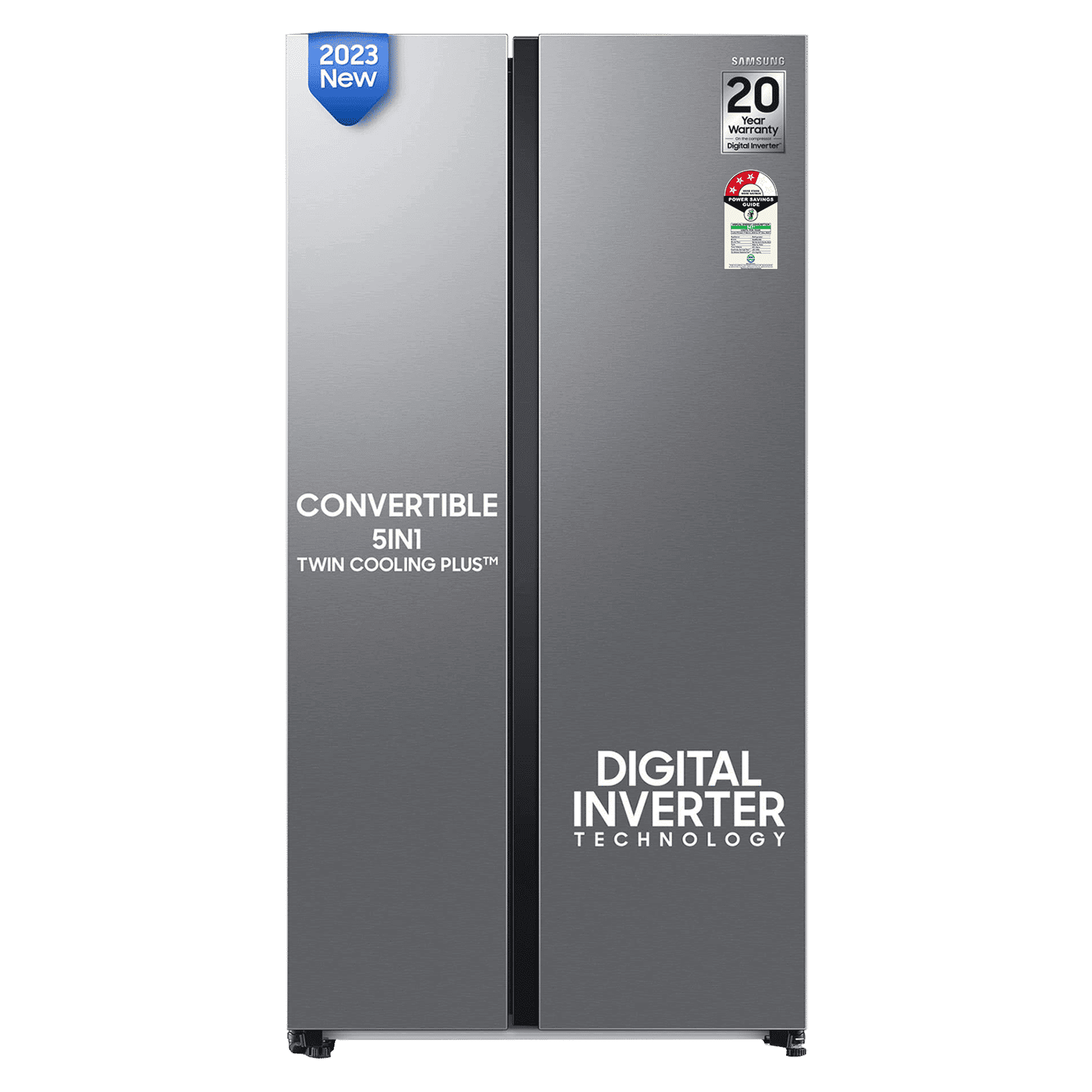
Credit: www.tataneu.com
Testing The Conversion
After you’ve adjusted your freezer to work as a refrigerator, the real test begins. Ensuring the appliance maintains the right temperature is crucial for keeping your food safe and fresh. Testing the conversion thoroughly helps you catch any issues early and fine-tune the settings for optimal performance.
Monitoring Temperature
Use a reliable thermometer to track the temperature inside your converted appliance. Place it in different spots—near the door, in the middle, and close to the back—to get an accurate overview.
Check the temperature several times a day over a few days. Your goal is to keep it between 35°F and 40°F (1.6°C to 4.4°C), the ideal range for a refrigerator.
If the temperature doesn’t stay stable, note the fluctuations and consider whether external factors like room temperature or frequent door openings are affecting it.
Troubleshooting Common Issues
If your converted freezer struggles to maintain the right temperature, don’t panic. Start by double-checking your thermostat settings; sometimes small adjustments can make a big difference.
Listen for unusual noises that may indicate the compressor is working too hard or not at all. Also, check the door seals to ensure they are airtight—any gaps can cause temperature drops or rises.
Have you ever thought about how the placement of items inside affects airflow? Overcrowding can block vents, causing uneven cooling. Try rearranging your contents to improve circulation and observe if the temperature stabilizes.
Maintenance Tips
Keeping your freezer-turned-refrigerator in top shape takes more than just flipping a switch. Regular maintenance ensures it runs efficiently and extends its lifespan. Let’s look at some practical tips you can use to maintain your appliance effectively.
Regular Cleaning
Clean your appliance inside and out to avoid bad odors and bacteria growth. Wipe down shelves and walls with a mixture of warm water and mild soap every couple of weeks. Avoid harsh chemicals that can damage surfaces or leave harmful residues.
Don’t forget to clean the door gasket—the rubber seal that keeps cold air in. Dirt or mold buildup can cause the door to not close properly, making your unit work harder and waste energy. A quick scrub with a soft cloth and a vinegar-water solution works wonders.
Ensuring Efficient Operation
Check the temperature settings regularly to keep your converted freezer at the ideal fridge temperature, typically between 35°F and 38°F (1.6°C to 3.3°C). Too cold wastes energy; too warm risks food spoilage.
Keep the coils clean by dusting or vacuuming them every few months. Dirty coils force the compressor to work overtime, increasing electricity bills and reducing efficiency. Have you noticed your appliance running louder or longer than usual? That’s a sign coils may need attention.
Also, avoid overloading your fridge. Proper air circulation inside helps maintain consistent cooling. Think about how you arrange your items—does everything allow air to flow freely? This simple habit can make a big difference.

Credit: www.dtappliance.com
Frequently Asked Questions
How Can I Convert A Freezer Into A Refrigerator?
To convert a freezer, adjust the thermostat to a higher temperature. Remove any freezer-specific features. Monitor the temperature until it stabilizes between 35-40°F (2-4°C) for safe refrigeration.
Is It Safe To Use A Freezer As A Refrigerator?
Yes, it’s safe if the temperature is properly controlled. Ensure it stays above freezing to prevent food from freezing and maintain freshness.
What Temperature Should I Set For A Freezer-turned-refrigerator?
Set the temperature between 35°F and 40°F (2°C to 4°C). This range keeps food fresh without freezing it.
Will Converting A Freezer Affect Energy Consumption?
Converting may increase energy use because freezers are designed for colder temps. However, adjusting the thermostat reduces power compared to normal freezer settings.
Conclusion
Turning a freezer into a refrigerator can save money and space. Adjusting the temperature control is key for safe cooling. Keep checking food to ensure it stays fresh and safe. This simple change helps meet your storage needs easily. Try it yourself and enjoy the extra fridge space today.