If you love the rich, smoky flavor of barbecue, you don’t need to buy a fancy smoker to get it. You can easily turn your charcoal grill into a smoker and enjoy mouth-watering, slow-cooked meals right at home.
Imagine impressing your friends and family with tender, flavorful meat that melts in your mouth—all from a grill you already own. You’ll discover simple steps and expert tips to transform your charcoal grill into a perfect smoker. Keep reading, and soon you’ll be creating delicious smoked dishes that everyone will crave.
Credit: www.theguardian.com
Choosing The Right Charcoal Grill
Choosing the right charcoal grill sets the foundation for a great smoking experience. Not all grills work well as smokers. The right grill holds heat steady and controls airflow. It should also offer enough space for wood chips or chunks to add smoke flavor. This choice impacts how well you can maintain low temperatures for hours.
Types Of Charcoal Grills
Charcoal grills come in many shapes and styles. The most common types are kettle grills, barrel grills, and ceramic grills. Kettle grills have a round shape and a lid. They are easy to use and popular for smoking. Barrel grills are longer and provide more cooking space. Ceramic grills keep heat very well and offer excellent temperature control. Each type has pros and cons for smoking.
Size And Capacity Considerations
Size matters when using a grill as a smoker. A larger grill allows for more food at once. It also helps keep the heat steady over long periods. Small grills might heat up too fast or lose heat quickly. Think about how many people you usually cook for. Also, consider the space where you will place the grill. Choose a grill size that fits your needs and your space.
Essential Tools And Accessories
Turning a charcoal grill into a smoker needs more than just charcoal and wood. Essential tools and accessories make the process easier and improve the flavor of your food. These items help control temperature, add smoke, and keep your cooking steady.
Thermometers
Thermometers are a must for smoking. They keep track of the grill’s temperature and the meat’s internal heat. Use a built-in grill thermometer and a separate meat probe for best results. This helps avoid undercooked or overcooked food. Accurate temperature control is key to good smoking.
Smoker Box Or Foil Pack
A smoker box holds wood chips and releases smoke slowly. It sits on the grill grates above the charcoal. If you don’t have a smoker box, use a foil pack. Simply wrap wood chips in aluminum foil and poke holes on top. Both options help create steady smoke without burning the chips quickly.
Wood Chips Selection
Choose the right wood chips for flavor. Different woods give different tastes. Fruit woods like apple and cherry add sweet, mild smoke. Hickory and mesquite offer stronger, bold flavors. Soak wood chips in water for 30 minutes before use. This makes them smoke longer and burn slower.
Preparing Your Charcoal Grill
Preparing your charcoal grill properly is key to turning it into a reliable smoker. Careful setup ensures better heat control and smoke flow. This creates the perfect environment for slow cooking and rich smoky flavors.
Start by making sure your grill is clean and well-maintained. Then adjust the vents carefully to control airflow. These steps lay the foundation for successful smoking.
Cleaning And Maintenance
Remove old ashes and leftover charcoal from the grill. Clean the cooking grates with a wire brush to remove grease and debris. Wipe down the inside of the lid and bowl to clear soot buildup.
Check for rust spots and apply a light coat of cooking oil to protect metal parts. Ensure the grill’s seals are intact to keep smoke from escaping. Proper cleaning helps maintain even heat and prevents unwanted flavors.
Vent Adjustments
Control airflow by adjusting the grill’s vents. Open vents allow more oxygen, increasing the heat. Close vents reduce oxygen, lowering the temperature.
For smoking, keep the bottom vents mostly open to feed the fire. Partially close the top vents to trap smoke inside the grill. This balance helps maintain a steady, low temperature ideal for smoking.
Practice adjusting vents to find the right airflow for your grill model. Small changes can affect cooking time and smoke intensity. Proper vent control is essential for consistent results.
Setting Up For Smoking
Setting up a charcoal grill for smoking requires some changes from regular grilling. The goal is to cook food slowly with indirect heat and smoke. This setup keeps the temperature low and steady. It also allows smoke to flow around the food for better flavor.
Arranging Charcoal
Place charcoal on one side of the grill to create heat without direct flames. Use enough charcoal to keep the temperature around 225°F to 275°F. Light the charcoal and let it burn until covered with white ash. This arrangement helps cook food slowly and evenly.
Adding Wood Chips
Soak wood chips in water for about 30 minutes before use. Drain them and scatter over the hot charcoal. Choose mild woods like apple or cherry for a gentle smoke flavor. Avoid too many chips to prevent bitter smoke. Replace chips every hour for steady smoke.
Creating A Two-zone Fire
Set up two zones on the grill: one with hot coals and one without. Place food on the cooler side, away from direct heat. This lets the food cook slowly and absorb smoke. Keep the grill lid closed to trap heat and smoke inside. Open vents slightly to control airflow and temperature.
Temperature Control Techniques
Keeping a steady temperature is the key to turning your charcoal grill into a reliable smoker. Controlling heat isn’t just about adding or removing charcoal; it’s about managing airflow and moisture inside the grill. These two elements work hand in hand to create the perfect smoking environment.
Managing Airflow
Airflow controls the fire’s oxygen supply, which directly affects how hot your charcoal burns. You’ll find vents on both the bottom and top of your grill—adjusting these changes the temperature quickly and efficiently.
Opening the bottom vent lets more oxygen in, making the fire burn hotter. Closing it slows the burn and lowers the temperature. The top vent controls how much smoke and heat escape, which helps you fine-tune the cooking environment.
Try small adjustments first. If you open the bottom vent halfway and the top vent a quarter, check the temperature after 10 minutes. Did it rise or fall? Adjust accordingly until the temperature stabilizes where you want it.
Using Water Pans
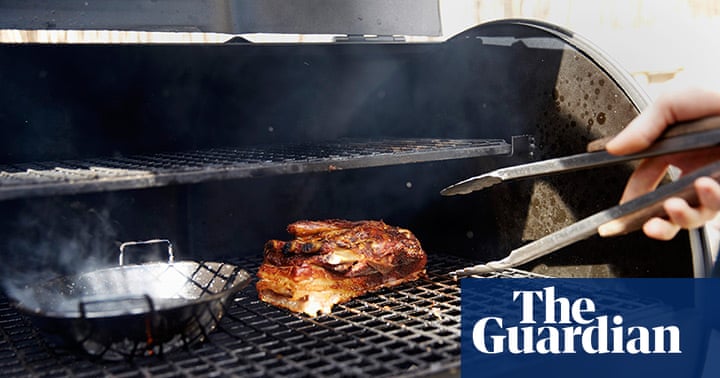
A water pan adds moisture to the cooking space, which keeps your meat juicy and helps regulate temperature fluctuations. Placing a shallow pan of water above the charcoal but below the cooking grate absorbs heat and releases steam slowly.
This steam acts like a buffer, preventing temperature spikes that can dry out your food. It also helps distribute heat more evenly inside the grill, making your smoking results more consistent.
Make sure to check the water level regularly, especially during long smokes. If the water evaporates completely, you’ll lose that temperature cushion and risk drying out your meat. Have you ever noticed how your meat turned out better on a rainy day? That’s the moisture working in your favor.
Credit: www.theguardian.com
Smoking Techniques And Tips
Smoking on a charcoal grill changes the flavor and texture of meat. It requires control, patience, and the right techniques. Keep smoke steady and meat moist for the best taste. Understanding these tips will improve your smoking results.
Choosing The Right Meats
Pick meats that do well with slow cooking. Cuts like brisket, pork shoulder, ribs, and chicken are great. These meats become tender and flavorful after long smoking. Avoid lean cuts; they dry out quickly.
Monitoring Smoke Levels
Smoke should be thin and blue, not thick and white. Thick smoke can make meat taste bitter. Use hardwood chunks or chips for clean smoke. Keep a close watch on smoke during the cook. Adjust charcoal or vents to control smoke flow.
Timing And Patience
Smoking is a slow process. It often takes several hours to cook meat properly. Resist the urge to open the grill too often. Each time you open it, heat and smoke escape. Let the meat cook low and slow for the best texture.
Troubleshooting Common Issues
Turning your charcoal grill into a smoker is exciting, but it often comes with a few hurdles. Knowing how to handle common problems can save you frustration and improve your smoking results. Let's tackle two issues many face: temperature fluctuations and bitter smoke.
Temperature Fluctuations
Keeping a steady temperature is key to smoking success, yet your grill might feel like it has a mind of its own. Sudden spikes or drops can dry out meat or leave it undercooked.
Check your air vents first—too open and the fire burns too hot, too closed and it might die out. Adjust slowly and watch the thermometer closely. It helps to use a water pan inside the grill; it stabilizes heat and adds moisture.
Ever tried using a digital thermometer with a remote probe? It lets you monitor temps without opening the lid, which is critical since every time you open it, heat escapes.
Overcoming Bitter Smoke
Bitter smoke can ruin hours of slow cooking. It often happens when the charcoal or wood smolders instead of burning cleanly.
Make sure your charcoal is fully lit and covered in white ash before you start smoking. Using damp or green wood is a common culprit for harsh smoke flavors; always choose dry, seasoned wood chunks.
Have you noticed a chemical or plastic-like smell? That could mean your wood was treated or contaminated. Avoid these at all costs—stick to natural hardwoods like hickory, apple, or cherry.
If bitterness persists, try raising the grill’s temperature slightly. A hotter fire often produces cleaner smoke and can improve flavor.
Safety Tips For Smoking
Smoking food on a charcoal grill can be fun and rewarding. Safety is key to enjoy the process without harm. Follow these tips to keep your smoking experience safe and smooth.
Handling Charcoal Safely
Always use gloves when handling hot charcoal. Avoid touching charcoal with bare hands to prevent burns. Use long-handled tools to move charcoal inside the grill. Store charcoal in a cool, dry place away from children and pets. Never add lighter fluid to hot or warm charcoal. Keep a bucket of water or fire extinguisher nearby in case of emergencies.
Avoiding Overheating
Maintain a steady, low temperature for smoking. Use vents to control airflow and heat inside the grill. Never leave the grill unattended during smoking. Avoid piling too much charcoal at once, as it can cause flare-ups. Use a thermometer to monitor grill temperature closely. Allow the grill to cool completely before cleaning or storing it.

Credit: www.amazon.com
Frequently Asked Questions
How Do I Convert A Charcoal Grill Into A Smoker?
To convert a charcoal grill into a smoker, use indirect heat. Arrange charcoal on one side and place a water pan on the other. Add wood chips for smoke flavor. Control airflow to maintain low temperatures around 225-250°F for effective smoking.
What Wood Chips Work Best For Smoking On A Grill?
Hickory, apple, cherry, and mesquite wood chips are popular. Each adds a distinct smoky flavor to your food. Soak the chips in water for 30 minutes before use to create steady smoke. Choose wood chips based on the meat you’re smoking.
How Long Should I Maintain Smoke When Using A Charcoal Grill?
Maintain smoke for the entire cooking time, which varies by meat type. Generally, keep consistent smoke for 2 to 6 hours. Keep charcoal and wood chips replenished as needed to sustain smoke and temperature. Proper airflow control ensures steady smoking.
Can I Use A Charcoal Grill Smoker For All Meats?
Yes, a charcoal grill smoker works well for various meats like ribs, brisket, chicken, and pork. Adjust smoking time and wood chips based on the meat. Low and slow cooking enhances flavor and tenderness in all types of smoked meats.
Conclusion
Turning a charcoal grill into a smoker takes some simple steps. Control the heat and add wood chips for smoke flavor. Keep the grill lid closed to keep the smoke inside. Watch the temperature often to keep food cooking slow and steady.
With practice, you can enjoy tasty smoked meals at home. It saves money and adds fun to your outdoor cooking. Try it out and see how great smoked food tastes. Smoking with a charcoal grill brings new flavors to your backyard.