Are you tired of ending up with watery beef stew in your slow cooker? You’re not alone.
A thick, hearty stew is what makes every bite satisfying and comforting. But how do you get that perfect, rich texture without extra fuss? You’ll discover simple, effective ways to thicken your beef stew right in the slow cooker. These tips will help you turn your stew into a delicious, stew that feels like a warm hug on a chilly day.
Keep reading, and you’ll never settle for a runny stew again.
Choosing The Right Ingredients
Choosing the right ingredients shapes the texture and flavor of your beef stew. The slow cooker breaks down tough cuts and melds flavors over time. Ingredients that naturally thicken the stew help create a rich, hearty meal. Pay attention to your beef, vegetables, and broth for the best results.
Selecting Beef Cuts
Pick beef cuts with plenty of connective tissue. These include chuck roast, brisket, and round. They become tender and release gelatin when cooked slowly. Gelatin adds natural thickness and a silky mouthfeel to the stew. Avoid lean cuts like sirloin or tenderloin. They cook quickly and won’t thicken the stew well.
Vegetables That Add Thickness
Root vegetables and starchy options boost stew thickness. Potatoes, carrots, and parsnips soften and release starches. These starches help thicken the liquid naturally. Onions also break down and add body to the stew. Avoid watery vegetables like zucchini. They can thin the stew instead of thickening it.
Using Broth And Stock
Choose rich beef broth or homemade stock for the base. Stock contains collagen that turns into gelatin during cooking. This gelatin thickens the stew without extra flour or cornstarch. Avoid watery broth or low-quality store brands. They lack the depth and thickness needed for a hearty stew.
Natural Thickening Methods
Natural thickening methods can transform your beef stew into a rich, hearty dish without relying on processed thickeners. These techniques enhance the stew’s texture while deepening its flavor. They also allow you to maintain a wholesome, homemade feel that many stews miss when thickened artificially.
Cooking Time And Temperature Effects
Slow cookers excel at breaking down tough meat fibers and releasing natural gelatin, which thickens the stew naturally. Cooking your stew on low heat for a longer time encourages collagen in the beef to dissolve, creating a silky, thicker broth.
Have you noticed how quickly thickening happens when you switch from high to low heat? Lower temperatures give ingredients time to meld and thicken without evaporating too much liquid too fast. This balance is key to achieving the perfect stew consistency.
Reducing Liquid Through Slow Cooking
Sometimes the stew is just too watery because there’s too much liquid. One way to solve this is by removing the lid during the last hour of cooking to let excess moisture evaporate.
This simple step concentrates flavors and thickens the broth naturally. Be cautious not to leave the lid off too long or the stew might dry out. A good tip is to check every 15 minutes until you reach the desired thickness.
Incorporating Starchy Vegetables
Adding starchy vegetables like potatoes, carrots, or parsnips can help thicken your stew as they cook down and release natural starches. These veggies not only boost the stew’s body but also add depth to its flavor profile.
For a thicker texture, cut the potatoes into smaller chunks or even mash some of them directly into the stew towards the end of cooking. This creates a creamy, velvety consistency without needing extra thickeners.
Adding Thickeners
Adding thickeners to beef stew in a slow cooker helps achieve the perfect texture. Stews can sometimes turn out too thin or watery. Using thickeners improves the stew’s consistency and makes it more satisfying. Several options work well, each giving a slightly different texture and finish.
Using Flour Or Cornstarch Slurry
A slurry is a simple mix of flour or cornstarch with cold water. Mix 1 to 2 tablespoons of flour or cornstarch with an equal amount of cold water until smooth. Stir the slurry into the stew during the last 30 minutes of cooking. The heat will activate the thickener, making the stew richer and thicker. Flour adds a slight cloudiness, while cornstarch gives a clear, glossy finish.
Adding Instant Mashed Potato Flakes
Instant mashed potato flakes are a quick thickening option. Sprinkle 1 to 2 tablespoons into the stew and stir well. The flakes absorb liquid and swell, thickening the stew naturally. This method also adds a subtle potato flavor. Use small amounts to avoid a gummy texture. It’s a good choice for a creamy, hearty stew.
Incorporating Arrowroot Or Tapioca
Arrowroot and tapioca are natural thickeners that create a smooth texture. Mix 1 tablespoon of arrowroot or tapioca powder with cold water to form a slurry. Add it to the stew near the end of cooking and stir gently. These thickeners work well at lower temperatures and give a glossy look. Avoid boiling after adding them to keep the thickness perfect.

Credit: food52.com
Techniques To Avoid
Avoid adding flour or cornstarch too early, as they can break down and lose thickening power. Overcooking after thickening may make the stew watery again.
Cooking beef stew in a slow cooker can be a delightful experience, but achieving the perfect thickness can be tricky. While there are many ways to thicken your stew, there are also techniques to avoid. Steering clear of these common pitfalls will ensure your stew is both delicious and visually appealing.
Why Not To Add Too Much Liquid
Adding too much liquid is a common mistake when making beef stew. Remember, the slow cooker traps moisture, so the liquids don’t evaporate as they would on a stovetop. Start with less liquid than you think you need. You can always add more later if necessary. Too much broth or water can turn your stew into soup. It can dilute the flavors, making your dish taste bland. Aim for a consistency that gently coats the back of a spoon.
Avoiding Overcooking Meat
Overcooked meat can ruin the texture of your stew. It's easy to fall into the trap of thinking that longer cooking times always result in more tender meat. However, slow cooking for too long can make the beef dry and stringy. Set a timer to check on your stew halfway through the cooking process. This way, you can ensure your meat is cooked just right without turning mushy. Use a meat thermometer to check the internal temperature if you're unsure.
Preventing Clumps In The Stew
Clumps can form when thickening agents like flour or cornstarch aren't incorporated properly. To prevent this, always mix your thickening agent with a bit of cold water before adding it to the stew. This simple step ensures a smooth, lump-free consistency. Stir the mixture thoroughly into your stew, spreading it evenly. Remember, it's easier to add more thickener than to fix a stew that's too thick. What are your go-to tips for getting the perfect stew consistency? Share your thoughts in the comments!
Final Touches For Perfect Texture
Getting the perfect texture for your beef stew in a slow cooker involves a few final steps. After thickening, the stew needs a careful balance of flavors and thoughtful serving ideas to shine. These final touches help make every bite comforting and rich.
Adjusting Seasoning After Thickening
Thickening can mute flavors in the stew. Taste it carefully. Add salt or pepper in small amounts to enhance the taste. Consider a splash of vinegar or a pinch of sugar to balance flavors. Fresh herbs like parsley or thyme brighten the dish. Stir well and heat gently to blend the seasonings. Avoid over-seasoning; flavors should stay natural and balanced.
Serving Suggestions For Thick Stews
Thick beef stew pairs well with simple sides. Serve over creamy mashed potatoes for a classic meal. Crusty bread helps scoop up the rich sauce. Steamed rice or buttered noodles also work well. Garnish with fresh herbs to add color and freshness. A light salad on the side offers a nice contrast. Keep sides easy to let the stew be the star.
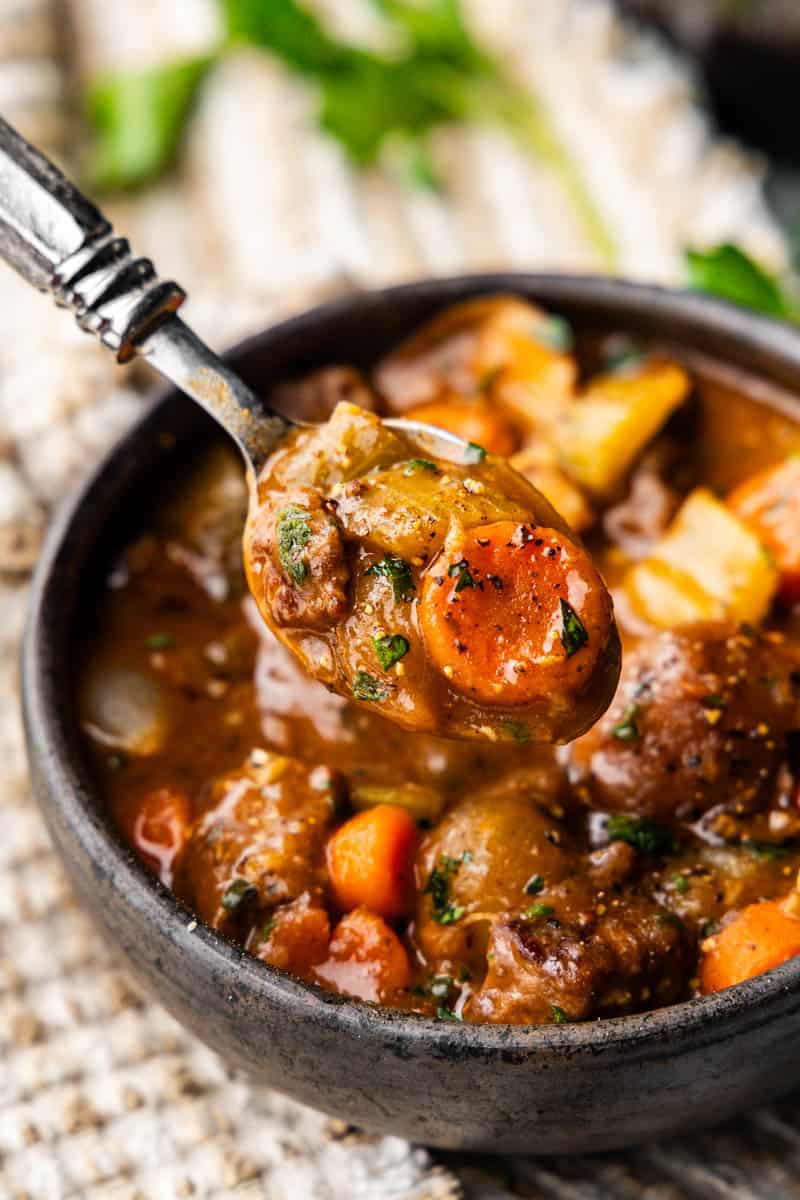
Credit: thestayathomechef.com
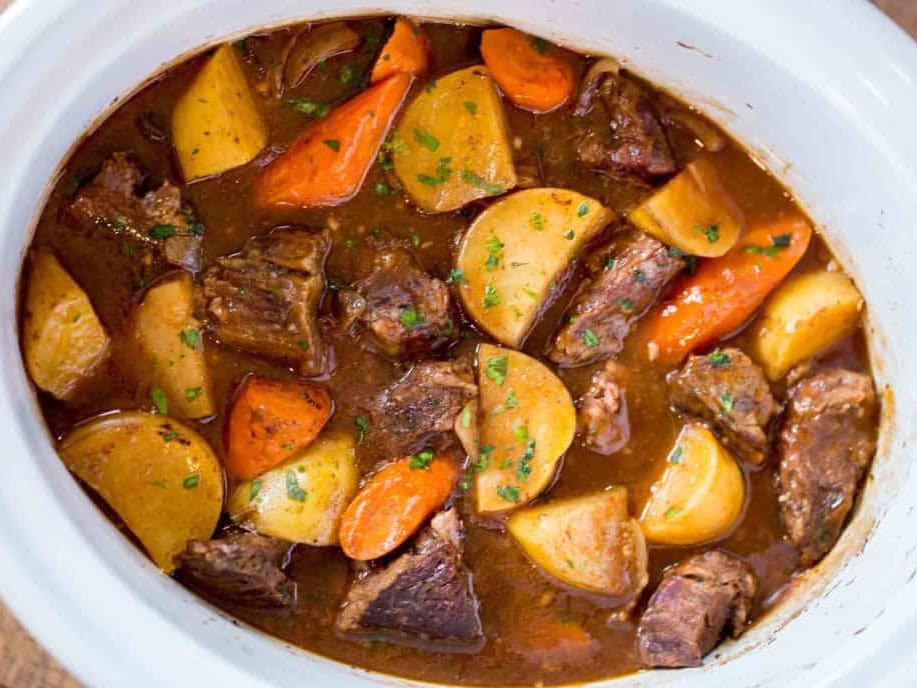
Credit: dinnerthendessert.com
Frequently Asked Questions
How Can I Thicken Beef Stew Without Flour?
Use cornstarch or arrowroot as gluten-free thickeners. Mix with cold water, then stir into stew. Cook for 15 minutes to thicken.
When Should I Add Thickener To Slow Cooker Stew?
Add thickener during the last 30 minutes of cooking. This prevents over-thickening and keeps the stew’s texture perfect.
Can Potatoes Naturally Thicken Beef Stew?
Yes, potatoes release starch as they cook. Using starchy potatoes helps thicken stew naturally without extra ingredients.
Is It Better To Thicken Beef Stew Before Or After Cooking?
It’s best to thicken stew near the end of cooking. This ensures the perfect consistency without over-thickening.
Conclusion
Thickening beef stew in a slow cooker is simple and rewarding. Use flour, cornstarch, or mashed potatoes to add body. Stir these ingredients well to avoid lumps. Let the stew cook a bit longer for better thickness. Taste often to get the right texture and flavor.
Enjoy a warm, hearty meal that feels just right. Try these tips next time you make stew. Your slow cooker meals will become even more satisfying.