Are you sure your meat thermometer is giving you the right temperature every time? If it’s off even by a little, your meals could end up undercooked or dry and overdone.
Testing your meat thermometer is simple, and it can save you from costly cooking mistakes. You’ll learn easy and reliable ways to check if your thermometer is accurate. Keep reading to make sure your next meal is cooked perfectly and safely.
Types Of Meat Thermometers
Meat thermometers come in different types, each designed for specific cooking needs. Choosing the right type helps ensure your food reaches a safe temperature. Understanding each type makes testing your thermometer easier. Here are the main types of meat thermometers you might use.
Digital Thermometers
Digital thermometers show the temperature on a screen. They are quick and easy to read. Many models offer features like alerts when food is done. They use electronic sensors to measure heat. These thermometers are popular for their accuracy and speed.
Dial Thermometers
Dial thermometers have a round face with a needle that points to the temperature. They use a metal probe and do not need batteries. These are classic and simple to use. Dial thermometers take a bit longer to show the temperature than digital ones.
Instant-read Thermometers
Instant-read thermometers give fast results, usually within seconds. You insert the probe into the meat and get a quick reading. They can be digital or dial style. These thermometers are great for checking food at the last minute.
Leave-in Thermometers
Leave-in thermometers stay in the meat while it cooks. They often have a probe connected to a digital display outside the oven. This lets you monitor the temperature without opening the oven door. Leave-in thermometers help cook meat evenly and safely.
Why Testing Matters
Testing your meat thermometer is a simple step that can save you from undercooked meals or health risks. It ensures the tool you rely on is accurate and trustworthy. Without testing, you might be guessing temperatures, which can lead to disappointing or unsafe results.
Ensuring Food Safety
Your thermometer helps protect you and your family from harmful bacteria. If it gives incorrect readings, you might serve meat that isn’t fully cooked, increasing the risk of foodborne illness.
Testing confirms your thermometer hits the right temperatures to kill germs. This is especially important when cooking poultry, pork, or ground meats, which require precise heat.
Have you ever wondered if your thermometer really shows the true temperature inside the meat? Checking it regularly can prevent dangerous mistakes.
Improving Cooking Accuracy
Accurate temperature readings let you cook meat exactly how you want it—whether rare, medium, or well done. A faulty thermometer can ruin your dish by overcooking or undercooking it.
Testing your device means you can trust every reading and plan your cooking time better. It removes guesswork, helping you achieve consistent, delicious results every time.
Think about the last time you cooked a steak or roast. Did the thermometer guide you to perfection, or did you have to rely on timing and intuition? Testing your tool bridges that gap.
Ice Water Test
The ice water test is a simple and reliable way to check if your meat thermometer gives accurate readings. It uses the known freezing point of water—32°F (0°C)—as a benchmark. This test helps you avoid undercooking or overcooking your meat by ensuring your thermometer is calibrated correctly.
Preparing The Ice Bath
Start by filling a glass or a bowl with crushed ice. Add cold water slowly until the container is full but not overflowing. The goal is to create a slushy ice-water mixture, not just cold water.
Stir the mixture gently for about 30 seconds to get the temperature uniform. This step is crucial because uneven temperature can give a false reading. Think of it as setting the perfect stage for your thermometer’s test.
Calibrating The Thermometer
Insert the thermometer probe into the ice water, making sure it doesn't touch the sides or bottom of the container. Leave it there for at least 30 seconds to get a stable reading.
Check the temperature displayed. Ideally, it should read 32°F (0°C). If it doesn’t, many thermometers allow you to adjust the calibration manually using a small nut or screw near the dial. If your model doesn’t have this feature, just note the offset for future readings.
Interpreting Results
If the thermometer reads exactly 32°F (0°C), it’s accurate and ready for use. But what if it reads slightly off? A difference of 1-2 degrees is generally acceptable for home cooking.
If the deviation is larger, consider recalibrating or replacing your thermometer. Would you trust your cooking time to a tool that’s off by 10 degrees? Probably not. Accuracy here can be the difference between juicy and dry meat.
Credit: canadabeef.ca
Boiling Water Test
Place the thermometer probe in boiling water to check accuracy. It should read 212°F (100°C) at sea level. Adjust if the temperature differs for precise cooking results.
Testing a meat thermometer ensures accurate cooking temperatures. The boiling water test is a simple method. This test checks if your thermometer reads accurately at a known temperature.
Setting Up Boiling Water
Start with a pot of water. Bring it to a full boil. Use a deep pot for safety. Boiling means big, rolling bubbles. Ensure the water is boiling vigorously before testing. This ensures an accurate reading.
Measuring Temperature
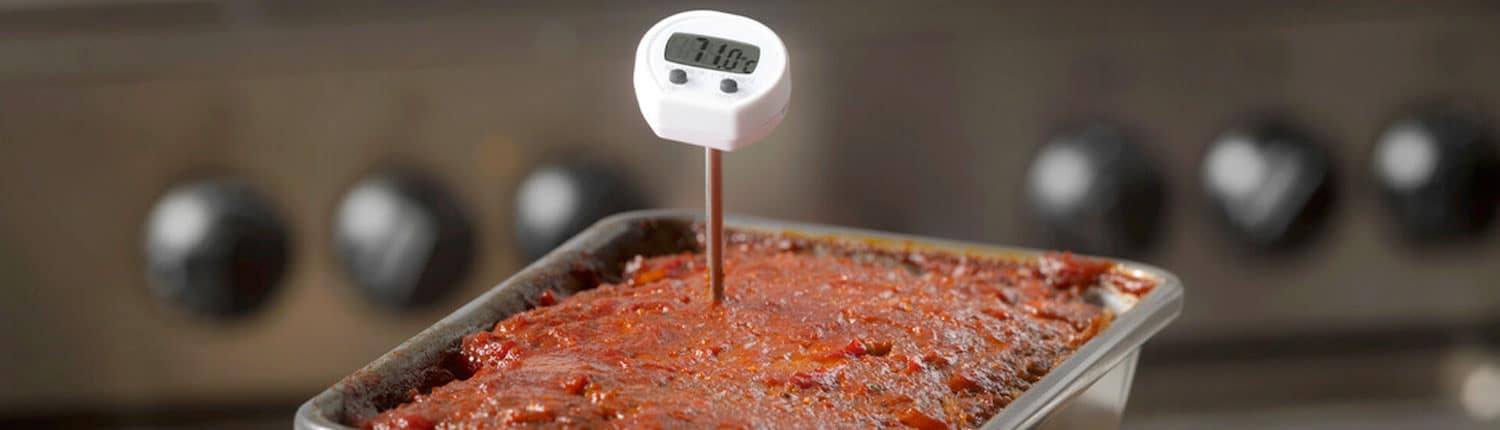
Insert the thermometer probe into the boiling water. Avoid touching the pot's sides or bottom. Hold the thermometer steady. Read the temperature on the display. The ideal reading is 212°F (100°C). If it shows this, your thermometer is accurate.
Adjusting For Altitude
Altitude affects boiling point. Higher altitudes mean lower boiling temperatures. Know your local altitude to adjust readings. For every 1,000 feet above sea level, subtract 1.8°F. Use this adjustment for precise readings. This ensures your thermometer is reliable everywhere.
Cross-check With Known Thermometers
Cross-checking your meat thermometer with known thermometers ensures accuracy. This step confirms your device gives correct temperature readings. It helps avoid undercooked or overcooked meals.
Use thermometers that have been tested and calibrated by professionals. Comparing your thermometer to these trusted devices reveals any differences. Small errors can be adjusted for better cooking results.
Using A Calibrated Thermometer
A calibrated thermometer has been tested for precise readings. You can find these in cooking stores or labs. Use it as a reference to check your meat thermometer.
Insert both thermometers into the same piece of meat. Make sure they are placed close but not touching. Wait for the readings to stabilize before noting the numbers.
If the calibrated thermometer reads 165°F and yours shows 160°F, your device is 5 degrees off. Adjust cooking times or consider recalibrating your thermometer.
Comparing Readings
Test at different temperatures to ensure consistent accuracy. For example, check readings in ice water and boiling water. This range covers common cooking temperatures.
- Fill a glass with ice and water. Insert both thermometers and wait for steady readings.
- Boil water and carefully insert thermometers without touching the pot’s sides.
- Note temperature differences and calculate the average error.
Use these results to understand how your thermometer behaves. A small, consistent difference is easier to manage in cooking.
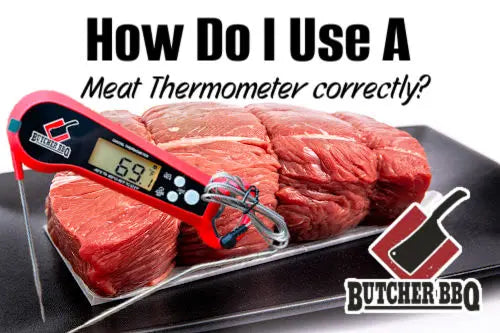
Credit: butcherbbq.com
Maintenance Tips
Keeping your meat thermometer in top shape is key to getting accurate readings every time. Maintenance isn’t just about cleanliness; it also ensures the device’s longevity and reliability. Let’s look at some practical ways you can maintain your thermometer effectively.
Cleaning After Use
After each use, clean the probe with warm, soapy water. Avoid soaking the entire thermometer unless it’s waterproof. Wipe the handle and display gently with a damp cloth to prevent moisture damage.
Have you ever noticed residue buildup affecting your thermometer’s accuracy? Regular cleaning stops this buildup and keeps your readings spot-on. Don’t forget to dry the probe completely before storing it.
Regular Calibration
Calibration is essential to ensure your thermometer gives precise temperatures. Test it by placing the probe in ice water; it should read 32°F (0°C). If it doesn’t, adjust according to your model’s instructions or consider professional calibration.
How often do you check if your thermometer is still accurate? Setting a calendar reminder for calibration every few months can save you from guessing the doneness of your meat. Calibration is a small task that prevents big cooking mistakes.
Storage Best Practices
Store your thermometer in a clean, dry place away from extreme temperatures. Use a protective case if available to shield the probe from bending or breaking. Avoid tossing it in a drawer with other utensils where it can get damaged.
Think about where you keep your tools in the kitchen—is your thermometer easy to find and ready for action? Proper storage not only extends its life but also makes your cooking process smoother. It’s worth creating a dedicated spot for this essential tool.

Credit: www.epicurious.com
Frequently Asked Questions
How Do I Know If My Meat Thermometer Is Accurate?
To check accuracy, insert the thermometer in ice water. It should read 32°F (0°C). If not, calibrate it or replace it for precise cooking results.
Can I Test A Digital Meat Thermometer At Home?
Yes, test it using ice water or boiling water. The thermometer should read 32°F in ice and 212°F in boiling water, ensuring proper functionality.
How Often Should I Test My Meat Thermometer?
Test your thermometer before each use or at least monthly. Regular checks ensure accurate temperature readings and safe cooking every time.
What If My Meat Thermometer Shows Wrong Temperature?
If readings are off, recalibrate the thermometer if possible. If recalibration fails, replace it to avoid undercooked or overcooked meat.
Conclusion
Testing a meat thermometer is simple and important. It helps ensure your food is safe to eat. Check it with hot water or ice to know it works right. Using a reliable thermometer means better cooking results every time. Keep your meals tasty and safe with this easy step.
Practice testing often to trust your thermometer fully. Cooking becomes easier and more enjoyable when you know your tools work well. Safe cooking starts with good habits like this.