Are you ready to bring vibrant colors and elegant charm to your space with a fuchsia hanging basket? Taking care of these beautiful plants might seem tricky, but with the right tips, you can keep your fuchsia healthy and blooming all season long.
Imagine stepping outside or glancing by your window to see bright, delicate flowers swaying gently in the breeze—your very own piece of living art. In this guide, you’ll discover simple, practical steps that make caring for your fuchsia easy and rewarding.
Keep reading, and soon your hanging basket will become the envy of every garden lover.

Credit: www.epicgardening.com
Choosing The Right Fuchsia
Choosing the right fuchsia for your hanging basket makes all the difference in how vibrant and healthy your display will be. Not all fuchsias thrive equally in every environment, so picking a variety suited to your climate and care routine saves you time and frustration. Think about the space, light, and maintenance you can provide before deciding on the perfect fuchsia.
Popular Fuchsia Varieties
Fuchsias come in many shapes, sizes, and colors, offering plenty of options for your hanging basket. Some popular varieties include:
- Fuchsia magellanica– Known for its hardiness and small, bright flowers, it’s great if you want something low-maintenance.
- Fuchsia 'Swingtime'– This variety has large, bicolor flowers that stand out beautifully in baskets.
- Fuchsia 'Dollar Princess'– A trailing type with vibrant pink blooms, perfect for cascading over the edges.
- Fuchsia 'Mrs. Popple'– Offers upright growth with deep purple and red blooms, ideal if you want height in your arrangement.
Which type catches your eye? The variety you choose affects not just the look but also how much care it will need.
Ideal Growth Conditions
Fuchsias prefer cool, shaded spots with indirect sunlight. Direct, harsh sun can scorch the leaves and flowers, so a place with morning sun and afternoon shade works best.
They also like well-draining soil and consistent moisture. Overwatering or letting the soil dry out completely can both cause stress to the plant.
Pay attention to humidity levels, too—fuchsias thrive in moderate humidity. If you live somewhere dry, misting your hanging basket occasionally can help your plant stay happy and lush.
Planting Your Hanging Basket
Planting your fuchsia hanging basket properly sets the stage for healthy growth. Choosing the right basket and soil ensures your plant thrives and blooms beautifully. This section covers essential tips for selecting a basket and preparing the soil.
Selecting The Perfect Basket
Pick a basket that supports good air circulation around the roots. Choose one with enough space for your fuchsia’s roots to grow. A basket with a liner helps hold soil but must allow water to drain well. Consider lightweight materials like plastic or resin for easy hanging and durability. Avoid baskets that are too small; they limit root development and reduce flowering.
Soil And Drainage Tips
Use a well-draining potting mix to prevent waterlogging. A mix designed for hanging plants or containers works best. Add perlite or vermiculite to improve drainage and aeration. Ensure the basket has drainage holes to avoid root rot. Place a layer of gravel or broken pottery at the bottom to keep soil from clogging holes. Keep the soil moist but not soggy for healthy fuchsia growth.
Watering Techniques
Watering is one of the most important tasks for keeping a fuchsia hanging basket healthy. Proper watering helps the plant stay vibrant and bloom beautifully. Too much or too little water can harm the plant quickly.
Understanding how often and how much to water is key. Knowing the signs that show the plant needs more or less water helps avoid problems. Let’s explore the best watering techniques for your fuchsia basket.
Frequency And Amount
Water your fuchsia hanging basket regularly, especially in warm weather. Check the soil every day. The top inch of soil should feel dry before watering again. Use your finger to test the moisture.
Water deeply until it starts to drain from the bottom. This ensures the roots get enough water. Avoid light watering that only wets the surface. In hot months, watering may be needed daily. In cooler months, reduce watering to twice a week.
Signs Of Overwatering And Underwatering
- Overwatering:Leaves turn yellow and feel soft. The soil smells damp or rotten. Roots may start to rot and the plant looks wilted despite wet soil.
- Underwatering:Leaves curl, dry out, or drop off. Soil pulls away from the sides of the basket. The plant looks limp and dull.
Watch for these signs to adjust watering quickly. Healthy fuchsias have firm, green leaves and moist soil. Keep a balance to enjoy lush blooms all season.
Light And Temperature Needs
Fuchsia hanging baskets thrive when given the right light and temperature. These factors help the plant grow strong and bloom beautifully. Understanding their needs is key to keeping your fuchsia healthy and vibrant.
Best Lighting Conditions
Fuchsias prefer bright but indirect light. Direct sunlight can burn the leaves and flowers. Morning sun or light shade works best. A spot with filtered sunlight is ideal. Avoid placing the basket in deep shade. Too little light leads to fewer blooms.
Temperature Range For Growth
Fuchsias grow well between 55°F and 75°F (13°C to 24°C). They dislike extreme heat or cold. Temperatures above 80°F (27°C) may cause stress. Night temperatures below 50°F (10°C) can slow growth. Keep the plant away from drafts and sudden temperature changes. A stable environment encourages steady blooming.
Feeding And Fertilizing
Feed your fuchsia basket every two weeks with a balanced liquid fertilizer. Keep soil moist but avoid overfeeding to prevent leaf burn. Fertilizing supports vibrant blooms and healthy growth.
Feeding and fertilizing your fuchsia hanging basket is crucial to maintaining its vibrant blooms and lush foliage. With the right nutrients, your fuchsias will flourish, rewarding you with a cascade of colorful flowers. Let's explore how you can provide the best nourishment for your hanging baskets.
Choosing The Right Fertilizer
Selecting the proper fertilizer for your fuchsia is essential. Opt for a balanced, water-soluble fertilizer with equal parts nitrogen, phosphorus, and potassium, such as a 20-20-20 mix. This ensures your plant receives a well-rounded diet to support both flower and leaf growth. Organic fertilizers can be a great choice too. Products like fish emulsion or seaweed extract provide essential nutrients in a natural form. These options are gentle and reduce the risk of over-fertilizing.
Feeding Schedule
Establishing a regular feeding schedule is vital for healthy fuchsias. Aim to fertilize every two weeks during the growing season, typically from spring to early fall. Consistency helps maintain steady growth and bloom production. Be mindful of the quantity. Too much fertilizer can harm your plant, leading to burnt roots or overly lush foliage without flowers. Always follow the recommended dosage on your fertilizer package. Have you ever noticed your fuchsias looking a bit lackluster? Consider adjusting your feeding schedule or fertilizer type. Sometimes, a slight change can make a significant difference in your plant's health and appearance.
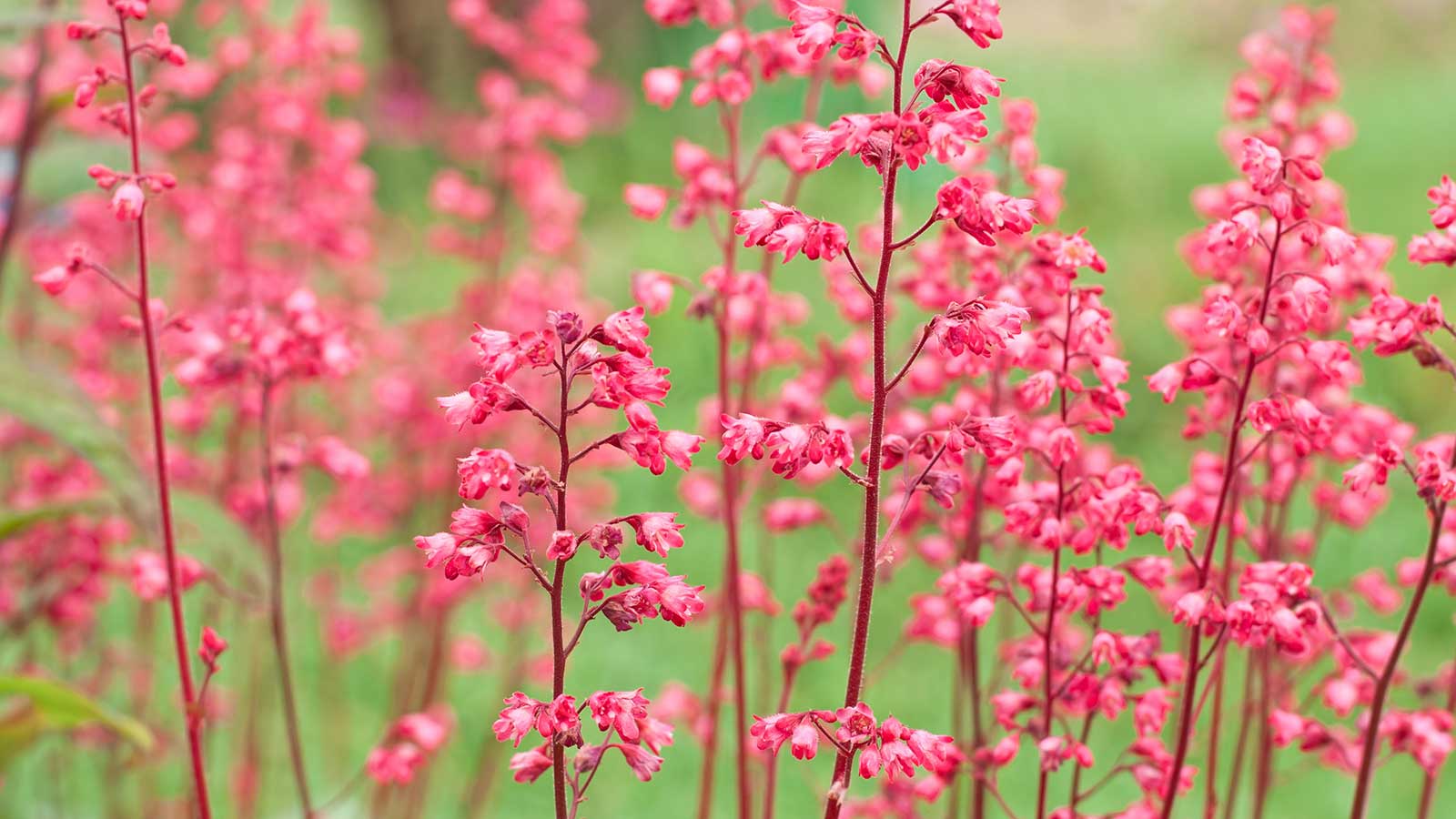
Credit: www.homesandgardens.com
Pruning And Deadheading
Pruning and deadheading are key tasks for maintaining a fuchsia hanging basket. These actions keep the plant healthy and encourage more blooms. Regular care ensures your fuchsia stays vibrant and full throughout the season.
Encouraging Healthy Growth
Cut back leggy or weak stems to promote bushier growth. Use clean, sharp scissors or pruning shears to make cuts just above a leaf joint. This stimulates new shoots and prevents the plant from becoming sparse. Pruning also helps shape the fuchsia and controls its size.
Removing Spent Flowers
Remove faded or dead flowers regularly to boost flowering. Pinch or snip off spent blooms gently, avoiding damage to new buds. Deadheading stops the plant from using energy on seed production. This energy goes back into making fresh flowers, keeping your hanging basket blooming longer.
Pest And Disease Control
Taking care of a fuchsia hanging basket means keeping pests and diseases away. Healthy plants grow strong and bloom beautifully. Pests and diseases can damage leaves, flowers, and stems quickly. Spotting problems early helps save your plant. Learn which pests to watch for and how to treat them.
Common Pests To Watch For
- Aphids: Small, soft insects that suck sap from leaves.
- Whiteflies: Tiny white bugs that fly when disturbed.
- Spider Mites: Very small, create fine webs on leaves.
- Mealybugs: White, cottony insects hiding in leaf joints.
- Thrips: Tiny, slender insects that cause silvery spots.
Preventative Measures And Treatments
Keep your fuchsia clean by removing dead leaves and flowers. Water the plant at the base to avoid wetting leaves. This reduces chances for fungi and pests. Place the basket where air moves freely around it.
Use insecticidal soap or neem oil to treat pests. Spray in the morning or evening to protect beneficial insects. Repeat treatment every few days until pests disappear.
Check plants regularly for signs of pests or disease. Early action prevents serious damage. Healthy soil and proper watering also help your plant resist problems.
Overwintering Fuchsia Baskets
Fuchsia hanging baskets need cool, frost-free places during winter. Keep soil slightly moist and trim dead leaves to protect the plant. Avoid overwatering to prevent root rot and maintain healthy growth.
Overwintering Fuchsia Baskets Caring for your fuchsia hanging baskets during winter can be a rewarding experience, ensuring your plants thrive when spring rolls around. As temperatures drop, these vibrant plants require special attention to survive the colder months. Let's explore how to prepare and maintain your fuchsia baskets for winter.
Preparing For Cold Weather
Before the cold sets in, check your fuchsia baskets for any signs of disease or pests. Prune any dead or damaged parts to keep the plant healthy. Consider repotting your fuchsia into a slightly larger container. This gives the roots more room to grow and ensures better insulation from the cold. Adding a layer of mulch on top of the soil can help retain moisture and protect the roots from freezing temperatures. Avoid overwatering, as this can lead to root rot.
Indoor Care Tips
Bringing your fuchsia indoors is a great way to protect it from harsh weather. Place it in a cool, well-lit area, away from direct heat sources like radiators. Maintain a consistent watering schedule, allowing the topsoil to dry out between waterings. Too much water can be just as harmful indoors as it is outdoors. Consider using a humidity tray to keep the air around your plant moist. This can be as simple as a shallow dish filled with water and pebbles placed under the pot. Are you ready to see your fuchsia bloom beautifully again next season? With a bit of care and attention, your winterized fuchsia can emerge vibrant and ready to dazzle once more.
Credit: www.theolympian.com
Frequently Asked Questions
How Often Should I Water A Fuchsia Hanging Basket?
Water your fuchsia hanging basket regularly to keep the soil moist. Avoid waterlogging by ensuring good drainage. During hot weather, water daily. In cooler seasons, reduce watering frequency to prevent root rot.
What Is The Best Sunlight For Fuchsia Hanging Baskets?
Fuchsias prefer partial shade with indirect sunlight. Avoid direct midday sun, which can scorch leaves. Morning sun and afternoon shade provide ideal conditions for healthy growth and vibrant blooms.
How Do I Fertilize A Fuchsia Hanging Basket?
Use a balanced liquid fertilizer every two weeks during the growing season. This supports blooming and healthy foliage. Avoid over-fertilizing, which can harm the plant. Follow the product instructions for best results.
When Should I Prune My Fuchsia Hanging Basket?
Prune fuchsias in early spring before new growth starts. Remove dead or weak stems to encourage bushier growth. Regular pruning enhances flowering and maintains the basket’s shape.
Conclusion
Caring for a fuchsia hanging basket can be simple and fun. Keep the soil moist but not wet. Place the basket where it gets bright, indirect light. Trim dead flowers to help new ones grow. Watch for pests and treat them quickly.
With regular care, your fuchsia will bloom beautifully all season. Enjoy the bright colors and fresh air it brings to your space. Small steps make a big difference in plant health. Keep these tips in mind for happy, healthy fuchsias.