Are you tired of ice that melts too quickly or sticks together in your freezer? Knowing how to store ice properly can make a big difference in keeping it fresh, clear, and ready whenever you need it.
Whether you want perfect cubes for your drinks or need to keep ice longer for parties, this guide will show you simple tricks that work every time. Keep reading, and you’ll discover easy steps to make your ice last longer and stay crystal clear.
Your freezer—and your drinks—will thank you!

Credit: www.reddit.com
Choosing The Right Container
Choosing the right container for storing ice in your freezer can make a big difference in convenience and ice quality. The container you pick affects how quickly ice freezes, how easy it is to remove the cubes, and whether your ice absorbs unwanted freezer smells. Let’s break down popular options so you can find the best fit for your needs.
Plastic Vs Silicone Trays
Plastic trays are the classic choice. They’re usually rigid, affordable, and stackable, which helps save freezer space. However, ice cubes in plastic trays can sometimes stick, making them tricky to pop out without twisting or banging the tray.
Silicone trays offer more flexibility. You can easily push the ice cubes out without much effort. They also tend to be more durable and less prone to cracking in cold temperatures. If you’ve ever struggled with stubborn ice cubes, silicone trays might be worth trying.
Think about your daily routine. Do you want quick, fuss-free ice removal, or are you okay with a little extra effort if it saves money? Your answer will guide your choice between plastic and silicone.
Using Ice Bags And Buckets
Ice bags and buckets provide a different kind of storage. Ice bags are great for making large amounts of ice and keeping it contained. They’re flexible and can fit in tight spaces, but be sure to seal them properly to avoid freezer burn or odors.
Buckets usually come with a lid and sometimes a scoop, making them perfect for parties or when you need ready-to-serve ice. They also help prevent ice from clumping together. If you entertain often or need large quantities of ice, a bucket might suit you well.
Consider how much ice you use regularly. Would having a bulk stash in a bucket save you time, or would smaller portions in bags be more practical? Your freezer space and usage habits should influence your container choice.
Freezer Temperature Settings
Setting the right freezer temperature is key for storing ice properly. The temperature affects ice quality and how long it lasts. Keep your freezer cold enough to stop melting but not too cold to waste energy. Consistent temperature helps keep ice clear and solid.
Ideal Temperature For Ice Storage
The best temperature for storing ice is 0°F (-18°C) or lower. This temperature stops ice from melting or forming frost. When freezing water in a bottle, the time depends on its size and freezer conditions; see our guide to how long a water bottle takes to freeze. It also keeps ice cubes hard and fresh. Avoid storing ice near the freezer door to keep the temperature steady.
Avoiding Temperature Fluctuations
Temperature changes can cause ice to melt and refreeze. This creates cloudy, brittle ice cubes. Open the freezer door less often to keep the temperature stable. Store ice in airtight containers or sealed bags to protect it from warm air. Use a freezer thermometer to monitor the temperature regularly.
Preventing Ice From Absorbing Odors
Storing ice in airtight bags or containers prevents it from absorbing freezer odors. This keeps your ice fresh and odor-free. Regularly clean your freezer to maintain a pleasant environment for your ice.
Preventing ice from absorbing odors is essential for maintaining fresh-tasting ice. Ice can easily pick up smells from other foods in the freezer. This can make your drinks taste unpleasant. Proper storage methods help keep ice fresh and odor-free. Below are some practical techniques.
Sealing Techniques
Store ice in airtight containers or bags. This prevents odors from seeping in. Use freezer-safe, sealable plastic bags. Squeeze out as much air as possible before sealing. Vacuum-sealed bags work best for long-term storage. Containers with tight-fitting lids also offer excellent protection. Choose containers made from durable, non-porous materials. They ensure no odors can penetrate.
Using Odor Absorbers
Place odor absorbers in your freezer. Baking soda is a popular choice. Simply open a box and place it inside. It neutralizes unwanted smells effectively. Charcoal filters are another option. They absorb odors and last several months. Replace them regularly for the best results. Odor absorbers help maintain a neutral environment. This keeps your ice tasting pure and fresh.
Maintaining Ice Quality
Maintaining ice quality in the freezer keeps it fresh and clear. Good ice improves drinks and prevents strange odors or tastes. Proper storage helps ice last longer and stay hygienic. Follow simple steps to keep your ice cubes in top shape.
Avoiding Frost Buildup
Frost buildup harms ice quality by making cubes stick together. It can also add unwanted taste and texture to the ice. Keep the freezer door closed tightly to reduce moisture entry. Use airtight containers or bags to store ice and block air. Regularly check the freezer and wipe away any frost patches.
Regularly Rotating Stored Ice
Ice stored for a long time loses freshness and can absorb freezer smells. Rotating ice means using older cubes first and replacing them with new ones. This prevents ice from becoming stale or cloudy. Label ice containers with dates to track freshness. Empty and refill storage containers every few weeks for best results.
Storing Different Types Of Ice
Different types of ice need different storage care. Proper storage keeps ice fresh and prevents it from clumping or absorbing freezer odors. Understanding how to store each type helps maintain ice quality and ease of use.
Crushed Ice Storage Tips
Crushed ice melts faster than cubed ice. Store it in an airtight container to stop it from clumping. A plastic bag with a tight seal also works well. Keep the container in the coldest part of the freezer. Avoid opening it often to prevent melting and refreezing. Use crushed ice quickly for best results.
Cubed Ice Storage Tips
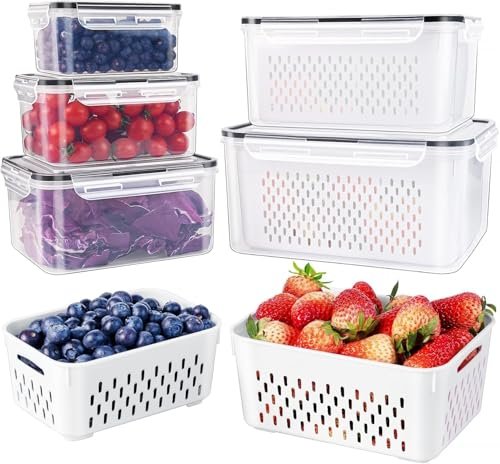
Cubed ice lasts longer than crushed ice. Store cubes in a sealed plastic bag or container. This stops freezer smells from affecting the ice taste. Make sure the container is dry before filling it with ice. Place the container flat to keep cubes from sticking together. Use trays with lids to make storage easier and cleaner.

Credit: www.amazon.com
Troubleshooting Common Issues
Storing ice in the freezer can sometimes lead to common problems. These issues affect ice quality and how easy it is to use. Troubleshooting helps keep your ice clear, separate, and ready to use. Understanding common problems saves time and frustration.
Dealing With Cloudy Ice
Cloudy ice happens due to trapped air and impurities. Use boiled or filtered water to reduce cloudiness. Pour water slowly into ice trays for clearer cubes. Freezing ice slowly also helps improve clarity. Avoid shaking trays or moving ice during freezing. Clear ice looks better and melts slower.
Preventing Ice From Clumping
Ice clumps when moisture causes cubes to stick. Use airtight containers or bags for storage. Avoid leaving ice trays uncovered in the freezer. Place a paper towel inside the storage container to absorb moisture. Separate ice cubes before freezing to keep them apart. Regularly check and break apart ice clumps to keep cubes ready.
Quick Tips For Easy Access
Keeping your ice easy to grab can save you time and hassle, especially when you're juggling multiple tasks in the kitchen. Having quick access to ice means less fumbling and more flow, whether you're prepping drinks or cooling food fast.
Organizing Ice In The Freezer
Store ice in clear, sealable bags or containers to prevent clumping and freezer burn. Label the containers with the date so you use the oldest ice first, keeping your supply fresh.
Stack containers neatly in one spot in the freezer. This way, you won’t have to dig around, and the ice stays at a consistent temperature for faster freezing.
Using Ice Scoops And Dispensers
Keep a dedicated ice scoop in the freezer to avoid using hands, which can introduce germs and cause ice to melt faster. Choose a scoop with a long handle to reach deep inside bags or bins without spills.
Consider an ice dispenser if you use large amounts regularly. It provides easy, one-handed access and reduces mess, making your ice retrieval quick and clean.

Credit: www.amazon.com
Frequently Asked Questions
How Long Can Ice Be Stored In A Freezer?
Ice can be stored indefinitely if kept in a sealed container. Over time, it may absorb odors or develop freezer burn, affecting taste and texture. For best quality, use ice within 1 to 3 months.
What Is The Best Container For Storing Ice?
Use airtight, plastic containers or resealable freezer bags to store ice. These prevent odors and moisture loss, keeping ice fresh and clear. Avoid leaving ice exposed to air inside the freezer.
How To Prevent Ice From Sticking Together?
Store ice in airtight bags or containers to reduce moisture exposure. Separating ice cubes before freezing also helps prevent clumping. Regularly shaking the container can keep ice pieces separated.
Can You Store Flavored Ice In The Freezer?
Yes, flavored ice can be stored in airtight containers or freezer bags. Proper sealing prevents flavor loss and freezer odors. Use within 1 to 2 weeks for the best taste and texture.
Conclusion
Storing ice in the freezer keeps it fresh and ready to use. Use airtight containers or bags to stop ice from absorbing odors. Keep ice away from strong-smelling foods for best taste. Regularly check for frost buildup and remove it to prevent clumps.
Label ice bags with the date to track freshness. Follow these simple steps for clear, clean ice every time. Enjoy cold drinks without hassle or mess. Easy storage means ice stays solid and tasty longer. Your freezer becomes a reliable ice source anytime you need.