Are you wondering how to keep your bulbs fresh and ready to grow when the planting season arrives? Storing bulbs properly in your refrigerator can make all the difference between healthy blooms and wasted effort.
If you’ve ever struggled with bulbs rotting or drying out before planting, this guide is for you. By learning simple, effective steps, you’ll ensure your bulbs stay in perfect condition, saving you time and money. Keep reading to discover easy tips that will help your garden thrive like never before!
Choosing The Right Bulbs
Choosing the right bulbs to store in your refrigerator can make all the difference in how well they last through the off-season. Not all bulbs respond the same way to cold storage, so picking the right type is key. If you want to keep your garden blooming beautifully next year, understanding which bulbs thrive in refrigeration is essential.
Best Bulbs For Refrigeration
Some bulbs actually benefit from a cold rest period to bloom properly. Tulips, daffodils, hyacinths, and crocuses are among the top bulbs that respond well to refrigeration. These bulbs need a chilling period to break dormancy, so storing them in the fridge mimics their natural winter conditions.
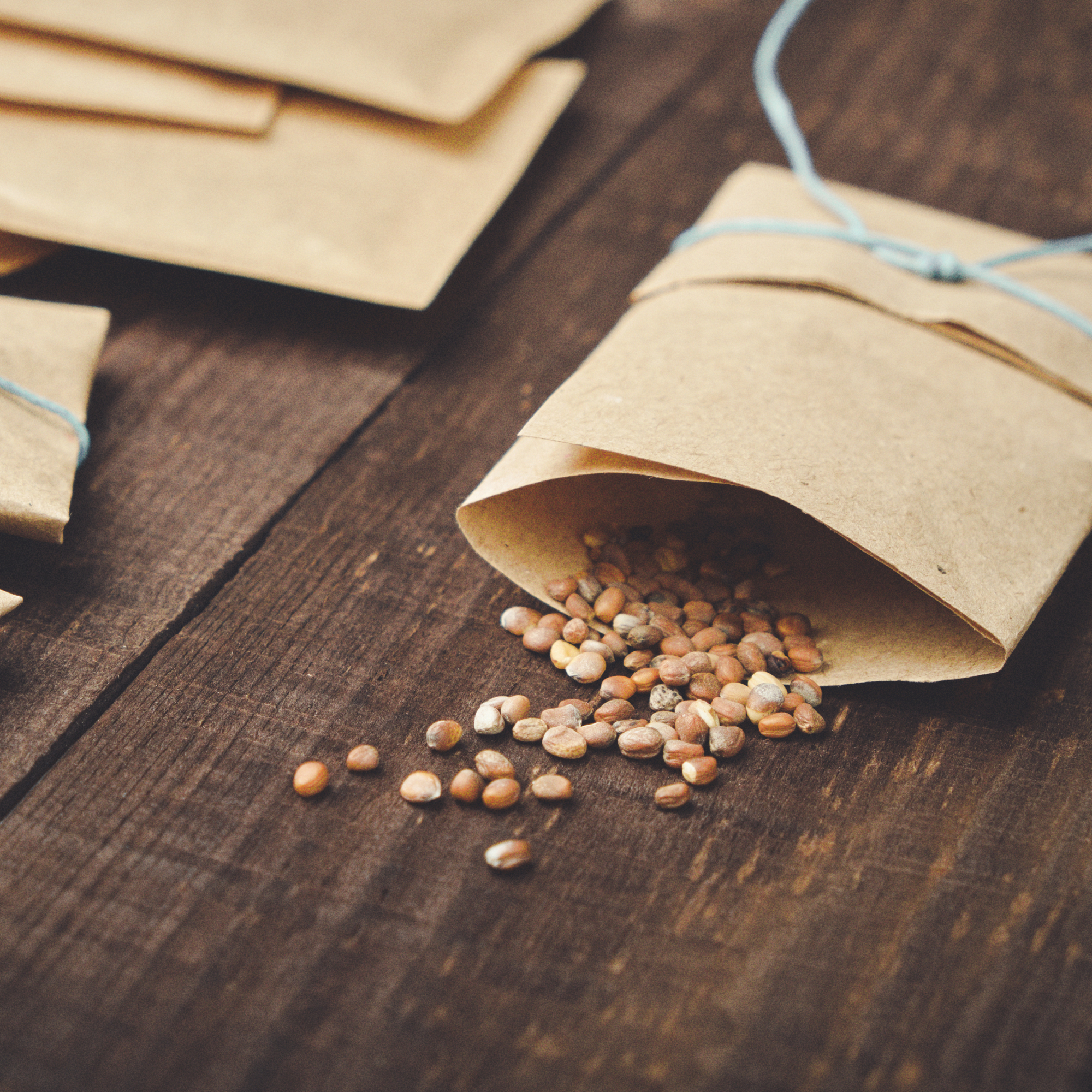
Make sure to keep these bulbs dry and in a breathable container like a paper bag or mesh sack. Avoid plastic bags, as they trap moisture and can cause rot. Have you ever noticed your tulips failing to bloom after planting? The problem could be that they never got their cold period.
Avoiding Sensitive Varieties
Not every bulb likes the cold. Sensitive bulbs such as dahlias, gladiolus, and begonias can get damaged if refrigerated. These bulbs prefer warmer storage environments and can develop rot or shrivel if chilled.
If you want to store these bulbs for the winter, keep them in a cool, dry place but not in the fridge. Recognizing which bulbs are sensitive can save you from losing your precious plants. Are you storing bulbs that should stay warm without realizing it?

Credit: food52.com
Preparing Bulbs For Storage
Preparing bulbs for storage in the refrigerator is key to keeping them healthy. Proper preparation stops mold and rot. It also helps bulbs sprout well next season. Clean, dry, and healthy bulbs last longer and stay strong.
Cleaning And Drying Techniques
Remove soil gently with your hands. Avoid washing bulbs with water. Use a soft brush to clear dirt. Let bulbs dry in a warm, airy spot. Drying takes a few days. Proper drying prevents mold growth.
Trimming And Inspecting
Cut off dead roots and leaves with scissors. Check bulbs for soft spots or damage. Soft spots mean the bulb may rot. Toss any bulbs with mold or cuts. Healthy bulbs have firm skin and no marks.
Packaging Bulbs Properly
Packaging bulbs properly is key to keeping them healthy and ready for planting after refrigeration. The right packaging protects bulbs from damage and prevents moisture problems that can cause rot or mold. How you package your bulbs can make a big difference in how well they survive their cold storage period.
Selecting Suitable Containers
Choose containers that allow some air circulation but also protect bulbs from getting crushed. Cardboard boxes or mesh bags work well because they let bulbs breathe while keeping them contained.
Avoid airtight plastic bags unless you add ventilation holes. Too much trapped moisture can cause bulbs to rot quickly. You want containers that balance dryness with airflow.
Think about the size of your bulbs too. Smaller bulbs can go in smaller mesh bags, while larger bulbs may need sturdy cardboard boxes with dividers to keep them separated.
Using Moisture Control Methods
Controlling moisture is crucial to prevent mold growth and bulb decay. Adding a dry material like peat moss, sawdust, or vermiculite around the bulbs helps absorb excess moisture.
You can also wrap bulbs loosely in newspaper before placing them in containers. This extra layer soaks up dampness without suffocating the bulbs.
Check the bulbs regularly while they’re in storage. If you notice wet spots or mold, remove the affected bulbs and replace the packing material to keep the rest safe.

Credit: www.amazon.com
Setting Optimal Refrigerator Conditions
Setting the right conditions in your refrigerator is key to keeping bulbs healthy and ready for planting. Too cold or too dry, and they might spoil; too warm or too humid, and they could sprout prematurely or rot. Finding the balance is easier than you think and can make a big difference in your gardening success.
Ideal Temperature Range
Bulbs generally thrive at temperatures between 35°F and 50°F (1.5°C to 10°C). This range keeps them dormant without freezing or encouraging early growth. If your fridge is colder than this, bulbs risk freezing damage. Warmer than 50°F, and they might start sprouting too soon, which shortens their viability.
Check your refrigerator’s temperature settings and adjust accordingly. A simple fridge thermometer can help you monitor the temperature precisely. Have you noticed your bulbs sprouting early? It might be time to tweak that thermostat.
Humidity Control Tips
Humidity plays a big role in bulb storage. Too much moisture leads to rot, while too little causes shriveling. Aim for around 60-70% humidityto keep bulbs firm but dry.
- Store bulbs in breathable paper bags or mesh bags to allow airflow.
- Avoid sealed plastic bags unless you add a few holes.
- If your fridge is very dry, place a damp cloth nearby—but don’t let bulbs touch it directly.
Controlling humidity can feel tricky, but small tweaks make a difference. Have you tried changing the storage container to improve airflow? It might stop your bulbs from rotting or drying out.
Avoiding Ethylene Exposure
Ethylene gas, emitted by fruits like apples and bananas, speeds up ripening and can harm bulbs during storage. Exposure causes bulbs to sprout or rot faster. Keep your bulbs away from ethylene-producing foods to prolong their dormancy.
- Store bulbs in a separate drawer or container.
- Check your fridge for hidden ethylene sources before storing bulbs.
- Consider wrapping bulbs loosely in newspaper to absorb any stray gases.
Have you ever found your bulbs sprouting too soon? Ethylene exposure could be the culprit. Separating your bulbs from fruits in the fridge is a simple step that can save your bulbs for the next growing season.
Monitoring Stored Bulbs
Storing bulbs in the refrigerator helps preserve their quality and extend life. Keep them in a paper bag to prevent moisture buildup. Maintain a consistent temperature and avoid storing them near fruits to ensure optimal conditions.
Storing bulbs in the refrigerator can extend their life. This process requires careful monitoring to ensure they remain healthy and viable. Regular checks are crucial to prevent spoilage and ensure optimal conditions. Below, we'll explore how to effectively monitor stored bulbs.
Regular Inspection Schedule
Create a routine to inspect your bulbs. Check them weekly for any changes. This helps catch potential problems early. Regular inspection keeps bulbs in good condition. Consistency is key to maintaining bulb health.
Identifying Signs Of Spoilage
Look for visible signs of spoilage. Mold, rot, or a bad smell indicate problems. Soft or discolored bulbs should be removed. Spoiled bulbs can affect healthy ones. Quick action prevents further spoilage.
Common Mistakes To Avoid
Storing bulbs in the refrigerator needs careful attention. Simple mistakes can ruin your bulbs and waste your effort. Knowing what to avoid helps keep bulbs healthy and ready for planting.
Overcrowding Bulbs
Putting too many bulbs together blocks air circulation. Poor airflow causes moisture buildup and mold growth. Each bulb needs space to breathe and stay dry. Use shallow containers or paper bags to separate bulbs. Avoid piling bulbs on top of each other. Overcrowding leads to rotting and weak sprouts.
Incorrect Temperature Settings
Setting the fridge too cold can freeze bulbs and damage them. Too warm, and bulbs may sprout too early or rot. Keep the fridge temperature steady between 35°F and 45°F (2°C–7°C). Avoid areas near the freezer or fridge door. Temperature swings confuse bulbs and lower their quality.
Preparing Bulbs For Planting
Preparing bulbs for planting after refrigeration is a key step for healthy growth. This process helps bulbs adjust to outdoor conditions. Proper preparation boosts their chance to bloom well. It also prevents shock from sudden changes in temperature or moisture. Follow simple steps to ready bulbs for the garden.
Acclimating Bulbs Post-refrigeration
Take bulbs out of the refrigerator carefully. Keep them in a cool, dry place for a few days. This helps bulbs wake up slowly from cold storage.
Do not expose bulbs to direct sunlight right away. Let them adjust to room temperature gradually. This reduces stress and improves root development.
Check bulbs for any signs of mold or damage. Remove any soft or rotten parts before planting. Healthy bulbs grow stronger and produce better flowers.
Best Practices For Successful Growth
- Plant bulbs in well-draining soil to avoid waterlogging.
- Choose a spot with the right amount of sunlight for the bulb type.
- Water bulbs moderately after planting, not too much or too little.
- Space bulbs properly to allow room for growth and air circulation.
- Use mulch to keep soil temperature steady and retain moisture.
- Label bulbs to track different varieties and their needs.
Following these practices ensures bulbs grow strong and bloom on time. Careful preparation leads to a vibrant garden full of healthy flowers.
Credit: www.gardeningknowhow.com
Frequently Asked Questions
How Do I Prepare Bulbs For Refrigerator Storage?
Clean bulbs gently and remove excess soil. Avoid washing with water. Let bulbs dry completely before placing them in a paper bag or breathable container. This prevents moisture buildup and rot during refrigeration.
What Temperature Is Best For Storing Bulbs In A Fridge?
Keep bulbs at 35-50°F (2-10°C). Temperatures below freezing can damage bulbs. Too warm temperatures may cause premature sprouting or decay. Maintaining this range ensures bulbs stay dormant and healthy.
How Long Can Bulbs Stay In The Refrigerator?
Most bulbs can be stored for 8 to 16 weeks. This varies by bulb type. Avoid storing too long to prevent drying out or mold growth. Monitor regularly to maintain bulb quality.
Should Bulbs Be Wrapped Before Refrigerating?
Yes, wrap bulbs in paper or place them in breathable bags. This controls humidity and prevents excess moisture. Avoid plastic wrap as it traps moisture, causing rot and mold.
Conclusion
Storing bulbs in the refrigerator keeps them fresh longer. Keep bulbs dry and cool for best results. Use paper bags or breathable containers for storage. Check bulbs regularly to avoid mold or rot. Proper storage helps bulbs grow strong and healthy.
This simple method saves money and time. Try these tips for better bulb care next season. Your plants will thank you with beautiful blooms.