Is your freezer constantly frosting up, making it hard to find what you need and wasting energy? You’re not alone—and the good news is, you can stop this annoying problem for good.
Imagine opening your freezer to find clear shelves and perfectly frozen food every time. You’ll discover simple, practical steps to keep your freezer frost-free and running efficiently. Keep reading, and you’ll learn how to save time, protect your food, and even cut down on your energy bill.
Causes Of Freezer Frosting
Frost buildup in your freezer can be more than just an eyesore—it affects how well your freezer works and can shorten its lifespan. Understanding what causes this unwanted frost is the first step toward keeping your freezer running smoothly. Let’s look at some common culprits behind freezer frosting that might be hiding in your daily routine or appliance setup.
Humidity And Moisture
Excess moisture in the air is a major cause of frost in freezers. Every time you open the freezer door, warm, humid air rushes in. This moisture cools down and freezes inside, creating frost layers over time.
Think about the last time you left the freezer door open a bit too long. That small moment can lead to noticeable frost buildup. You can reduce this by keeping the door closed as much as possible and drying wet items before placing them inside.
Frequent Door Opening
Opening your freezer often invites warm air in, which quickly turns into frost. If you grab snacks or ingredients multiple times a day, frost can develop faster than you realize.
Try organizing your freezer so you find items quickly. Have a mental or physical list ready before opening the door—this simple habit can cut down the time the door stays open.
Faulty Door Seals
Door seals keep cold air in and warm air out. If these seals are damaged or worn, they allow air leaks that cause frost to form. You might notice the door feels less tight or see visible cracks in the rubber seal.
Check your seals regularly by closing the door over a piece of paper. If you can pull the paper out easily, the seal isn’t tight enough. Replacing worn seals can stop frost from building up and save energy.
Temperature Settings
Setting your freezer temperature too low can lead to excessive frost. Freezers work best around 0°F (-18°C). Lower settings don’t freeze food faster but can cause more frost to form.
If you’re not sure, check your freezer’s manual or use a thermometer to monitor the temperature. Adjusting to the optimal range can reduce frost and keep your food fresh longer.

Credit: www.reddit.com
Signs Of Excess Frost Build-up
Excess frost build-up in a freezer can cause many problems. It affects how well the freezer works and can raise energy costs. Knowing the signs helps you act fast and avoid bigger issues.
Reduced Freezer Efficiency
Frost blocks cold air from circulating inside the freezer. This makes the appliance work harder to keep food frozen. You may notice the freezer is not as cold as before. Food might thaw or freeze unevenly.
Visible Ice Accumulation
Look for thick layers of ice on walls or shelves. Ice may cover vents or door seals. This is a clear sign frost is building up. It can also trap moisture, making the problem worse.
Unusual Noises
Frost build-up can cause the freezer to make strange sounds. You might hear buzzing, clicking, or humming. These noises happen because the motor works harder. It tries to maintain the right temperature.
Increased Energy Consumption
The freezer uses more electricity with excess frost. This raises your energy bills noticeably. Frost makes the cooling system less efficient. The compressor runs longer to keep the freezer cold.
Simple Steps To Prevent Frost
Frost buildup in your freezer wastes energy and reduces space. Preventing frost keeps food fresh longer. Follow these simple steps for a frost-free freezer.
Keep Door Closed
Opening the freezer door often lets warm air inside. Warm air causes frost to form quickly. Keep the door closed as much as possible. Plan what you need before opening the freezer. Close the door gently to avoid gaps.
Check And Replace Door Seals
Door seals stop warm air from entering the freezer. Check seals regularly for cracks or damage. Use a paper test to see if seals are tight:
- Place a piece of paper in the door seal.
- Close the door and try to pull the paper out.
- If it slides out easily, the seal needs replacement.
Replace worn seals to keep the freezer airtight and frost-free.
Set Optimal Temperature
Freezers work best between -18°C and -15°C (0°F and 5°F). Too cold causes excess frost. Too warm makes food spoil faster. Use a freezer thermometer to check temperature. Adjust settings for consistent cooling without frost.
Use Airtight Containers
Food releases moisture that causes frost. Store food in airtight containers to block moisture. Use containers made of plastic or glass with tight lids. Avoid plastic bags that leak air. Label containers for easy access without opening many items.

Credit: www.angi.com
Regular Maintenance Tips
Keeping your freezer frost-free takes consistent care. Regular maintenance helps you avoid thick ice build-up that can reduce efficiency and shorten your appliance's lifespan. Small, routine actions make a big difference in keeping your freezer running smoothly.
Defrosting Schedule
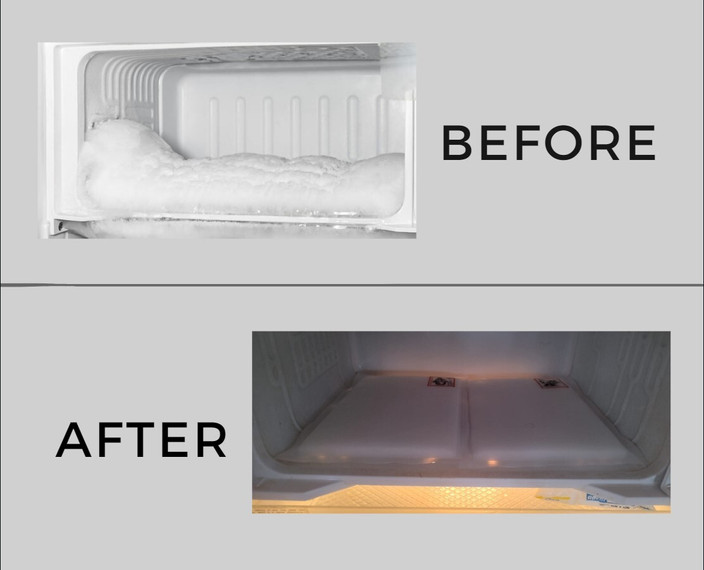
Set a defrosting routine that fits your freezer’s usage. If you notice frost forming, it’s time to defrost before it becomes a problem. Some freezers need defrosting every 3 to 6 months, but check your model’s guide for specific advice.
Don’t wait for thick ice layers to build up. Defrosting early can save you time and energy costs. How often do you check your freezer for frost?
Cleaning The Freezer
Cleaning isn’t just about looks—it helps prevent frost. Remove all food and unplug the unit before you start. Use a mixture of warm water and mild soap to wipe down the interior walls and shelves.
Dry the freezer completely before plugging it back in to stop moisture from turning into frost. Regular cleaning also helps you spot any damaged seals or leaks early. When did you last give your freezer a thorough clean?
Inspecting Drainage System
Check the freezer’s drainage system regularly to avoid water build-up. Blocked drains cause water to freeze inside, leading to frost accumulation. Clear any debris or ice from the drain hole and drip pan to maintain proper flow.
Use a small brush or pipe cleaner to gently clean the drain if necessary. Keeping this system clear means less frost and fewer headaches. Have you inspected your freezer’s drainage lately?
When To Call A Professional
Persistent frost buildup or strange noises signal a need for expert help. Calling a professional ensures safe and effective freezer repairs. Avoid damage by addressing complex issues promptly.
When your freezer starts to build up frost, it can be a real hassle. While some issues can be fixed with simple DIY methods, there are times when you need to call in a professional. Knowing when to seek expert help can save you time, money, and prevent potential damage to your appliance. Let's explore the scenarios where professional intervention is necessary.
Persistent Frost Problems
If you've defrosted your freezer multiple times and frost keeps coming back, it's a sign of a deeper issue. Regular frost buildup despite your best efforts could indicate a problem with the freezer's seal or insulation. A professional can accurately diagnose and fix the root cause, ensuring your freezer runs smoothly.
Malfunctioning Components
Sometimes, the components responsible for keeping frost at bay might fail. If you notice your freezer's fan is not running or the defrost heater isn't working, these are tasks best left to a professional. Handling these issues on your own can be risky and might lead to more extensive damage.
Electrical Issues
Electrical issues can be tricky and dangerous. If your freezer frequently trips the circuit breaker or you see sparks or hear unusual buzzing sounds, it's time to call a professional. Attempting to fix electrical problems without the proper knowledge and tools can pose significant risks to both you and your appliance. Regular maintenance can often prevent these issues, but knowing when to call a professional ensures your freezer remains frost-free and efficient. Have you ever faced a tricky freezer issue? What did you do to solve it? Share your experience in the comments below.
Credit: www.flipkart.com
Frequently Asked Questions
How Can I Prevent Frost Buildup In My Freezer?
Keep the freezer door closed tightly and avoid frequent opening. Regularly defrost and clean the freezer to remove ice. Ensure the door gasket is intact for a proper seal. Store food in airtight containers to reduce moisture inside.
Why Does My Freezer Keep Frosting Over Quickly?
Frost builds up when warm, moist air enters the freezer. Frequent door openings or leaving the door ajar cause this. A damaged door seal or faulty defrost system can also lead to rapid frost buildup.
What Is The Best Way To Defrost A Frost-covered Freezer?
Unplug the freezer and remove all contents. Leave the door open to let ice melt naturally. Use towels to soak up water. Avoid sharp tools to prevent damage. Clean the interior once defrosting is complete.
Can Temperature Settings Affect Freezer Frost Formation?
Yes, setting the temperature too low can cause excessive frost. Ideal freezer temperature is around 0°F (-18°C). Proper temperature control helps reduce frost while keeping food frozen efficiently.
Conclusion
Stopping freezer frost is easier than you think. Regularly check door seals for tight closure. Avoid leaving the freezer door open too long. Keep food covered and dry before freezing. Defrost your freezer when frost builds up. These simple steps save energy and keep food fresh.
A frost-free freezer means less work and better storage. Try these tips to keep your freezer working well. Small habits make a big difference over time.